

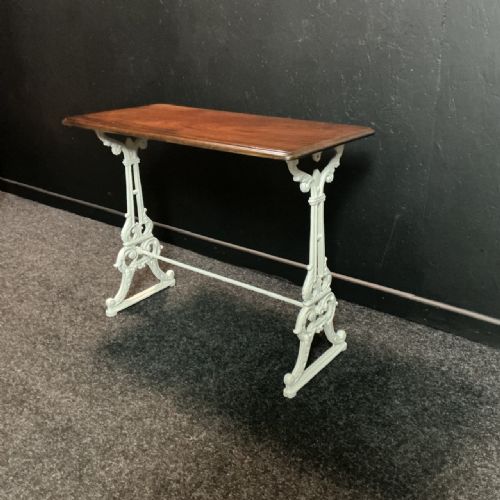


Bistro Table Base
A bistro table base is the sturdy cast iron or metal foundation that supports a wooden or marble top, built for commercial or domestic dining.
Bistro Table Base
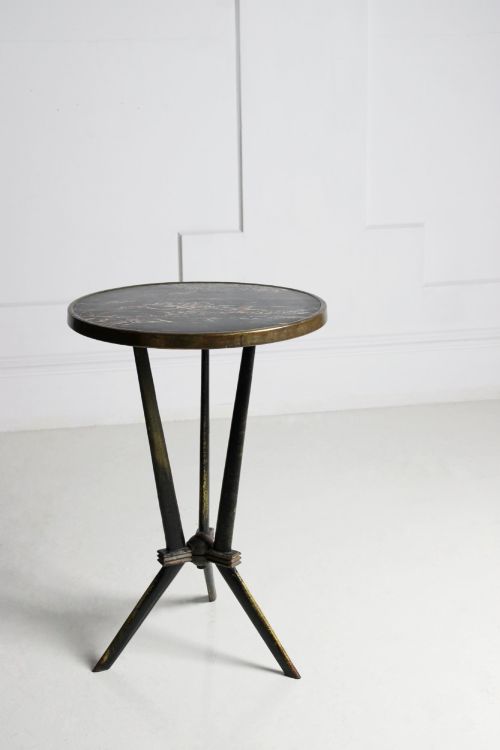
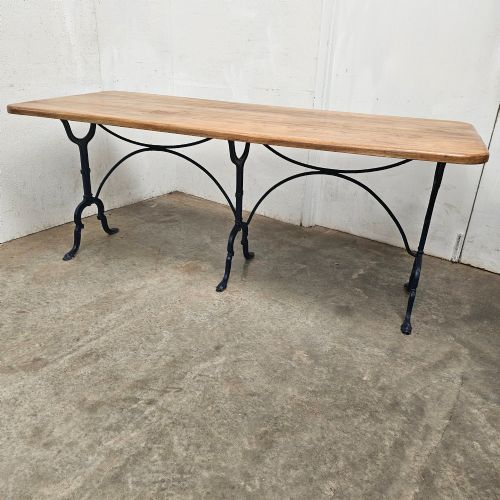
When you search for bistro table base, you are looking at the structural support frames designed to hold cafe, pub, and garden surfaces. The selection available here leans heavily towards nineteenth-century examples alongside early twentieth-century pieces, spanning Victorian, French provincial, and art deco aesthetics. These foundations frequently appear paired with timber tops such as mahogany, oak, and elm, or fitted with marble surfaces.
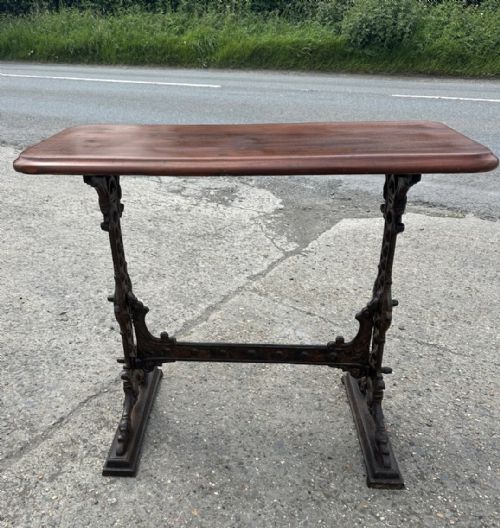
The forms range from compact occasional tables and folding vendange styles to longer tavern and pub tables. Many pieces originate from France and Britain, reflecting continental cafe culture and traditional British public houses. Buyers will encounter both standalone bases and complete tables retaining their original tops.
How they were made
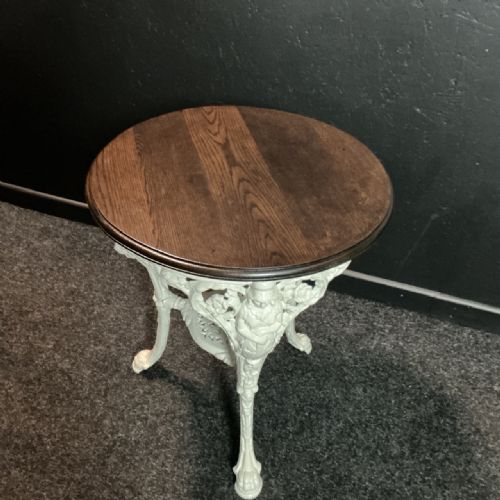
Foundations are predominantly constructed from durable cast iron, often shaped with intricate scroll work or heavy industrial brackets. This metalwork provides the necessary weight and stability for commercial hospitality environments.
Wooden elements utilise traditional timbers including oak, mahogany, elm, cherry, and pine for tabletops and folding mechanisms. Marble is also employed for top surfaces, particularly on garden and conservatory pieces from the early twentieth century.
Bistro Table Base Retail Price Guide 2026
Typical asking prices for bistro table base among the pieces listed under this phrase on Sellingantiques today, from the lower quarter to the upper quarter. They describe what is for sale here now, not the wider market.
Listings feature cast iron alongside timber varieties like oak, mahogany, elm, cherry, and pine, spanning the nineteenth century up to nineteen twenty.
What varies in quality
The distinction between ordinary and superior pieces rests on the complexity and crispness of the cast iron scroll work and structural detailing. Heavier, more substantial metal castings generally denote higher quality and greater stability.
The relationship between the base and its top influences overall character, with original fitted mahogany or marble surfaces commanding stronger interest than later replacements.
The Bistro Table Base Glossary
- Cast iron
- A hard, strong alloy of iron and carbon that is poured into moulds to create decorative and structural forms. It provides the heavy foundation required for stable hospitality tables.
- Vendange table
- A folding table traditionally used in France during grape harvests. These pieces feature clever wooden or metal folding mechanisms for easy storage.
- Britannia
- A specific style of nineteenth-century pub table featuring a heavy cast iron pedestal base, frequently moulded with the figure of Britannia or elaborate foliage.
- Occasional table
- A small, movable table designed for intermittent use rather than primary dining. These vary in form from tripod bases to scroll-worked iron frames.
Bistro Table Base: Frequently Asked Questions
What is a bistro table base?
A bistro table base is the structural metal foundation that supports a cafe or pub tabletop. These heavy frames provide stability for commercial and domestic dining.
Most examples utilise cast iron, often decorated with ornate scroll work or industrial detailing to ensure durability in busy environments.
How were these bases used?
These pieces served patrons in nineteenth-century French cafes, British pubs, and domestic conservatories. They supported surfaces used for drinks, dining, and social gatherings.
Some designs incorporated folding mechanisms to allow proprietors to clear floor space quickly after trading hours.
How do I care for cast iron?
Cast iron requires minimal maintenance beyond dusting and keeping the metal dry to prevent surface oxidation. Gentle cleaning preserves the historic finish of the metal.
Wooden or marble tops mounted to these bases benefit from appropriate waxes or oils suited to the specific material.
Can I attach a new top?
Many bases can accommodate replacement tops, though finding a surface that matches the proportion and weight capacity of the iron frame is essential. Original tops are typically secured directly to the metal brackets.
Buyers should examine the fixing points on the upper collar of the base to understand how previous surfaces were attached.