




Gold Pedestal Table Base
These gold pedestal table base options offer a solid foundation for decorative schemes, bringing architectural presence and period character into a room.
Gold Pedestal Table Base
A gold pedestal table base search brings up structural supports and finished items finished with metallic leaf, brass, or ormolu across several distinct eras. Buyers encounter pieces spanning the nineteenth century up through the early twentieth century, incorporating revival aesthetics and functional lighting elements.
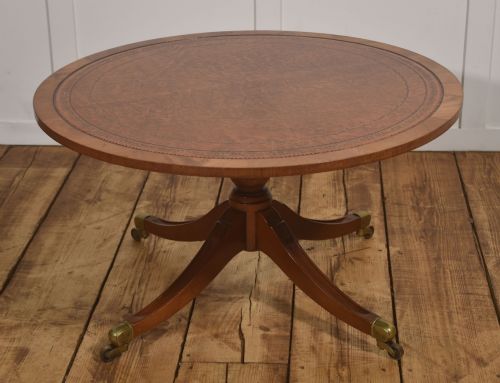
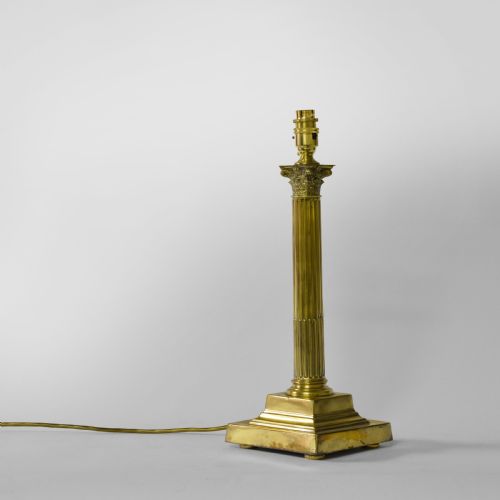
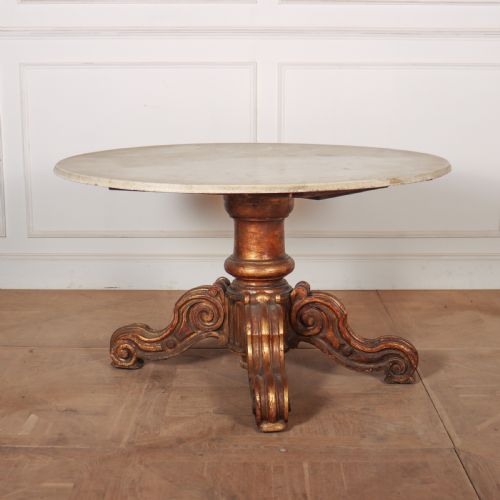
The selections on this page lean heavily toward column lamp bases in brass, alongside circular centre tables with marble tops and cast iron cafe supports. These items originate from periods such as the Regency era, the Victorian decades, and the Art Deco years, reflecting diverse domestic and hospitality uses.
Makers utilised heavy metals and gilded woods to create stable centrepieces that command visual attention in a room. The structural forms draw directly on classical motifs, presenting fluted columns and Corinthian capitals that suit traditional and eclectic interiors alike.
Materials and construction methods
Makers relied on brass, cast iron, giltwood, and gesso to build substantial weight and lasting structural integrity into each support. Cast metals allowed for sharp surface detail on columns and decorative mounts, while timber frames received layers of gesso before gilding.
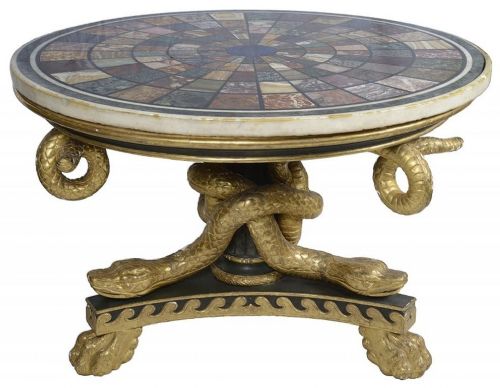
Surface treatments combined hand-applied leaf with polished stone tops, such as specimen marble, fitted directly to heavy timber or metal frames. Joinery and casting techniques from the nineteenth and early twentieth centuries prioritized mechanical stability to support heavy stone or timber surfaces above.
Gold Pedestal Table Base Retail Price Guide 2026
Typical asking prices for gold pedestal table base among the pieces listed under this phrase on Sellingantiques today, from the lower quarter to the upper quarter. They describe what is for sale here now, not the wider market.
The site listings incorporate materials ranging from brass and marble to giltwood, spanning the nineteenth century through the Art Deco period.
Assessing quality in construction and finish
Quality rests in the crispness of the casting or the depth of the gilding applied over the gesso base layers. Superior examples display sharply defined acanthus leaves on Corinthian capitals and substantial metal thickness that prevents flex.
The integration between the primary column and the footing determines the overall stability and proportion of the piece. Master craftsmen ensured balanced weight distribution, which separates utilitarian foundry output from decorative fine furnishings.
The Gold Pedestal Table Base Glossary
- Ormolu
- Gilded bronze or brass applied to decorative objects and furniture mounts. This finish provided a rich metallic sheen popular in French and English interiors.
- Giltwood
- Timber coated with gold leaf or metallic paint over a prepared gesso surface. It created the appearance of solid gold while utilising lighter, accessible woods.
- Corinthian
- A classical architectural order identified by ornate capitals decorated with rows of acanthus leaves. Lamp bases and columns frequently adopted this profile.
- Tazza
- A shallow saucer-like dish or ornament raised on a stem and foot. These items often served decorative display functions on side tables.
- Specimen marble
- Paving or tabletops composed of various coloured marbles assembled in geometric patterns. This technique showcased geological variety in grand reception rooms.
Gold Pedestal Table Base: Frequently Asked Questions
What is a gold pedestal table base used for?
These pieces provide structural support for tabletops, display surfaces, and lighting fixtures within a domestic interior. They function as architectural elements that elevate the surrounding decor.
Buyers often select them to anchor specific rooms, utilising the metallic finish to catch ambient light and introduce historic character.
How do I date a brass column lamp?
Dating relies on examining the casting techniques, threading types, and the style of the capital ornamentation. Nineteenth-century examples frequently feature heavy brass construction with hand-finished details.
Later pieces from the early twentieth century often show standardised components and distinct patination patterns developed over decades of domestic use.
Are these bases suitable for modern interiors?
The classic proportions and metallic finishes allow these supports to integrate smoothly into contemporary design schemes. They act as focal points that contrast cleanly with minimalist furniture.
Placing a classical column lamp or a giltwood support in a modern room adds textural contrast and historical depth.