
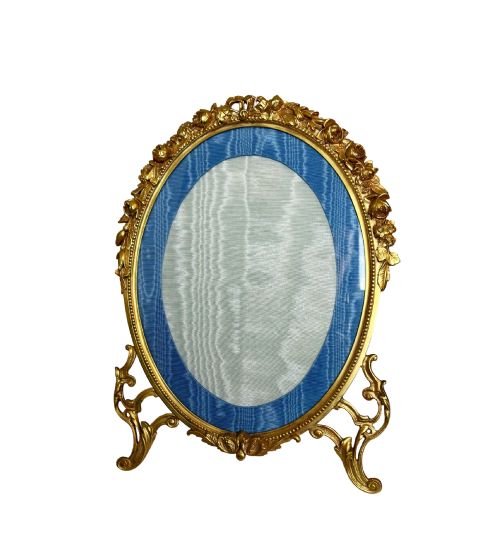
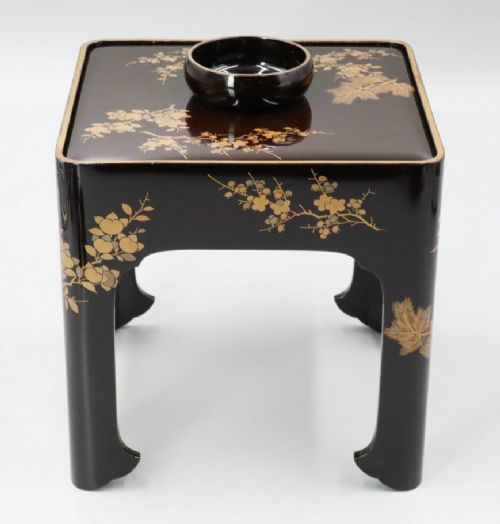
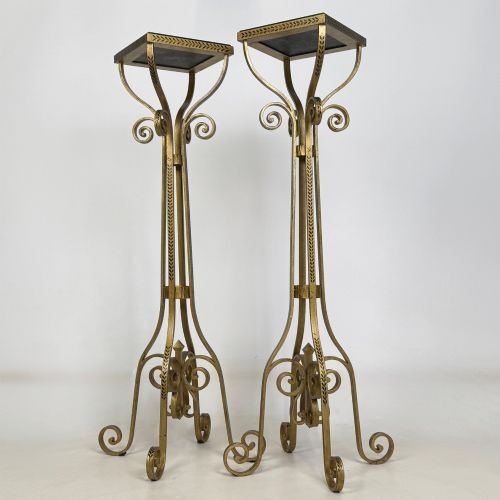
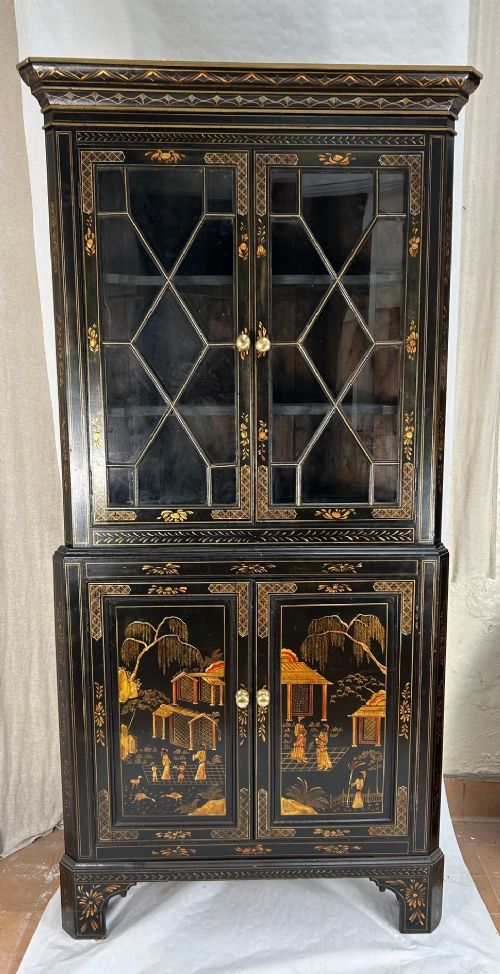
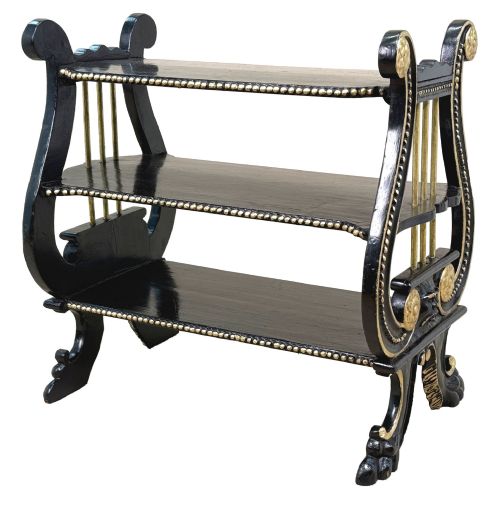
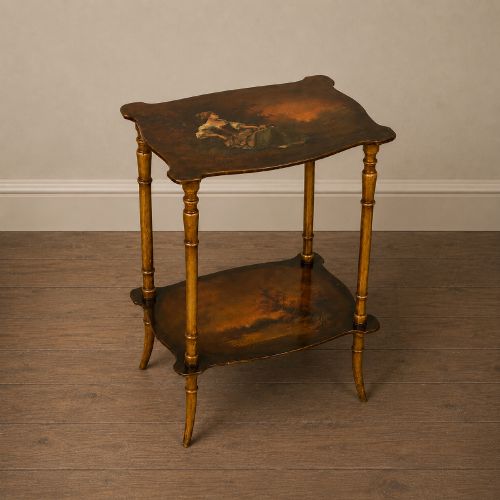
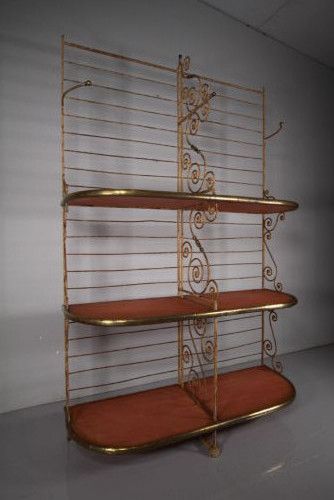
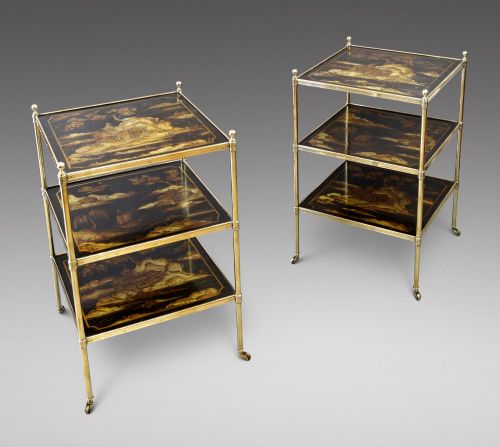


Antique Gold Display Stand
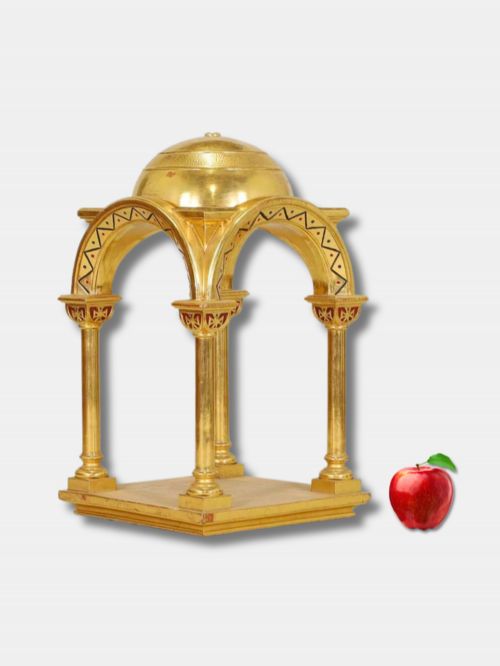
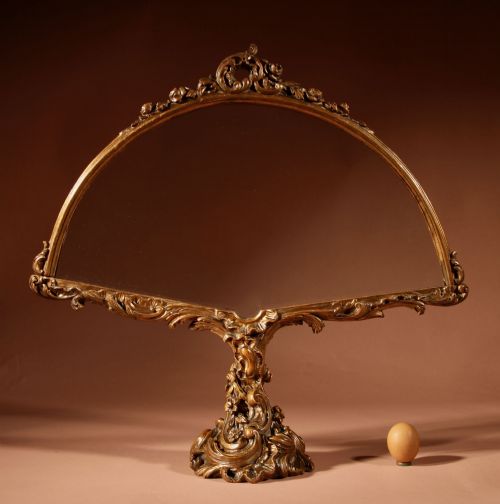
An antique gold display stand brings height and surface to a room, presenting objects in brass, giltwood, and gesso.
Antique Gold Display Stand
An antique gold display stand encompasses a varied group of furnishings designed to elevate objects, plants, or books within a room. When searching this phrase, a buyer encounters forms ranging from tall torchères and pedestals to multitiered etagères, cabinets, and small tables.
The pieces appearing on this page span several centuries, with nineteenth-century examples and Edwardian or nineteen-twenties pieces appearing frequently. Styles stretch from French Rococo and Italian Baroque to Art Deco and Japanese Meiji aesthetics.
Makers and workshops constructed these items for domestic display, utilising gold leaf, giltwood, and brass to catch the light. They function as both structural furniture and decorative items in their own right.
How they were made
Craftsmen built these stands using timber carcases, ironwork, or cast brass, applying surface decoration through gilding, gesso, or lacquer. Giltwood and gesso pieces combine carved wood substrates with layers of gold leaf or plaster preparation.
Metal versions employ chiseled brass, wrought iron, and gilt bronze, sometimes paired with marble or onyx tops for stability and contrast. Cabinetmakers and metalworkers relied on traditional joinery and casting methods appropriate to each period.
Baker's racks and sake cups occasionally join the lineup alongside grand pedestals.
What varies in quality
Quality rests in the crispness of the carved detail and the integrity of the gilded surface. Hand-carved giltwood and deep gesso ornament show greater depth and precision than later or simpler moulded decorations.
The choice of secondary materials, such as heavy marble inserts or solid brass frames rather than plated alternatives, distinguishes superior examples. Construction methods, from robust joinery to the weight of the metal components, dictate the durability of each stand.
SIEGEL
The Antique Gold Display Stand Glossary
- Giltwood
- Wood that has been coated with gold leaf or gold powder. This finish provides a luminous surface that defines many antique frames and stands.
- Torchère
- A tall, slender stand designed to hold a light or a decorative object. These pieces frequently feature carved columns or tripod bases.
- Étagère
- A piece of furniture consisting of open shelves for displaying small objects. They often incorporate multiple tiers supported by slender uprights.
- Gesso
- A plaster-like mixture applied to wood as a base for paint or gilding. Skilled artisans model this material into raised decorative motifs before applying gold leaf.
- Vitrine
- A glass-fronted cabinet used for displaying fine objects or porcelain. These cases protect items while offering all-round visibility.
Antique Gold Display Stand: Frequently Asked Questions
What is an antique gold display stand used for?
These stands serve to elevate decorative objects, urns, plants, or books, drawing the eye to specific items in a room.
They function as independent display pieces that introduce vertical interest and metallic texture into an interior scheme.
How do I identify the period of a display stand?
Dating relies on stylistic clues, such as the curved exuberance of French Rococo or the geometric lines of Art Deco and nineteen-twenties pieces.
Material combinations and construction techniques also provide clear indicators of whether a piece originates in the nineteenth century or the Edwardian era.
Where should I place a torchere stand?
Tall torchères suit corners or empty wall spaces where they can add height without obstructing movement.
They work effectively when topped with a bronze, a vase, or a sculptural plant to fill vertical gaps in a room's design.
Are brass and giltwood stands delicate?
While solid brass and sturdy wooden frames are durable, the applied gold leaf and gesso surfaces require gentle handling.
Regular dusting with a soft cloth preserves the metallic finish without wearing away the historic gilding.