






French Giltwood Plant Stand
A French giltwood plant stand brings gilded warmth and classical elegance to a room, serving as a striking stage for ferns and urns.
French Giltwood Plant Stand
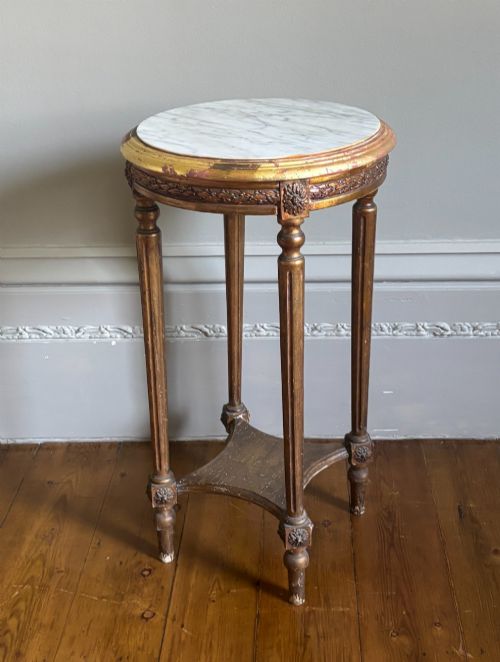
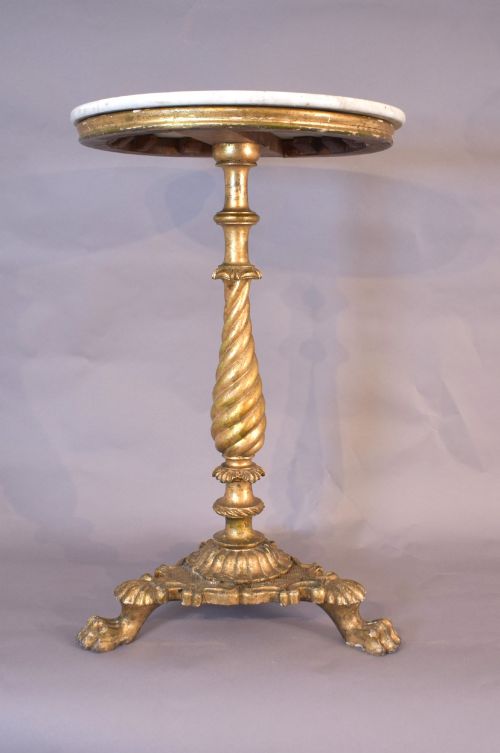
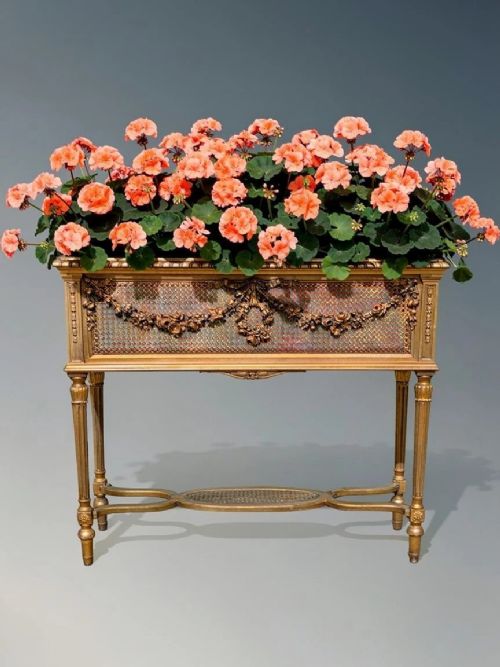
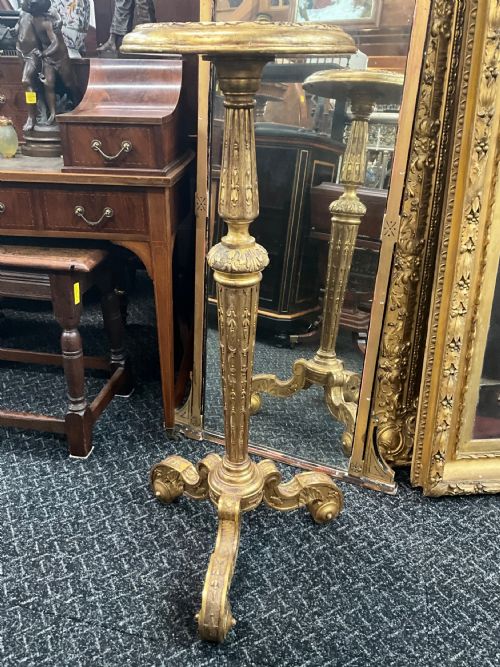
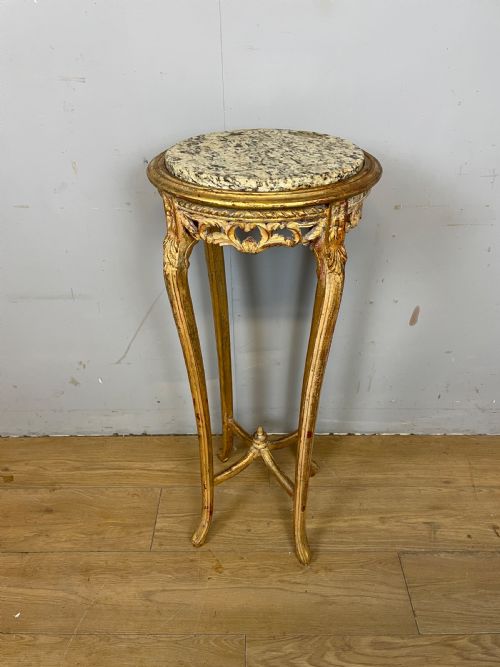
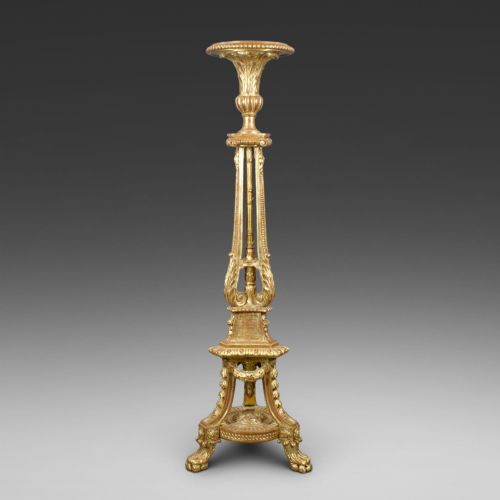
A french giltwood plant stand takes several architectural forms across this selection, appearing most frequently as tall torcheres, pedestals, and occasional side tables designed to elevate flora.
Makers fashioned these stands during periods spanning from the eighteenth century through to the early twentieth century, drawing heavily upon classical motifs.
The objects serve as decorative furniture that combines practical display surfaces with ornate carving, often incorporating inset marble or caned tiers.
How they were made
Craftsmen built these pieces from carved wood and gesso, applying layers of gold leaf or paint to achieve a rich gilded finish.
Many examples integrate heavy materials like marble for tops or incorporate cane panels alongside structural metal elements for stability.
French Giltwood Plant Stand Retail Price Guide 2026
Typical asking prices for french giltwood plant stand among the pieces listed under this phrase on Sellingantiques today, from the lower quarter to the upper quarter. They describe what is for sale here now, not the wider market.
Several stands double as wine tables, proving that previous owners occasionally prioritised bottles over begonias.
What varies in quality
The standard of carving and the crispness of the gesso decoration separate ambitious atelier work from simpler production, determining the depth of relief in floral mouldings and classical details.
The choice of top material, ranging from fine inset marble and onyx to plain timber or cane, alters the visual weight and longevity of the piece.
The French Giltwood Plant Stand Glossary
- Giltwood
- Timber coated with gold leaf or gold paint. This finish creates the characteristic bright metallic sheen seen across French neoclassical and revival furniture.
- Torchere
- A tall ornamental stand designed to hold a light or a decorative vessel. These slender supports elevate plants and urns to eye level in a room.
- Gesso
- A plaster-like mixture applied to wood surfaces before gilding. It provides a smooth base that carvers shape into crisp floral and architectural reliefs.
- Triform
- Having three sides or three supports. This structural arrangement provides stability for tall, slender pedestals and tripod tables.
French Giltwood Plant Stand: Frequently Asked Questions
What is a french giltwood plant stand used for?
These stands are designed to elevate potted plants, urns, and jardinieres, displaying greenery as a focal point within a reception room or hallway.
Historically, they also served as torcheres to hold lighting fixtures or simply as decorative occasional tables in formal interiors.
How do I care for giltwood surfaces?
Giltwood requires gentle treatment to preserve the delicate gold leaf and gesso decoration. Dusting should be done lightly with a dry, soft cloth without using liquid polishes or abrasive cleaners.
Keep these pieces away from direct sunlight and excessive moisture to prevent the wood and gesso from cracking.
How can I tell the period of a stand?
Dating relies on observing the stylistic vocabulary, such as Louis XVI neo-classical lines, Regency motifs, or later revival characteristics. Examining the construction methods, tool marks, and materials beneath the gilding also clarifies age.
Evidence in the listings spans from the eighteenth century through to early twentieth-century revivals, each showing distinct decorative details.