
Vintage Plant Display Stand
A vintage plant display stand raises greenery to eye level, bringing structure and botanical charm to any room through sturdy timber and polished stone.
Vintage Plant Display Stand
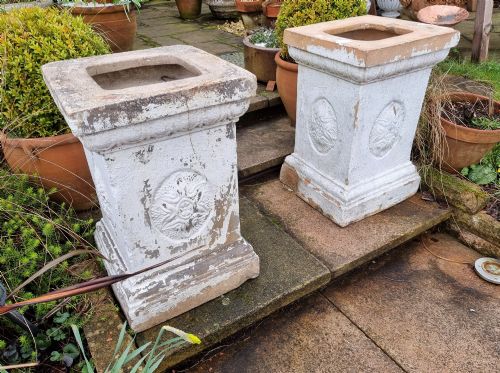
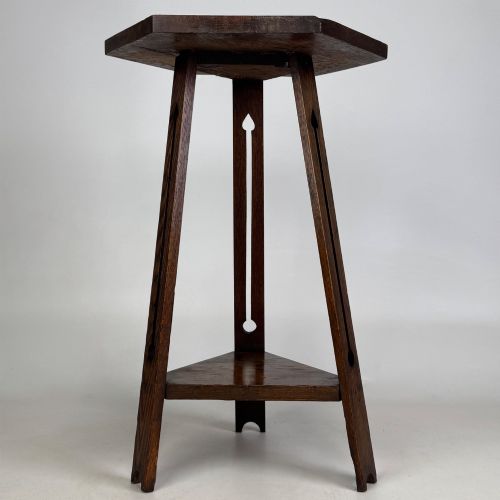
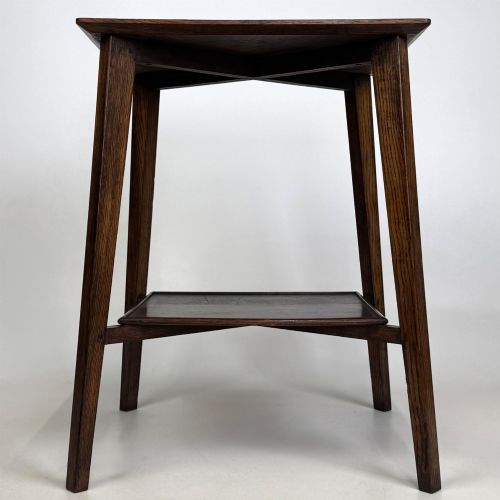
A vintage plant display stand comprises raised platforms, columns, torcheres, and pedestals designed to elevate foliage and decorative vessels. These furnishings span the Victorian, Edwardian, and Arts and Crafts eras, offering functional stages for greenery.
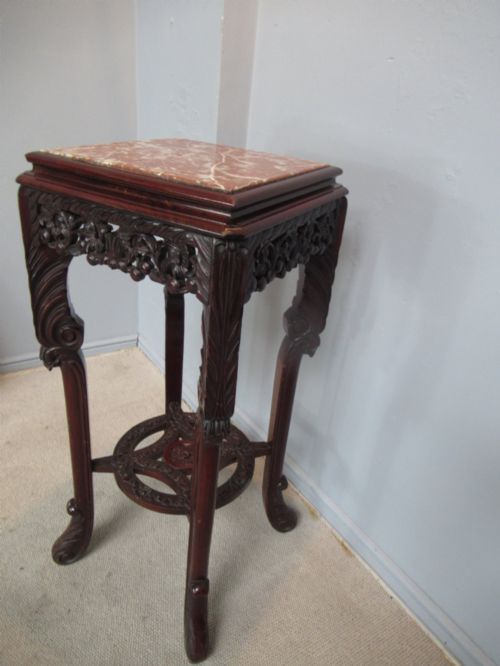
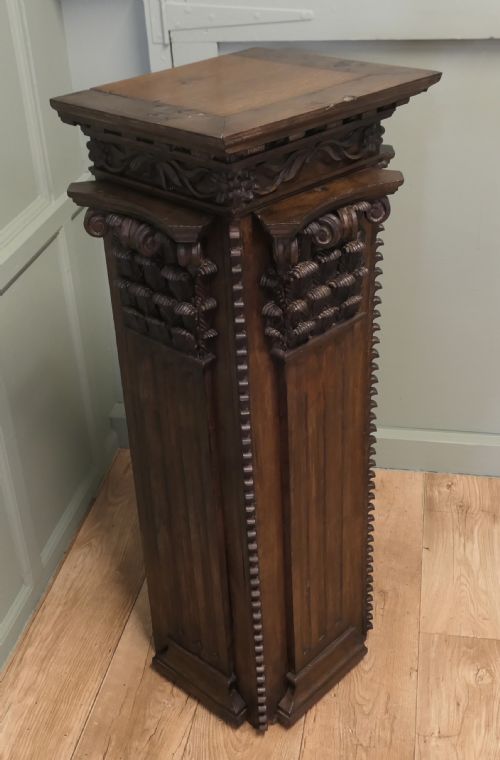
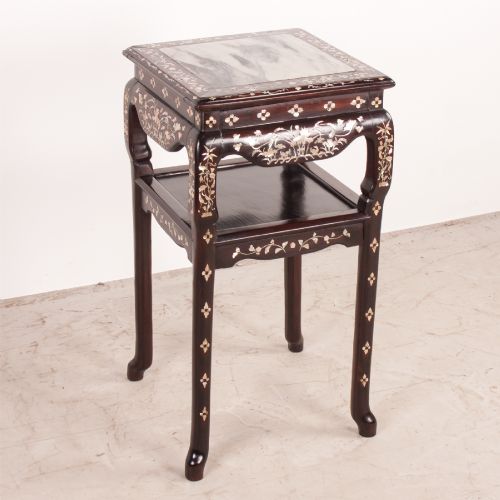
The selections encountered here range from solid oak and mahogany torchere columns to marble-topped occasional tables and two-tier plant stands. Many incorporate regional styles such as Chinese export designs with stone inserts or French carved oak supports.
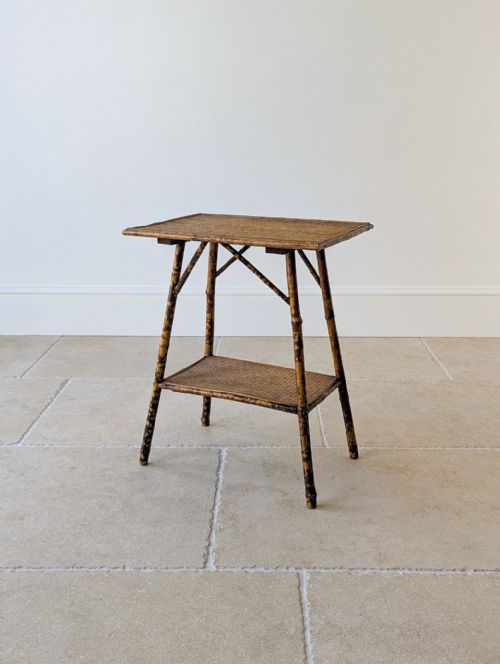
Makers and craftsmen utilised varied forms including bamboo frameworks, cast iron tiered structures, and turned hardwood pedestals. Buyers frequently meet Edwardian mahogany designs and heavier Victorian timber columns among the available selections.
How they were made
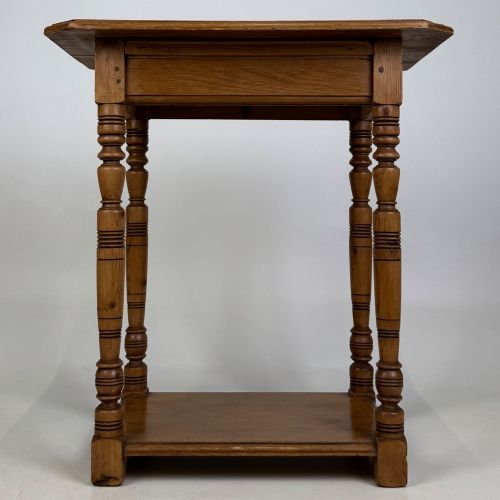
Construction relies heavily on traditional timber working, utilising dense hardwoods like mahogany, walnut, oak, and satinwood alongside exotic materials such as kingwood and bamboo. Joinery techniques range from turned wooden columns and pegged joints to intricate mother-of-pearl inlay.
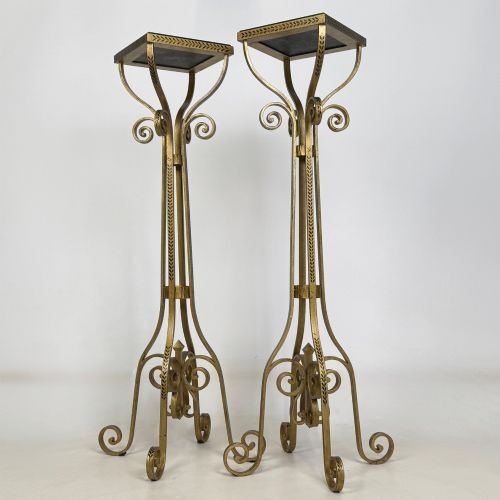
Many examples incorporate inset marble tops designed to resist moisture from watering, while others feature painted finishes, gilt details, or terracotta and cast iron components. Metal elements and brass fittings provide structural support for heavy stone or ceramic display surfaces.
Antler horn makes a surprisingly sturdy support when repurposed into Victorian torchiere stands for botanical displays.
What varies in quality
Quality rests upon the selection of materials, from basic beech and pine framing up to finely figured mahogany, satinwood, and heavy imported marble inserts. Superior examples show careful timber matching and secure joinery that prevents wobble when supporting heavy pots.
Artisanal execution distinguishes standard utility items from finer decorative pieces, visible in hand-carved wooden details, inlaid mother-of-pearl work, and robust turning on columns and legs. Well-preserved original surfaces and integrated tiers add considerably to the sophistication of a piece.
Shoolbred
The Vintage Plant Display Stand Glossary
- Torchere
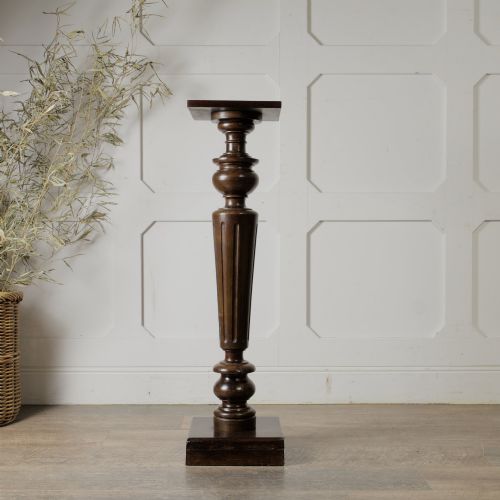
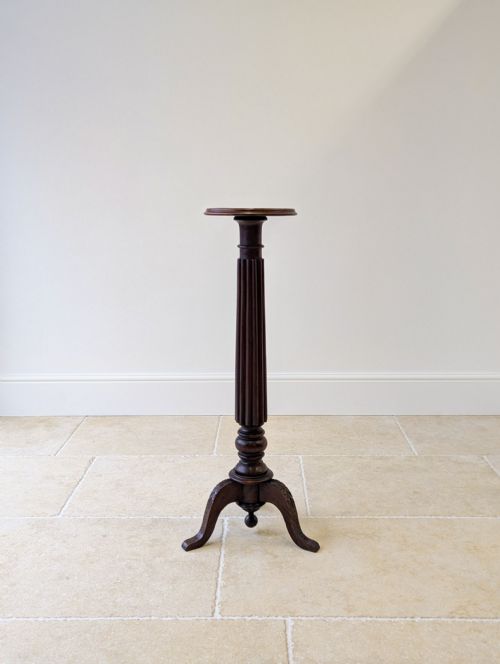
- A tall, slender stand or pedestal originally designed to hold a candle or light source, now commonly utilised for plants and urns. These pieces often feature a small circular top supported by a single turned column.
- Pedestal
- A structural column or plinth used to support a bust, vase, or potted plant. They appear in materials ranging from carved wood and terracotta to neoclassical marble.
- Jardiniere
- An ornamental pot or stand specifically made to hold a plant or floral arrangement. These often take the form of dedicated two-tier stands or low tables with waterproof liners.
- Inlay
- A decorative technique where contrasting materials such as satinwood, mother-of-pearl, or exotic woods are embedded into the surface of a primary timber. This method defines many Edwardian and Chinese export pieces.
- Etagere
- A piece of furniture consisting of a set of open shelves for displaying small objects. In plant displays, multi-tiered versions allow for graduated arrangements of greenery.
Vintage Plant Display Stand: Frequently Asked Questions
What is the difference between a plant stand and a torchere?
A plant stand generally prioritises stability with a wider base or multiple tiers to safely hold heavy pots and damp soil. A torchere is typically taller and narrower, originally intended for lighting rather than botany.
While both serve similar decorative functions today, torcheres often feature more delicate turned columns and smaller top surfaces suited for urns or trailing greenery.
Can these stands support heavy pots?
Solid hardwood and cast iron variants are built to bear substantial weight, making them suitable for large potted palms or ceramic planters. Lighter bamboo or occasional table forms are better matched to smaller, lighter house plants.
Inspecting the joinery at the base of the legs and the thickness of the top surface helps determine the appropriate load capacity for each individual piece.
How do I protect the wood from water damage?
Using waterproof saucers or decorative cachepots beneath your plants prevents moisture from coming into direct contact with antique timber surfaces. Wiping away accidental spills promptly preserves the original polish and wax.
Marble-topped and cast iron stands offer greater natural resistance to moisture, making them practical choices for regular watering routines.
How do I identify an Edwardian plant stand?
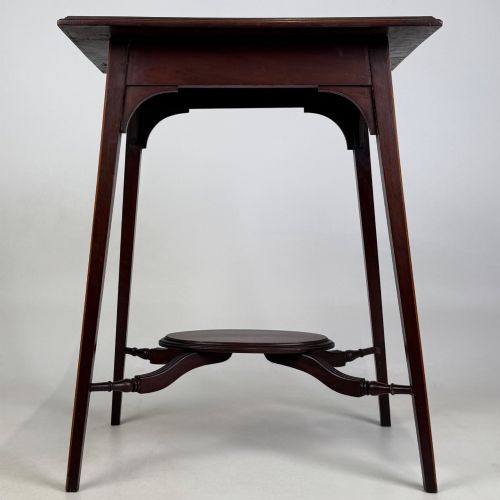
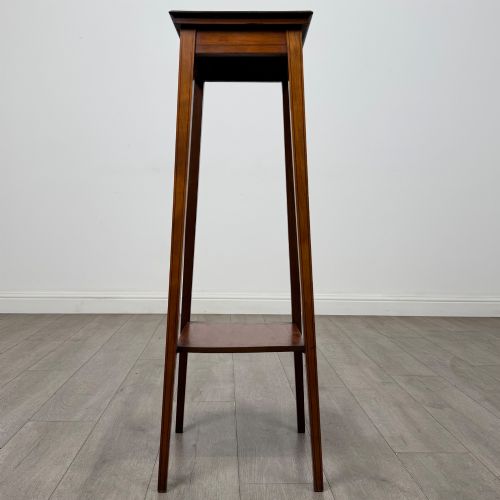
Edwardian stands often feature lighter timbers such as satinwood and mahogany, frequently enhanced with delicate line inlay or marquetry. They tend to exhibit cleaner, simpler lines than their ornate Victorian predecessors.
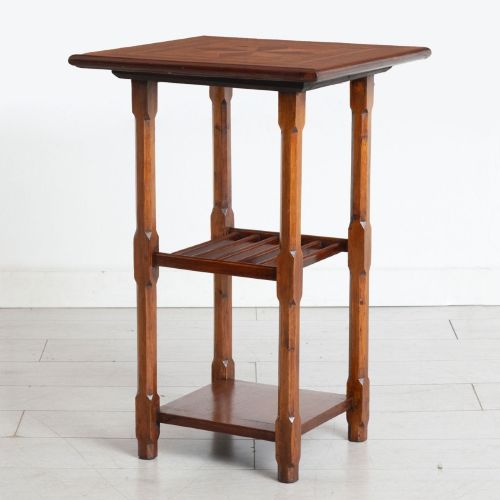
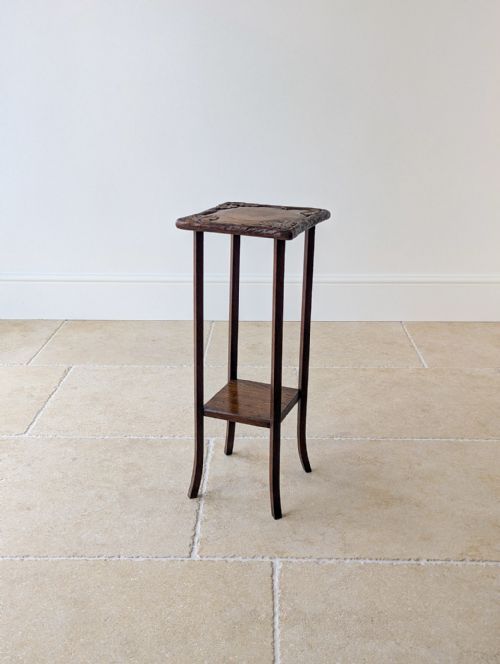
Many examples from this period incorporate multiple tiers or integrated lower shelves designed for holding small gardening accessories or secondary display pots.