






Vintage French Urn Stand
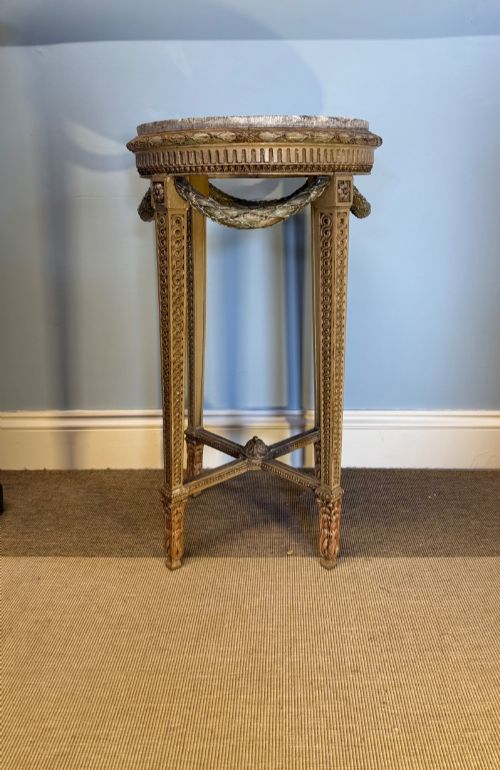
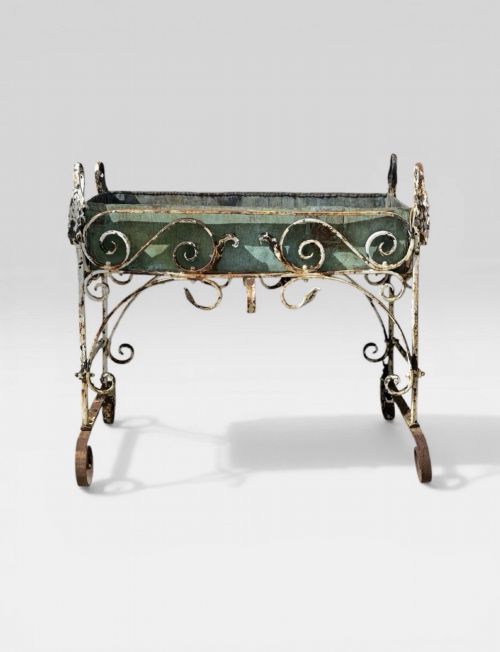
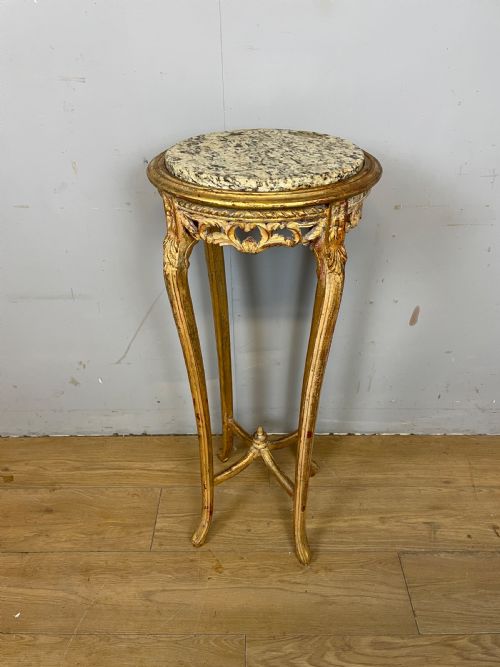
These vintage french urn stand pieces are decorative supports for heavy planters and vases, offering height and architectural focus to interior or garden rooms.
Vintage French Urn Stand
When you search for a vintage french urn stand, you are looking at decorative supports designed to elevate heavy pots, jardinières, and sculptural vessels. These pieces serve both practical and ornamental purposes within domestic and garden settings.
The selections available here span several distinct periods including the nineteenth century and the nineteen-twenties, alongside Edwardian examples. They take various forms such as plant stands, pedestals, torcheres, and occasional tables.
You are most likely to encounter marble-topped designs or wrought iron structures originating from continental workshops. Their forms draw upon traditional French styles like Rococo Revival, Louis XVI, and Neoclassical influences.
How they were made
Makers utilised durable materials such as wrought iron and terracotta to withstand the weight of large garden planters and oil jars. Stone surfaces like marble were frequently employed to provide a stable, water-resistant top for interior plant displays.
Carved wood and gesso formed the basis for more ornate indoor pieces, often finished with giltwood or parcel gilt details. These techniques allowed artisans to achieve the intricate foliage and classical motifs characteristic of French revival styles.
Vintage French Urn Stand Retail Price Guide 2026
Typical asking prices for vintage french urn stand among the pieces listed under this phrase on Sellingantiques today, from the lower quarter to the upper quarter. They describe what is for sale here now, not the wider market.
Listings feature items spanning the nineteenth century, nineteen-twenties, nineteen-thirties, and the Edwardian era.
What varies in quality
The distinction between standard utility items and finer examples rests upon the depth of hand-carving and the choice of materials. Solid marble tops and substantial giltwood framing separate decorative showpieces from simpler everyday stands.
Execution of period details, such as the crispness of wrought iron scrolls or the quality of applied gesso, determines the visual weight of the piece. Superior items exhibit balanced proportions and harmonious integration between the support and the vessel it holds.
The Vintage French Urn Stand Glossary
- Torchere
- A tall stand designed to hold a light or a decorative urn. These elevated pieces were traditionally placed in corners to illuminate large rooms.
- Jardiniere
- An ornamental pot or stand for holding plants and flowers indoors. They are frequently fitted with metal liners to protect the surrounding furniture.
- Giltwood
- Timber that has been coated with a thin layer of gold leaf or gold paint. This finish provides a bright, reflective surface popular in classical European furniture.
- Parcel Gilt
- Decoration where only specific carved details or raised portions are highlighted with gold leaf. This technique creates contrast against a painted or natural wood background.
- Rococo Revival
- A nineteenth-century design movement inspired by earlier French styles featuring asymmetrical scrolls and naturalistic plant motifs. It emphasises movement and elaborate ornamentation.
Vintage French Urn Stand: Frequently Asked Questions
What is a vintage french urn stand used for?
These stands were primarily built to elevate heavy garden urns, terracotta jars, and indoor plant holders. Raising the vessel off the floor protected wooden surfaces and displayed trailing plants at eye level.
Today, they function independently as sculptural furniture or support modern floral arrangements in hallways and living spaces.
How do I date a french urn stand?
Dating relies on examining the primary materials, construction methods, and stylistic ornament. Nineteenth-century pieces often display heavy wrought iron or hand-carved timber, whereas later Edwardian and nineteen-twenties examples introduce distinct regional variations.
Matching the decorative motifs, such as Neoclassical lines or Art Deco geometry, to known historical periods clarifies the origin.
Are these stands suitable for outdoor use?
Suitability depends entirely on the specific material composition of the stand. Wrought iron and terracotta items are naturally weather-resistant and suited for patios or gardens.
Conversely, giltwood, gesso, and polished marble pieces are strictly intended for indoor environments where moisture and frost cannot damage the finish.
How do I clean a marble-topped stand?
Marble surfaces require gentle cleaning with a damp cloth and mild, neutral soap. Avoid abrasive scrubbers and acidic household cleaners that etch the polished stone.
Dry the surface thoroughly afterwards to prevent water marks and maintain the natural lustre of the marble.