

French Vitrine
A french antique vitrine is a glazed display cabinet designed to showcase porcelain and precious objects, bringing nineteenth-century salon elegance into a modern room.
What They Are
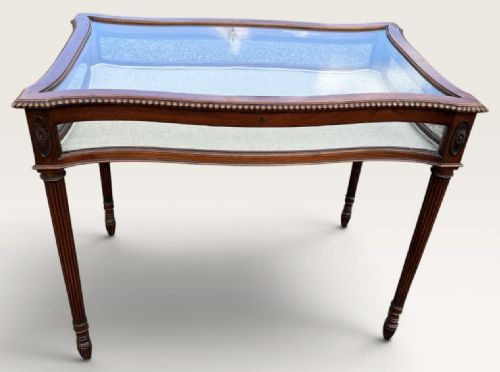
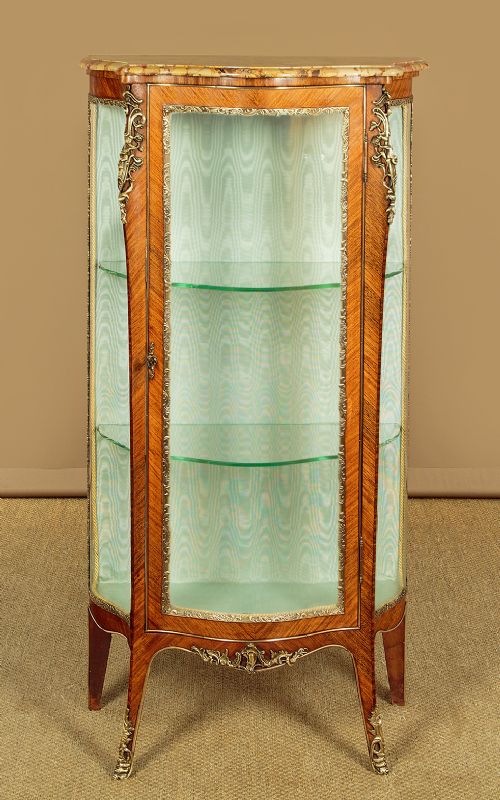
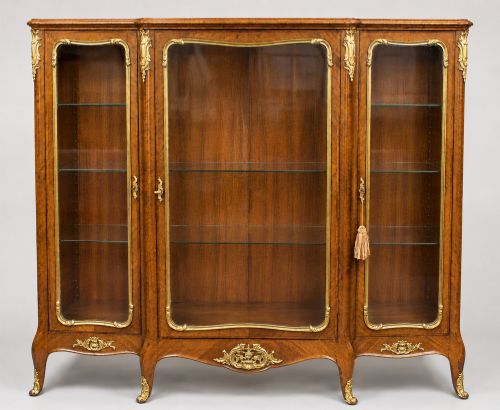
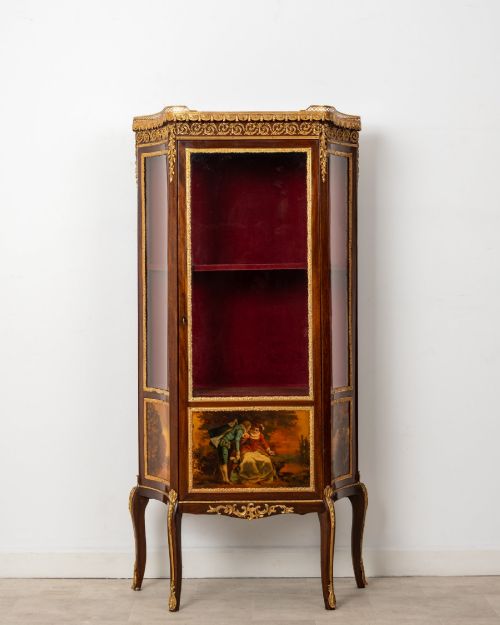
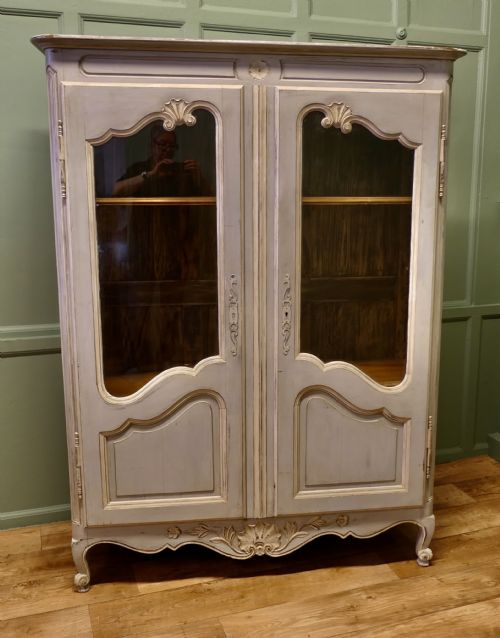
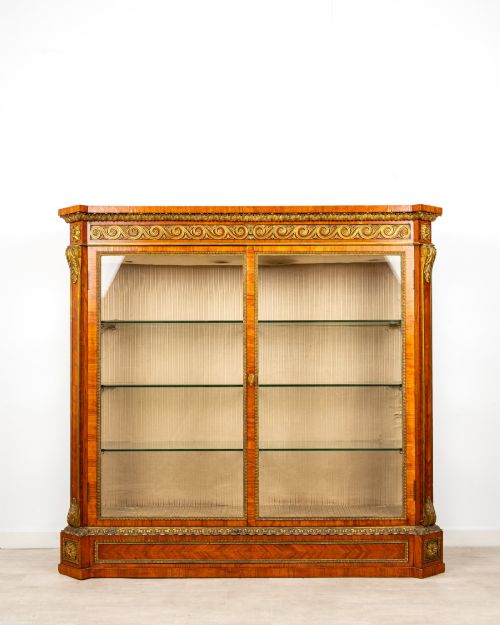
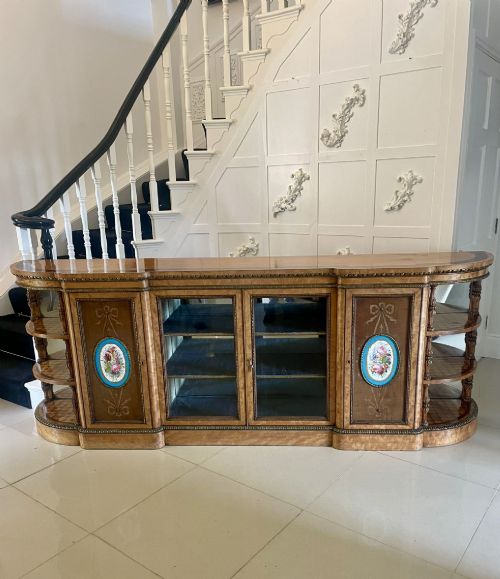
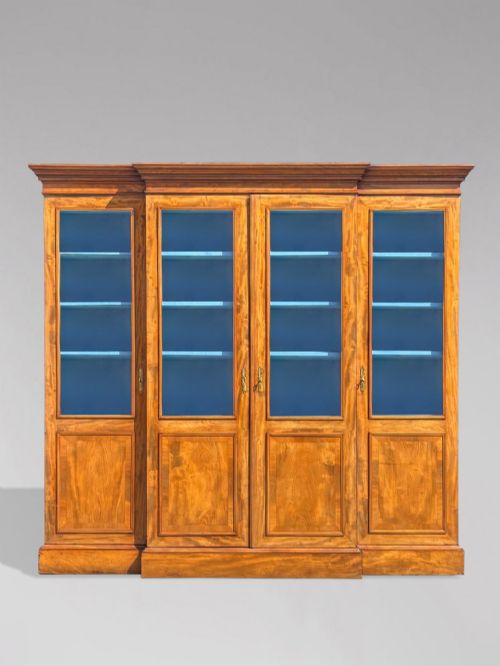
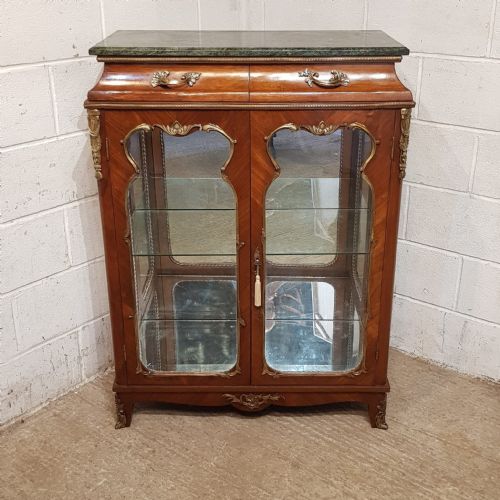
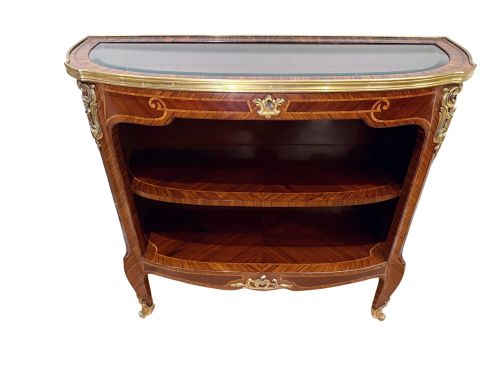
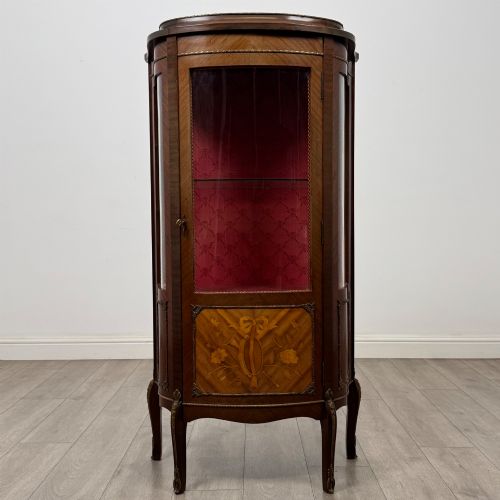
A french antique vitrine serves primarily as a glazed display cabinet or bookcase, designed to protect and exhibit decorative objects in nineteenth-century interiors. These pieces range from petite walnut and kingwood display cabinets to substantial two-door variations topped with marble.
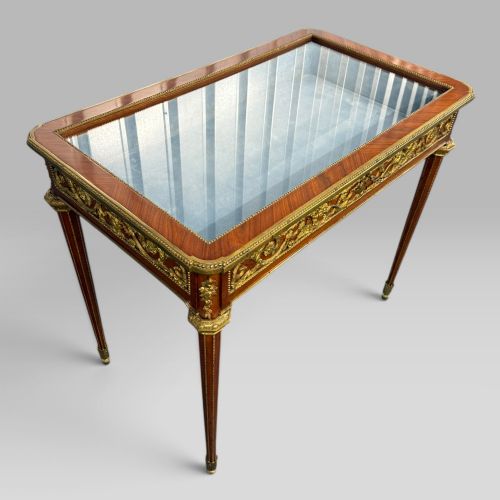
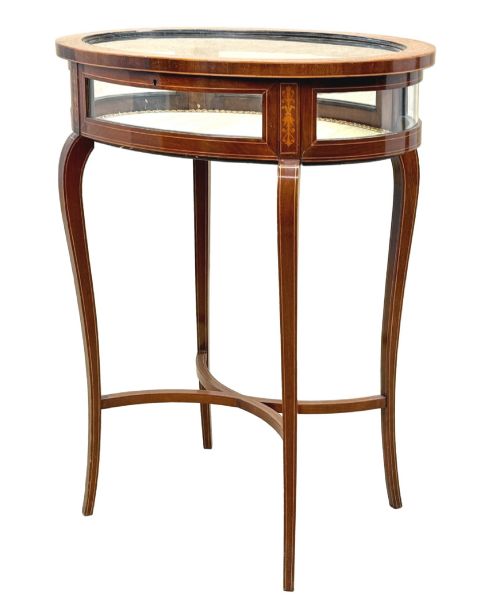
The pieces appearing on this page span the nineteenth century, including specific dates from eighteen-sixty up to nineteen-hundred, alongside Charles X examples. Forms include oval display cabinets, shaped china cabinets, bombé silhouettes, and vitrines mounted on stands.
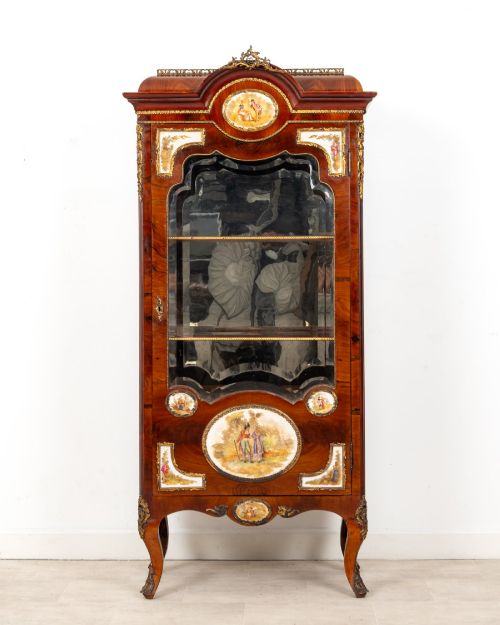
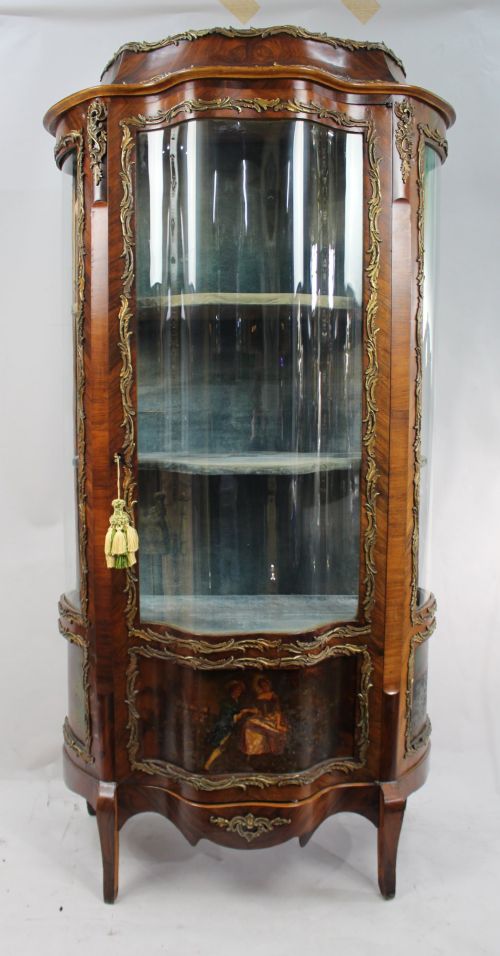
Buyers frequently encounter finishes incorporating painted Vernis Martin panels, marquetry, and gilt bronze mounts. These variations reflect diverse regional workshops and changing tastes across the nineteenth-century periods.
How They Were Made
Cabinetmakers constructed the carcase using structural timbers such as mahogany, walnut, and fruitwood, overlaid with decorative veneers like kingwood, rosewood, and burr maple. Tortoiseshell also appears on select smaller jewellery box forms from the mid nineteenth century.
Surface ornamentation relies heavily on cast ormolu mounts, gilt bronze details, and inset marble tops. Painted Vernis Martin panels add pictorial decoration to the lower sections or door fronts, complemented by glass panels for display.
Interior shelving is traditionally lined with velvet or fabric to cushion displayed items, while marquetry and floral inlay decorate the exterior timber surfaces.
Retail Price Guide 2026
Typical UK retail prices for french vitrine, calculated from the Sellingantiques database of over a million retail prices indexed since 2003. This retail price guide relies exclusively on Sellingantiques data; no external sources or auction records are used, so the figures do not describe the wider market.
Several pieces preserve their original velvet and fabric linings, ready to cushion tiny porcelain teacups after more than a century.
What Varies in Quality
The standard of a french antique vitrine depends on the precision of its timber veneers, the execution of its marquetry, and the crispness of its cast ormolu mounts. Finer examples display harmonious grain matching in kingwood or mahogany and securely fitted marble tops.
Painted decorative elements dictate the artistic merit of Vernis Martin pieces, where delicate brushwork and detailed figurative scenes elevate the work above standard production. The quality of the bronze casting and gilding on mounts similarly distinguishes workshop tiers.
Structural integrity, including the alignment of glazed doors and the retention of original interior fabric linings, separates pieces that retain their decorative unity from those with replaced components.
François Linke·Maison Mottheau
The French Vitrine Glossary
- Vitrine
- A glazed display cabinet designed for holding porcelain, curiosities, and precious objects. The form evolved during the eighteenth century and remained popular throughout the nineteenth century.
- Ormolu
- Gilded bronze applied as decorative mounts, feet, and edgings on furniture. The technique involves coating bronze with a gold amalgam.
- Vernis Martin
- A simulated Japanese lacquer technique developed by the Martin brothers in eighteenth-century France. The finish appears on nineteenth-century panels depicting pastoral and romantic scenes.
- Marquetry
- The art of applying small pieces of veneer to a structure to form decorative patterns and pictures. Makers utilised various exotic timbers to create floral and geometric motifs.
Frequently Asked Questions
What did people keep in a vitrine?
These cabinets were designed to hold collections of fine porcelain, glassware, miniature portraits, and decorative curiosities. Owners displayed their prized possessions in drawing rooms and reception spaces.
The glass panels protected delicate items from dust while allowing visitors to admire the contents. Interior velvet or fabric linings provided a soft surface for resting objects.
How do I date a nineteenth-century vitrine?
Dating relies on stylistic revival periods, construction methods, and materials recorded in the timber and mounts. Pieces spanning the nineteenth century often reference Louis XV or Louis XVI styles.
Specific construction details, such as backboards, drawer linings, and screw types, help narrow the decade of manufacture. Signed mounts or stamps provide further historical context.
Where should I place a vitrine at home?
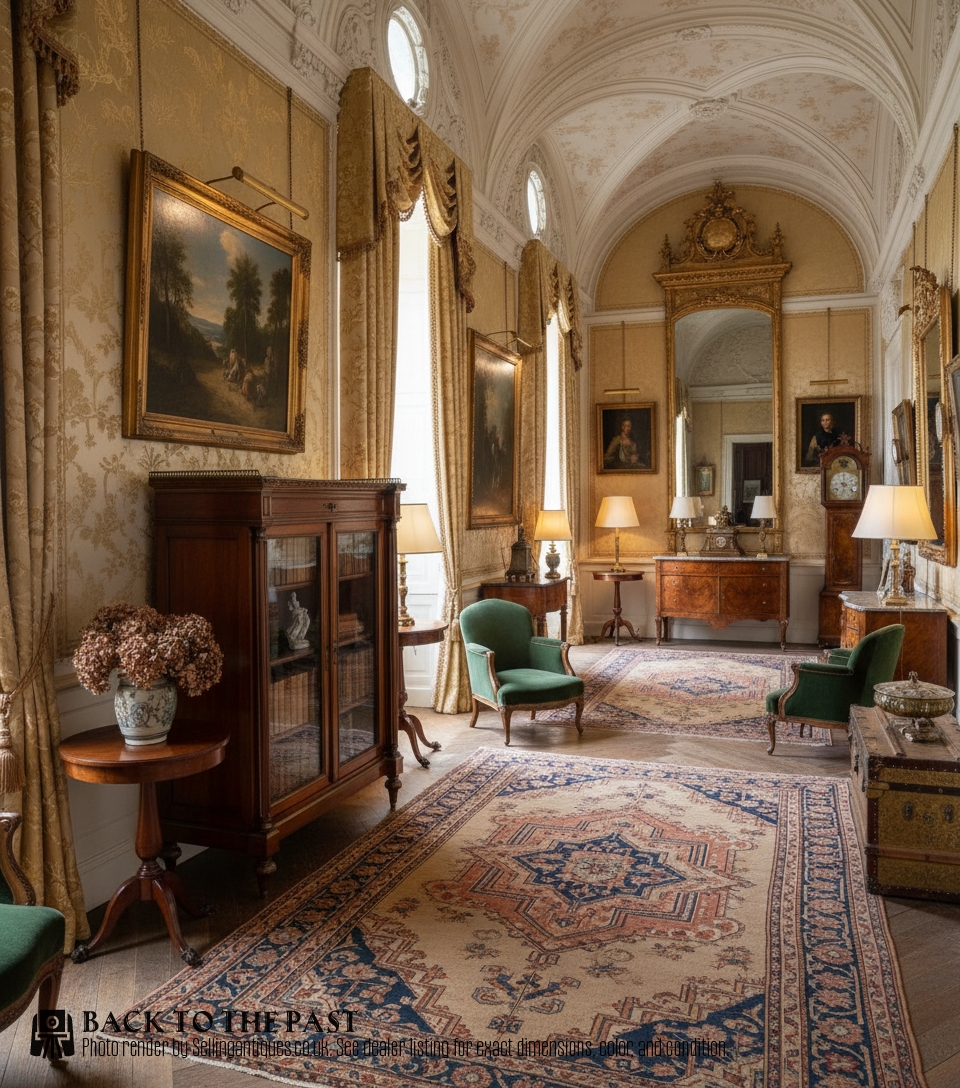
A vitrine requires a stable wall placement away from direct sunlight to protect interior fabrics and timber finishes. Placing the cabinet in a reception room or study maintains its traditional function.
Consider the clearance needed for side-opening or double doors when positioning the piece near other furniture. Adequate lighting nearby helps illuminate the glazed display area.