


Folk Art Bird Carving
These folk art bird carving pieces are hand-carved wooden waterbirds and decoys that bring rustic charm and authentic craftsmanship into a modern interior.
Folk Art Bird Carving
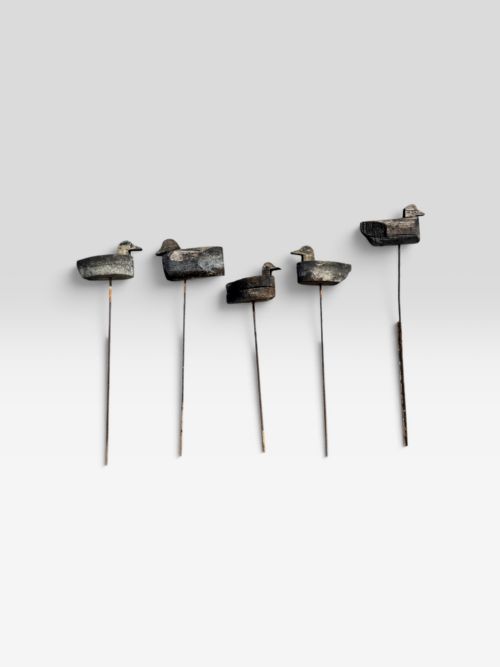
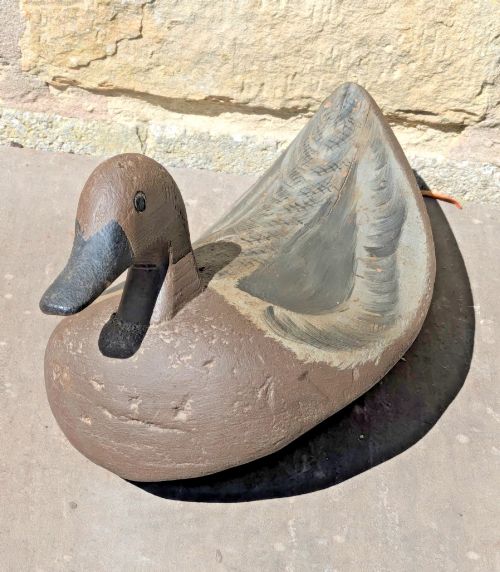
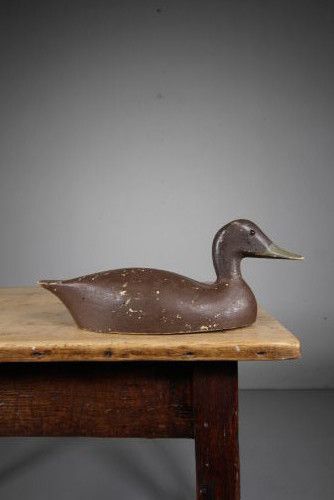
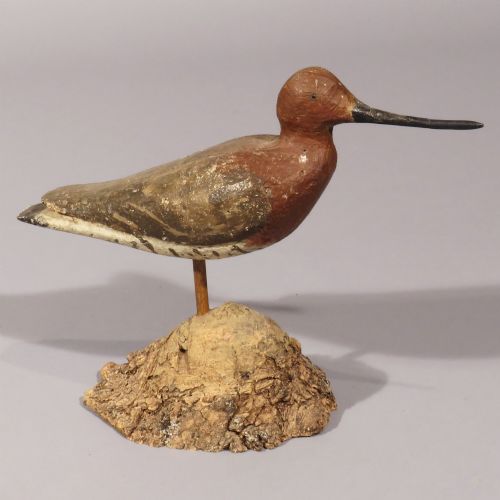
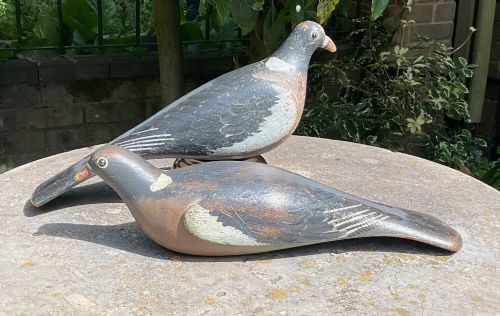
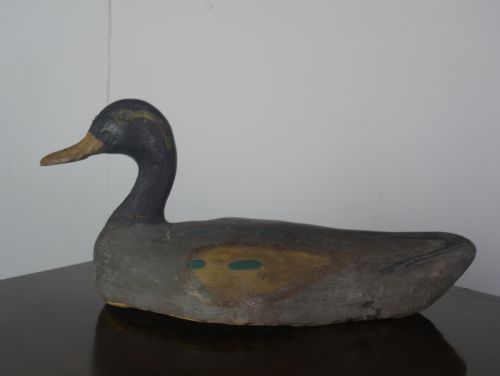
A folk art bird carving represents handmade avian figures created across the nineteenth and early twentieth centuries for practical decoy use or decorative display. These pieces capture the silhouettes of ducks, pigeons, geese, and shorebirds fashioned by makers who understood local wildlife.
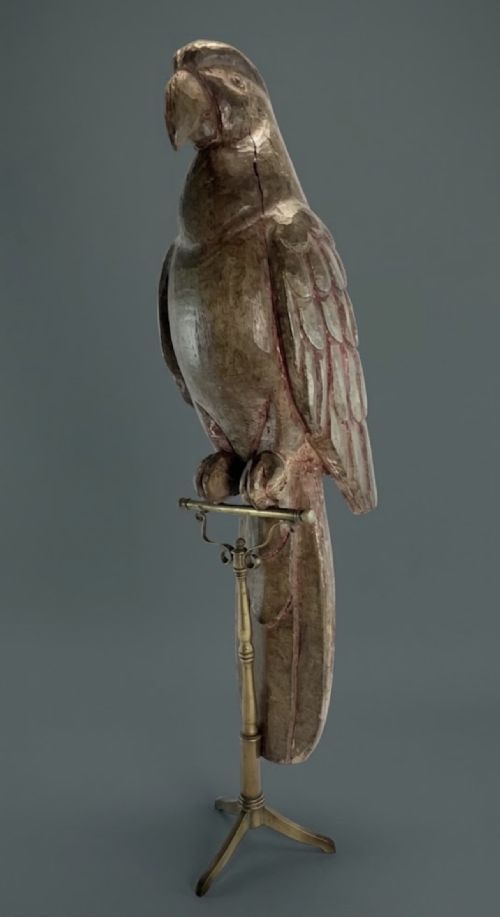
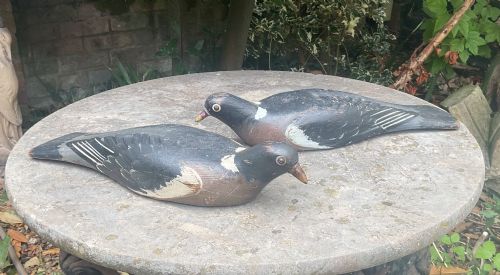
The version most commonly encountered on this page is the wooden decoy duck or pigeon, typically dating from the Victorian era through to the nineteen-thirties. English, Scandinavian, and French examples predominate, alongside occasional carved parrots, herons, and loons.
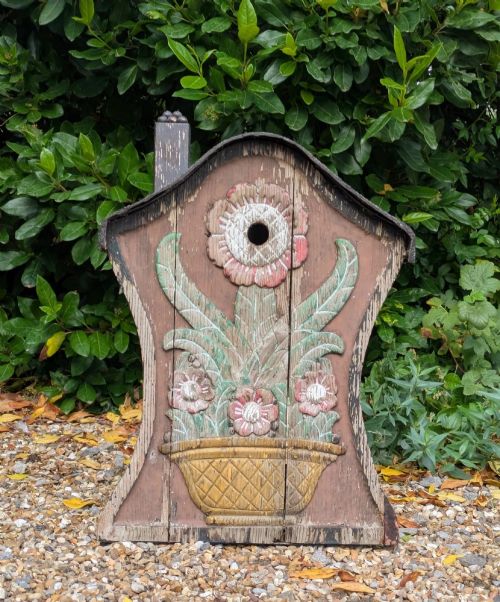
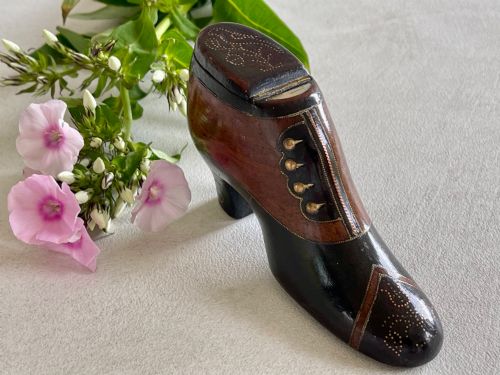
Beyond straightforward decoys, the selection includes specialised forms such as dovecote decoys, snuff boxes carved with birds, and metal weathervanes. Each object bridges utilitarian purpose with vernacular sculpture.
How they were made
Makers shaped these carvings primarily from solid timber such as pine, birch, and regional woods, utilising hand tools to block out the form of the bird. Selected pieces incorporate iron or brass elements for stands, eyes, or mechanical strength.
Surface finish relies on layers of oil paint or simple pigments applied directly to the carved wood, often weathered by exposure to water and weather during their working life. Treen examples demonstrate intricate knife work on small functional items like snuff boxes.
Listings feature items fashioned from wood, pine, metal, glass, and iron, spanning the nineteenth century up to nineteen-thirty.
What varies in quality
Quality rests in the vigour of the carving and the preservation of the original painted surface, where authentic working wear enhances visual depth rather than detracting from the form. Sculptures that capture a convincing posture show a superior eye by the maker.
The integrity of the timber and the honesty of the surface patination distinguish finer examples from later reproductions or heavily restored pieces. Proportion and simplicity of line define the best vernacular works.
The Folk Art Bird Carving Glossary
- Decoy
- A carved and painted bird replica utilised by hunters to attract wildfowl. These working objects form the majority of surviving folk art bird carvings.
- Dovecote
- A structure or shelter for domesticated pigeons, sometimes represented in large decorative decoys designed for country houses.
- Weathervane
- A movable metal or wooden indicator mounted on a roof to show the direction of the wind, occasionally fashioned in bird silhouettes.
- Patina
- The surface sheen and colour developed on wood and paint over decades of handling and exposure. It acts as a primary indicator of age.
Folk Art Bird Carving: Frequently Asked Questions
Are these bird carvings genuine antiques?
The listings span the nineteenth century through to the nineteen-thirties, encompassing Victorian, Edwardian, and early twentieth-century examples.
Each piece reflects the period materials and hand-tool techniques characteristic of those decades.
How were decoy birds originally used?
Makers carved these wooden figures to float on water or sit on shores to attract real wildfowl within range of hunters.
Over time, many transitioned from working tools on lakes and marshes into decorative objects prized for their rustic sculptural qualities.
How should I display a wooden decoy?
These carvings suit placement on bookshelves, sideboards, or mantelpieces where their simple silhouettes can be appreciated up close.
Keep them away from direct heat sources and strong sunlight to protect the historic painted surfaces.
What woods were commonly used?
Makers utilised accessible local timbers such as pine, birch, and various softwoods that proved easy to carve and shape.
Iron brackets, metal stands, and glass details occasionally appear on specific decorative forms like parrots and weathervanes.