




Florentine Wall Mirror
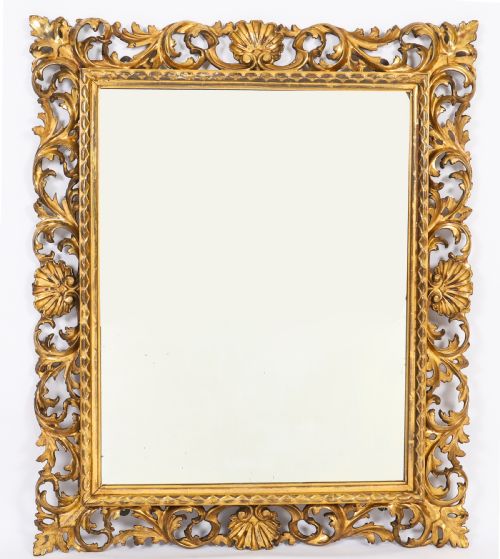
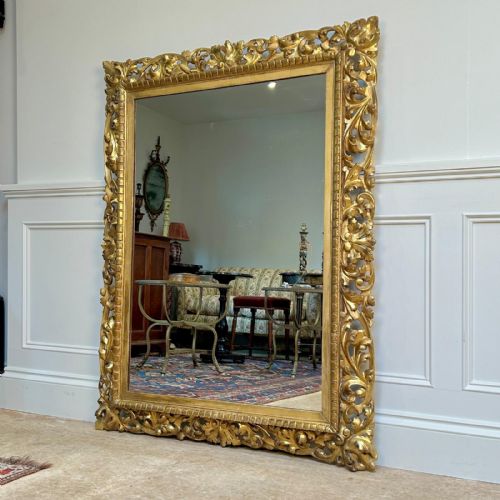
A florentine wall mirror brings dramatic Italian Baroque presence and ornate carved giltwood texture into any room.
Defining the florentine wall mirror
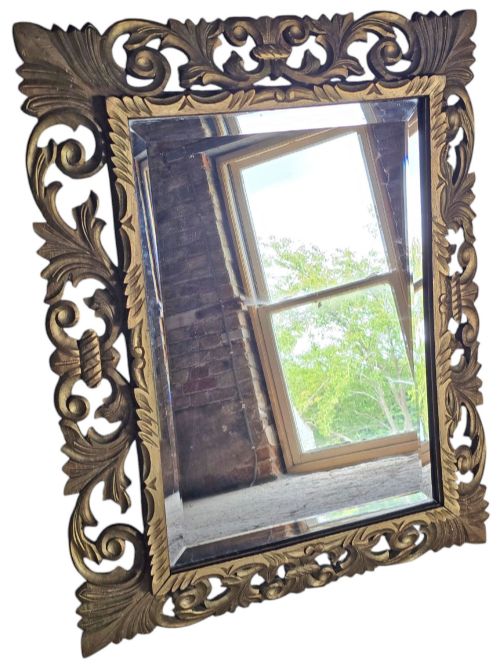
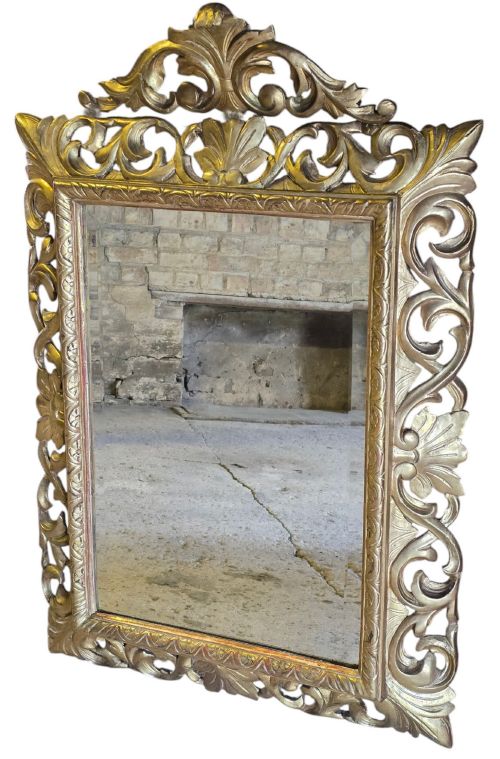
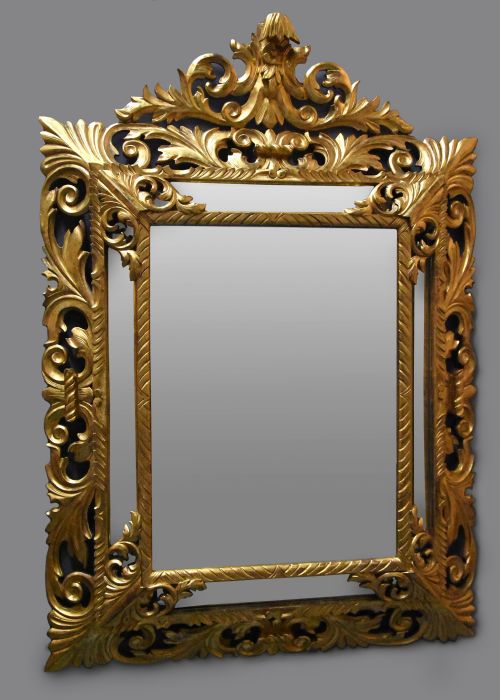
A florentine wall mirror brings together Italian craftsmanship and ornate decorative styling, originating primarily from the nineteenth century in the evidence. Buyers encounter these mirrors in various formats, including rectangular, oval, circular, cartouche-shaped and overmantel designs.
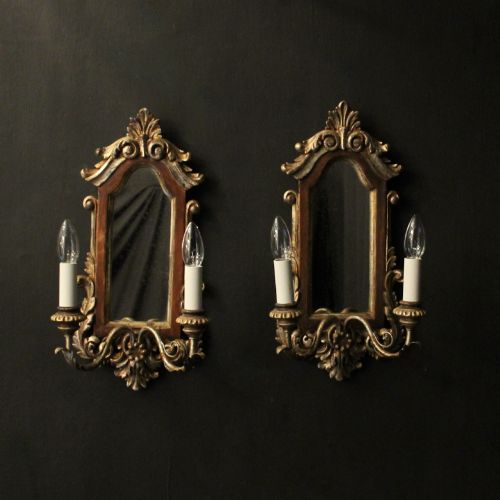
The aesthetic draws heavily on Florentine Rococo and Italian Baroque traditions, often presented as individual pieces or symmetrical pairs. These wall mirrors serve as focal points in interiors, combining historical gravitas with reflective utility.
Materials and construction
Makers fashioned these frames from carved wood, timber, gesso and plaster, applying gold leaf or gilt finish to the exposed surfaces. The resulting giltwood frames surround traditional mirror glass.
Carving defines the structure, with artisans shaping floral, scroll and cartouche motifs directly into the timber or plaster layers before gilding. Padauk appears occasionally as a specific wood choice in the construction.
Retail Price Guide 2026
Typical UK retail prices for florentine wall mirror, calculated from the Sellingantiques database of over a million retail prices indexed since 2003. This retail price guide relies exclusively on Sellingantiques data; no external sources or auction records are used, so the figures do not describe the wider market.
Some nineteenth century carvers hid tiny floral signatures inside the swirling gesso scrolls, rewarding anyone who inspects the frame too closely.
Distinctions in craftsmanship
Depth and precision of the hand carving separate standard frames from superior examples, where undercut scrollwork and crisp floral details show greater sculptural confidence. The quality of the gilding and the preservation of the original gold leaf or gesso layers dictate the visual richness of the surface.
The integrity of the timber frame and the clarity of the original mirror glass contribute to the overall standard of the piece, with matched pairs holding particular significance for collectors.
The Florentine Wall Mirror Glossary
- Giltwood
- Wood that has been covered with a thin layer of gold leaf or gilt powder. This finish creates the characteristic metallic sheen seen on traditional Florentine frames.
- Gesso
- A plaster-like mixture applied to wood surfaces to prepare them for gilding or painting. It provides a smooth base that carvers can shape into fine details.
- Cartouche
- An ornamental frame resembling a scroll or a sheet of paper with rolling edges. These shapes frequently outline the glass in more elaborate Italian wall mirrors.
- Overmantel
- A large mirror designed specifically to hang above a fireplace mantel. These pieces occupy a broader horizontal format than standard wall mirrors.
- Baroque
- An ornate artistic style originating in Italy characterised by dramatic movement and rich detail. This influence appears strongly in the scrolling frames of the period.
Frequently Asked Questions
How do I hang a heavy giltwood mirror safely?
These carved wooden frames carry substantial weight due to the timber and gesso construction. Secure the hanging wire or brackets directly into wall studs using heavy-duty hardware.
Professional mirror hangers can assess the wall structure to ensure the weight distributes evenly without damaging the frame or plaster.
Where should I place a florentine wall mirror?
Position the mirror opposite a window to maximise natural light reflection and brighten the interior space. Overmantel versions suit placement above fireplaces, while smaller ovals fit narrower wall sections.
Ensure the hanging height aligns with eye level for optimal visual impact within the room.
How do I clean the giltwood frame?
Dust the carved surfaces gently using a soft, dry brush to prevent dirt buildup in the intricate recesses. Avoid chemical sprays or moisture, which can damage the delicate gold leaf and gesso layers.
Glass cleaner applied sparingly to a cloth works best for the mirror plate, keeping liquids away from the wooden edges.
What indicates a nineteenth century piece?
Nineteenth century examples typically exhibit hand-carved gesso over timber, showing minor age wear to the underlying gold leaf. Specific stylistic cues include Italian Baroque and Florentine Rococo motifs common to that era.
Examining the reverse of the wood frame often reveals period construction techniques and fixings.