

Floral Porcelain Bowl
A floral porcelain bowl brings hand-painted petals and heritage craftsmanship directly to the table.
Floral Porcelain Bowl
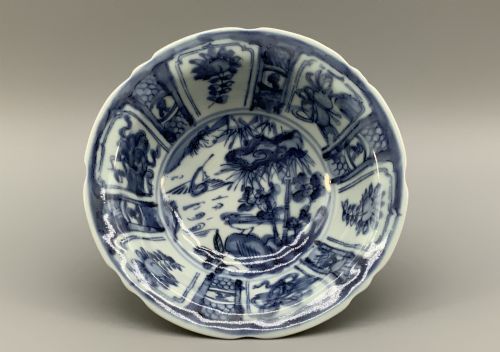
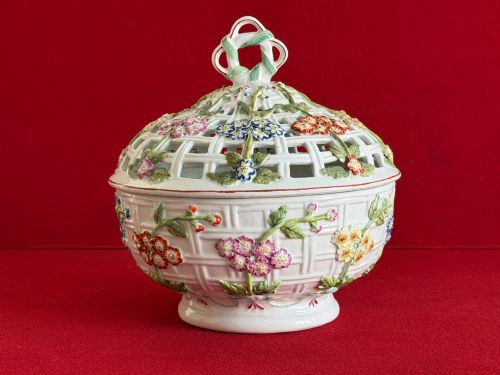
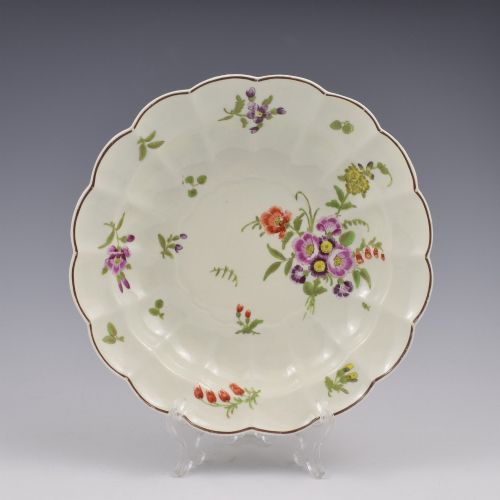
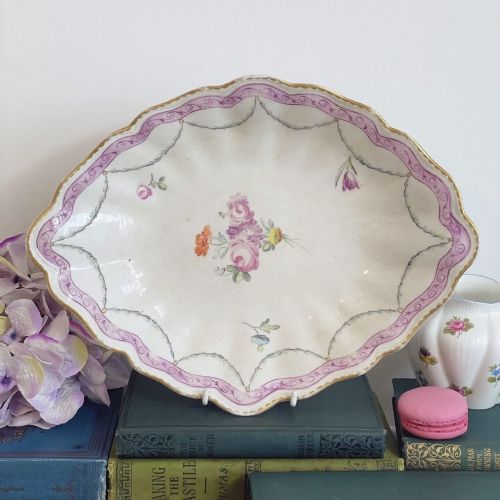
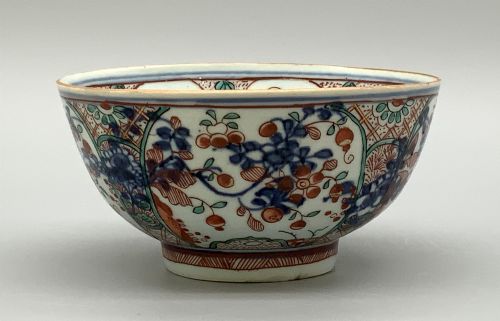
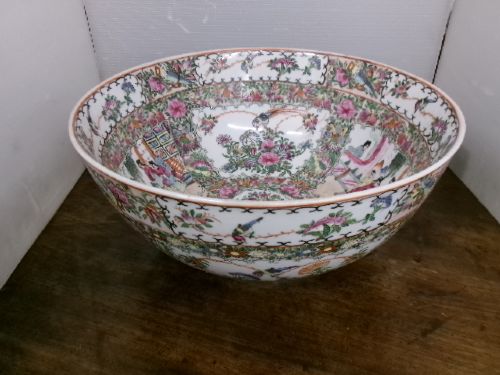
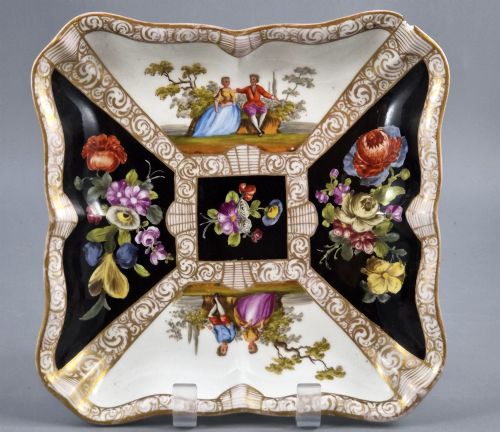
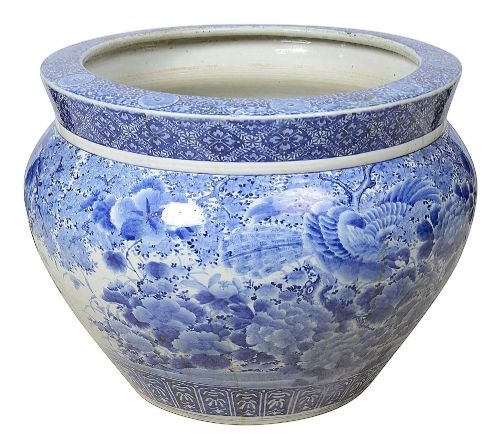
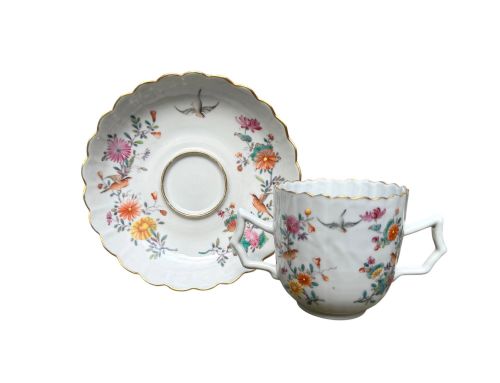
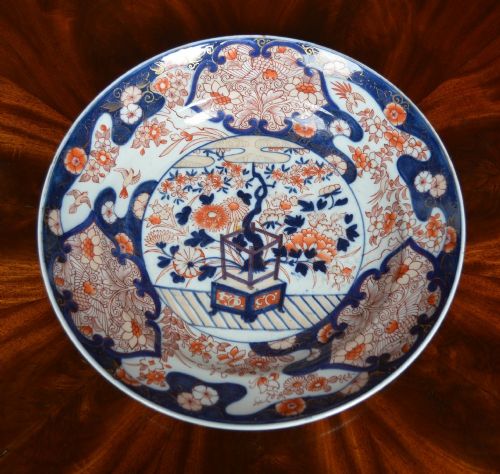
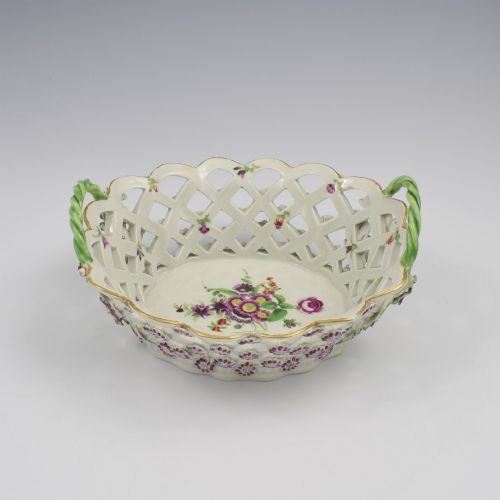
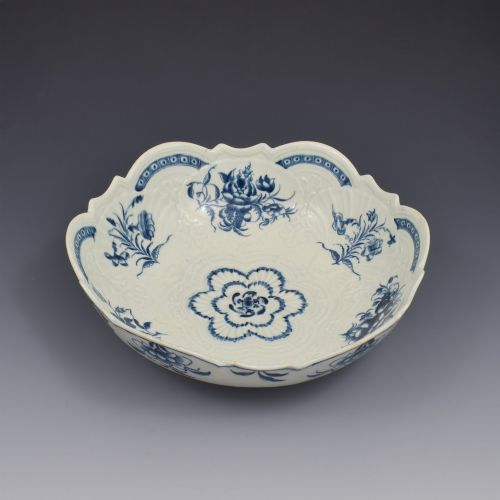
When you search for a floral porcelain bowl, you encounter centuries of decorative vessel production spanning European factories and Japanese kilns. The pieces on this page appear in forms such as lobed dessert bowls, large centrepieces, scalloped display dishes, and tea bowls. The selection encompasses 18th-century English porcelain alongside Meissen, Dresden, and Japanese Imari output from the 19th century.
Makers and factories represented in the records range from early English concerns like Worcester and Derby to continental houses such as Meissen, Dresden, and Royal Vienna. Japanese Imari and Satsuma pieces from the Meiji period also feature prominently among the round, oval, and multi-sided vessels. Buyers find items intended originally for dining, display, or the dressing table.
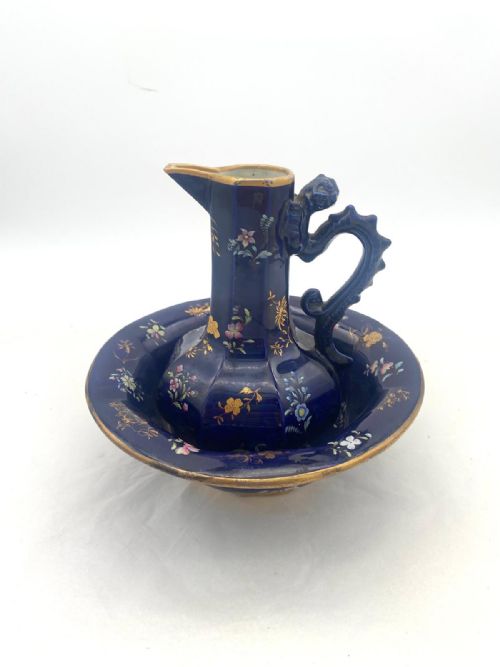
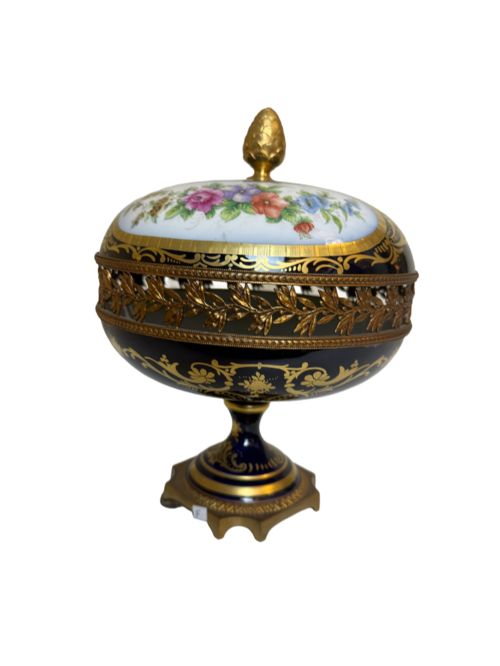
Dating ranges from the Georgian era through Victorian, Edwardian, and early twentieth-century periods. Forms include footed bowls, lidded potpourri jars, and open baskets with pierced or woven details. Each era brings distinct palette choices, from cobalt blue underglaze work to polychrome enamel painting enriched with gold leaf.
Materials and technique
Potters shaped these vessels using ceramic pastes and hard-paste or soft-paste porcelain bodies, sometimes reinforced with ironstone or felspar. Artisans applied cobalt blue underglaze pigments before firing, or added polychrome enamels and gilding over the glaze in subsequent kiln runs. Hand-painting remains a dominant method for applying the floral motifs across both European and Asian examples.
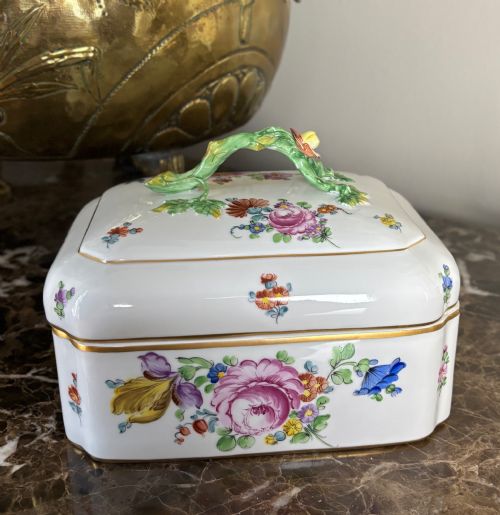
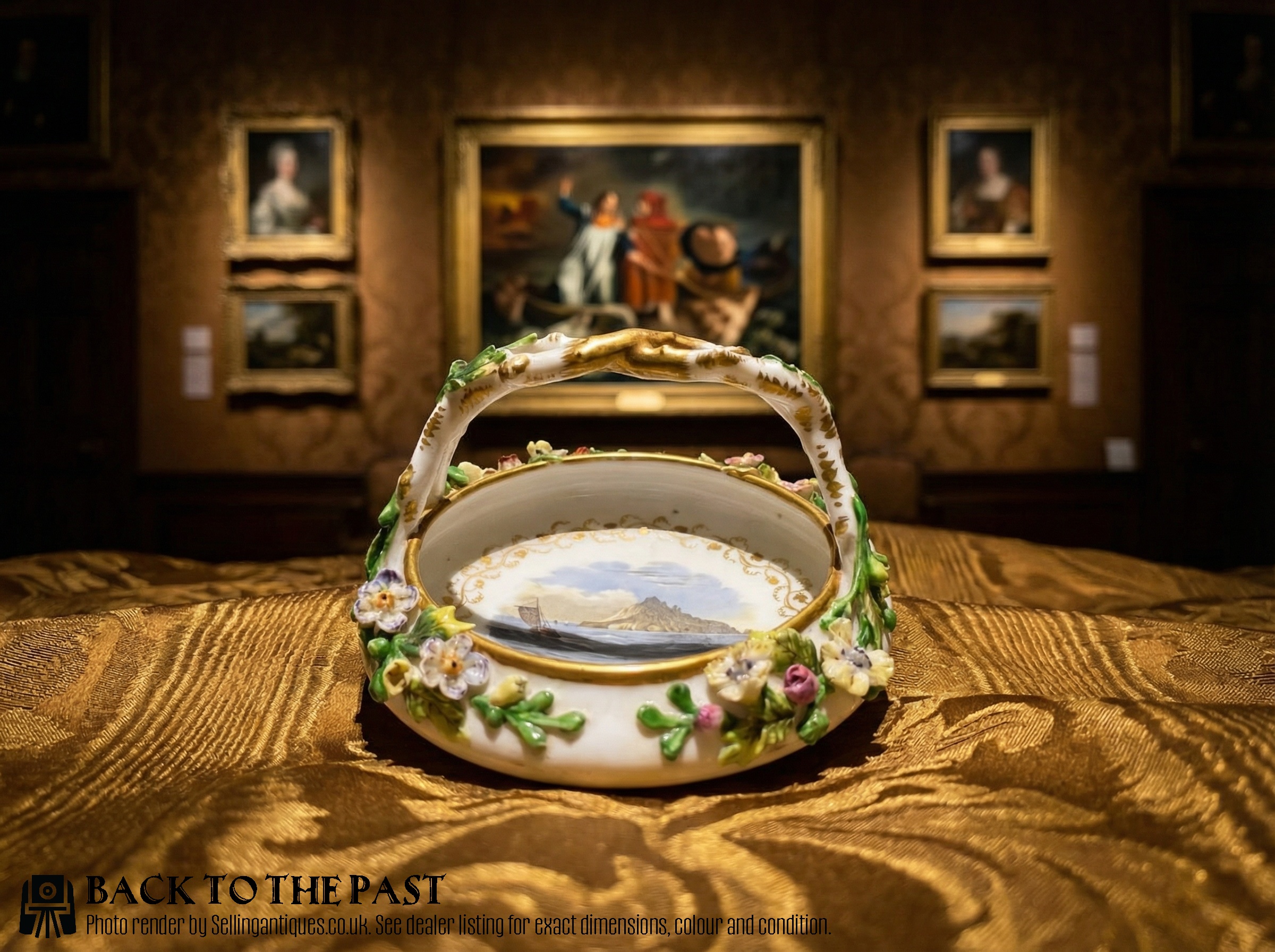
Surface elaboration frequently involves moulded details such as scallop edges, feather moulding, and applied porcelain flowers. Guilds and factories utilised gold leaf and fine gilding to accent rims, handles, and foot rings. Glaze application varies from clear high-gloss finishes to rich coloured grounds in black, cobalt, or white.
Materials recorded across the inventory include hard-paste porcelain, enamel, gold leaf, earthenware, and cobalt blue glaze.
Assessing quality
Quality in these pieces rests upon the crispness of the hand-painting and the delicacy of the porcelain body. Superior examples display finely rendered polychrome or blue-and-white floral motifs executed by skilled decorators rather than stencilled transfers. The precision of moulded elements, such as scalloped rims or applied floral details, separates standard production from finer cabinet pieces.
The sophistication of the gilding and the purity of the glaze also mark the grade of an item. Superior vessels retain bright, intact gold leaf and smooth, even glaze surfaces without excessive firing blemishes. Maker marks and factory signatures provide further indication of origin and standard.
Dr Wall Worcester·Meissen·Dresden·Royal Doulton·Royal Vienna·Spode·Masons·Paul Müller Selb
The Floral Porcelain Bowl Glossary
- Imari
- A style of Japanese porcelain featuring a palette of underglaze blue, iron red, and gold. This decorative approach became widely exported to Europe during the Edo and Meiji periods.
- Hard-paste porcelain
- A dense ceramic material composed of kaolin and petuntse fired at high temperatures. European factories like Meissen adopted this formula to produce durable white vessels.
- Soft-paste porcelain
- An artificial porcelain body using glass frit and white clay, fired at lower temperatures than hard-paste. 18th-century English works by Worcester and Derby frequently utilised this composition.
- Junket dish
- A shallow bowl traditionally used for serving soft curd or cream desserts. These pieces often feature fluted or scalloped edges suited to the dining table.
- Polychrome
- Decoration employing multiple distinct enamel colours applied over the glaze. This technique allowed artists to render naturalistic floral sprays in varied hues.
Floral Porcelain Bowl: Frequently Asked Questions
What is an Imari floral bowl?
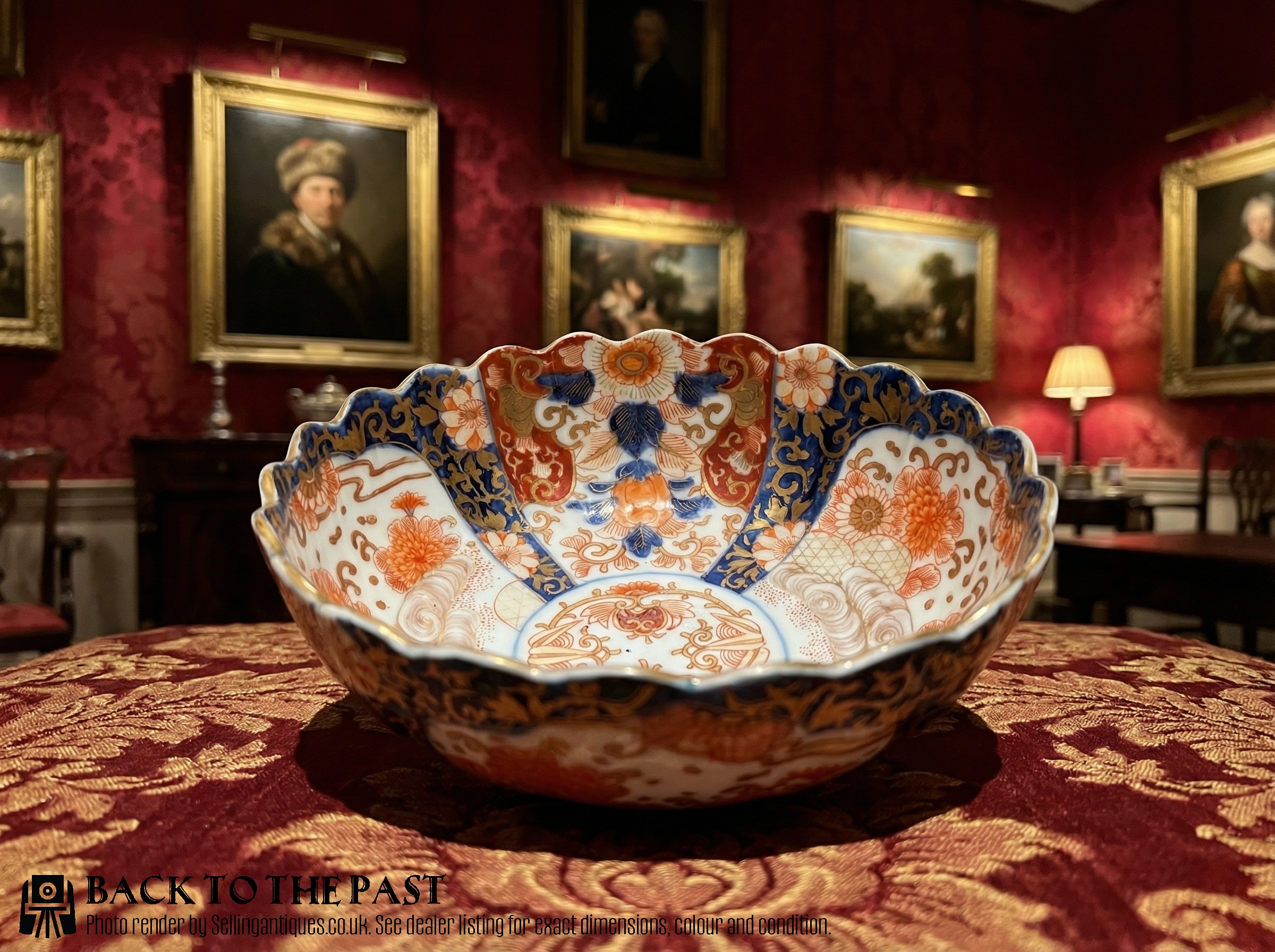
An Imari floral bowl is a Japanese porcelain vessel decorated with traditional plant and flower motifs, typically utilising iron red, cobalt blue, and gilding. These pieces were produced in large quantities for export during the 19th century.
Such bowls often feature scalloped edges and detailed panel designs surrounding central floral arrangements. They served as decorative display items in European and American interiors.
How do I identify 18th-century Worcester porcelain?
Eighteenth-century Worcester porcelain can be identified through body characteristics such as greenish tinges in the translucent paste and hand-painted blue-and-white or polychrome floral patterns. Early pieces frequently carry crescent or workman marks on the underside.
Form types include lobed dessert bowls, junket dishes, and chestnut baskets with openwork lattice. The painting style on these items tends to show fluid brushwork depicting naturalistic blooms.
Were these bowls used for dining?
Many of these porcelain vessels served practical functions on the dining table for holding fruit, sauces, sweetmeats, or sugar. Others were designed as cabinet pieces or centrepieces intended purely for display.
Heavily gilded or delicate footed bowls were generally reserved for drawing rooms and formal presentation. Simpler glazed earthenware and ironstone versions saw more robust everyday service.
How do I care for antique porcelain?
Antique porcelain requires gentle hand washing in lukewarm water using mild detergent when cleaning is necessary. Dishwashers and harsh abrasive sponges must be avoided to protect hand-painted enamels and delicate gilt highlights.
Displaying pieces away from direct sunlight and unstable edges prevents fading and accidental damage. Items with applied porcelain flowers need particularly careful handling during dusting.