

Floral Art Pottery
Floral art pottery brings together botanical motifs and ceramic skill across periods from the nineteenth century to the twentieth.
Floral Art Pottery
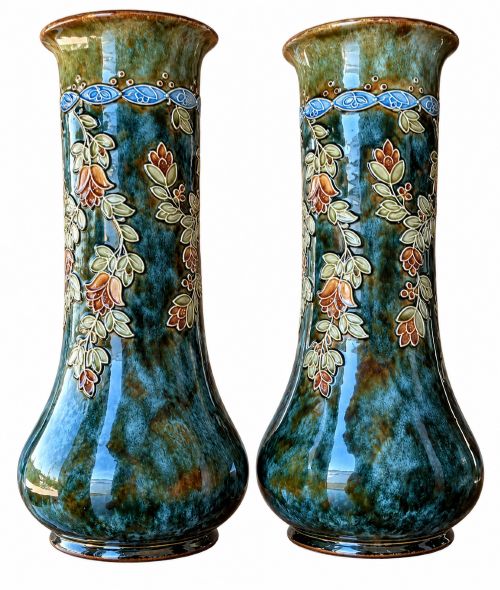
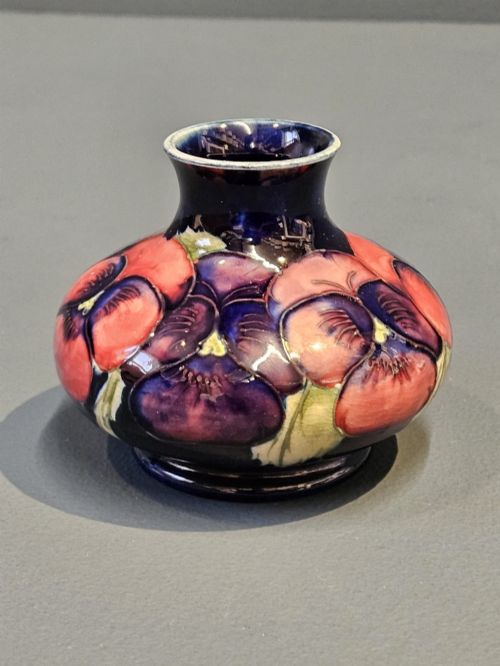
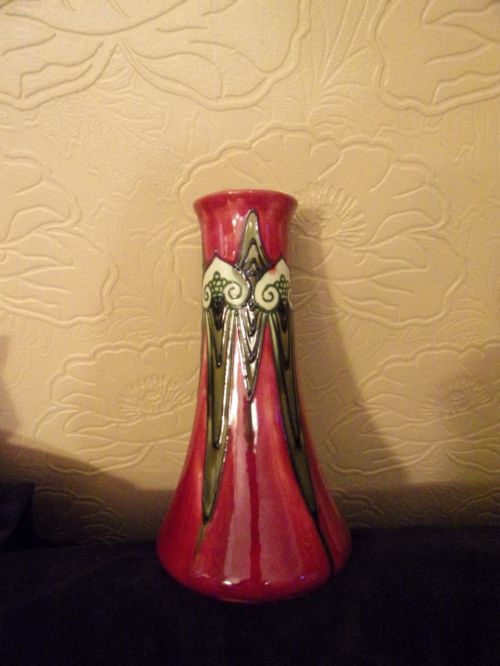
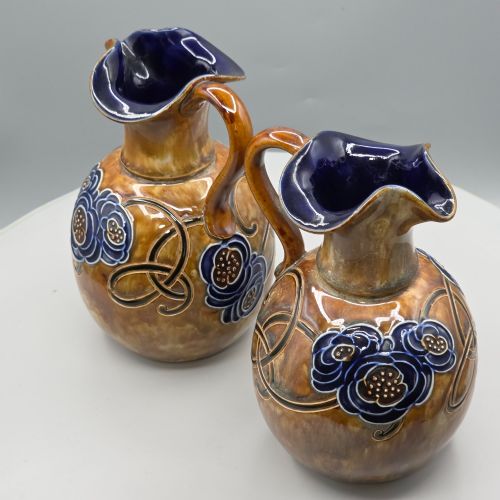
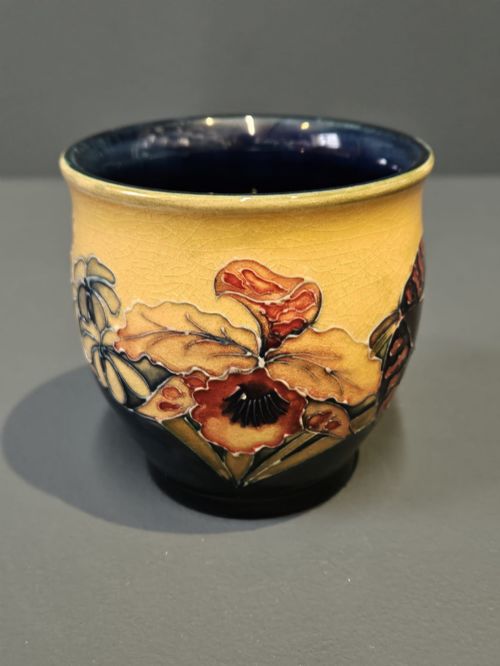
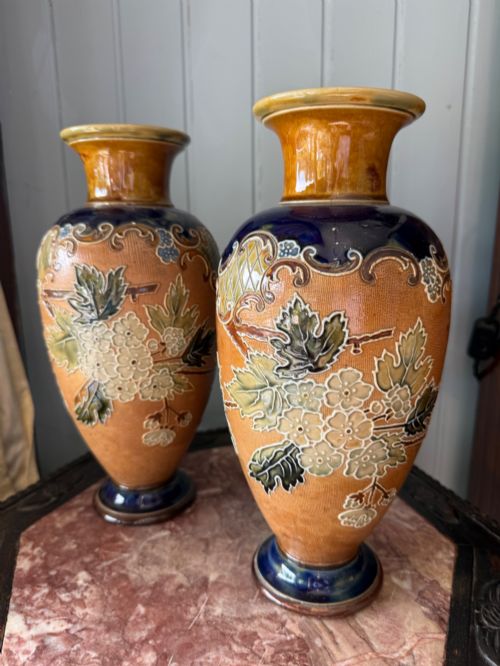
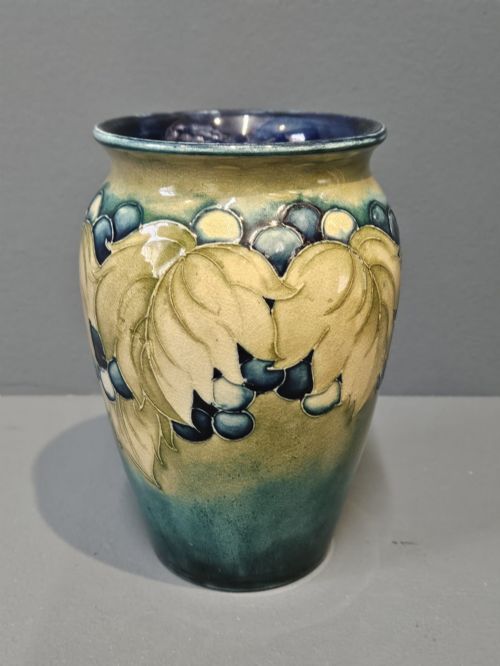
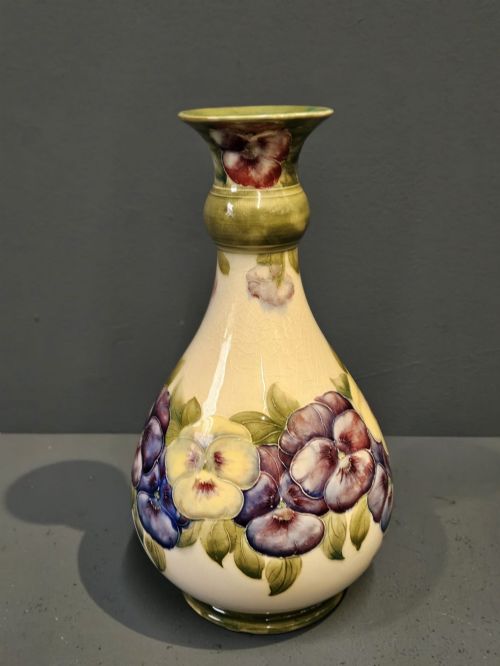
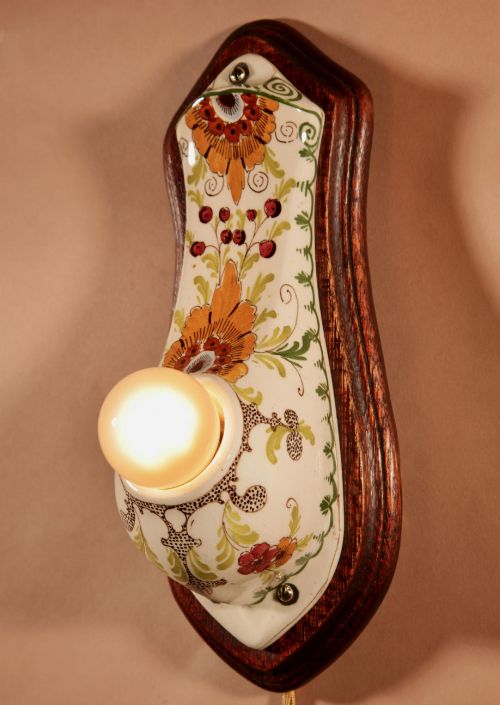
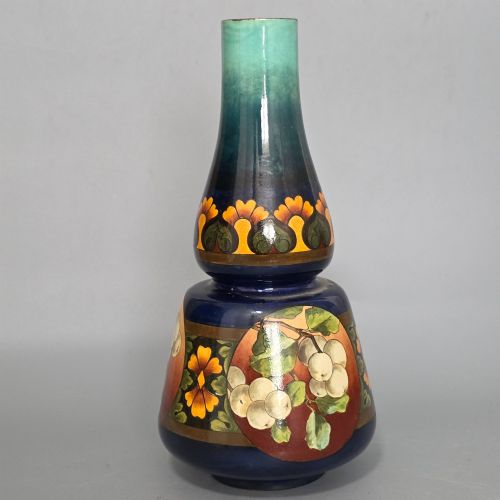
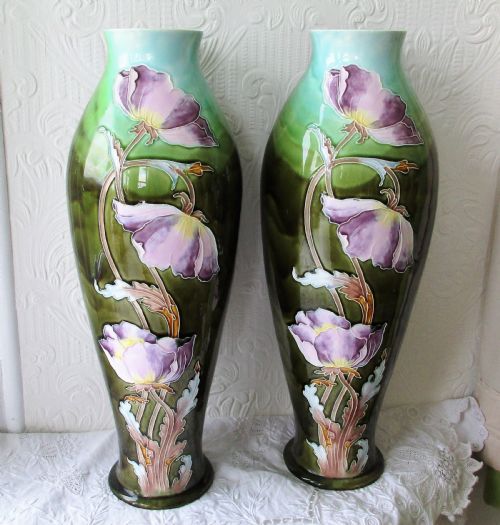
Floral art pottery comprises ceramic vessels and decorative objects adorned with plant, leaf, and flower patterns. When searching for floral art pottery, buyers encounter items ranging from Victorian earthenware jugs to Art Nouveau stoneware vases.
The selections span the late nineteenth century through the 1930s, encompassing styles such as Arts and Crafts, Art Deco, and Edwardian design. Vases, jardinieres, and decorative bowls form the core of the available pieces.
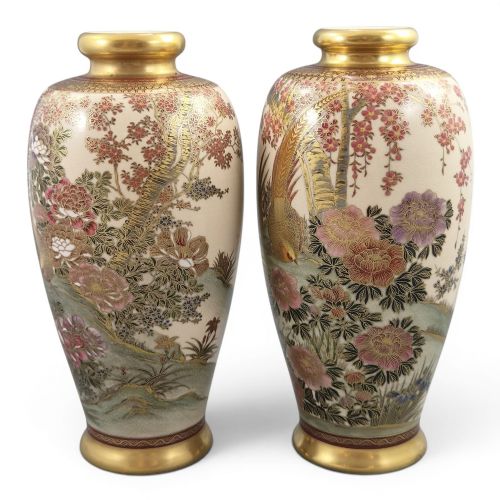
Works originate from British potteries, European factories, and Japanese kilns, showing diverse regional interpretations of floral ornamentation.
Materials and methods
Makers utilised earthenware, stoneware, and ceramic bodies as the foundation for their designs. Glazes, enamel, and gold leaf were applied to add colour and surface texture to the fired clay.
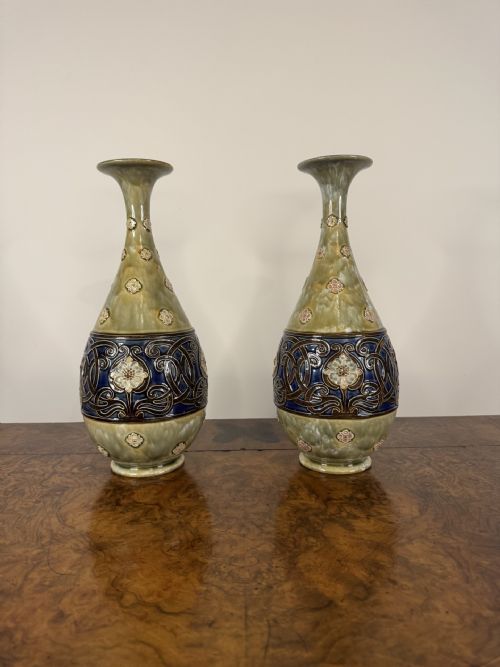
Techniques included tube lining, where raised clay lines outline botanical patterns before glazing, and impasto painting for thick, textured floral details. Faience and majolica methods also provided varied surfaces for botanical painting.
Sunflowers, pansies, and tulips dominate the botanical subjects, ensuring a perpetual indoor garden regardless of the season.
Assessing quality
The standard of a piece rests on the crispness of the modelled or painted botanical detail and the control of the glaze during firing. Pieces designed by named artists or produced in specific factory studios display finer hand-finishing.
Balance in form and depth of colour separate standard production items from exceptional studio pieces. The integration of the floral motif with the shape of the ceramic vessel dictates overall design success.
Royal Doulton·Moorcroft·Minton·Wileman·Burmantofts·Maling
The Floral Art Pottery Glossary
- Tube lining
- A ceramic decoration technique where liquid clay is squeezed through a nozzle to form raised outlines of a design. This creates cells that hold different coloured glazes.
- Stoneware
- A hard, vitreous ceramic fired at high temperatures until non-porous. It accepts salt and coloured glazes well, making it durable for decorative vases.
- Faience
- Tin-glazed earthenware painted with coloured designs before a second firing. It provides a smooth white background suitable for detailed botanical art.
- Majolica
- A type of pottery glazed with an opaque tin-opacified glaze and painted with metallic oxide colours. It yields vibrant greens, yellows, and browns ideal for plant motifs.
- Jardiniere
- A large ornamental ceramic pot designed to hold a live plant or flower arrangement. These pieces often feature prominent floral reliefs or painted friezes.
Floral Art Pottery: Frequently Asked Questions
How do I identify Art Nouveau floral art pottery?
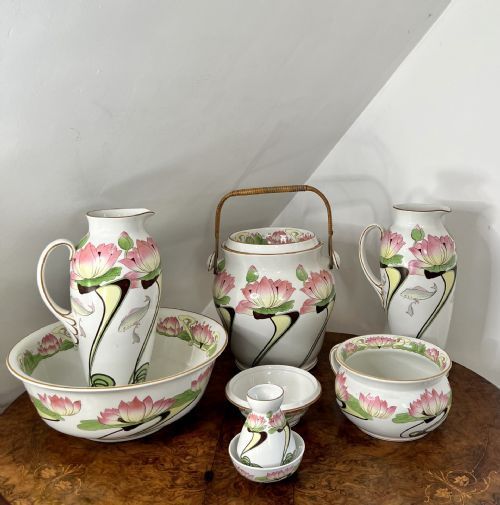
Art Nouveau pieces feature flowing, asymmetrical lines inspired by stems, seed pods, and petals. Look for stylised botanical motifs combined with organic, curving ceramic forms.
The colour palette often relies on muted greens, blues, and celadon tones typical of the late Victorian and Edwardian eras.
What is tube lined pottery?
Tube lining involves squeezing a fine trail of liquid clay onto the surface of an unglazed pot to map out the floral design. Artisans then fill the resulting compartments with coloured glazes before firing.
This method leaves a raised, tactile outline that defines petals and leaves clearly.
Where were these ceramics made?
Production centres were concentrated in British pottery towns like Lambeth and Stoke-on-Trent, alongside European factories in Austria, Germany, and France. Japanese kilns also exported floral wares during the late nineteenth and early twentieth centuries.
Each region brought distinct clay bodies and glazing traditions to botanical decoration.
How should I display floral art pottery?
Display these pieces in spaces with stable lighting and away from direct heat to protect the historical glazes and earthenware bodies. Grouping items by period or colour highlights their shared botanical themes.
Ensure shelves are sturdy, as stoneware and ceramic vessels can be heavy.