
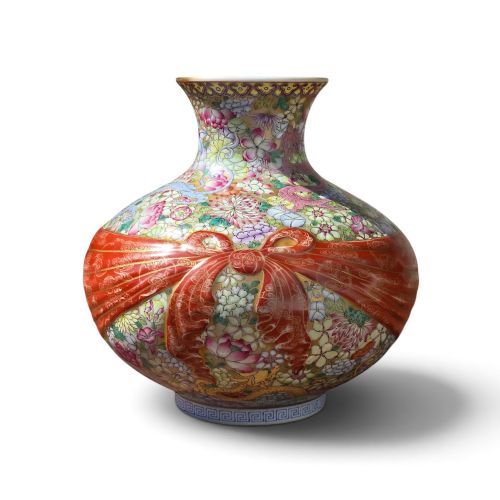
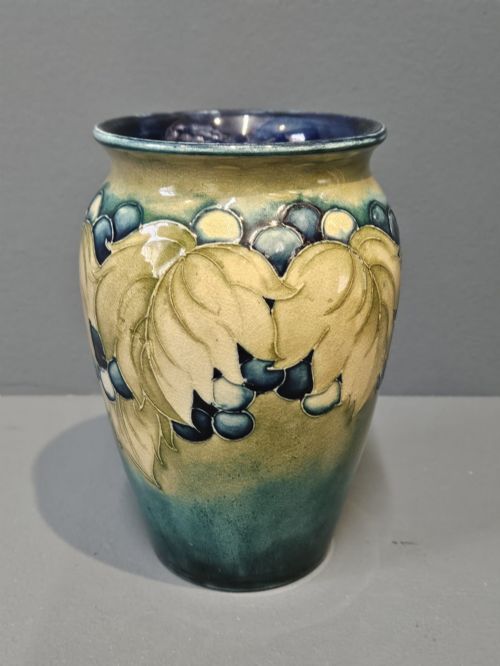
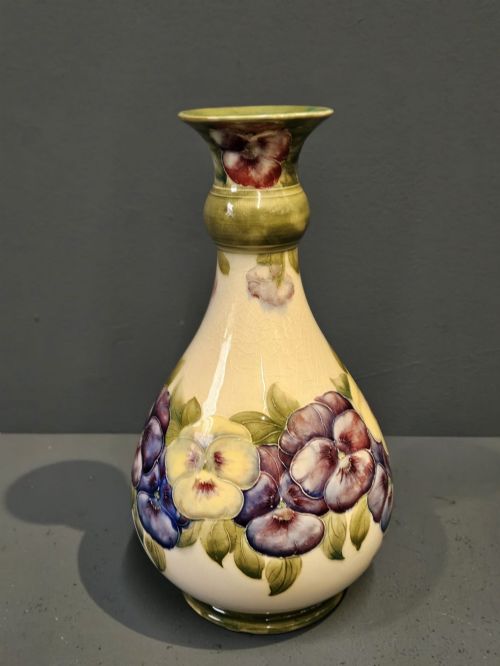
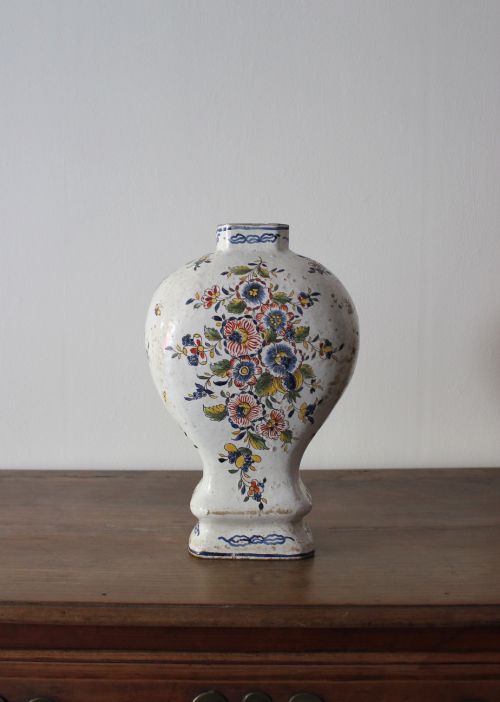
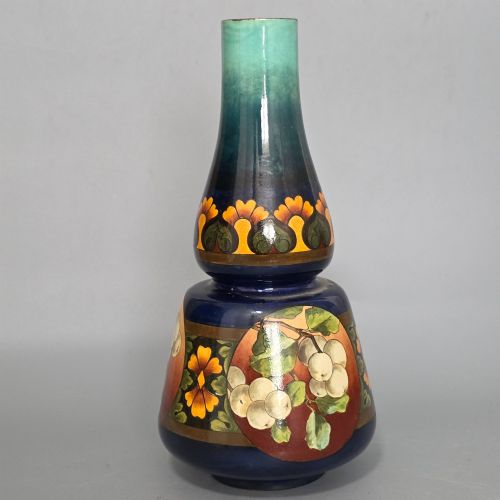
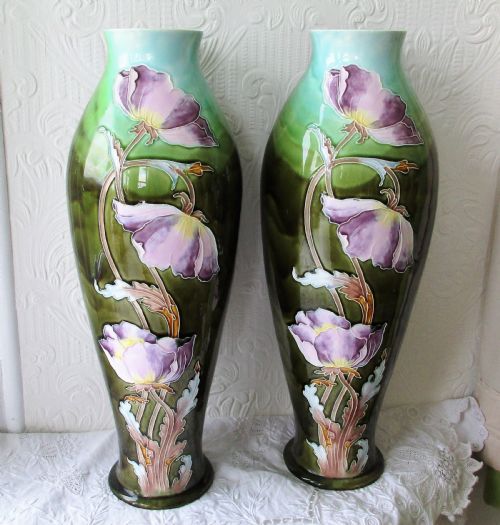
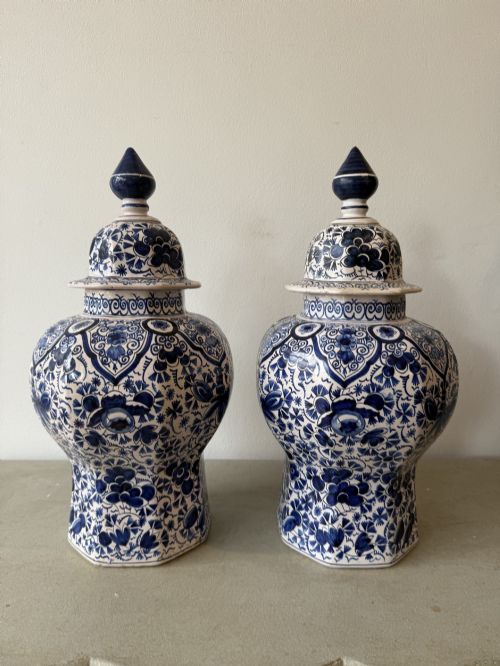
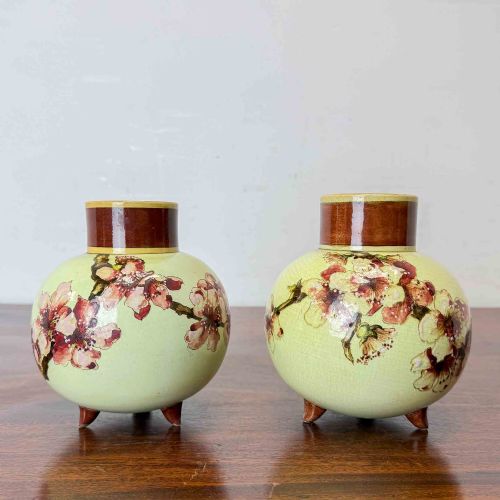
Floral Glazed Pottery Vase
These floral glazed pottery vase examples span centuries of ceramic artistry, bringing distinct botanical motifs and studio glazes straight into your collection.
Floral Glazed Pottery Vase
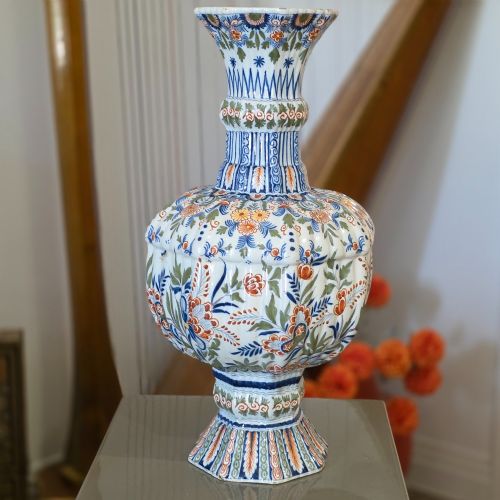
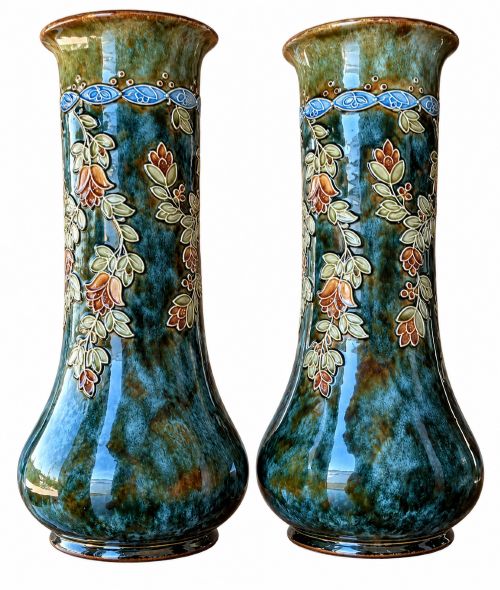
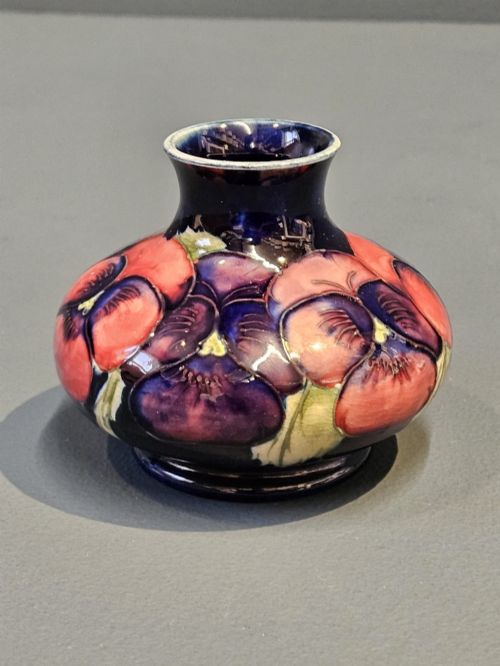
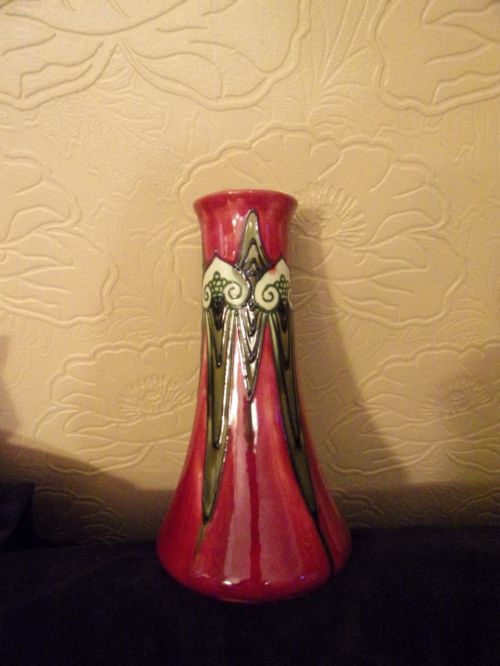
A floral glazed pottery vase brings together botanical motifs and ceramic skill across periods ranging from the eighteenth century to the early twentieth century. Buyers searching this phrase encounter diverse forms including baluster vessels, lidded jars, jugs, and large centrepiece bowls.
The selections available here lean heavily into British studio pottery and continental workshops, with significant representation from Victorian and Edwardian makers. Art Nouveau and Arts and Crafts designs dominate the forms, alongside earlier Delftware and continental faience traditions.
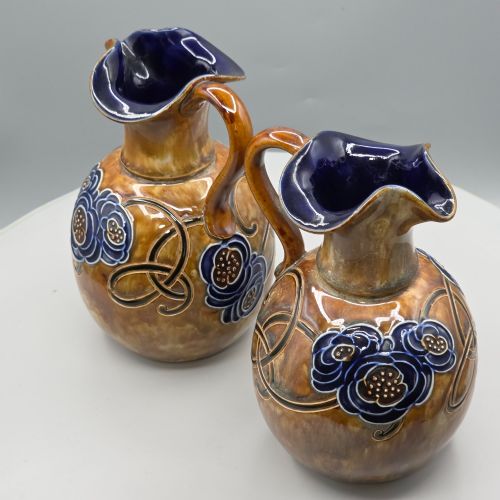
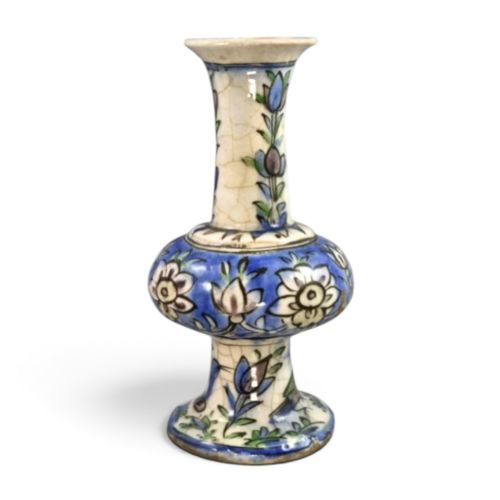
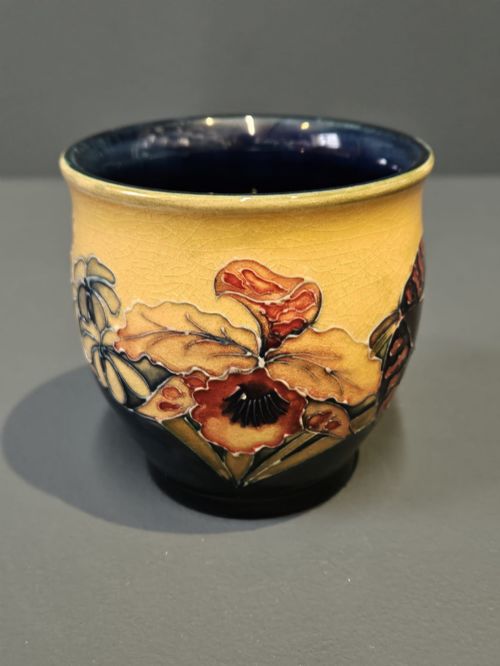
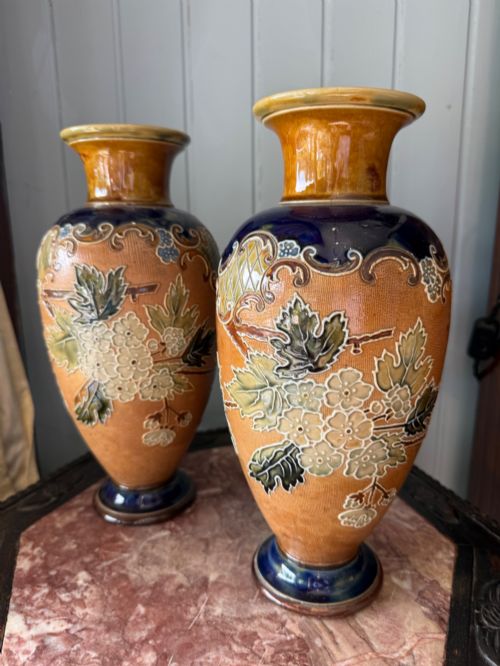
Moorcroft, Royal Doulton Lambeth, and Minton Secessionist pieces appear frequently, showcasing tube-lined floral patterns and rich polychrome finishes. Collectors also find Japanese Satsuma and Kutani wares, Persian ceramics, and Chinese export pieces featuring intricate floral programmes.
Materials and Techniques
Potters relied on earthenware, stoneware, and ceramic bodies, shaping them into robust vessels before applying tin glazes, enamel, or specialised studio glazes. Many works utilise tube-lining, a technique where clay slip is piped onto the surface to create raised outlines that contain subsequent pools of coloured glaze.
Decorators achieved complex floral surfaces through hand-painting underglaze colours, salt-glazing, and adding gold leaf highlights on selected earthenware and stoneware bodies. Firing methods varied from traditional delft kilns to advanced industrial kilns that accommodated intricate faience and majolica pigments.
Victorian decorators occasionally signed their floral masterpieces so secretly that finding the tiny monogram feels like a treasure hunt.
Assessing the Workmanship
The distinction between standard commercial output and superior studio work lies in the precision of the hand-painted decoration and the depth of the glaze. Master decorators working for established potteries achieved subtle colour gradients and crisp botanical details that lesser productions lack.
Structural harmony also dictates quality, particularly in how the floral pattern interacts with the thrown or moulded contours of the vase. Well-executed pieces display balanced symmetry in pairs and a clean integration of glaze application without pooling or unwanted running.
Royal Doulton Lambeth·William Moorcroft·Minton Secessionist·Burmantofts Faience·Ulisse Cantagalli
The Floral Glazed Pottery Vase Glossary
- Faience
- Tin-glazed earthenware produced in France, England, and other European regions, often featuring hand-painted floral decoration.
- Tube-lined
- A ceramic decoration method where liquid clay is squeezed through a nozzle onto a vessel to form raised outlines for colourful glazes.
- Baluster
- A vertical architectural form resembling a pillar, characterised by a rounded lower body that tapers towards a narrow neck.
- Majolica
- Heavy earthenware coated with an opaque white tin glaze and painted with metallic oxide colours, popular during the nineteenth century.
- Delftware
- Tin-glazed earthenware originating in the Netherlands, traditionally decorated with blue and white botanical or landscape motifs.
Floral Glazed Pottery Vase: Frequently Asked Questions
How do I date a floral glazed pottery vase?
Dating relies primarily on factory marks, impressed stamps, and stylistic markers such as Art Nouveau curves or Arts and Crafts simplicity. Examining the base often reveals cipher marks or artist monograms that link the piece to specific production years.
Changes in glaze chemistry and manufacturing techniques also provide clues, as nineteenth-century earthenwares differ visibly from earlier Delft pieces or later twentieth-century studio pottery.
Were these vases meant for display or daily use?
Most of these vessels were created as decorative cabinet pieces or centrepieces rather than functional flower holders. Their delicate glazes and historical value mean modern collectors generally exhibit them empty.
Larger stoneware jugs and sturdy earthenware jars from the Victorian era were occasionally put to practical domestic use before entering collections as display items.
How should I clean a vintage ceramic vase?
Dusting gently with a soft, dry cloth is usually sufficient for maintaining glazed pottery surfaces. Avoid submerging older earthenware or pieces with exposed clay bodies in water.
Harsh chemical cleaners and abrasive sponges will permanently damage delicate enamels, gold leaf, and historical tin glazes.