


Fireplace Fire Dogs
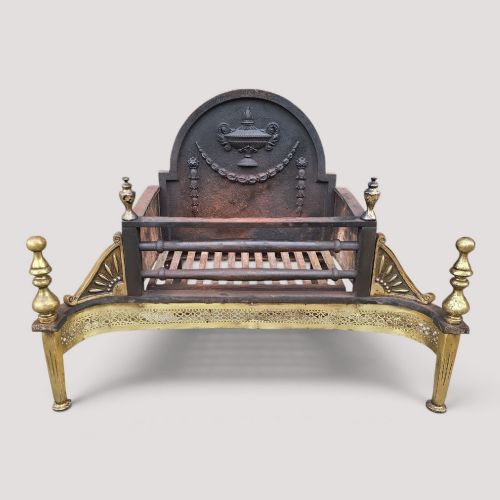
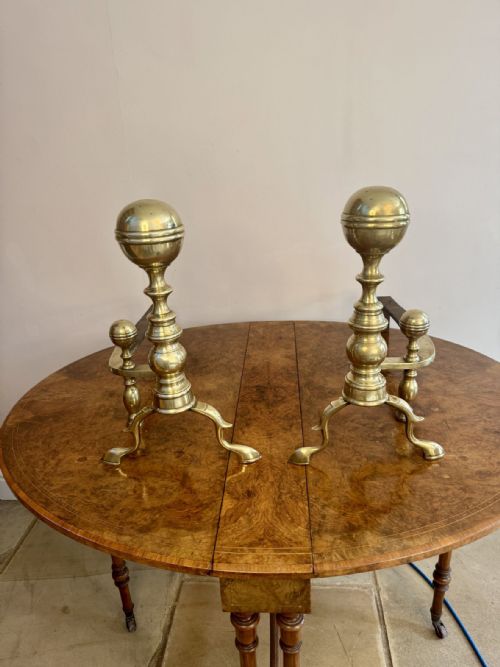
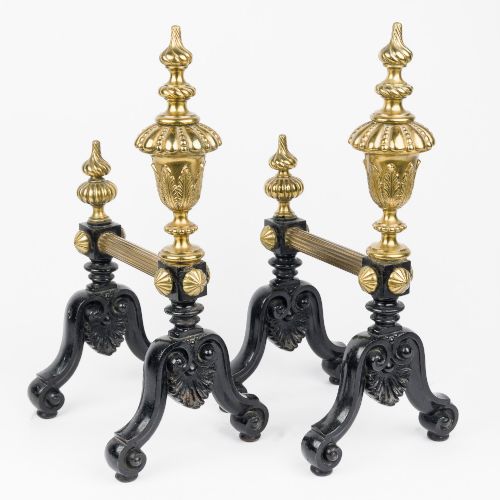
These fireplace fire dogs support wood or coal within an open hearth while adding sculptural presence to a room.
Fireplace Fire Dogs
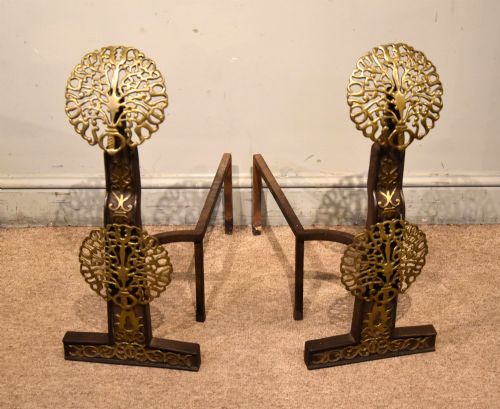
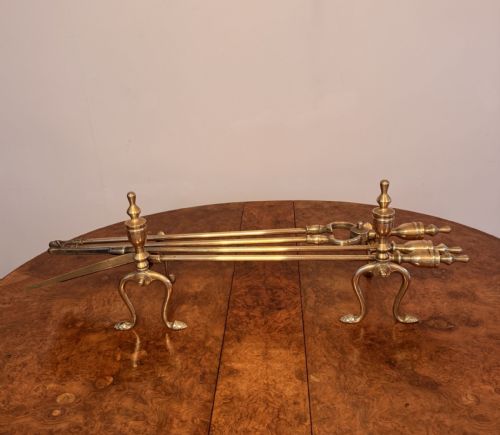
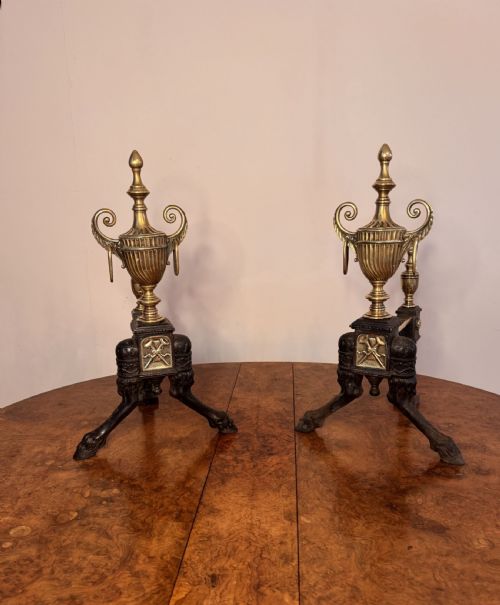
When you search for fireplace fire dogs, you are examining heavy supports placed inside an open hearth to keep logs elevated for better air circulation and burning. These utilitarian hearth furnishings take multiple forms, ranging from simple iron bars to decorative vertical standards designed to match fire grates and fenders.
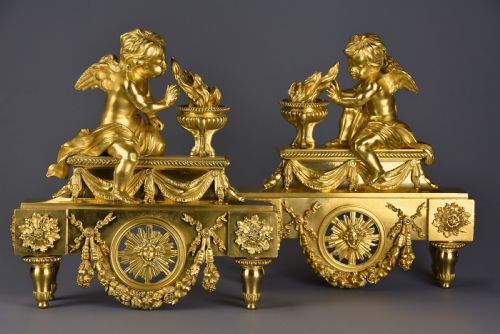
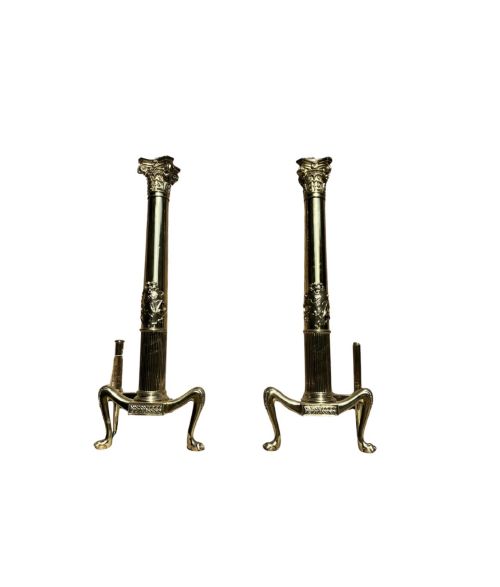
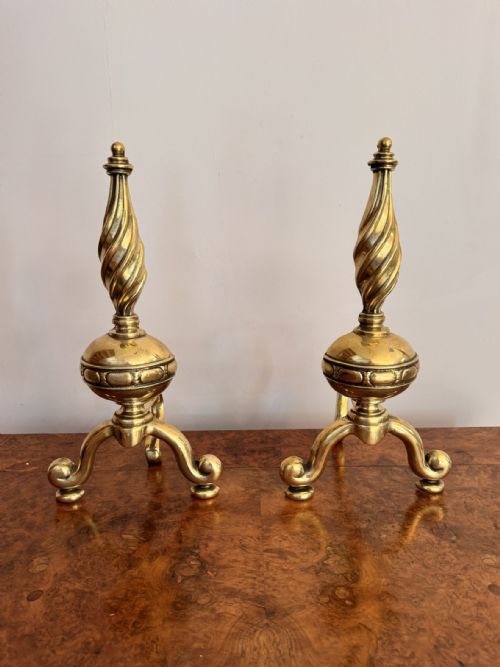
The versions you are most likely to meet on this page date from the nineteenth century, including Victorian brass examples and French styles such as Rococo and Empire. Earlier iterations draw on Gothic Revival, Renaissance, and seventeenth-century design vocabularies.
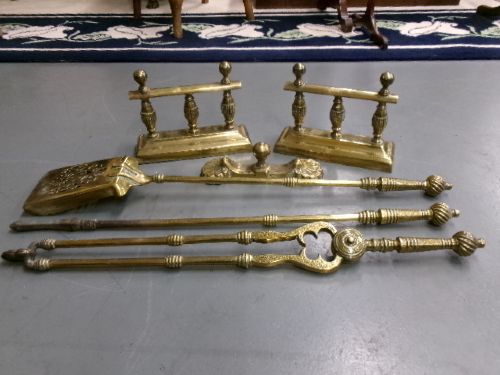
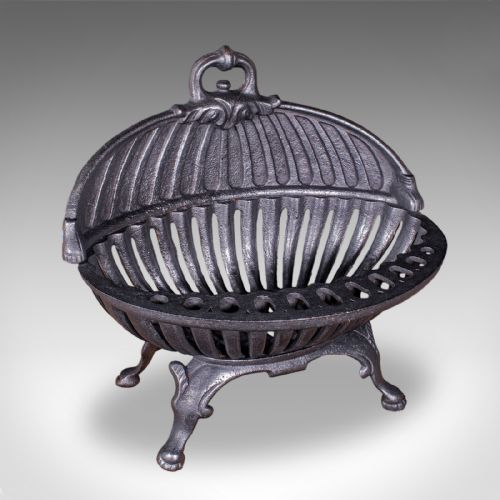
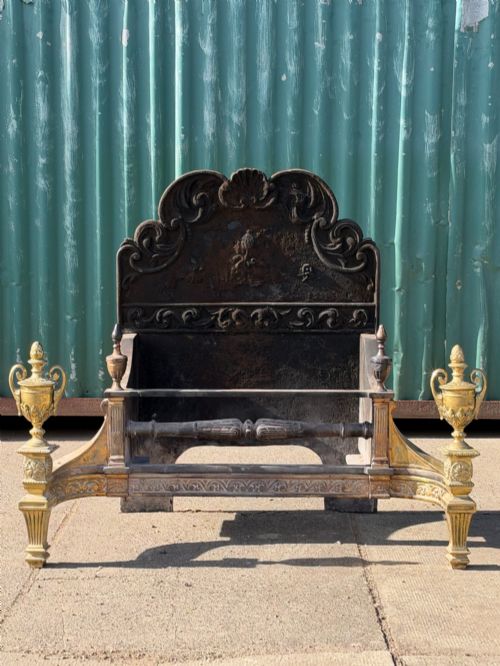
Makers often paired these firedogs with matching fire baskets, log baskets, and companion sets to create a unified hearth arrangement. English and French workshops produced the majority of these pieces in cast iron, wrought iron, and brass.
Materials and technique
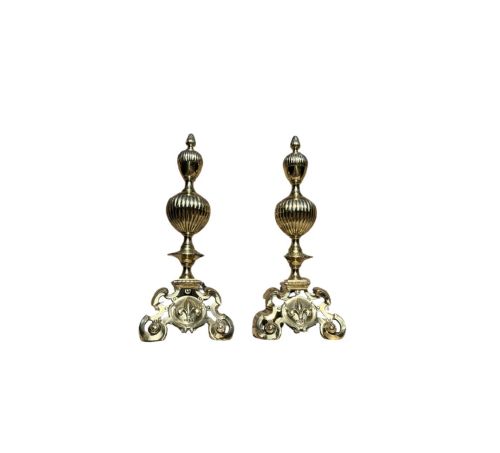
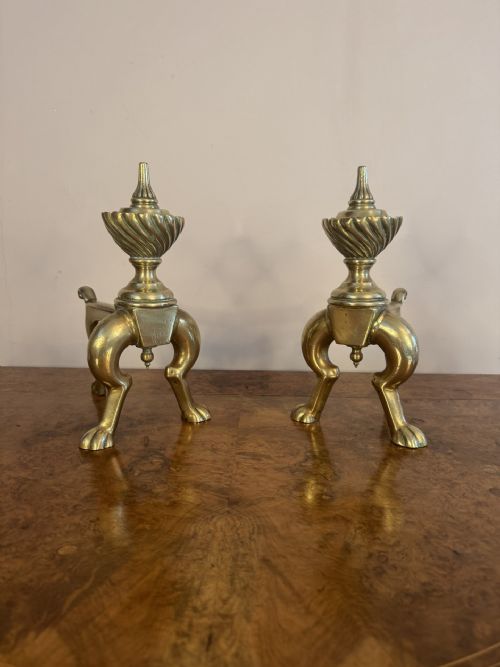
Foundry work dominates the production of these pieces, utilising cast iron, solid brass, and bronze. Molten metal was poured into detailed moulds, particularly for ornamental French chenets and Victorian brass standards, yielding crisp surface detail and substantial weight.
Wrought iron examples rely on blacksmithing techniques, where bars were heated, hammered, and bent into shape. These rugged pieces frequently display visible forge marks and robust construction suited to heavy daily use in open hearths.
Gilding and ormolu finishes appear on higher-end pieces, applying gold leaf or mercury gilt to bronze mounts. These decorative layers catch the firelight, contrasting with the dark textures of adjacent cast iron grates.
Fireplace Fire Dogs Retail Price Guide 2026
Typical asking prices for fireplace fire dogs among the pieces listed under this phrase on Sellingantiques today, from the lower quarter to the upper quarter. They describe what is for sale here now, not the wider market.
Listings feature periods spanning from the sixteenth century to the early twentieth century, with a strong concentration of Victorian cast iron and brass.
Evaluating craftsmanship
The quality of these hearth supports rests on the crispness of the casting and the thickness of the metal. Heavier sections indicate durable construction designed to withstand intense heat and prolonged use without warping.
Detailing separates standard production from superior examples, visible in the depth of chasing on brass and bronze or the clean lines of hand-forged wrought iron. Well-executed pieces integrate structural stability with refined sculptural ornament.
William Tonks·Thomas Jeckyll
The Fireplace Fire Dogs Glossary
- Andiron
- A horizontal metal support raised on legs, used in pairs to hold logs in an open fireplace. They often feature an ornate vertical standard at the front.
- Chenet
- The French term for an andiron, frequently associated with decorative ormolu, bronze, and rococo styling. These pieces emphasise visual display alongside hearth utility.
- Firedog
- An alternative name for an andiron, functioning as a primary support for wood fuel within the hearth. The term encompasses both plain iron variants and polished brass designs.
- Fire Grate
- A metal basket or rack holding fuel above the hearth floor to improve airflow. They frequently accompany andirons or incorporate them into a single assembly.
- Ormolu
- Gilt bronze ornament applied to decorative metalwork, popular in French interior design. The technique produces a rich golden lustre under hearth illumination.
Fireplace Fire Dogs: Frequently Asked Questions
What are fire dogs used for?
These supports elevate logs above the hearth floor to allow air to circulate underneath for a cleaner burn. They also prevent rolling logs from spilling out onto the floor.
Beyond utility, they serve a decorative role, framing the hearth and complementing other fireplace accessories like fenders and tool sets.
How do I choose the right size?
Measure the width and depth of your fireplace opening before selecting a pair. The dogs must fit comfortably inside the hearth space without crowding the fire basket or sides.
Height matters for visual balance and log clearance. Taller standards suit grand chimney openings, while compact pairs fit smaller Victorian grates.
Are they safe for burning wood?
Cast iron and wrought iron variants handle high temperatures without difficulty. Solid metal construction ensures they remain stable under heavy fuel loads.
Brass and ormolu pieces function well in working hearths, though polished surfaces require periodic cleaning to remove soot and ash residue.
How do I date these pieces?
Stylistic clues point to specific periods, such as Gothic Revival motifs in the mid-nineteenth century or Aesthetic Movement patterns from the 1880s. Manufacturing methods also help, as early pieces show hand-forging while later Victorian examples rely on mass production.
Weight, patina, and assembly screws provide additional evidence of age. Older fasteners and hand-finished surfaces distinguish nineteenth-century work from later reproductions.