
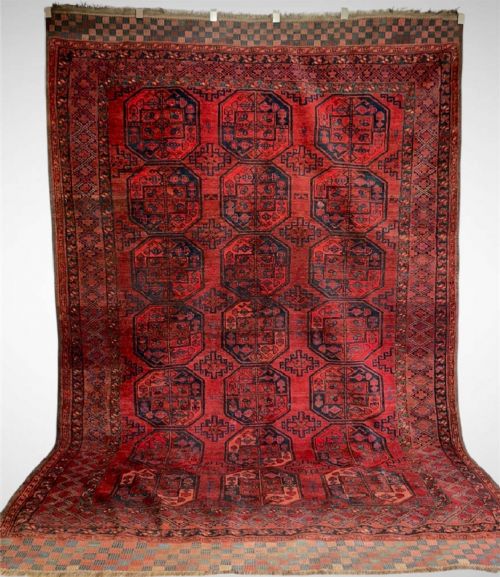


Ersari Tribal Carpet
An ersari tribal carpet brings rich Central Asian heritage into a room through deep reds, bold guls, and authentic nomadic weaving traditions.
Ersari Tribal Carpet
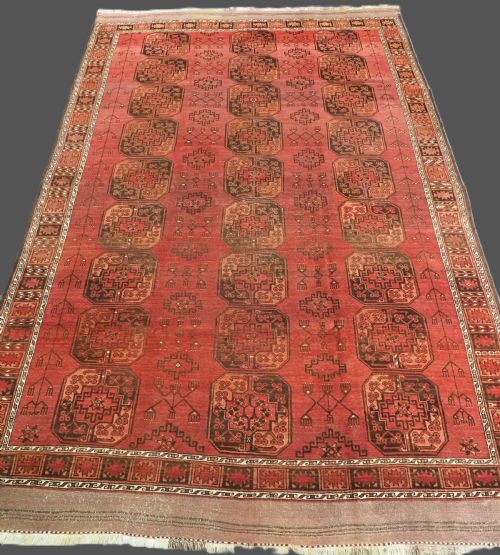
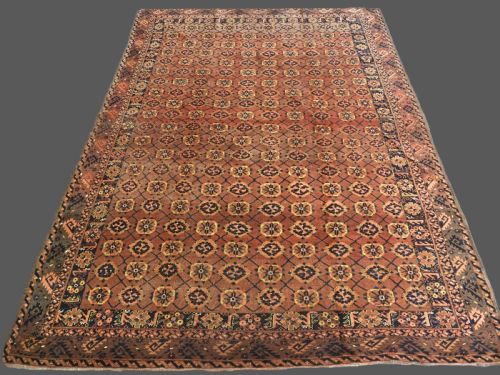
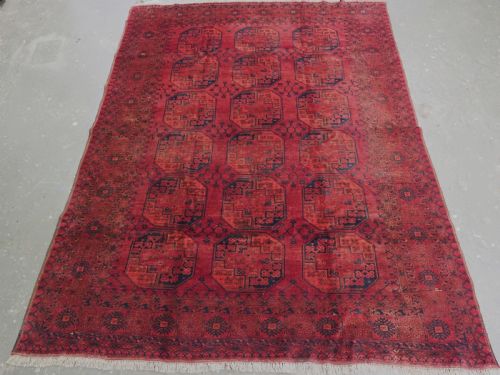
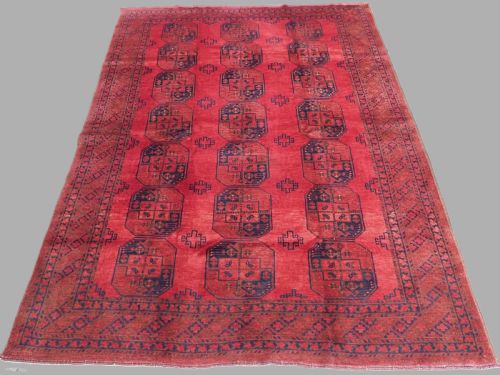
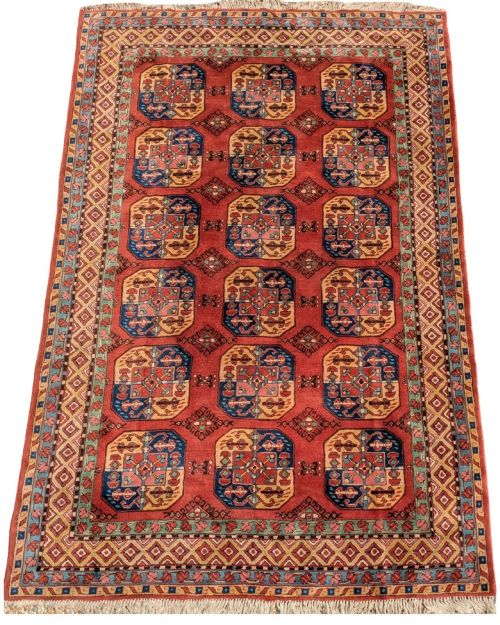
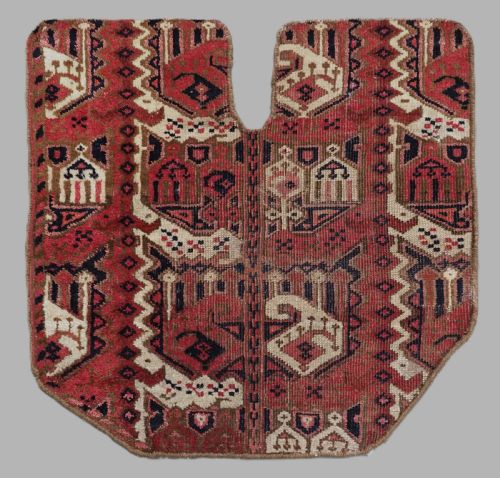
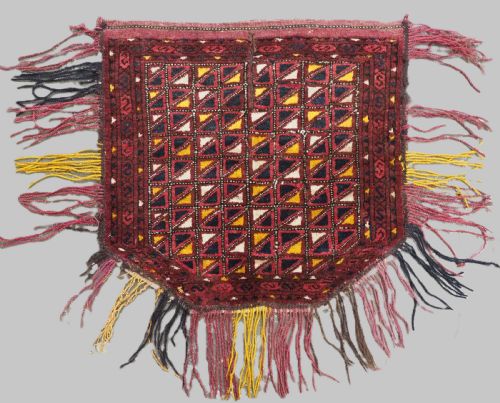
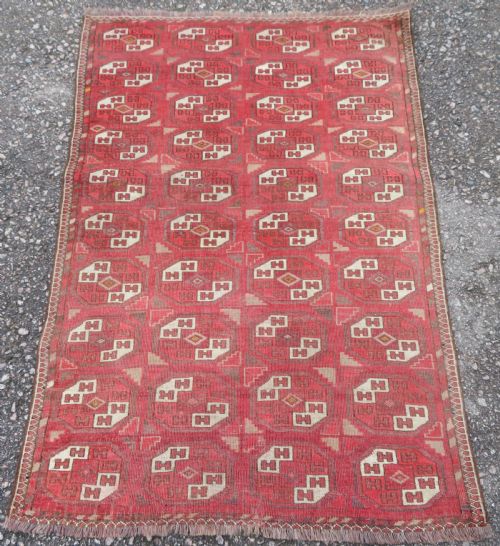
When searching for an ersari tribal carpet, a buyer encounters hand-woven Central Asian textiles originating mainly from Turkmen and Afghan traditions dating from the mid-nineteenth century through the early twentieth century. These pieces encompass large main carpets, smaller village rugs, tent door hangings, and functional storage bags like torbas and chuvals.
The most common formats found in these collections are main carpets and smaller utility bags featuring traditional guls and warm red colour palettes. Pieces span the decades from the eighteen-fifties to the nineteen-thirties, reflecting the enduring village and tribal weaving practices of northern Afghanistan and surrounding regions.
Nomadic weavers created these floor coverings and furnishings for practical domestic use within tribal communities. The survival of such items demonstrates their robust construction and the high regard held for traditional Turkmen design motifs.
How they were made
The foundation and pile rely heavily on hand-spun wool, sometimes augmented by goat hair or horsehair in the foundations of older examples to add structural rigidity. Natural dyes provide the enduring colour palette, yielding deep reds, soft tones, and rich old gold hues that mellow gracefully over decades.
Weavers utilised traditional upright looms to knot dense wool piles onto sturdy warps and wefts, creating textiles designed to withstand heavy daily use. Finishing techniques often included original tassels and flatwoven ends that protected the main carpet body from fraying.
Listings span production dates from the eighteen-fifties through the nineteen-thirties, utilising wool, natural dyes, and goat hair.
What varies in quality
Quality in these textiles rests upon the fineness of the wool preparation, the clarity of the natural dyes, and the precision of the tribal guls. Early examples with intact original tassels or structural elements like goat hair foundations command particular attention from collectors.
The overall balance of the design, the saturation of the warm red ground, and the integrity of the weave determine the standing of an individual piece. Lesser examples display heavier wear or simplified motifs, while superior specimens maintain crisp geometric definition across large formats.
The Ersari Tribal Carpet Glossary
- Gul
- A medallion motif repeated across Turkmen carpets. Each pattern often identifies a specific tribe or sub-group.
- Torba
- A small storage bag or hanging used in nomadic tents. These pieces typically feature elaborate face designs.
- Chuval
- A large tent bag used for household storage. They share the intricate guls found on full-sized main carpets.
- Kapunuk
- A decorative tent door rug placed around the entranceway of a yurt. They display distinctive ornamental layouts.
- Beshir
- A sub-style associated with Ersari weavers near the Amu Darya river. These items often incorporate ikat patterns or alternative floral influences.
Ersari Tribal Carpet: Frequently Asked Questions
How do I care for an antique carpet?
Vacuum gently without a rotating brush bar to remove dust from the wool pile. Keep the textile out of direct sunlight to protect the natural dyes from fading.
Professional specialist cleaning should be utilised when deep washing becomes necessary. Ensure the floor underneath remains clean and dry to protect the natural foundation fibres.
Where were these carpets originally woven?
Nomadic and village weavers produced these textiles across Central Asia, particularly in regions associated with northern Afghanistan and Turkmen groups. Tribal workshops handed down specific design motifs through generations.
Communities utilised local materials, including hand-spun wool and natural dyestuffs, to create floor coverings suited for domestic dwellings and portable tents.
What is a gul design?
A gul is a repeating octagonal or medallion motif used extensively in Turkmen carpet weaving. Different tribes utilised distinct variations to signify their specific heritage and lineage.
These central emblems organise the visual rhythm of the carpet field, framed by elaborate geometric borders.
How can I tell the age of a piece?
Age is indicated by the type of wool, the composition of the natural dyes, and structural evidence within the foundation. Earlier nineteenth-century examples often employ goat hair or horsehair in the foundation alongside deeply saturated colour palettes.
Wear patterns, handle, and specific gul structures also help narrow down the period of production from the eighteen-fifties through the early twentieth century.