



Engraved Brass Plaque
An engraved brass plaque offers a tangible piece of history, combining metalwork and lettering to mark moments, places or people with enduring clarity.
Engraved Brass Plaque
When you search for an engraved brass plaque, you encounter items closely linked to presentation boxes, commemorative pieces and architectural signage from the nineteenth and early twentieth centuries. These objects range from ecclesiastical seating bearing small plaques to dedicated presentation boxes and exterior signs.
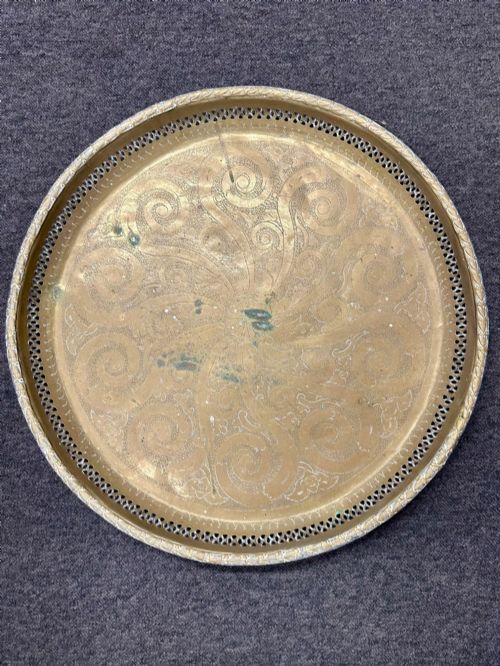
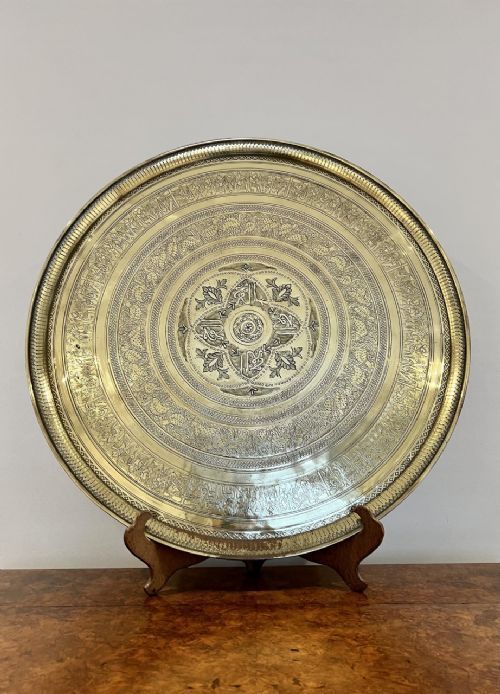
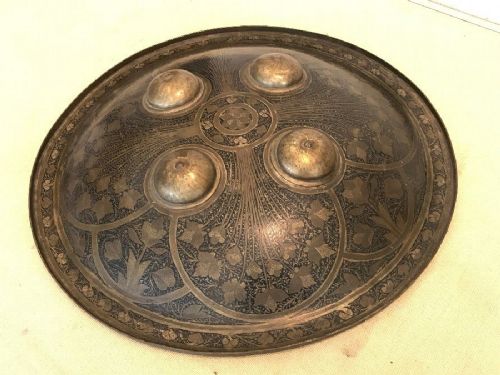
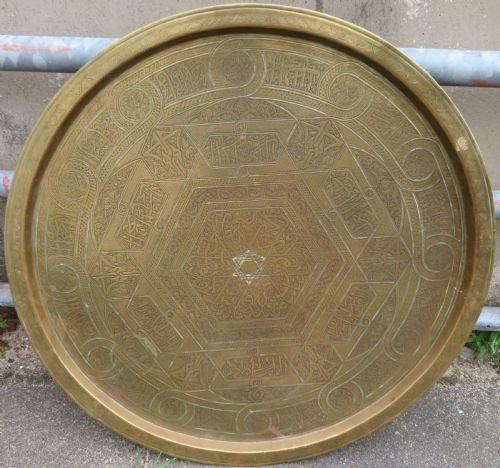
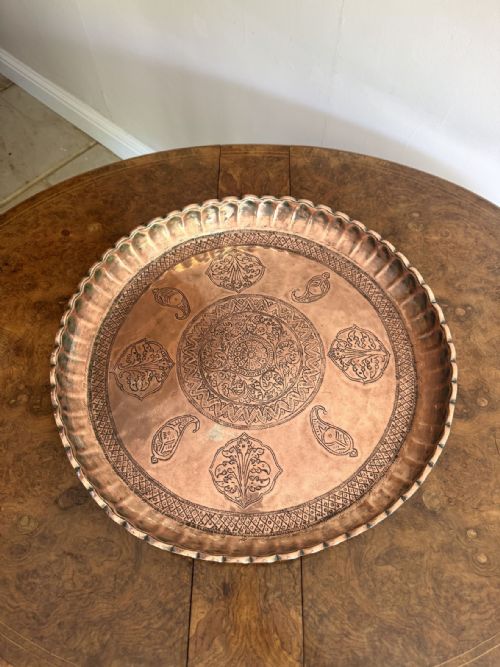
The versions most commonly met on this page date from the 1800s to 1900, spanning Victorian and Gothic Revival styles alongside Anglo-Indian and Indo-Persian metalwork. Alongside actual plaques attached to church chairs or boxes, the selection encompasses related engraved brass chargers, trays and shields.
How they were made
The pieces recorded here utilise brass, copper and mixed metals, frequently mounted upon timber backings such as oak or other wood. Makers combined sheet metal fabrication with deep surface incision to delineate foliate decoration, inscriptions and heraldic details.
Techniques varied from European Gothic Revival metalworking to intricate Middle Eastern and Indo-Persian incising traditions. Artisans employed hand tools to carve detailed motifs directly into the brass and copper surfaces, sometimes contrasting the warm metals with iron, steel or dark timber frames.
Engraved Brass Plaque Retail Price Guide 2026
Typical asking prices for engraved brass plaque among the pieces listed under this phrase on Sellingantiques today, from the lower quarter to the upper quarter. They describe what is for sale here now, not the wider market.
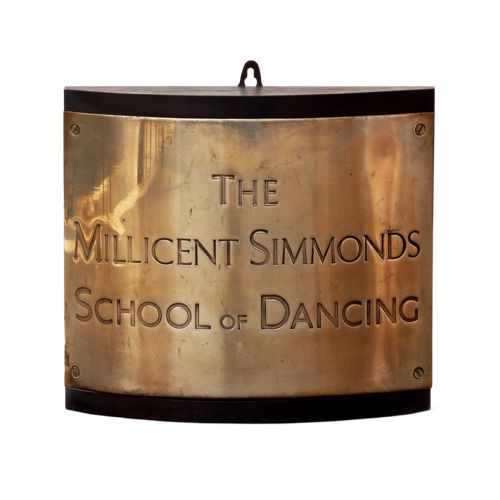
A dancing school exterior sign from the turn of the twentieth century proves that even footwork required durable metal advertising.
What varies in quality
Quality in these items rests upon the crispness of the hand engraving and the integration of the plaque with its supporting material, whether that is a presentation box, a church chair or an exterior sign. Superior examples display deep, deliberate incisions and well-balanced compositions that remain sharp and legible across the surface.
The choice of materials also distinguishes the range, with substantial brass, copper and mixed metal elements showing greater weight and durability. Finer pieces maintain structural integrity in their wooden housings and retain the original contrast of their engraved details without excessive smoothing from past cleaning.
The Engraved Brass Plaque Glossary
- Brass
- An alloy of copper and zinc known for its bright golden appearance and durability. It serves as the primary substrate for the engraved plaques and decorative trays seen here.
- Gothic Revival
- An architectural and decorative style popular in the nineteenth century that drew inspiration from medieval design. Items from this movement often accompany ecclesiastical settings and church furnishings.
- Cairoware
- A term applied to nineteenth-century metalwork influenced by Islamic designs from Cairo, typically featuring intricate engraved brass and mixed metal decoration. These pieces showcase detailed geometric and foliate patterns.
- Mixed metal
- The combination of different metallic elements, such as brass, copper and steel, within a single object. This technique creates contrasting tones and visual depth across chargers and trays.
Engraved Brass Plaque: Frequently Asked Questions
How are engraved brass plaques mounted?
Many plaques are securely fixed to wooden substrates such as presentation boxes or church chairs using small brass pins or screws. The surrounding timber provides structural support while framing the metal inscription.
Other examples function as standalone exterior signs, requiring direct wall attachment through pre-drilled fixing holes at the corners or edges.
What periods do these pieces date from?
The items listed on this page predominantly date from the nineteenth century, stretching from the early 1800s through the Victorian era up to around 1900. This encompasses various stylistic revivals popular during that century.
Manufacturing techniques and aesthetic influences from this period reflect both British workshop traditions and imported Indo-Persian or Middle Eastern metalwork styles.
How do I care for antique brass?
Antique brass benefits from minimal intervention to preserve its historical surface and natural patina. Dusting with a soft, dry cloth prevents the accumulation of grime without wearing away the fine details of the engraving.
Avoid abrasive cleaners and harsh chemical polishes, which can strip away aged surface characteristics and diminish the legibility of the incised lines.
What is mixed metalwork?
Mixed metalwork involves combining two or more distinct metallic materials, such as copper, brass and steel, within a single decorative piece. This approach creates varied colour tones and surface textures across trays, chargers and plaques.
Craftsmen utilised these contrasting metals to highlight specific design elements and add visual complexity to nineteenth-century decorative items.