





Brass Wall Tray
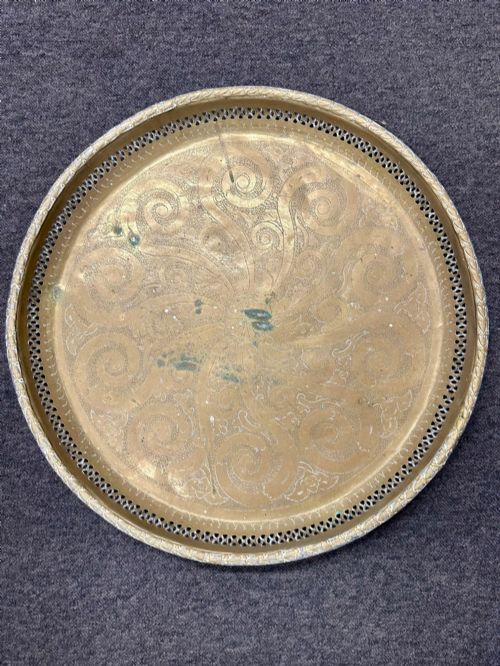
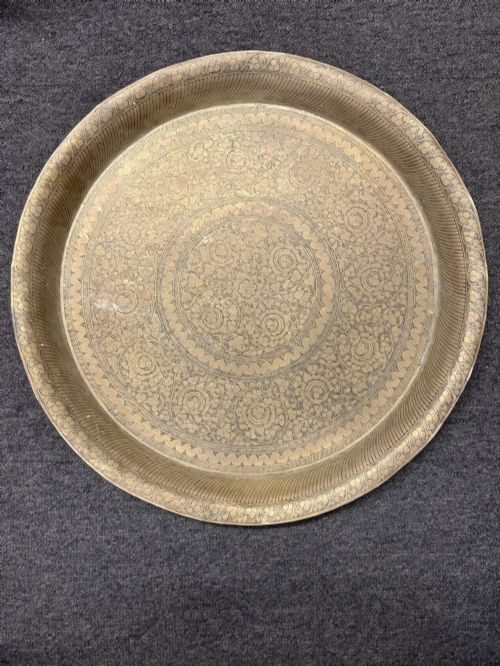
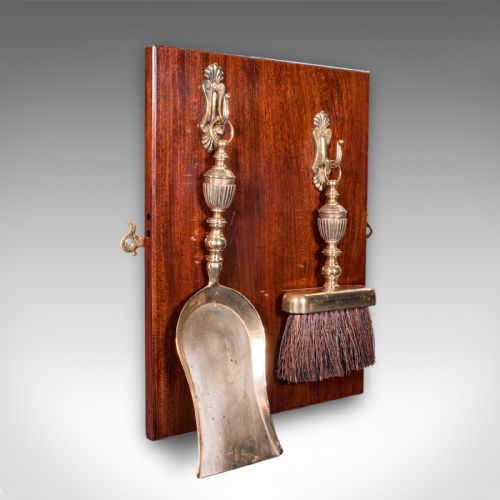
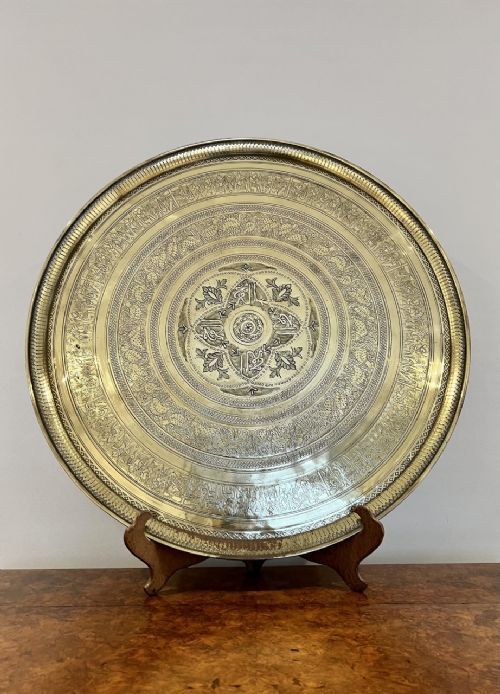
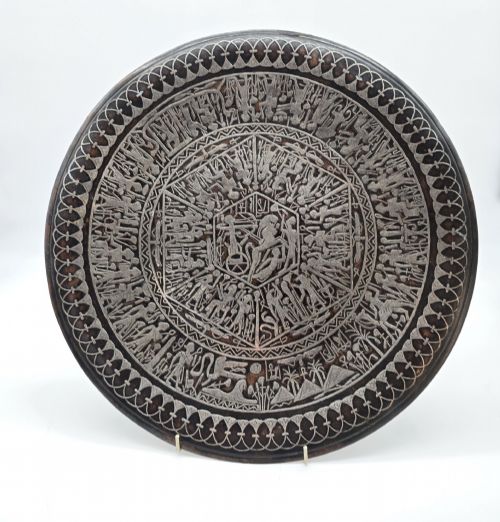
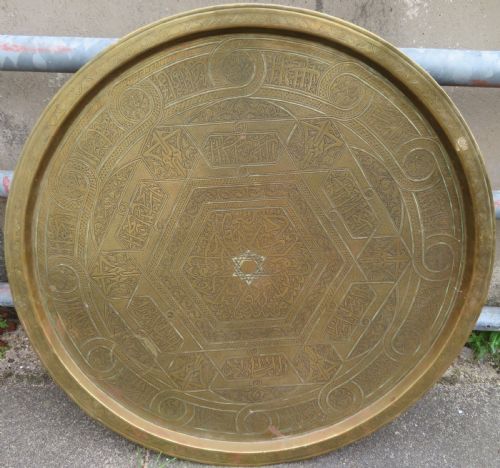
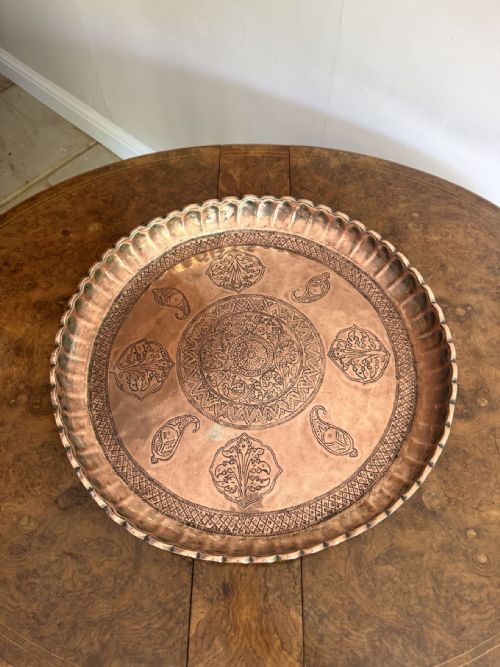
These brass wall tray examples bring striking metalwork and intricate engraving into any room, offering a rich piece of history for the wall.
Brass Wall Tray
A brass wall tray is a decorative metal dish or charger designed to be hung or displayed, frequently featuring circular forms and elaborate surface work. When searching for a brass wall tray, buyers encounter items ranging from Victorian domestic metalwork to Middle Eastern Cairo Ware and Indian Raj period plaques.
The selections span various historical periods including the nineteenth century and Regency eras, taking the form of large circular chargers, embossed alms dishes, and mixed metal platters. Many of these pieces combine brass with copper, silver, or bronze to create striking visual contrast upon the wall.
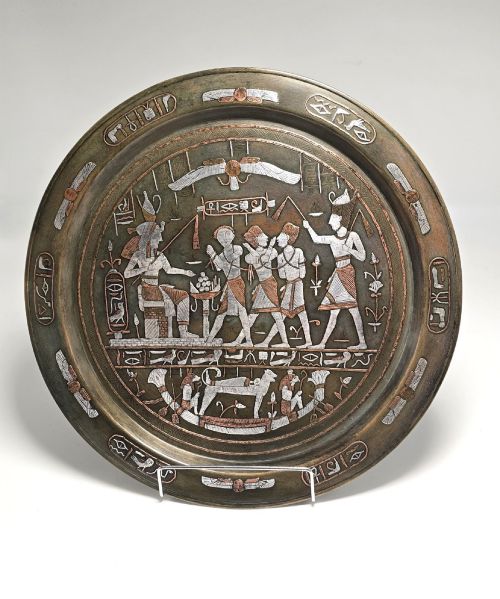
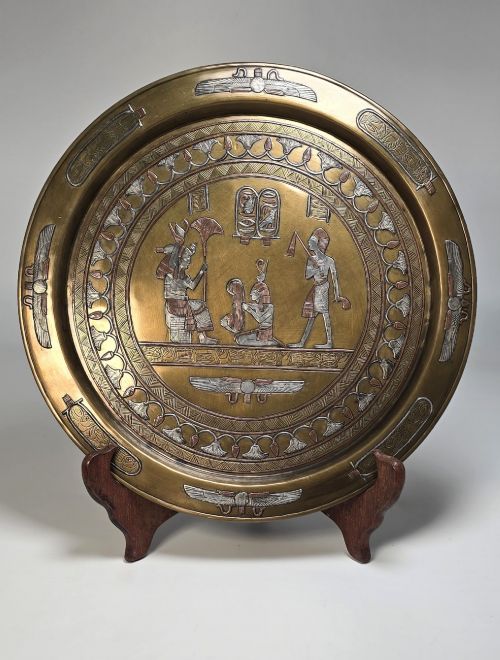
Originating across different global traditions, these items include Anglo-Indian hand-pierced wall chargers, Egyptian revival Cairo Ware with silver and copper inlay, and Japanese Komai style mixed-metal dishes. The primary focus remains on decorative wall display rather than functional tabletop service.
How they were made
Maker techniques rely heavily on sheet brass, copper, and bronze, often shaped into circular trays and chargers through hammering and pressing. Artisans then decorated the surfaces by hand engraving, embossing, and piercing to produce detailed motifs.
Many examples incorporate mixed metals, utilising silver and copper inlay techniques seen in Egyptian Cairo Ware and Persian or Syrian metalwork. Patinated copper and bronze provide darkened backgrounds that make the engraved patterns stand out distinctly.
Specialist workshops employed techniques such as the Komai style for mixed-metal dishes, alongside traditional Islamic metalwork methods involving intricate geometric and figural inlay work.
Brass Wall Tray Retail Price Guide 2026
Typical asking prices for brass wall tray among the pieces listed under this phrase on Sellingantiques today, from the lower quarter to the upper quarter. They describe what is for sale here now, not the wider market.
Listings feature brass, copper, silver, and bronze, spanning periods from the seventeenth century to the twentieth century.
What varies in quality
Quality in these pieces rests upon the crispness of the hand engraving and the precision of the metal inlay work. Finer examples display deep, deliberate cuts and secure placement of silver and copper elements within the brass or bronze ground.
The complexity and depth of the design also separate standard items from superior pieces, particularly in Cairo Ware and Middle Eastern chargers where dense pictorial or calligraphic motifs demand high skill. Furthermore, the harmonious integration of mixed metals indicates a higher standard of workshop production.
The Brass Wall Tray Glossary
- Cairo Ware
- Nineteenth-century metalwork produced in Egypt, typically featuring brass or bronze inlaid with silver and copper in Islamic styles. These pieces were popular souvenirs during the Grand Tour period.
- Alms dish
- A shallow metal bowl or basin, often embossed with religious or decorative scenes, historically used for collecting offerings. Many surviving examples are repurposed as wall chargers.
- Charger
- A large decorative plate or tray intended for display on a sideboard or wall rather than for everyday dining use. They provide a broad surface for elaborate engraving and metal inlay.
- Patinated copper
- Copper that has been chemically treated or aged to produce a darkened surface finish. This treatment creates high contrast against bright brass or silver inlay.
- Komai style
- Japanese metalwork technique involving damascening gold and silver onto an iron or bronze ground, creating intricate pictorial scenes. Pieces in this style often depict deities, dragons, and landscapes.
Brass Wall Tray: Frequently Asked Questions
How do I hang a brass wall tray?
Most wall trays are displayed using specialist brass wire hangers that grip the rim securely without damaging the metal. Ensure the fixing on the wall is rated for the weight of the specific tray.
Heavier chargers require robust wall plugs and sturdy picture hooks to distribute the load evenly across the rim.
How do I clean brass wall trays?
Light dusting with a soft, dry cloth is usually sufficient for regular maintenance of antique metalwork. Avoid harsh chemical polishes that can strip away desirable historical patina or damage delicate inlaid silver and copper.
Professional advice should be sought before applying any cleaning agents to patinated or mixed-metal surfaces.
Are these trays meant for food use?
Decorative wall trays and chargers are intended primarily for display rather than serving food. Many antique pieces contain metals or patination treatments that are unsuitable for culinary contact.
Their structural integrity and delicate surface engraving make them better suited for wall mounting.