





Antique Metal Wall Hanging
These antique metal wall hanging pieces bring industrial heft and decorative detail to a room, spanning trade signs, mirrors and heavy bronze chargers.
Antique Metal Wall Hanging
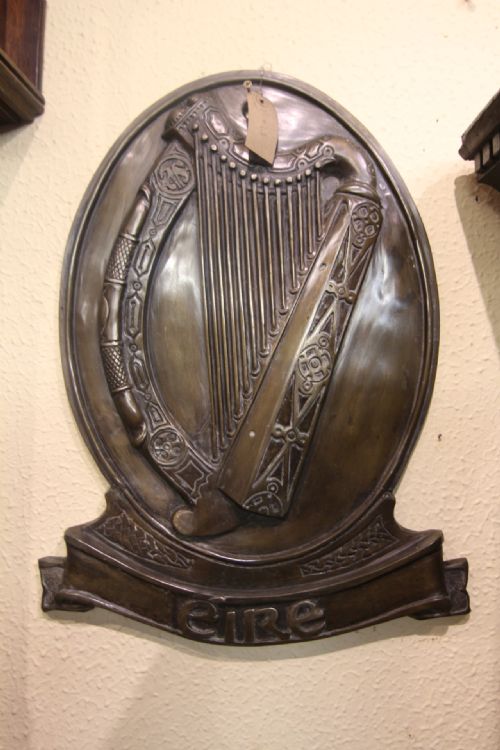
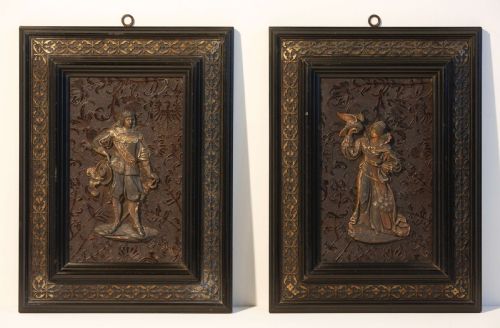
An antique metal wall hanging encompasses a diverse group of objects designed for display, including beaten copper chargers, architectural ironwork, trade signs and brass wall mirrors. These items originate from periods ranging through the Victorian era into the early twentieth century, drawing on styles such as Arts and Crafts, Art Deco and Gothic Revival. The pieces include heavy bronze bells, cast iron armorial plaques and double-sided enamel or sheet metal shop signs.
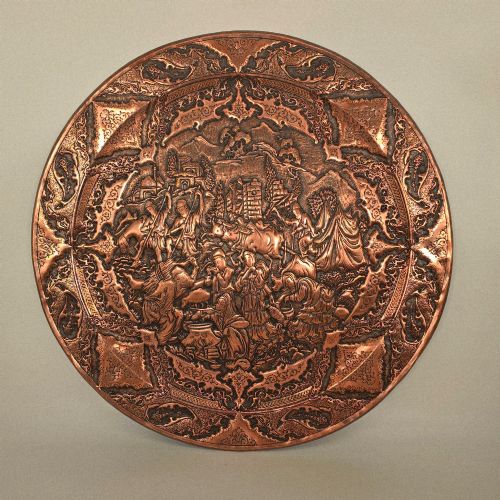
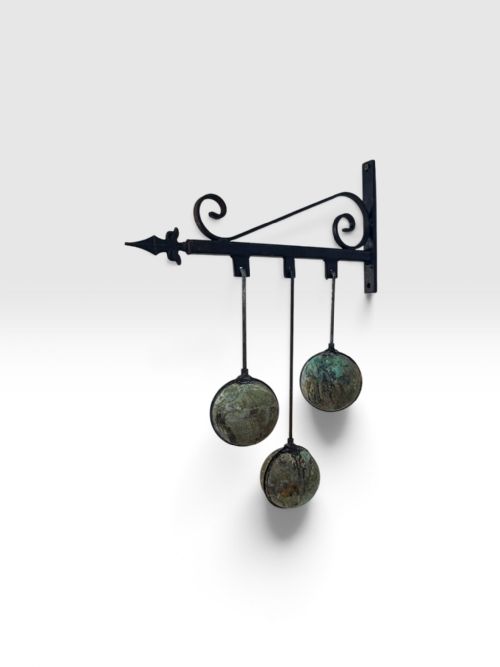
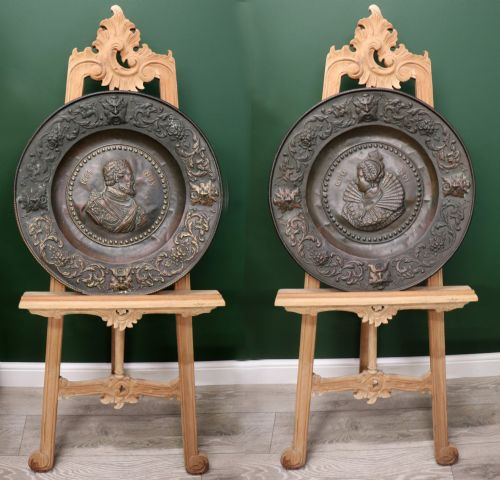
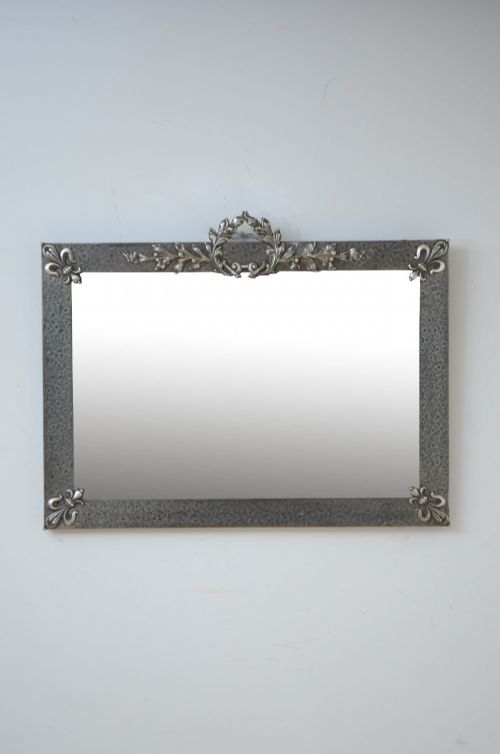
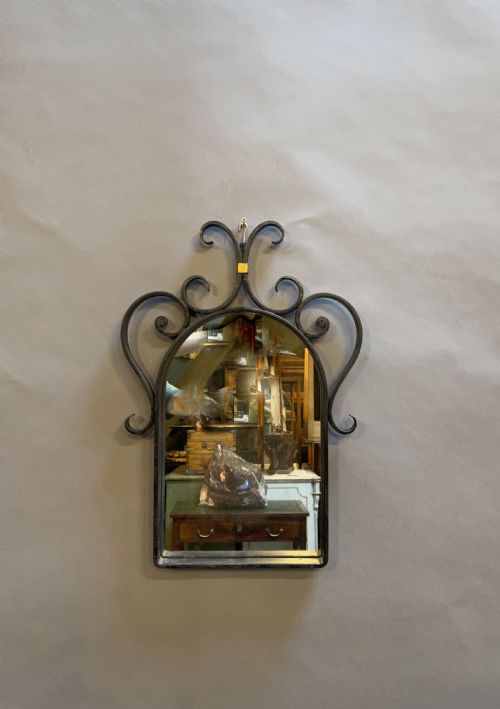
The version most commonly met on this page is the decorative wall charger or mirror, often fashioned from brass, copper or bronze. Many bear the marks of Arts and Crafts workshops or continental manufacturers, displaying hammered surfaces or repoussé foliage. Alongside domestic mirrors and plates, trade signs modelled as pocket watches or animals provide an industrial and commercial character.
How they were made
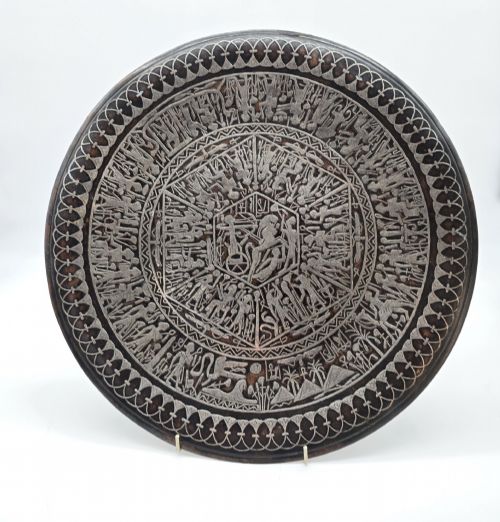
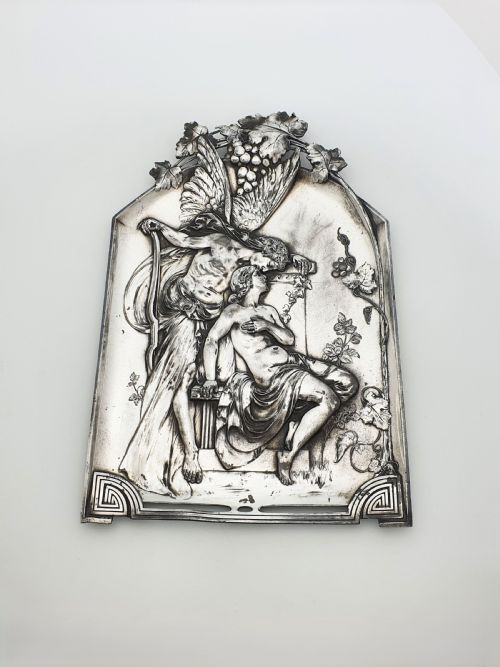
Makers utilised casting, hammering and repoussé techniques to shape metals such as brass, bronze, copper and iron. Beaten copper chargers and pewter plates show the hand of the artisan through visible hammer marks and raised relief decoration. Cast iron and white metal pieces rely on detailed moulds to produce crisp armorial plaques, brackets and mirror frames.
Compositions frequently combine metalwork with supplementary materials like wood, glass and paint. Trade signs and wall brackets utilise sheet metal alongside painted surfaces or gilded bronze elements. Hanging mechanisms often incorporate original iron brackets, chains or wooden backing panels to support the considerable weight of the bronze and brass components.
Antique Metal Wall Hanging Retail Price Guide 2026
Typical asking prices for metal wall hanging among the pieces listed under this phrase on Sellingantiques today, from the lower quarter to the upper quarter. They describe what is for sale here now, not the wider market.
A galloping horse in sheet metal once signalled business overhead, long before neon took over the high street.
What varies in quality
The standard of a piece rests upon the crispness of the casting and the depth of the manual work applied to the metal surface. Fine examples display sharply defined relief, careful chasing and balanced proportions, whereas inferior items rely on shallow stamping and rudimentary assembly. The integrity of original mountings, brackets and surface patination further separates workshop pieces from mass-produced items.
The distinct character of a piece depends on the preservation of its original finish, whether that is patinated bronze, painted trade sign lettering or polished brass. Pieces retaining their original hanging brackets and untouched patination hold greater visual coherence. Wear that respects the age of the item adds character, provided the structural fixings remain secure and uncompromised.
Raymond Subes·Faulkner Bronze Company·Josef Herzog·WMF
The Antique Metal Wall Hanging Glossary
- Repoussé
- A metalworking technique where the artisan hammers a design from the reverse side to form a raised relief on the front. This method appears frequently on copper chargers and decorative wall plaques.
- Wall Charger
- A large decorative plate or dish intended for display upon a wall rather than use at a table. These items are often heavily engraved or beaten with floral and figurative motifs.
- Architectural Salvage
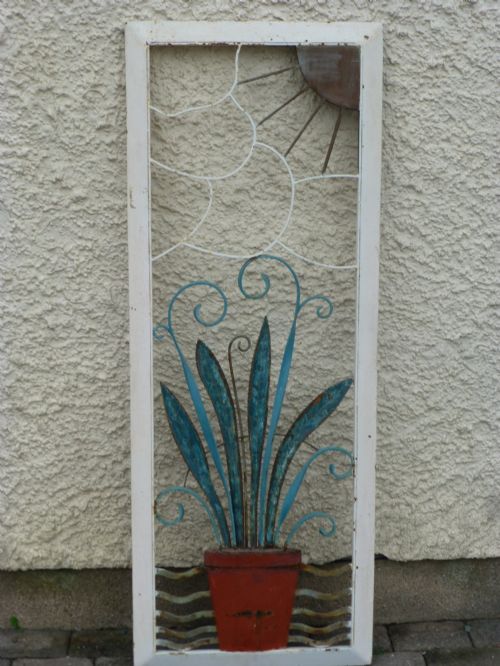
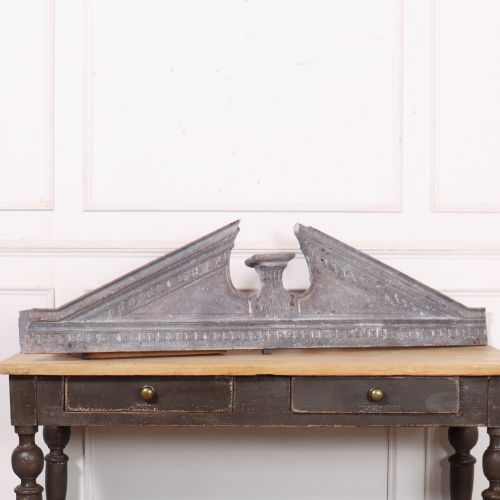
- Building elements rescued from older structures and adapted for decorative display. Examples include iron screens, pediments and trade sign brackets.
- Armorial Plaque
- A cast metal panel bearing a coat of arms or heraldic insignia. These are typically fashioned from iron, brass or bronze and mounted for interior display.
- Alms Dish
- A shallow metal bowl, often embossed with religious scenes or geometric patterns. These are traditionally associated with ecclesiastical contexts before finding domestic use as wall hangings.
Antique Metal Wall Hanging: Frequently Asked Questions
How do I clean antique brass and copper?
Dust the surface gently with a soft, dry cloth to remove accumulated grit without disturbing the historical patination. Avoid abrasive metal polishes that strip away the aged character accumulated over centuries.
If cleaning is necessary, use a mild, pH-neutral soap solution applied sparingly and dried immediately. Preserving the dark tones on beaten copper and brass maintains the authenticity of the piece.
Are trade signs double-sided?
Many trade signs intended for exterior display on bracket mounts are manufactured to be viewed from both directions. Pharmacists, jewellers and pawnbrokers utilised double-sided signs to attract foot traffic from the street.
Interior wall plaques and decorative chargers are finished on the front face only. The reverse of these pieces typically reveals the hammering marks or casting texture of the original production method.
How do I date an Arts and Crafts copper charger?
Examine the surface for individual hammer marks and hand-beaten textures rather than uniform machine stamping. The Arts and Crafts movement flourished from the late nineteenth century through the early decades of the twentieth century.
Look for stylised motifs such as pomegranates, foliage and Celtic interlace patterns. Maker marks or attribution stamps on the rear can further narrow the decade of production.