



Antique Brass Wall Art
Antique brass wall art brings together polished metal, mirrors and sconces shaped by the hands of Art Nouveau, Arts and Crafts and Art Deco makers.
Antique Brass Wall Art
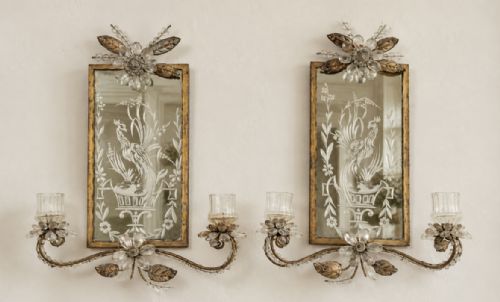
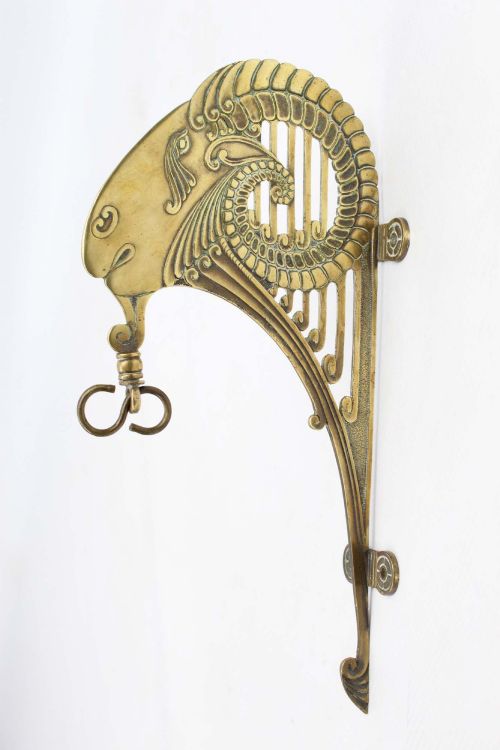
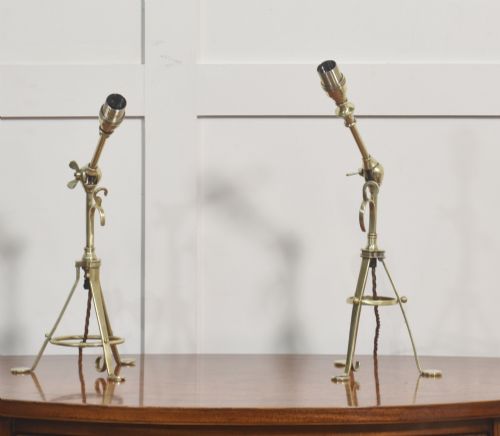
When buyers search for antique brass wall art, they encounter a diverse selection of decorative items designed to hang on interior surfaces, originating predominantly from the nineteenth and twentieth centuries. The category encompasses practical items like wall lights, sconces and mirrors alongside purely decorative chargers, plaques and racks.
The pieces most frequently met on this page span the Arts and Crafts and Art Nouveau movements, often combining warm brass frames with reflective glass or hammered metalwork. Such items reflect the domestic tastes of Edwardian and interwar homes, where functional hardware doubled as decorative ornamentation.
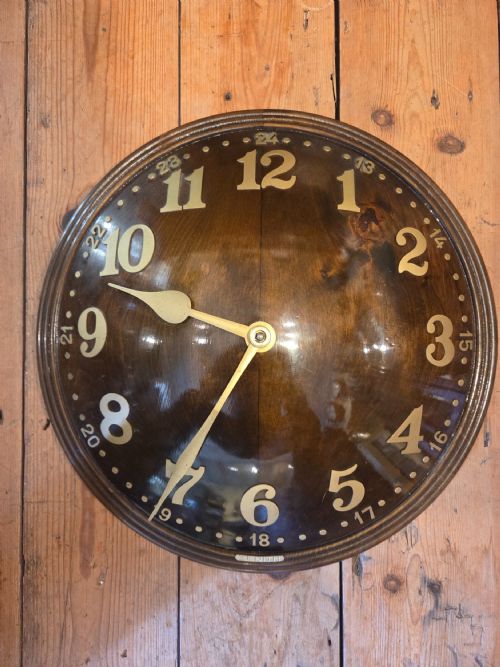
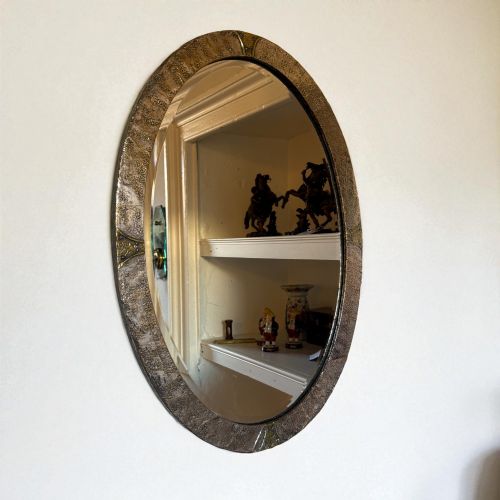
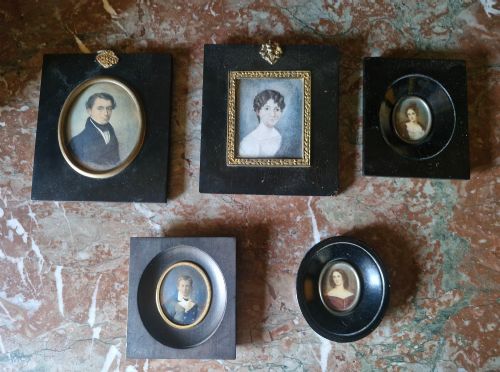
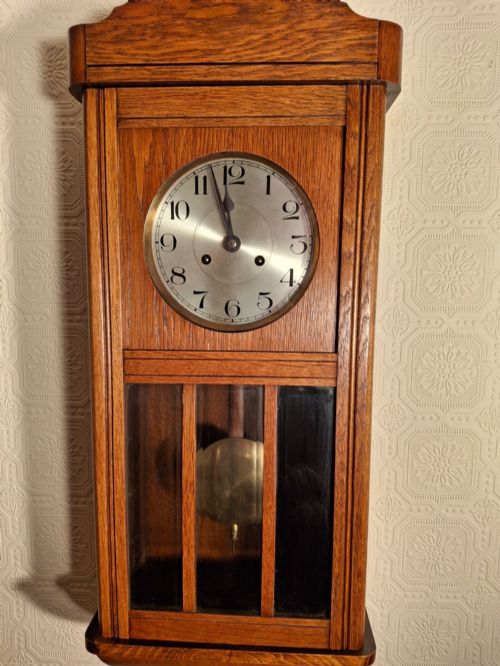
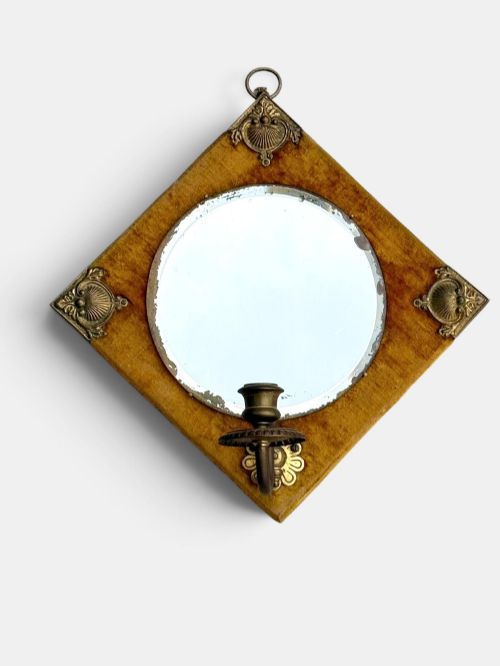
Alongside dedicated metalwork, the selection includes related wall-mounted items incorporating brass mounts, such as wooden mirrors, enamel plaques and clocks. These variations demonstrate how brass served as a unifying accent across diverse materials throughout the Regency, Victorian and later periods.
How they were made
Makers utilised brass sheet and cast brass, often pairing the metal with oak, glass or copper to build structured frames and light fittings. Techniques such as repoussé involved hammering the metal from the reverse to raise decorative patterns in relief, a method favoured by Arts and Crafts artisans.
Casting allowed workshops to produce complex three-dimensional forms like sconces, candelabras and mounting brackets with crisp detail. Enamel inlay, glass panels and wooden backings were frequently integrated using traditional joinery and mechanical fixings appropriate to the period.
Antique Brass Wall Art Retail Price Guide 2026
Typical asking prices for brass wall art among the pieces listed under this phrase on Sellingantiques today, from the lower quarter to the upper quarter. They describe what is for sale here now, not the wider market.
Listings feature brass combined with oak, copper, glass and enamel across periods from the eighteenth century to the twentieth.
What varies in quality
The standard of antique brass wall art depends heavily upon the crispness of the casting and the depth of hand-worked surface detail. Pieces that display purposeful repoussé work and substantial gauge metal outrank mass-produced items stamped out by later industrial methods.
Integrity of construction separates superior examples from lesser pieces, particularly in articulated joints on adjustable lights or secure mounting points on mirrors and heavy chargers. Patina also plays a role, with untouched surfaces retaining the subtle tonal shifts accumulated over decades of ageing.
W.A.S. Benson·John Moyr Smith·Liberty·Philipp Haas·Japy Freres·Samuel Marti
The Antique Brass Wall Art Glossary
- Repoussé
- A metalworking technique where the artisan hammers a design from the reverse side to create a raised relief on the front. This method defines much of the surface ornamentation seen on Arts and Crafts metalwork.
- Cartel clock
- A wall-mounted clock housed in an ornate ornamental frame, frequently cast in gilt brass during the French periods. These clocks combine timekeeping mechanics with sculptural wall decoration.
- Charger
- A large decorative plate intended for display on a wall or sideboard rather than for dining use. Brass examples often feature hand-hammered centres or engraved borders.
- Sconce
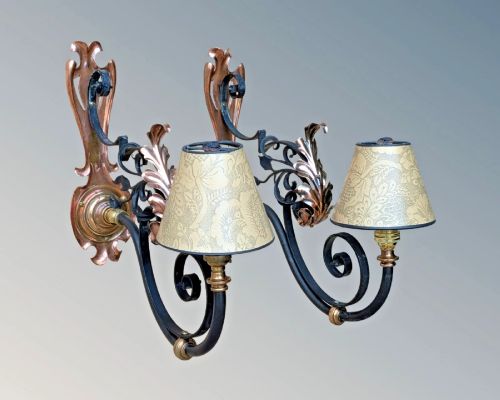
- A wall-mounted lighting fixture designed to hold candles or electric bulbs, projecting outwards to illuminate a room. Period pieces frequently incorporate pivoting arms or reflective backplates.
- Cloisonné
- An ancient enamelling technique where metal wires are soldered to a base to form compartments filled with vitreous paste, seen on decorative dishes and wall pieces.
Antique Brass Wall Art: Frequently Asked Questions
Are old wall lights wired for modern use?
Many period wall lights and sconces retain their original fittings or historical wiring from past decades. Buyers should inspect the electrical components carefully and consult a qualified electrician before installation in a modern home.
Rewiring can usually be accomplished without altering the visible brass structure or damaging the antique integrity of the fixture. This ensures the piece meets current safety standards while remaining historically authentic.
How do I hang heavy brass wall art?
Heavy pieces like cast chargers, mirrors and double-arm sconces require secure anchoring directly into wall studs or appropriate masonry fixings. Relying solely on plaster or drywall plugs can cause structural failure over time.
Check the weight distribution and the condition of existing hanging loops or chains on the back of the piece. Professional framing hooks or reinforced brackets provide the stability needed to support substantial metal objects safely.
How do I tell Art Nouveau from Arts and Crafts?
Art Nouveau pieces feature flowing, organic lines inspired by natural forms like whiplashes, vines and floral silhouettes. The designs emphasise asymmetry and graceful movement across the brass surface.
Arts and Crafts pieces focus instead on visible craftsmanship, honest construction and structured geometric or stylized medieval motifs. Hand-hammered textures and sturdy oak or copper combinations are characteristic of this movement.