



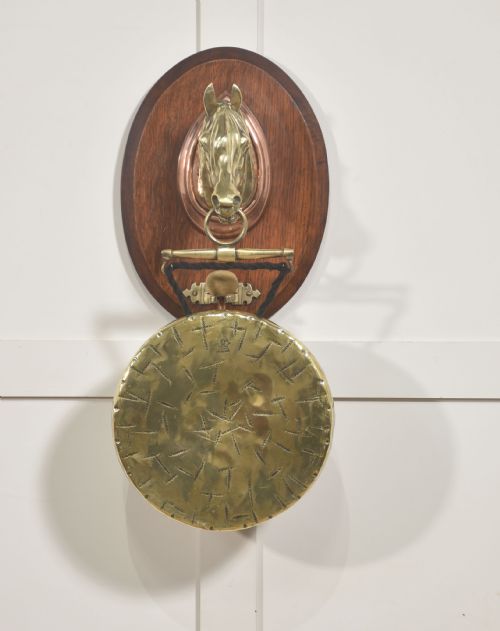


Vintage Brass Plaque
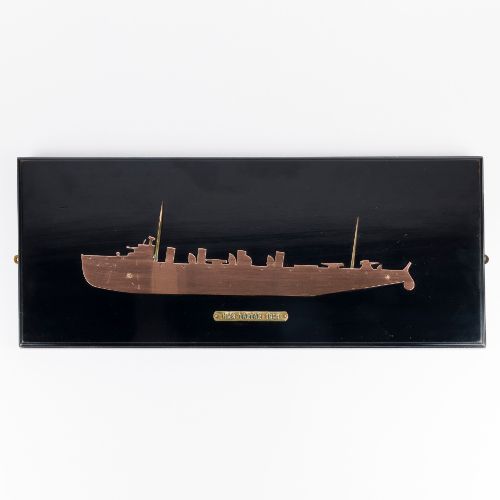
A vintage brass plaque brings tactile metalwork and distinct period character directly to interior walls.
Vintage Brass Plaque
A vintage brass plaque encompasses metal wall art, decorative chargers, and architectural signage originating primarily from the nineteenth and early twentieth centuries. These pieces reflect diverse cultural influences, ranging from British domestic manufacture to intricate Anglo-Indian and continental European craftsmanship.
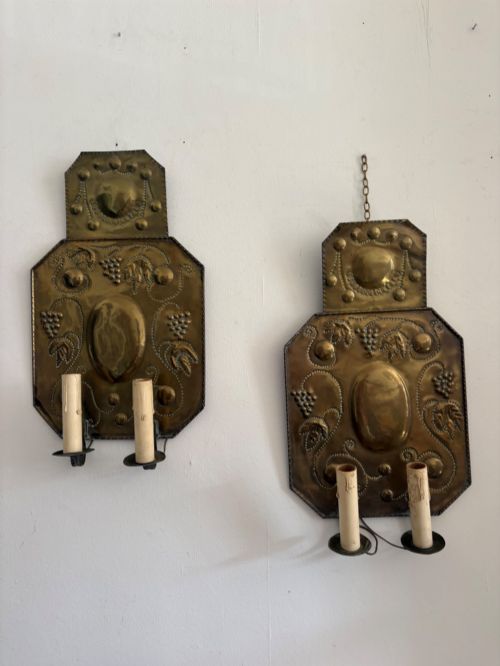
Buyers seeking a vintage brass plaque encounter various formats, including engraved heraldic plates, repousse wall hangings, and utilitarian brass plaques salvaged from safe makers, ships, or commercial establishments. The selection spans distinct design movements such as the Arts and Crafts style, Victorian maritime work, and Edwardian industrial production.
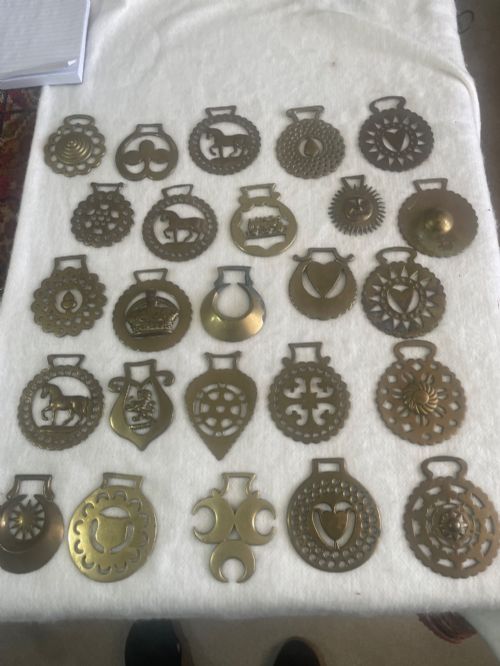
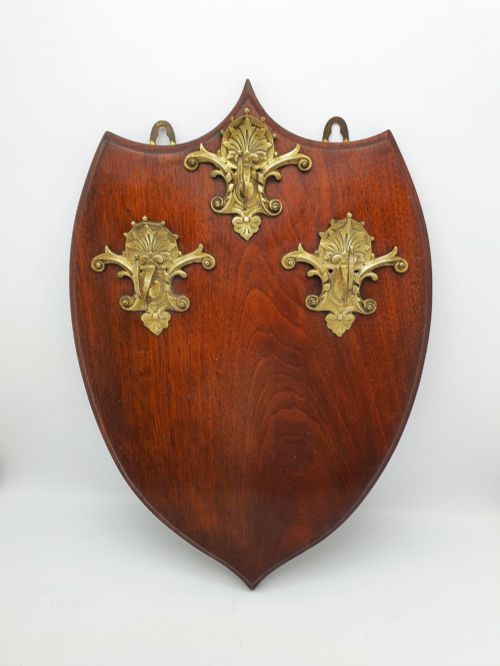
The assortment includes round chargers, rectangular shop signs, and shield-shaped mounts combining brass with oak, walnut, or enamel elements. Each object served a specific original function, whether decorative, commemorative, or informative, before entering the antiques market.
Materials and construction
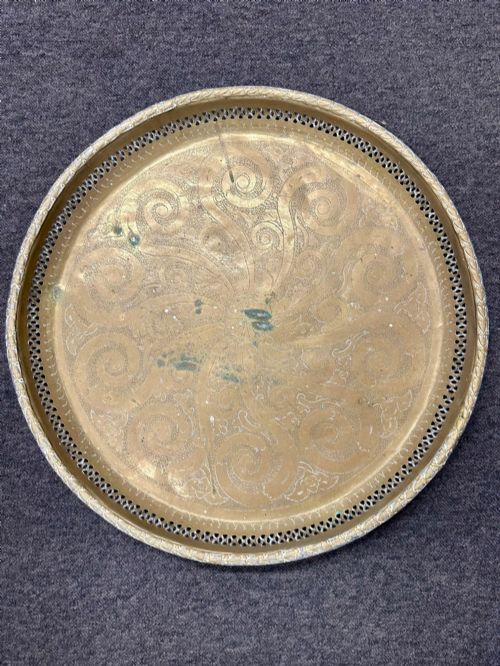
Makers utilised solid brass alongside complementary materials like copper, enamel, porcelain, and seasoned woods such as oak and walnut to construct these plaques and wall mounts. Techniques included hand-beating, repousse work, and surface engraving to build texture and relief.
Workers employed hammers, chisels, and specialised punches to shape sheet metal, often mounting the finished brass elements onto wooden shields or panels for stability and display.
Vintage Brass Plaque Retail Price Guide 2026
Typical asking prices for vintage brass plaque among the pieces listed under this phrase on Sellingantiques today, from the lower quarter to the upper quarter. They describe what is for sale here now, not the wider market.
Among the historical ironmongery and signs, a small vintage doggie wall plaque waits patiently.
Assessing craftsmanship and finish
Quality separates through the depth and crispness of the hand-chased or repousse decoration, where sharper relief and deliberate tool marks indicate skilled handwork rather than simple mechanical stamping. The weight of the metal and the integrity of any mounted wooden backing boards further distinguish sturdier productions.
The refinement of surface finishing, such as disciplined engraving lines and securely integrated enamel or porcelain insets, marks the difference between standard commercial items and superior workshop pieces.
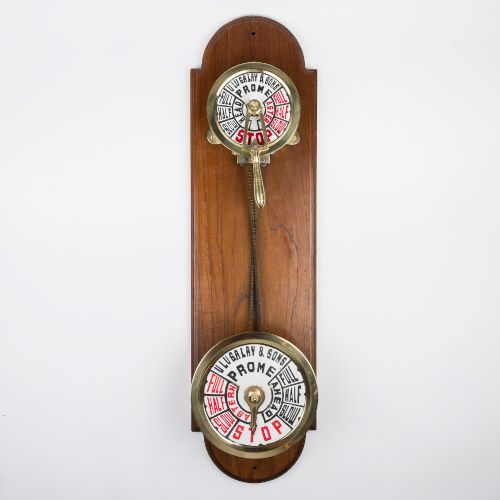
Ulugary & Sons·Milners of Liverpool
The Vintage Brass Plaque Glossary
- Repousse
- A metalworking technique where the artisan hammers the metal from the reverse side to form a raised design in relief on the front. This method creates tactile depth on chargers and wall plaques.
- Cloisonne
- An ancient technique for decorating metal object surfaces, where wires are soldered to the base to create compartments filled with enamel paste and fired. Pieces featuring this method display vibrant coloured patterns.
- Charger
- A large ornamental plate or dish intended for display rather than table service. In metalwork, these items often feature detailed border motifs and central pictorial scenes.
- Ormolu
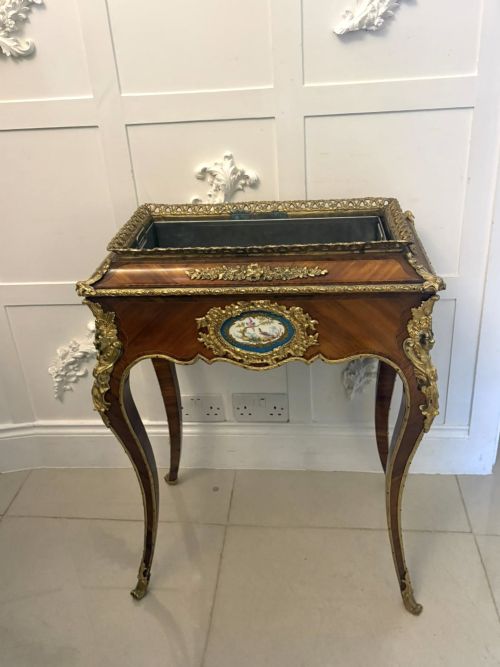
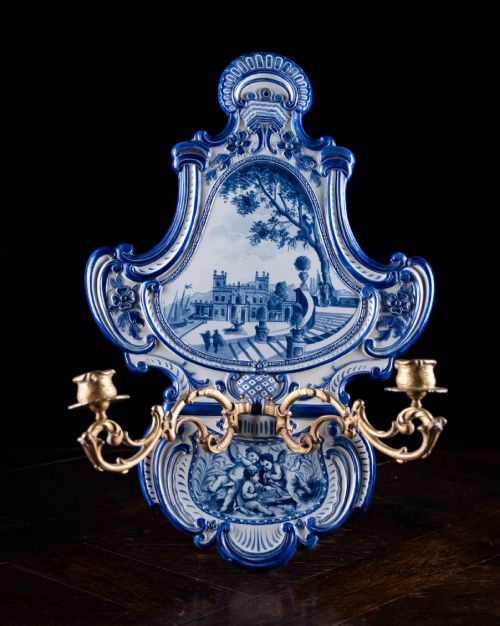
- Gilded bronze or brass applied as a decorative mount or trim on furniture and decorative objects. It provides a bright golden accent against darker woods and patinated metals.
Vintage Brass Plaque: Frequently Asked Questions
How do I hang a heavy vintage brass plaque?
Heavier wall plaques and chargers require secure fixings anchored directly into wall studs or appropriate masonry plugs rather than simple picture wire. Using brackets that support the base lip safely distributes the weight.
Ensure the hanging hardware matches the weight capacity of the specific metal and wood combination to prevent strain on antique mountings.
How should I clean an antique brass plaque?
Maintenance requires gentle dusting with a soft cloth to preserve the historical surface oxidation, known as patina, which develops over decades. Aggressive chemical polishes remove the underlying age character accumulated by the metal.
Avoid abrasive materials that scratch softer brass surfaces or damage integrated enamel and wooden backing components.
What periods do these metal plaques originate from?
The pieces span the nineteenth and early twentieth centuries, encompassing Victorian, Edwardian, and Arts and Crafts design movements. Industrial and maritime examples also appear from these eras.
Stylistic cues and material construction help date individual items within this broad historical window.
Were these plaques meant for indoor use?
Most surviving domestic plaques and decorative chargers were manufactured for interior display in entrance halls, libraries, and reception rooms. Exterior signs, such as those from shops or locomotives, were built to withstand outdoor conditions.
Checking the original context helps determine the best indoor environment for exhibiting each piece.