






Vintage Door Sign
These vintage door sign examples bring authentic character to an interior, offering functional messaging and historic charm from various eras.
Vintage Door Sign
A vintage door sign serves a functional purpose, historically directing the public or indicating specific rooms within commercial and residential settings. Buyers exploring this category encounter cast iron, enamel, brass, and wood pieces originating from Victorian, Edwardian, and later twentieth-century periods.
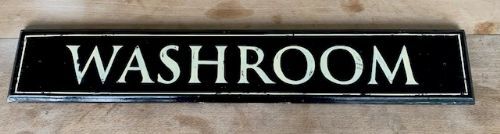
The selection ranges from railway notices and public telephone markers to hand-painted wooden washrooms and exterior brass indicators. These items reflect the practical communication needs of older transport networks, stations, and municipal buildings.
Cast iron and enamel variants dominate the available selections, frequently featuring railway warnings or municipal instructions. Wooden and brass options also appear, representing both original architectural salvage and later sign-written additions.
Materials and construction
Enamel and cast iron provide the durability required for heavy daily use in railway stations and public thoroughfares. Signwriters applied paint directly to wood, iron, and brass surfaces to create clear lettering for travellers and staff.
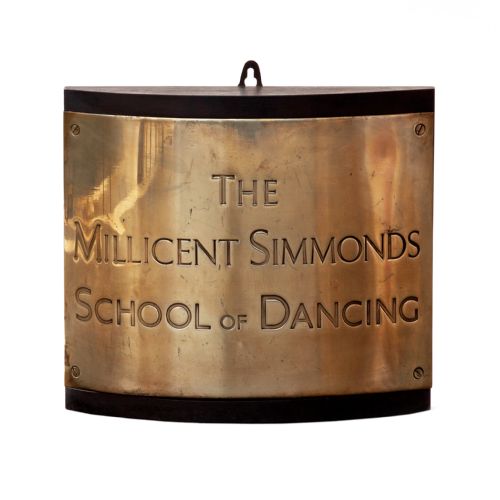
Bronze and brass hardware components utilise cast techniques to produce sturdy handles, push plates, and curved exterior nameplates. Wooden fixtures incorporate oak veneer and mahogany foundations, supporting hand-painted lettering and decorative finishes.
Vintage Door Sign Retail Price Guide 2026
Typical asking prices for vintage door sign among the pieces listed under this phrase on Sellingantiques today, from the lower quarter to the upper quarter. They describe what is for sale here now, not the wider market.
Materials include cast bronze and mahogany alongside traditional vitreous enamel and painted iron.
Assessing quality and craftsmanship
The distinction between items rests on the precision of the original casting, the clarity of the signwriting, and the survival of the original surface finish. Enamel surfaces demonstrate varying degrees of gloss and weathering, whilst cast metal displays sharper lettering relief on superior examples.
Original fixings and untouched patination elevate the appeal of a piece, showing genuine period wear without modern intervention. The balance between legibility and age-related patina dictates the desirability of each marker.
Gerwin & Co Birmingham·Jean Faure
The Vintage Door Sign Glossary
- Cast iron
- An iron-carbon alloy poured into a mould to form rigid shapes, commonly utilised for robust railway and street notices. This material withstands outdoor elements effectively.
- Enamel
- A glassy substance fused to a metal substrate through firing, creating a smooth, weather-resistant surface for public signage. It preserves vibrant lettering across decades of exposure.
- Architectural salvage
- Building components and fixtures rescued from demolition or renovation projects for reuse in interior design. These items preserve historical manufacturing methods.
- Sign-written
- Lettering applied by hand using paint rather than mechanical printing techniques. This method was standard for bespoke commercial and domestic notices.
Vintage Door Sign: Frequently Asked Questions
How do I hang a heavy iron sign?
Heavy cast iron and enamel items require secure fixings anchored directly into wall studs or solid masonry. Utilising appropriate rawl plugs and screws prevents damage to both the wall and the vintage material.
Ensure the weight is distributed evenly across mounting holes to keep the piece stable during daily use.
Are these signs suitable for outdoor use?
Many enamel and cast iron varieties were originally engineered to withstand outdoor weather conditions on railway platforms and exterior walls. However, wooden markers and painted surfaces benefit from sheltered placement to preserve the original pigments.
Check the base material of each specific piece before exposing it to moisture or direct sunlight.
How do I clean an enamel sign?
Wipe enamel surfaces gently with a soft cloth dampened in warm soapy water to remove accumulated dust and grime. Avoid abrasive scouring pads or harsh chemical solvents that can dull the glossy finish.
Dry the metal thoroughly after cleaning to prevent corrosion around any exposed edges or fixing holes.
How do I date a metal sign?
Dating relies on typography styles, manufacturing techniques, and context such as railway company names or municipal bodies noted on the piece. Victorian and Edwardian examples often feature distinct serif lettering and heavier casting methods compared to later twentieth-century iterations.
Comparing the manufacturing substrate against known periods helps narrow down the decade of production.