

English Station Clock
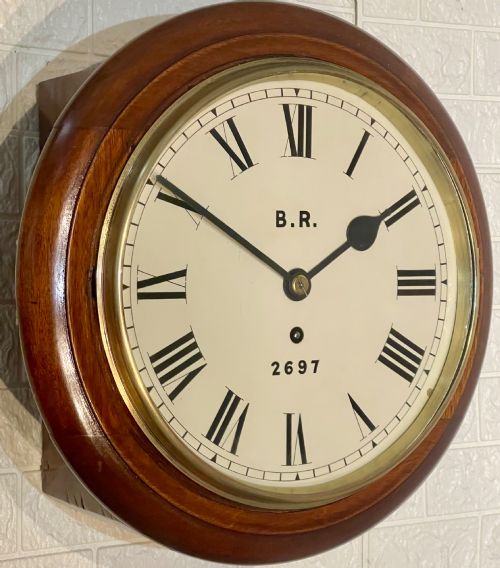
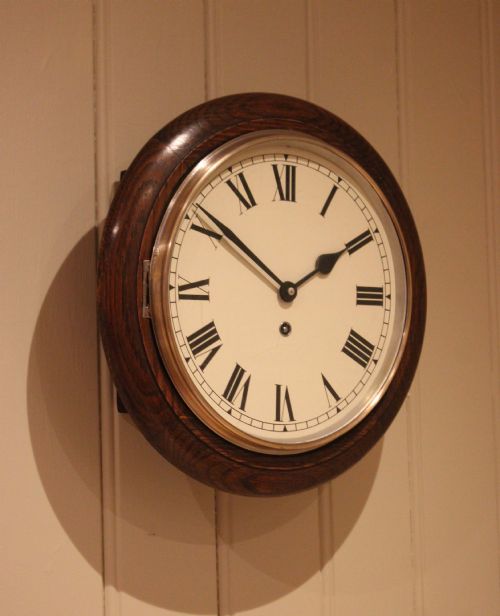
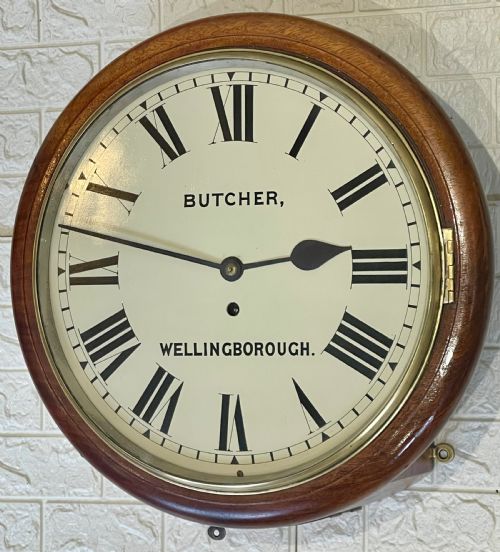
An English station clock is a robust wall timekeeper built to keep time in public spaces, prized for its clear dial and strong timber case.
What these clocks are
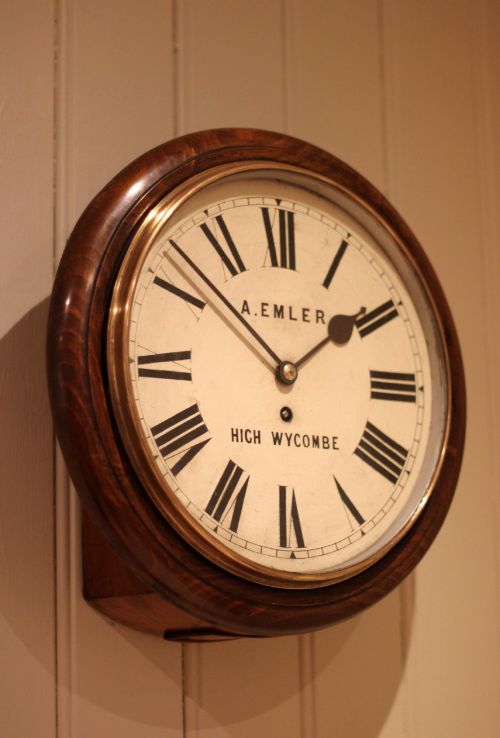
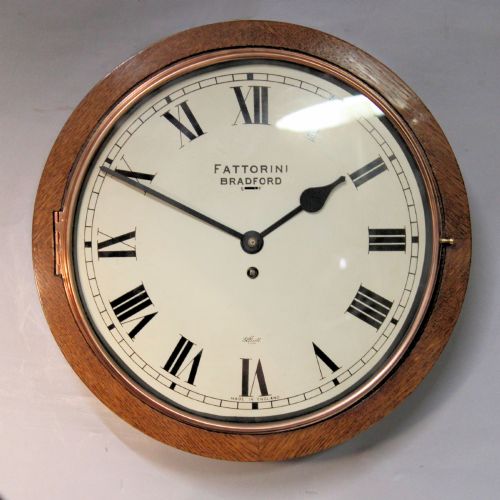
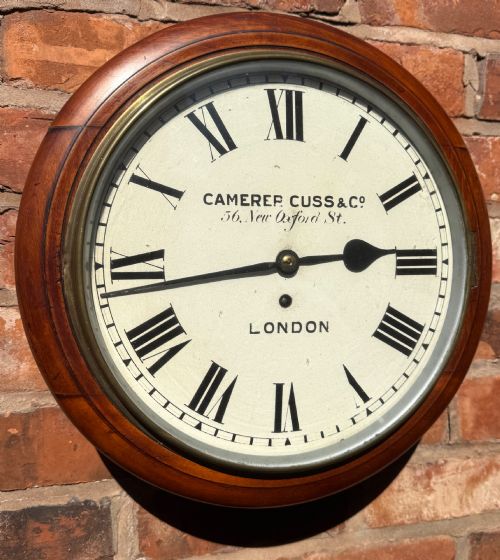
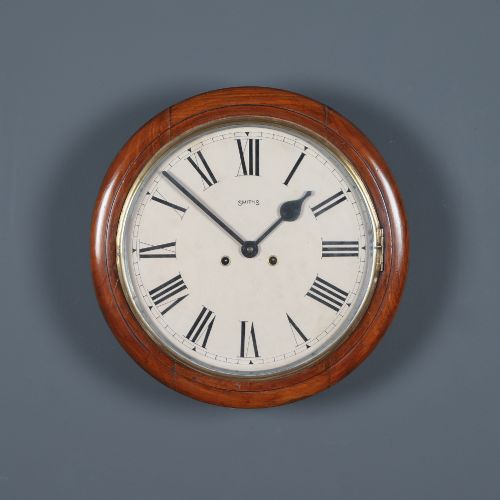
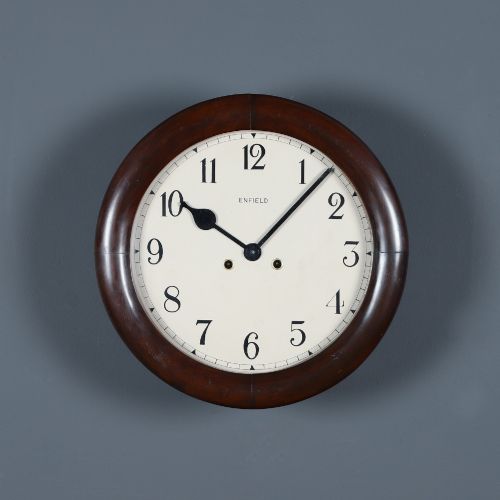
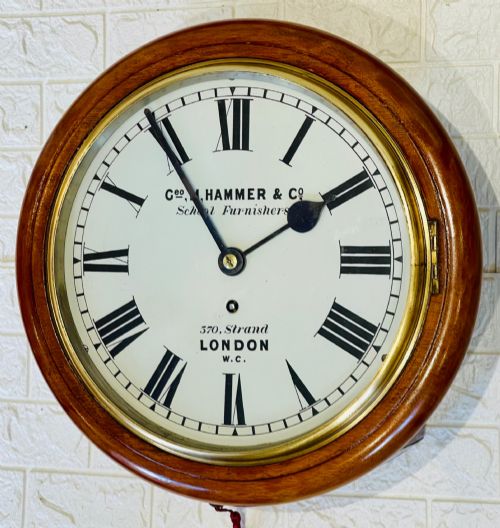
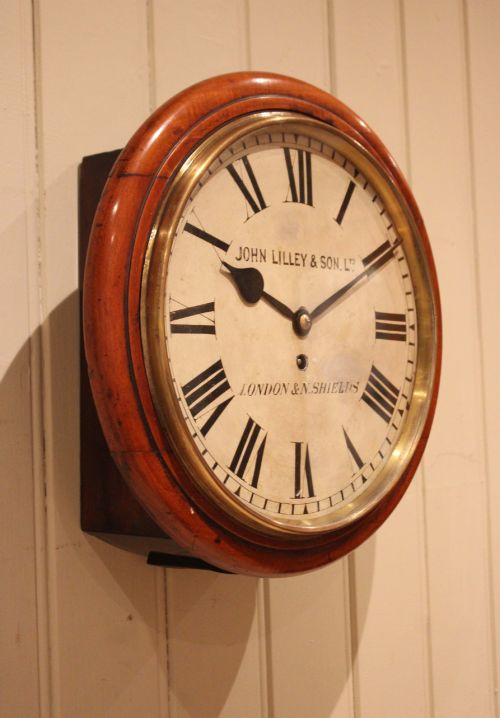
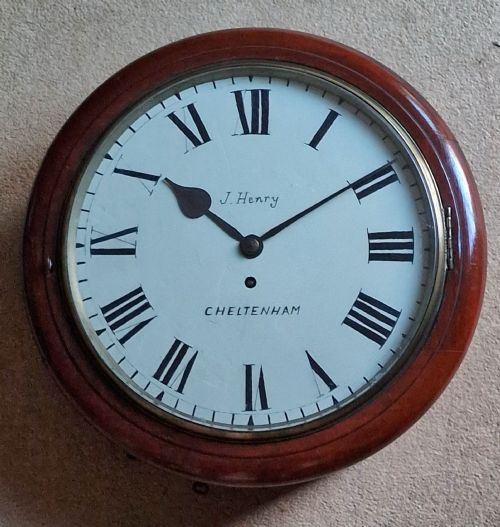
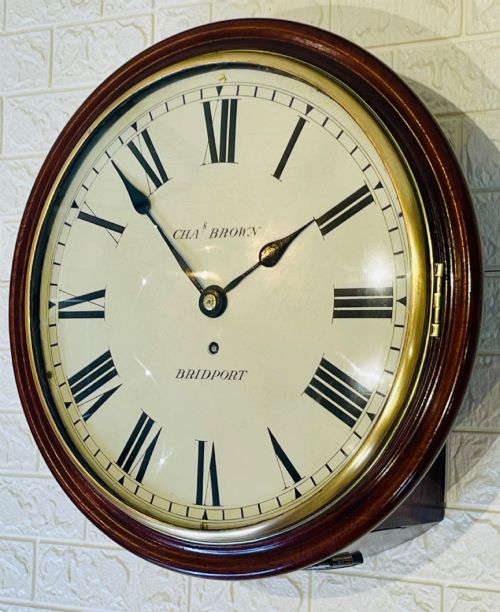
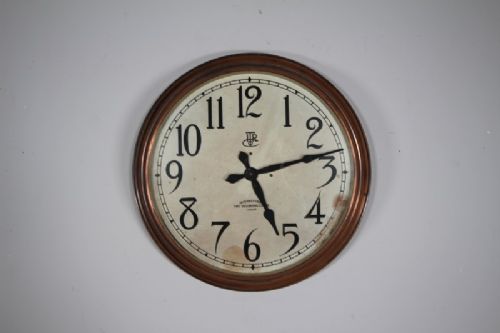
An English station clock serves as a practical timepiece designed for legibility and endurance in public buildings, transport hubs, and municipal rooms. These wall clocks appear primarily from the Victorian era, spanning the decades from eighteen seventy through to nineteen twenty.
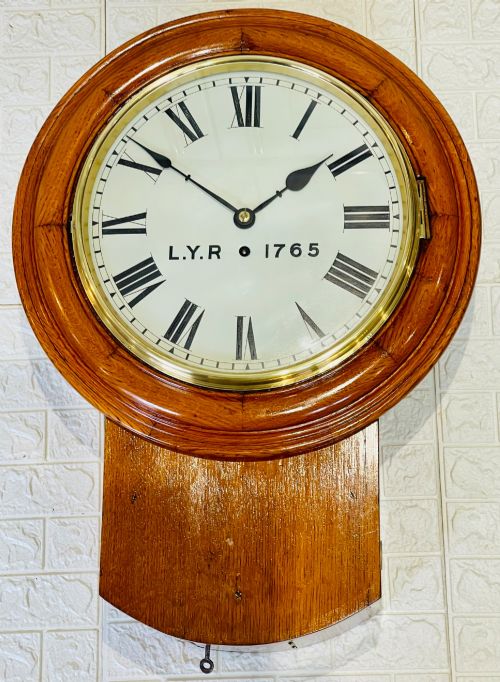
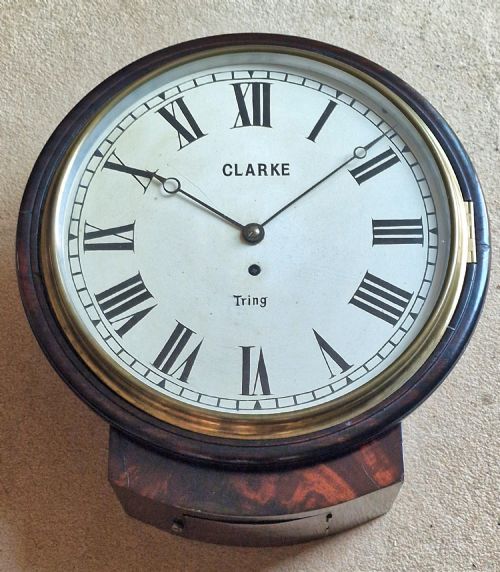
The form is dominated by round wall clocks and drop-dial cases that house bold painted iron dials. Such timepieces were essential instruments for synchronising schedules before personal pocket watches became universal.
Buyers encounter examples originating from municipal spaces, such as town halls and libraries, alongside school rooms. The mahogany case encloses a mechanical movement driven by a fusee mechanism or a twin-fusee bell striking setup.
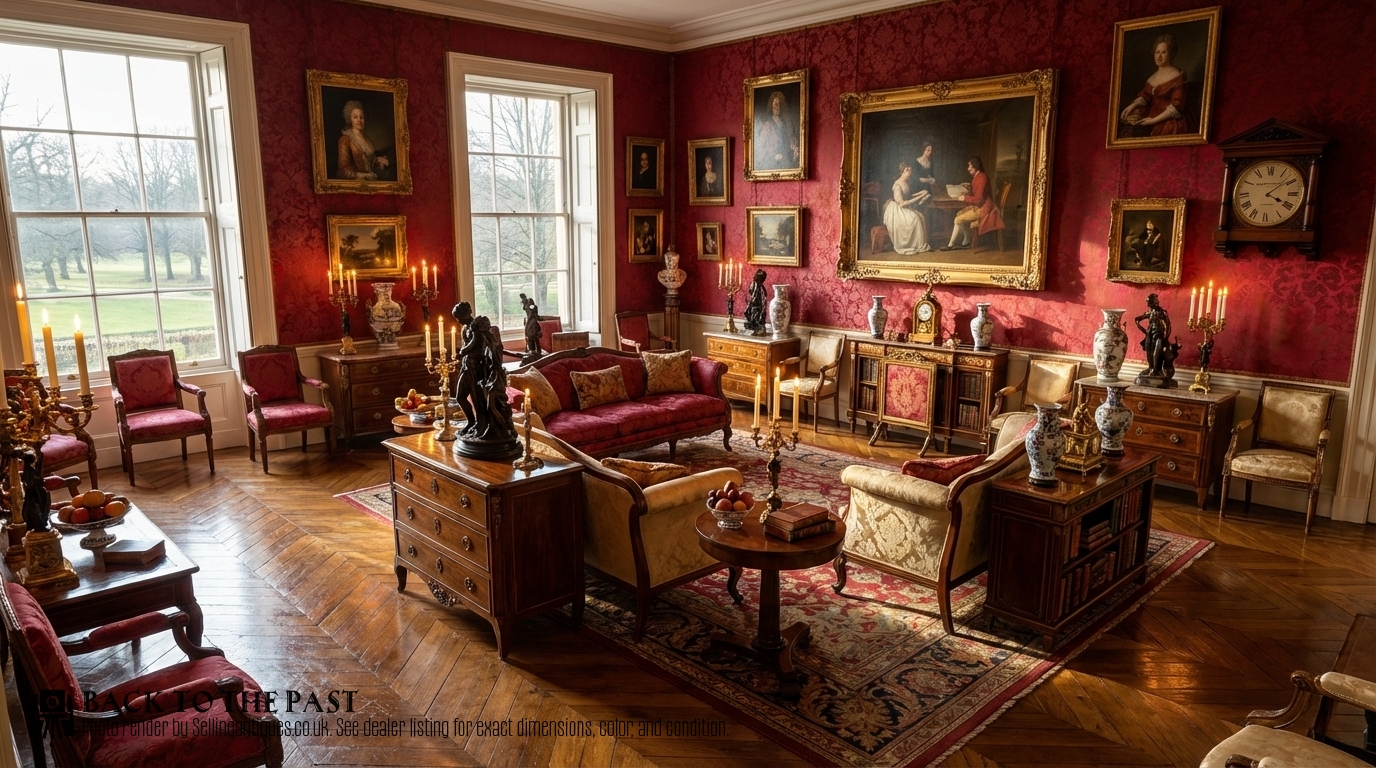
Materials and construction
Makers constructed the circular and drop-dial cases using solid mahogany timber, often polished to a dark sheen. Brass components form the internal gear trains and bezels, while clear glass protects the face.
The dials consist of painted iron, marked with distinct numerals to ensure high visibility from a distance. Movement relies upon fusee mechanisms, and more complex models incorporate twin-fusee systems with bell striking capabilities.
Retail Price Guide 2026
Typical UK retail prices for english station clock, calculated from the Sellingantiques database of over a million retail prices indexed since 2003. This retail price guide relies exclusively on Sellingantiques data; no external sources or auction records are used, so the figures do not describe the wider market.
Some clocks spent their working lives keeping councillors on schedule inside busy municipal town halls.
Separating the ordinary from the exceptional
Quality rests in the sophistication of the internal movement and the complexity of its function. A standard single-fusee time-only mechanism differs significantly from a twin-fusee setup that strikes the hours on a bell.
The precision of the painted iron dial and the solidity of the mahogany housing dictate the visual standard. Pieces with documented municipal provenance or specific local history carry distinct archival interest that elevates their standing.
Palmer & Co.
The English Station Clock Glossary
- Fusee
- A conical pulley used in clock movements to maintain even force as the mainspring unwinds. This device ensures consistent timekeeping accuracy across the power reserve.
- Twin-fusee
- A movement incorporating two separate fusee chains or cords, typically dividing timekeeping from the striking train. This allows the clock to sound the hours on an internal bell.
- Drop-dial
- A clock case featuring a circular upper portion for the dial and an extended lower trunk. This lower section often accommodates a longer pendulum swing or weights.
- Painted iron
- A sheet metal substrate coated with a smooth finish to form the dial face. Artisans applied hand-painted numerals and markers directly onto this primed surface.
Frequently Asked Questions
What is an English station clock?
An English station clock is a large wall-mounted timekeeper designed for public spaces, offices, and municipal buildings. These pieces prioritise legible painted iron dials and sturdy mahogany housings.
Such clocks were built to withstand heavy daily use and provide accurate time for travellers, workers, and students.
How do fusee movements work?
A fusee movement uses a conical drum coupled with a chain or cord to regulate the pull of the mainspring. As the spring loses tension, the chain moves to a wider part of the cone to maintain equal torque.
This clever mechanical adjustment helps the clock keep more uniform time throughout its running period.
Where were these clocks used?
These wall clocks hung in railway termini, municipal offices, town halls, libraries, and school rooms. Their primary purpose was to keep large groups of people coordinated.
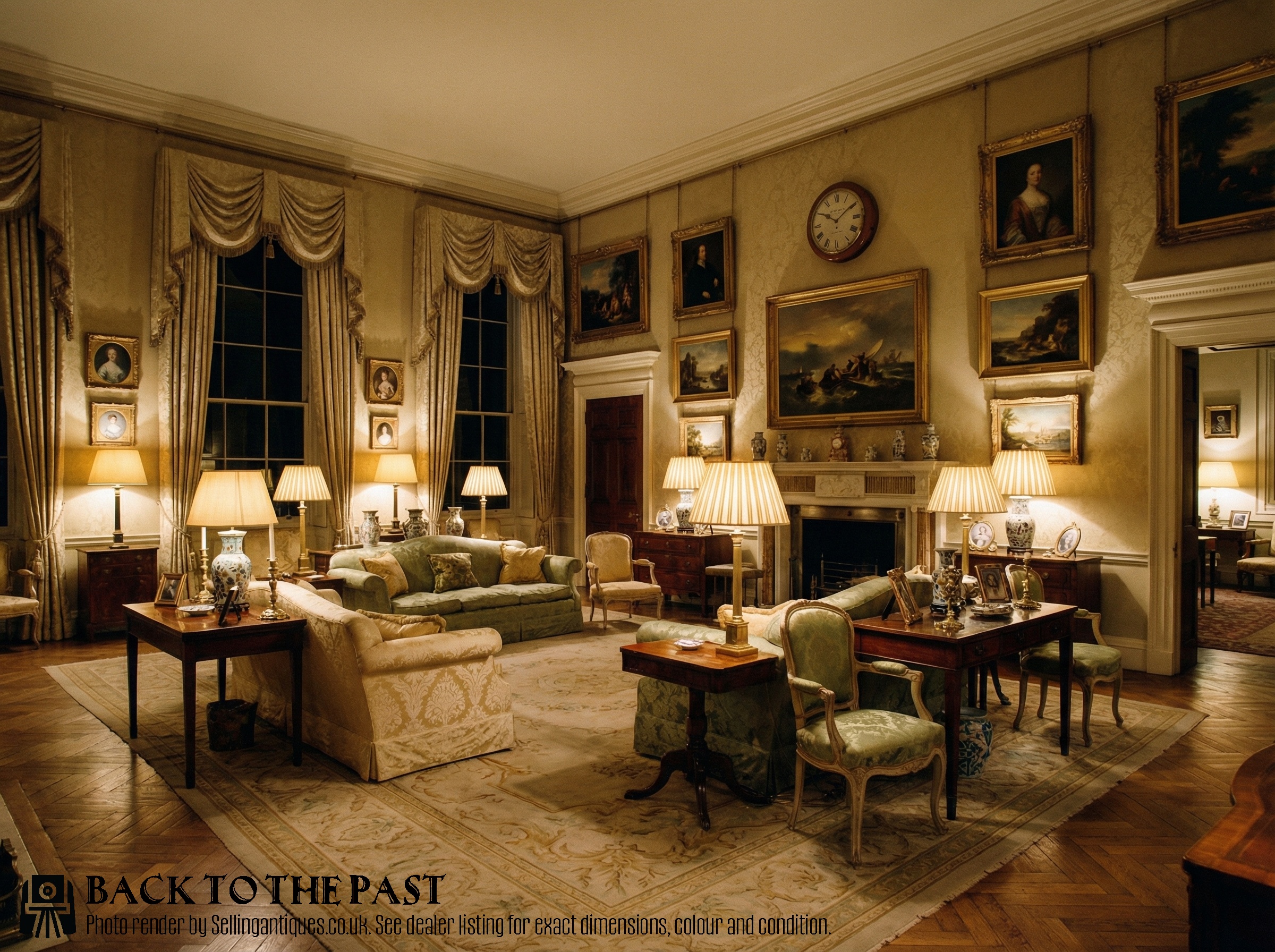
Today, they transition easily into domestic hallways, kitchens, and large living spaces as functional wall art.
How do I date a station clock?
Dating relies on examining the case timber, the style of the painted iron dial, and the mechanical movement. Mahogany cases and fusee mechanisms point toward Victorian and early twentieth-century production.
Inscribed histories or maker signatures on the dial also provide specific chronological markers.