


English Porcelain Urn Vase
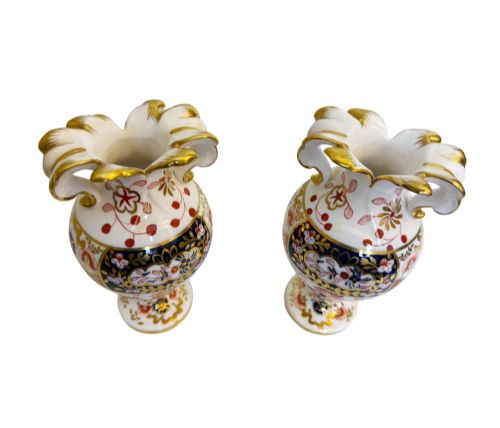
An English porcelain urn vase brings sculptural neoclassical form and painted decoration to a mantelpiece or side table.
English Porcelain Urn Vase
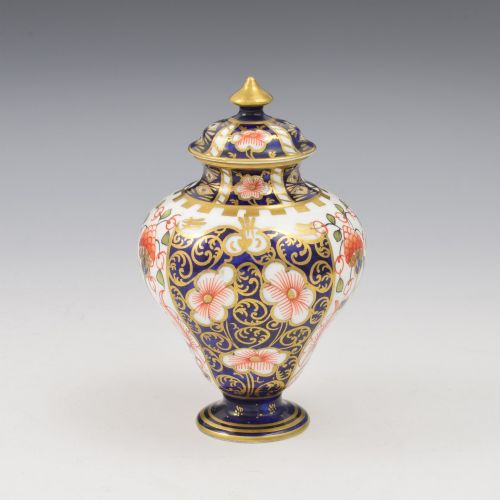
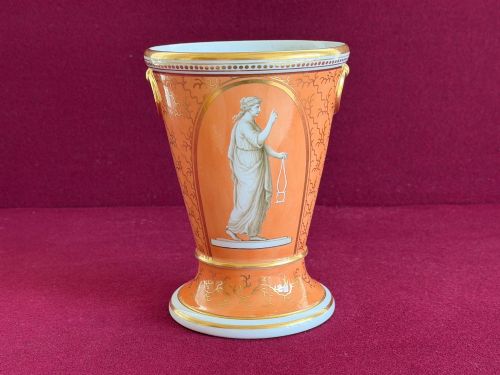
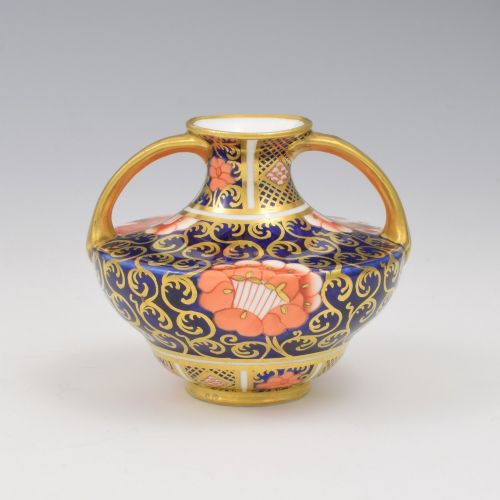
An English porcelain urn vase combines classical vessel shapes with ceramic artistry, drawing on Georgian, Regency and Victorian design traditions. Buyers encounter everything from miniature cabinet pieces and two-handled campana urns to large lidded potpourri jars and exhibition pieces.
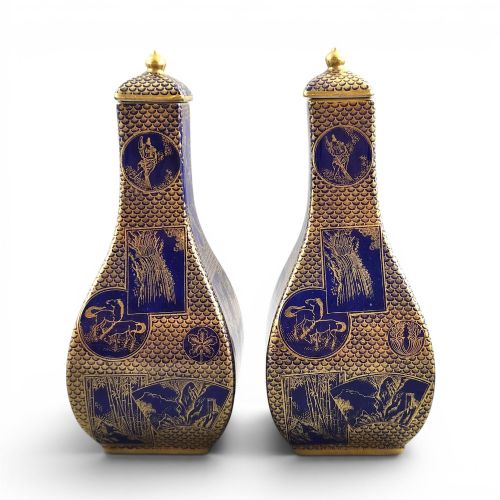
Production spans centuries, moving from eighteenth-century Chelsea and Derby figures through the neoclassical output of Worcester factories to later Edwardian and Art Deco iterations. Pieces often display specific regional patterns such as Imari palettes, Chinoiserie motifs or transfer-printed scenes.
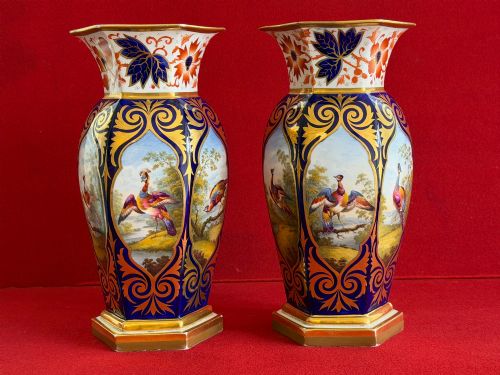
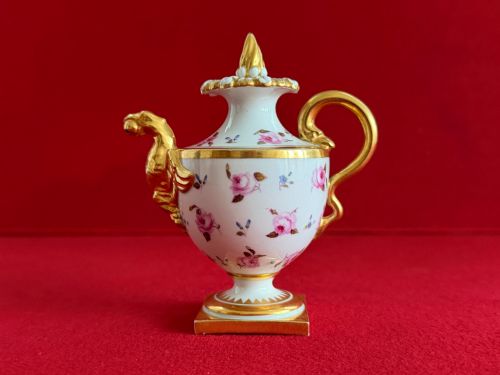
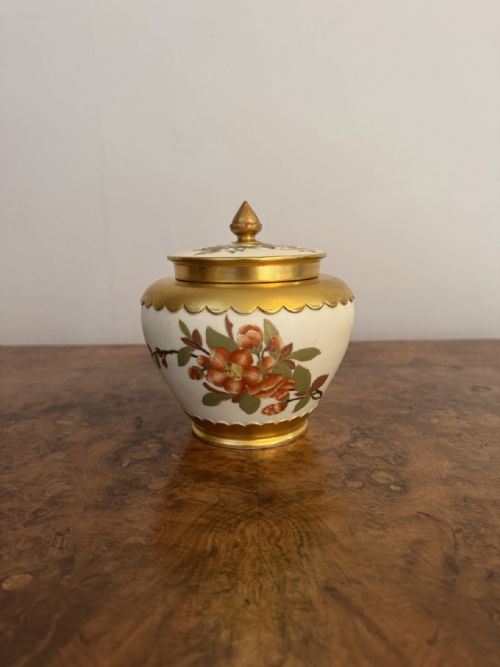
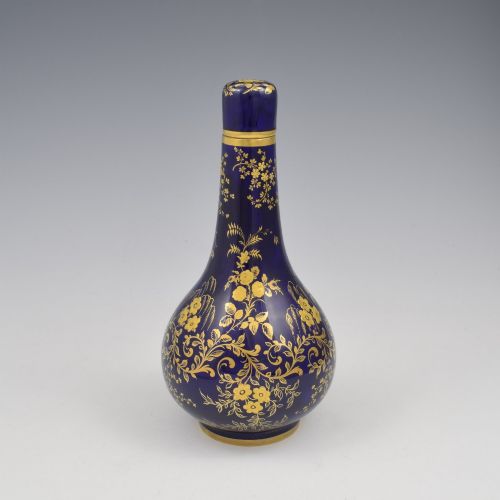
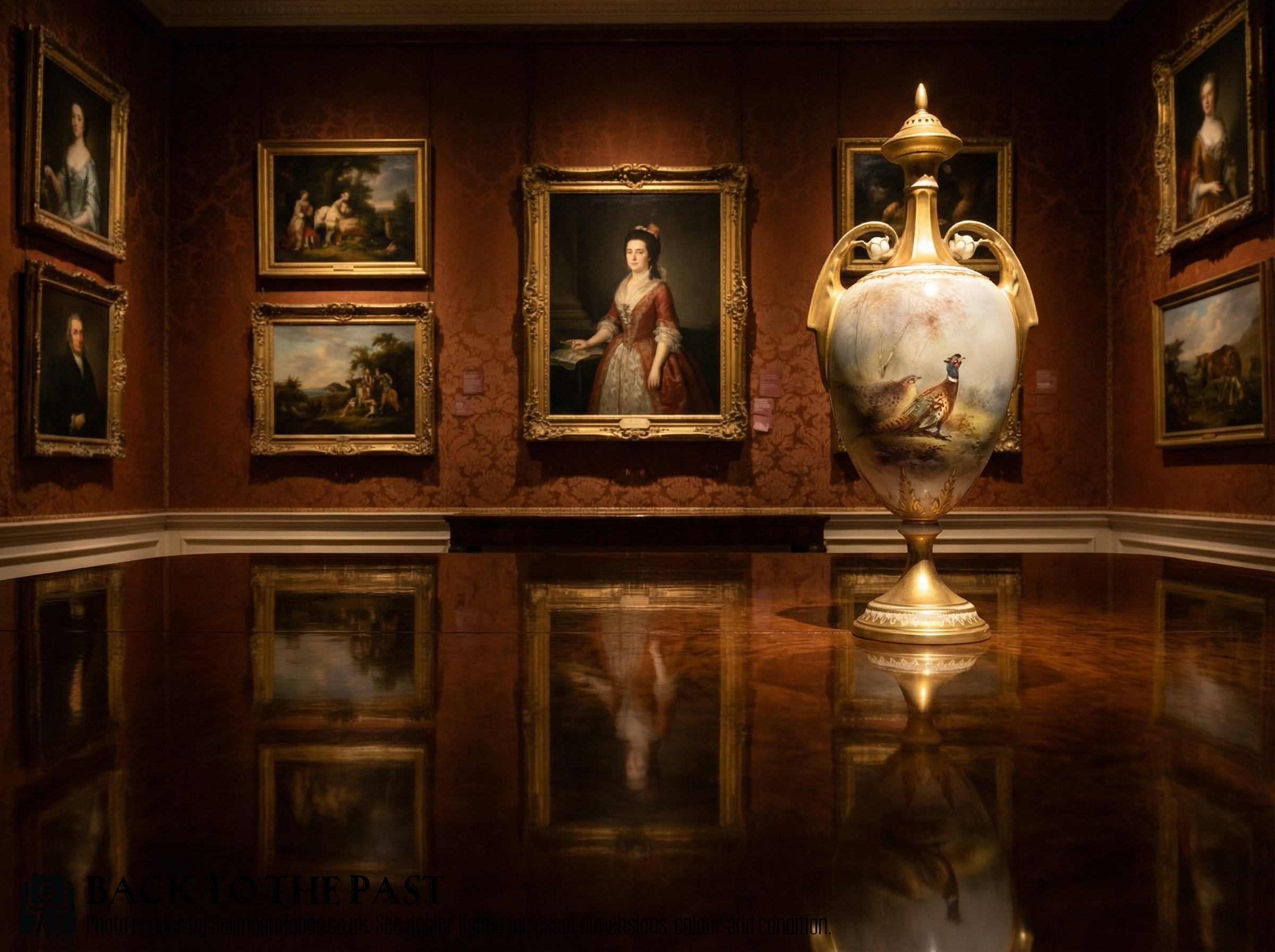
Functional vessels like rose water sprinklers and jardinieres sit alongside purely decorative display urns and converted lamps. Forms range from white and gilt vessels to heavily enamelled specimens featuring hand-painted birds and floral studies.
Materials and Technique
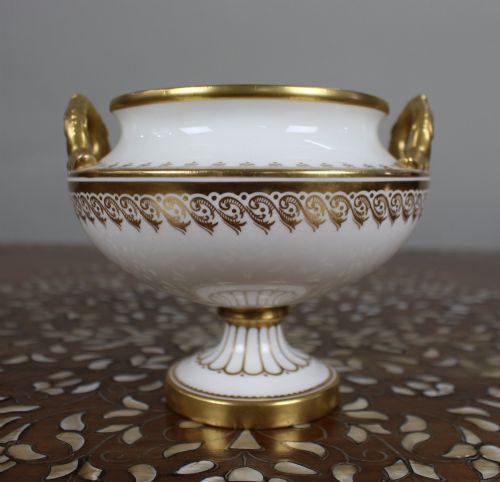
Makers utilised fine porcelain, bone china and durable ironstone bodies, shaping them into classical campana, bottle or pedestal forms. Glazes provided a smooth, vitreous ground ready for subsequent hand painting and transfer printing.
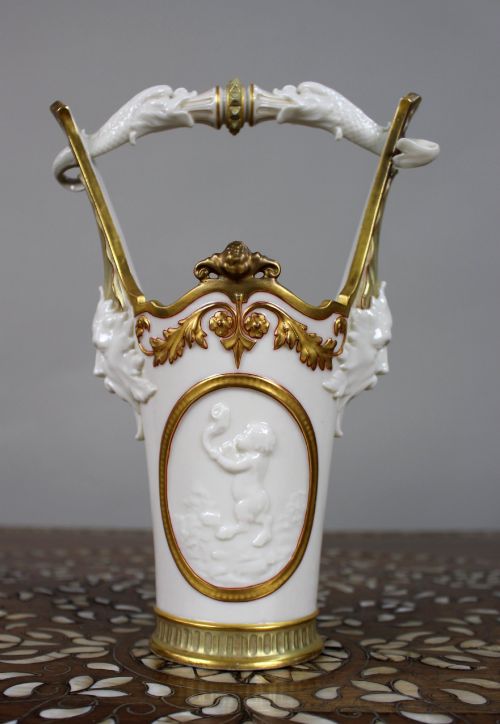
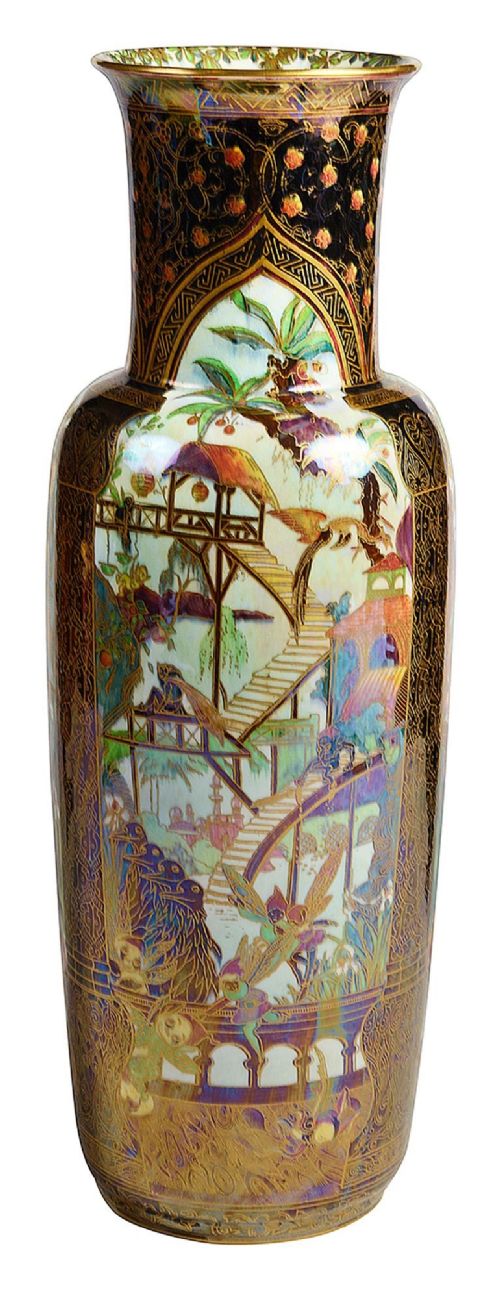
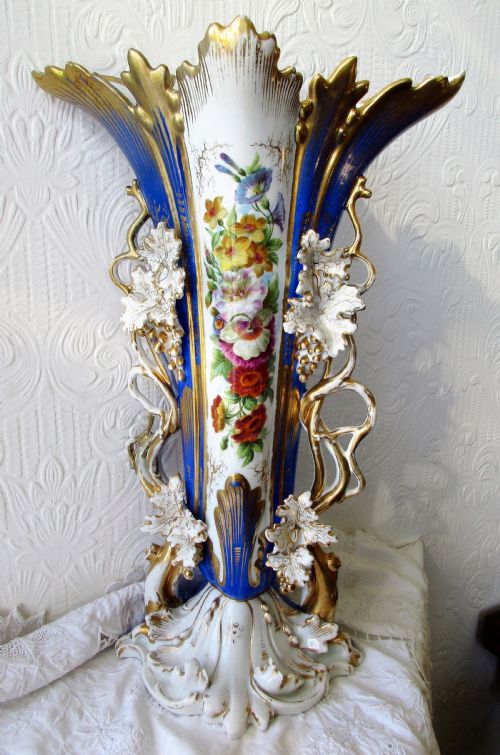
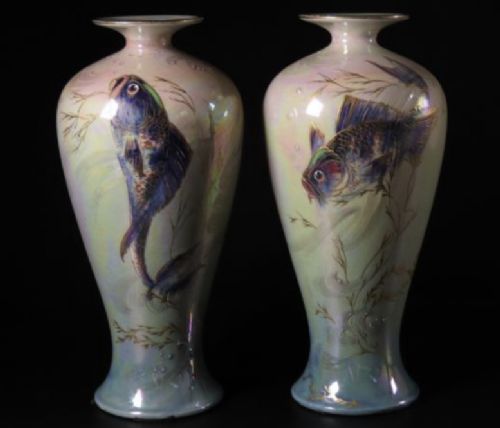
Gilding and gold leaf highlight handles, rims and borders, often applied alongside rich enamel colours including mazarine blue grounds. Artisans utilised techniques ranging from delicate polychrome brushwork to lustre finishes and raised gilding.
Listings feature porcelain urn vases spanning from the eighteenth-century gold anchor period through Regency and Edwardian eras to the twentieth century.
Craftsmanship and Execution
The distinction between standard production and top-tier examples lies in the execution of hand-painted details and the crispness of the porcelain moulding. Master painters working for prominent factories achieved remarkable finesse in portrait medallions, botanical studies and bird plumage.
The richness of the gilding and the depth of the cobalt or mazarine blue grounds indicate the original tier of production. Superior pieces retain intricate gilding work and complex enamel layers without blurring or misalignment at the firing stage.
Royal Crown Derby·Flight Barr and Barr·Royal Worcester·Mason's Patent Ironstone·Spode·Coalport
The English Porcelain Urn Vase Glossary
- Campana
- A bell-shaped urn or vase vessel with an everted rim and footed base, popular during the Regency and Victorian periods.
- Imari
- A decorative style inspired by Japanese export wares, characterised by a palette of underglaze blue, iron red and gold.
- Ironstone
- A heavy, durable type of earthenware patent ceramic developed in the nineteenth century to rival true porcelain.
- Lustre
- A metallic glaze finish that creates an iridescent, shimmering sheen across the surface of the ceramic vessel.
- Potpourri
- A perforated lidded vessel designed to hold dried scented plant materials for perfuming domestic interiors.
English Porcelain Urn Vase: Frequently Asked Questions
What is an urn vase used for?
These vessels functioned primarily as decorative mantel ornaments, centrepieces or containers for aromatic potpourri within period interiors.
Larger examples served as exhibition showpieces, while smaller miniature versions were collected as cabinet displays.
How do I identify the period of an English porcelain vase?
Dating relies on factory factory marks, paste composition, and stylistic clues such as Regency neoclassical shapes or Victorian aesthetic movement motifs.
Form variations, from Georgian campana silhouettes to Art Deco lustre finishes, further anchor pieces in time.
Are these vases made of true porcelain?
Makers utilised a mixture of soft-paste porcelain, hard-paste porcelain, bone china and heavy ironstone across different eras.
Each body type offers distinct weight, translucency and glaze characteristics visible upon closer inspection.
How should I clean my antique porcelain vase?
Dusting gently with a soft dry brush prevents the accumulation of particulate matter on delicate gilt and enamel surfaces.
Avoid immersion in water or chemical cleaning agents, particularly on pieces with cold-painted decoration or fragile gold leaf.