


Painted Porcelain Lidded Jar
When you seek a painted porcelain lidded jar, you are looking for a covered vessel that combines fine ceramic work with detailed hand-drawn imagery.
Painted Porcelain Lidded Jar
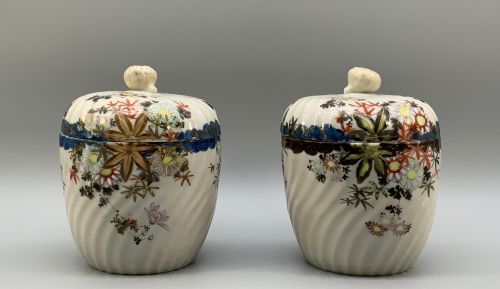
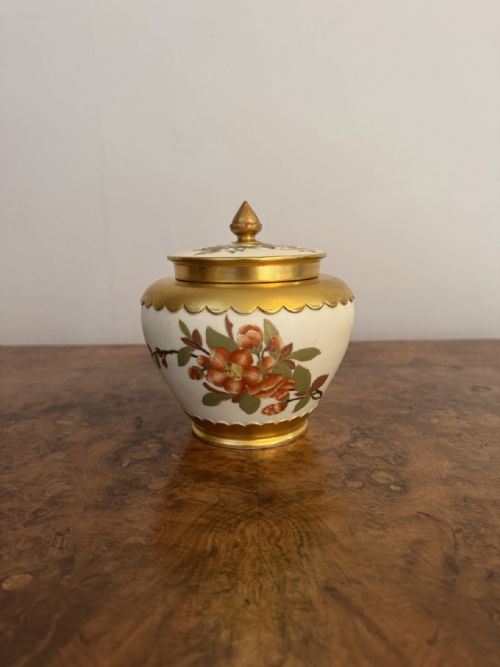
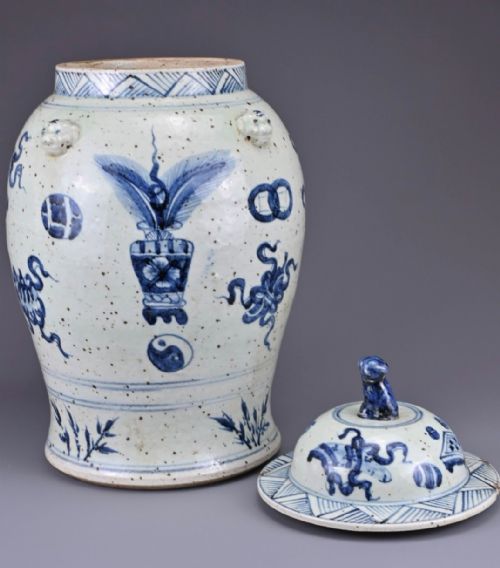
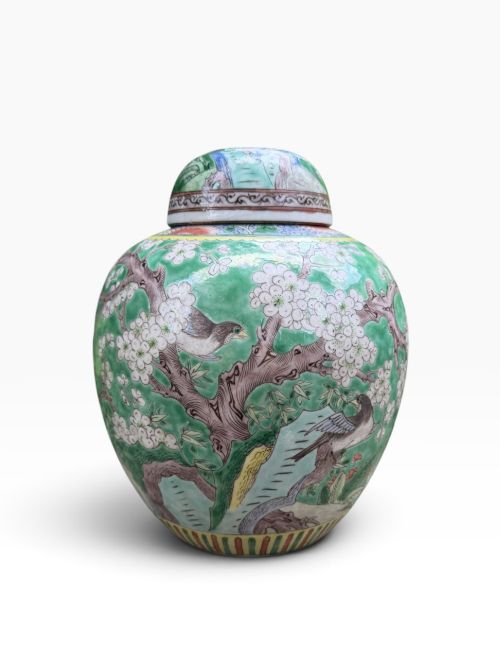
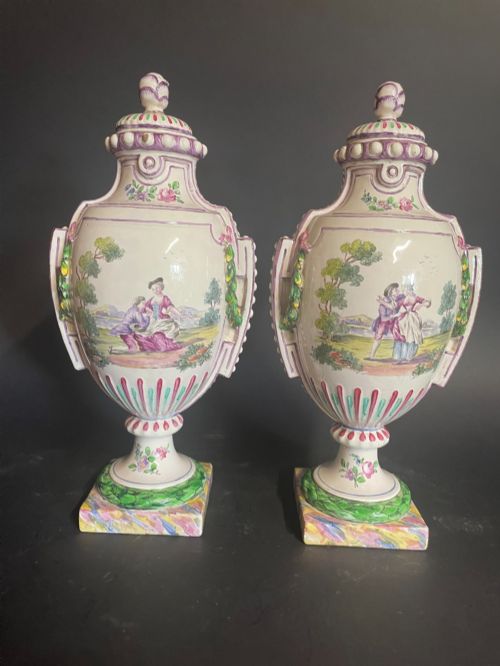
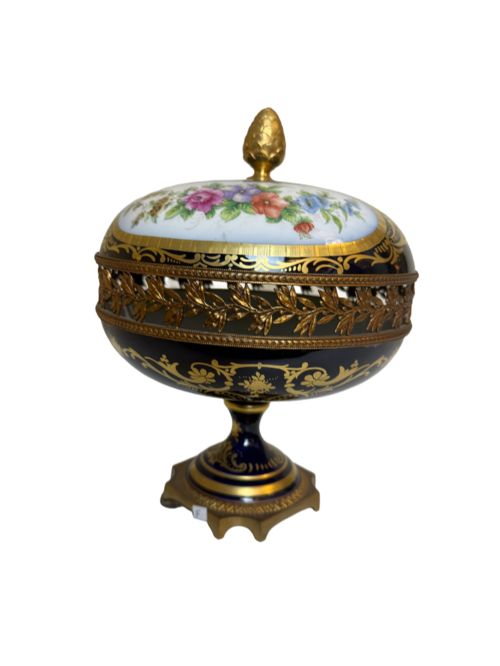
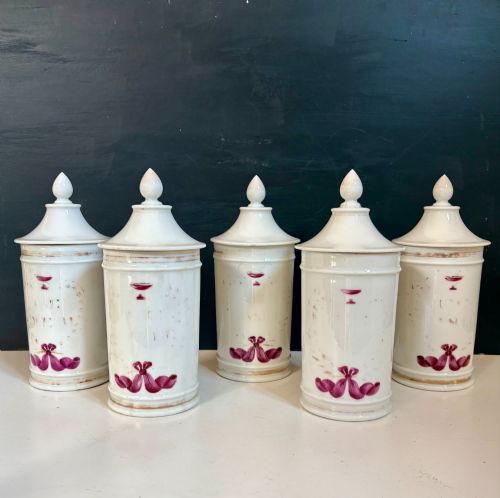
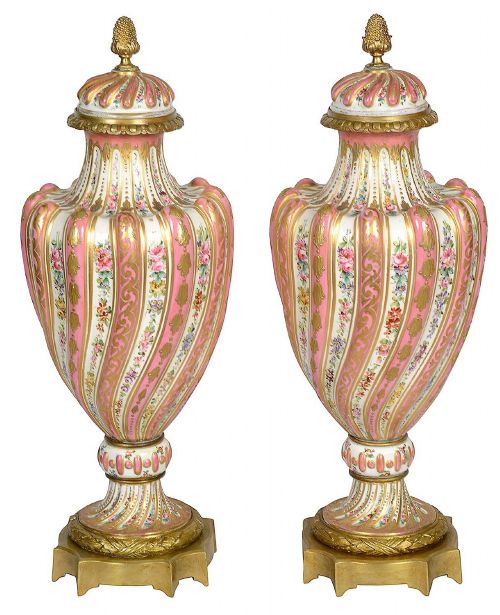
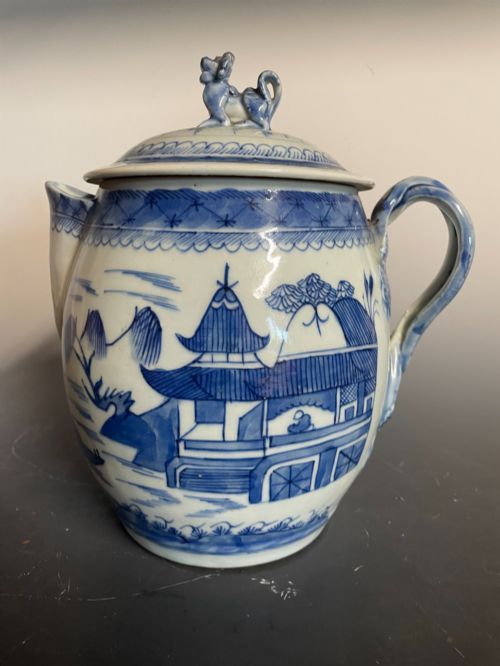
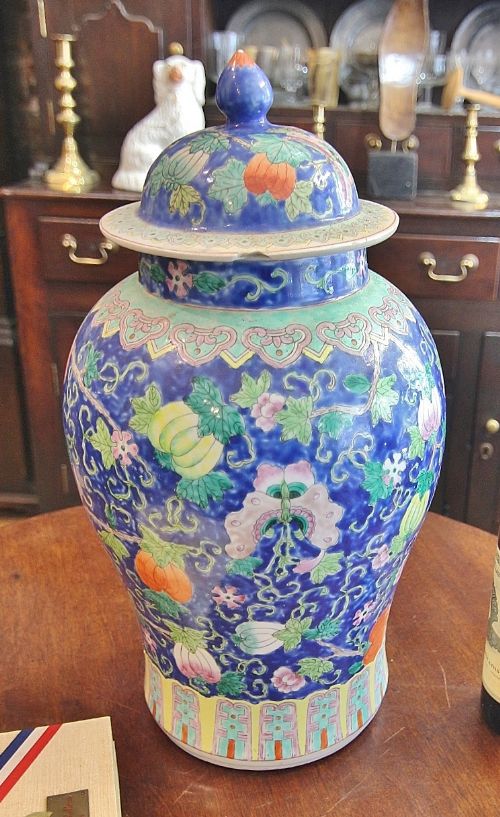
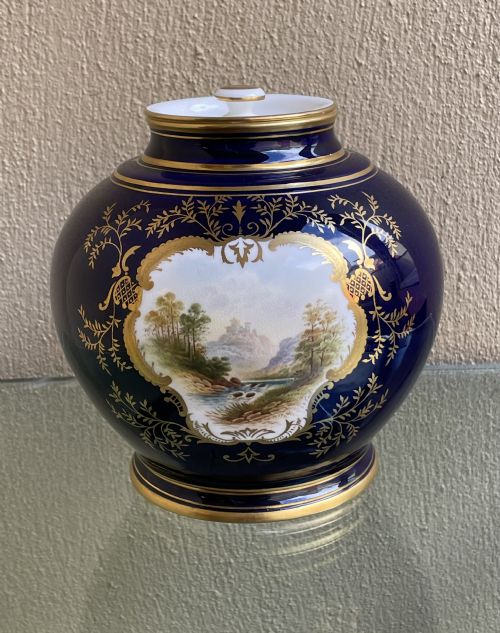
A painted porcelain lidded jar serves as a decorative or functional container, often taking the form of ginger jars, potpourri pots, and lidded urns. These pieces emerge from major European and Asian centres of ceramic production across the nineteenth and twentieth centuries.
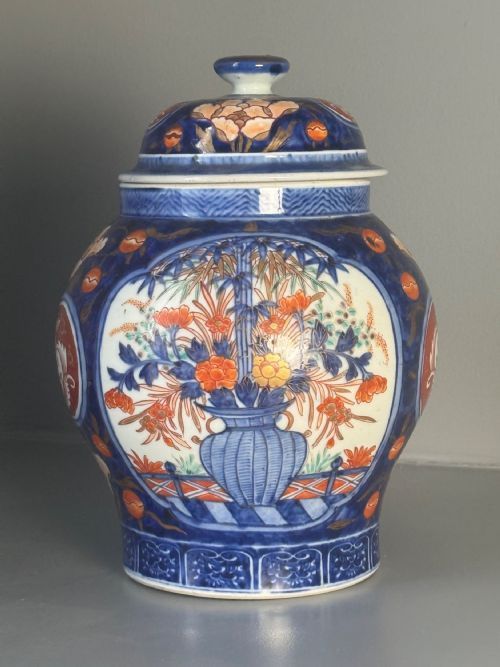
You will frequently encounter Japanese Imari wares featuring rich cobalt blue and iron red pigments alongside nineteenth-century European factory pieces. English works from makers such as Royal Worcester and Coalport appear regularly alongside French and German painted porcelain.
The forms range from compact ginger jars designed for dry goods to large decorative urns and potpourri vessels made to sit on mantels and side tables. Lids vary from flat covers to domed crowns with intricate finials.
How They Were Made
Potters shaped these vessels from ceramic and porcelain paste before applying underglaze or overglaze pigments by hand. Artisans utilised enamel colours, gold leaf, and gilding to accentuate the painted scenes and borders.
Ffiring took place in kilns at high temperatures to set the glaze and fuse the metallic or enamel decorations to the body. Many European and Japanese workshops then added secondary gilding or hand-painted details before a final low-temperature fix.
Listings feature eighteenth-century Delft earthenware alongside nineteenth-century Japanese Imari porcelain and twentieth-century English ceramic wares.
What Varies in Quality
The distinction between standard factory output and the finest hand-painted pieces lies in the precision of the brushwork and the depth of the palette. Master painters working at prominent factories achieved remarkable detail in floral panels, figures, and birds.
The weight, clarity, and translucency of the porcelain body also dictate the quality of the vessel. Superior pieces display crisp moulding under the glaze, secure fitting lids, and carefully applied gold leaf that remains sharp and untarnished.
Royal Worcester·Royal Crown Derby·Helena Wolfsohn·Samson of Paris·Coalport
The Painted Porcelain Lidded Jar Glossary
- Imari
- A style of Japanese porcelain featuring a distinct palette of underglaze blue, iron red, and gilt highlights. This aesthetic was widely exported to Europe and later copied by Western factories.
- Potpourri
- A mixture of dried plant materials scented with spices, held within a lidded vessel pierced with small holes to release fragrance. These decorative pots became popular in nineteenth-century interiors.
- Ginger jar
- A broad-shouldered ceramic vessel with a short neck and flat-rimmed cover, originally used to transport spices and preserves. Later periods turned these practical containers into purely decorative mantel pieces.
- Overglaze
- Enamel decoration applied on top of the fired glaze, requiring a secondary, lower-temperature kiln firing to bond the colours. This technique allows for a broader and more vibrant range of pigments.
- Finial
- A decorative knob or terminal attached to the top of a jar lid. These sculptural elements range from simple domed shapes to elaborate floral and animal forms.
Painted Porcelain Lidded Jar: Frequently Asked Questions
What were painted porcelain lidded jars used for?
These vessels originally served practical purposes such as storing ginger, tea, potpourri, or dry goods in wealthy households. Over time, their decorative qualities took precedence, and they became ornamental display pieces for drawing rooms and mantelpieces.
As domestic interiors evolved through the nineteenth century, matching pairs of lidded jars and vases were placed on tables and consoles to demonstrate taste and refinement.
How do I date a painted porcelain lidded jar?
Dating relies on examining the factory marks stamped or painted on the base, the style of the hand-painted decoration, and the composition of the porcelain body. Victorian and Edwardian pieces often bear specific registration numbers or factory ciphers that narrow down the year of production.
Stylistic cues such as the vibrant palettes of Meiji period Japanese Imari or the soft floral grounds of nineteenth-century European porcelain also help place the piece within a specific decade.
Are lids usually original to the jars?
Lids were easily separated or broken over centuries of use, making original matched covers an important consideration for collectors. Close inspection of the rim, glaze tone, and wear patterns helps determine if the lid belongs to the body.
Even when a lid is a later replacement or a period match, the overall aesthetic appeal of the painted porcelain lidded jar remains strong if the proportions align correctly.
How should I clean my porcelain jar?
Painted porcelain and delicate gilding require gentle care to preserve the surface pigments and gold leaf. Dusting with a soft, dry brush is generally sufficient for regular maintenance.
Avoid immersing antique pieces in water, particularly if they feature delicate overglaze enamels or added gold leaf that might lift or degrade with moisture exposure.