

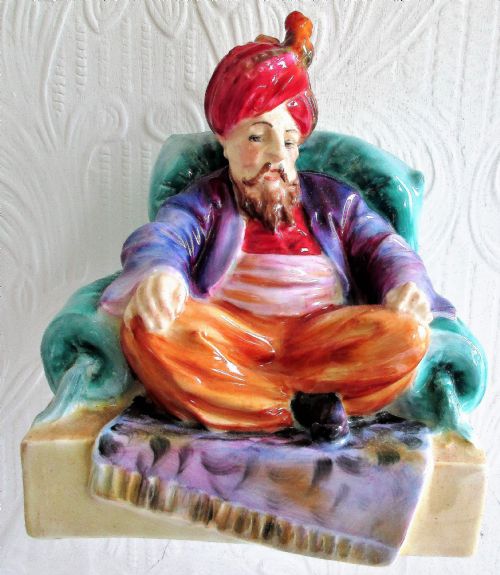


English Porcelain Statue
These figures bring eighteenth-century pastoral scenes and twentieth-century porcelain statuary straight to your mantelpiece.
English Porcelain Statue
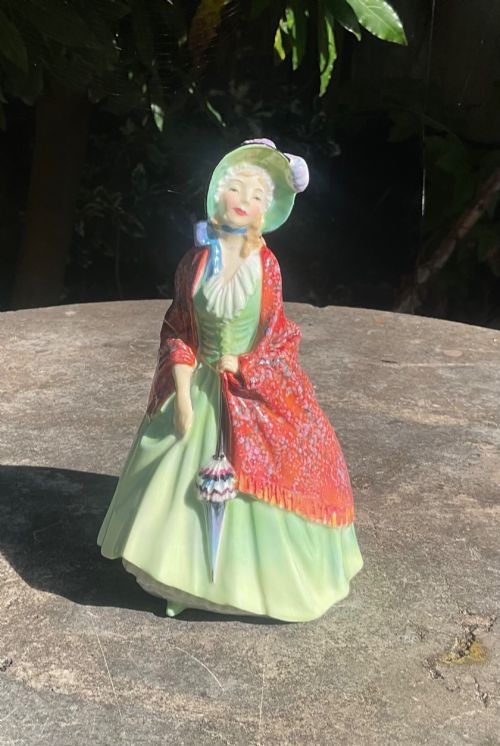
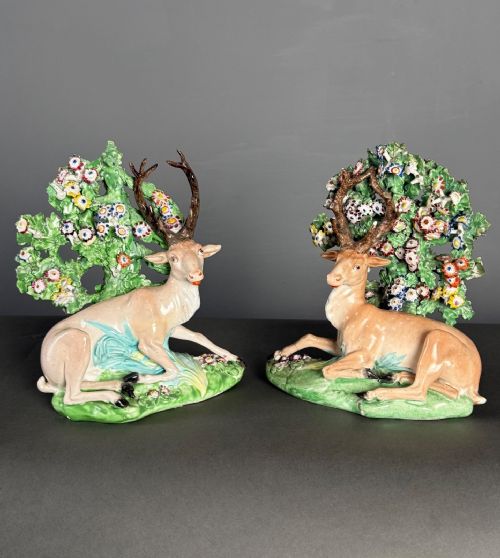
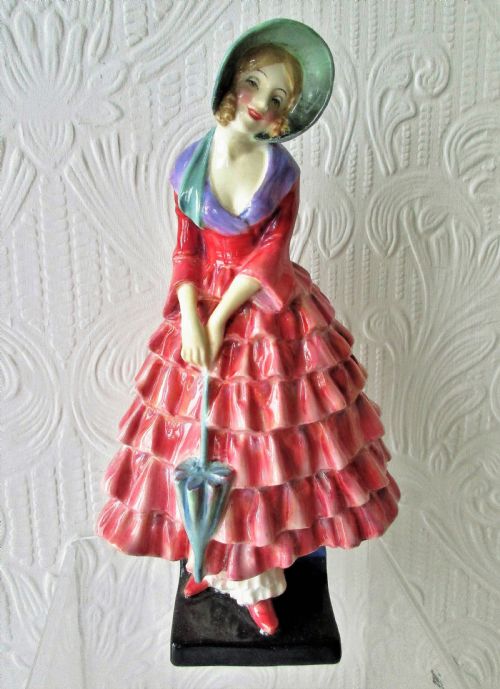
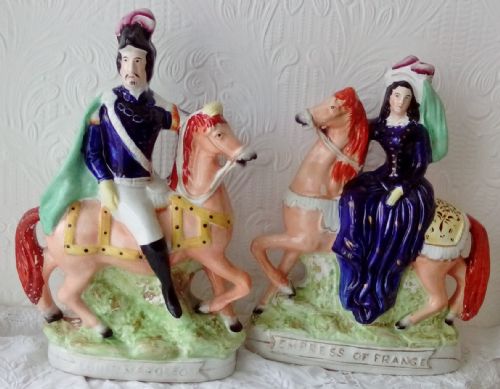
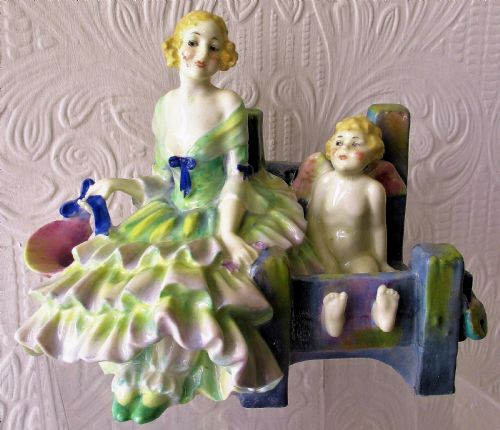
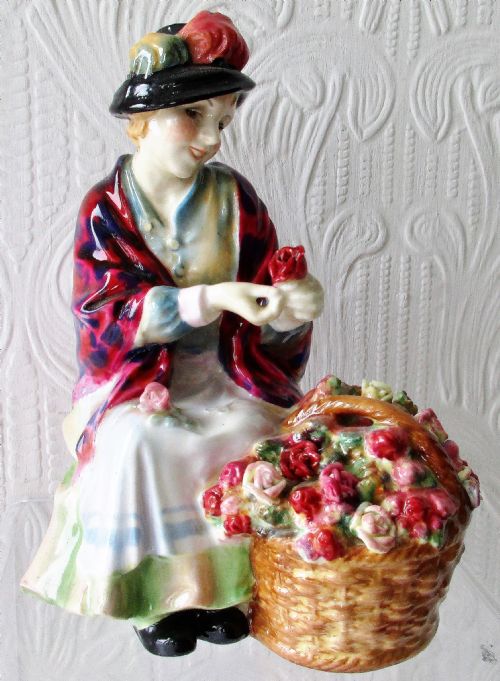
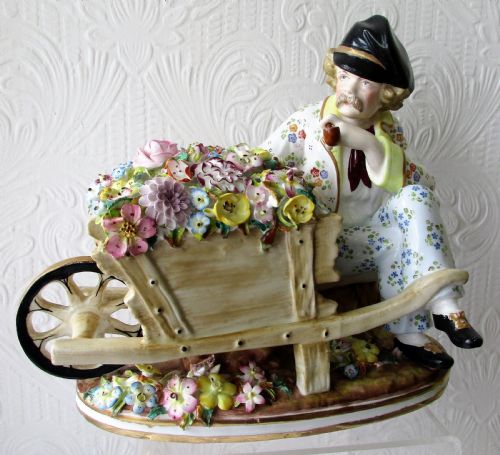
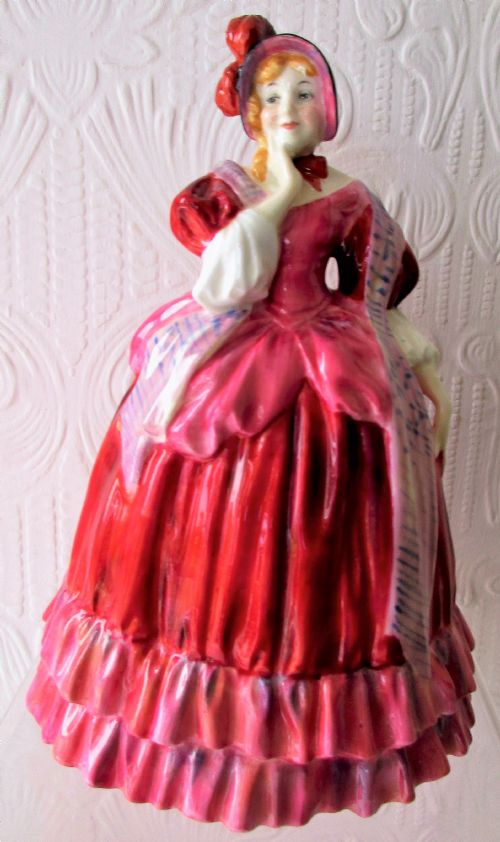
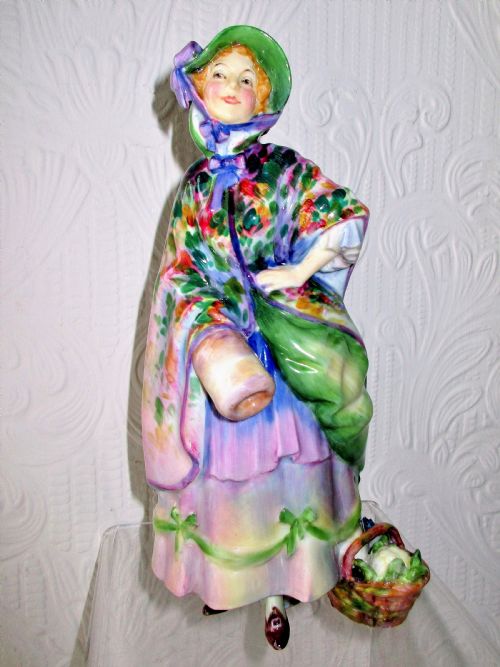
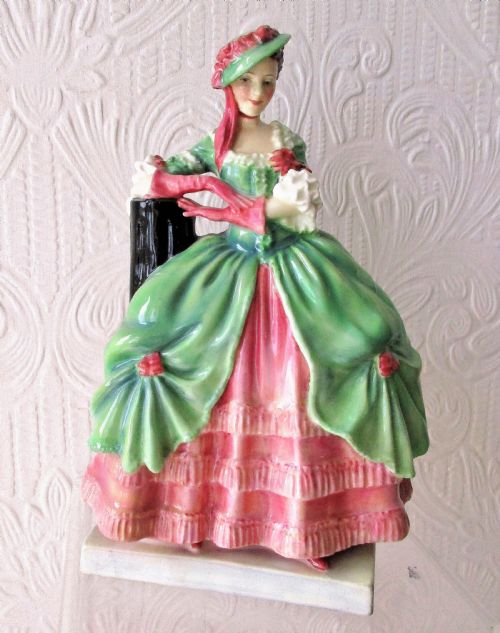
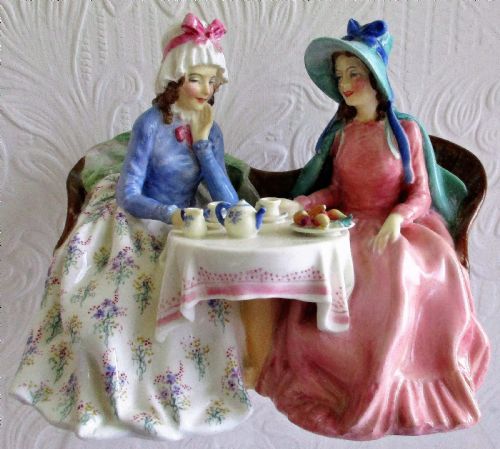
When you search for an english porcelain statue, you encounter historic three-dimensional ceramic representations ranging from eighteenth-century soft-paste deities to twentieth-century bone china figurines. The selection on this page relies heavily on Derby figures, Bow porcelain groups, Royal Doulton ladies, and Staffordshire portrait pieces.
The objects take many forms, including mythological subjects, pastoral shepherds, literary characters, and portrait busts created across the Georgian, Victorian, and later eras. Figures might appear singly, in pairs depicting seasonal allegories, or as matched sets representing historical personages and animals.
Most examples originate from major factories such as Derby, Bow, Chelsea, Royal Worcester, and Royal Doulton. Collectors often focus either on the early soft-paste porcelain models of the seventeen-fifties or the refined bone china productions of the twentieth century.
Manufacturing Materials and Techniques
Potters shaped these figures using clay bodies built from porcelain, soft-paste porcelain, bone china, earthenware, and parian ware, often mounting them on glazed or unglazed bases. Early pieces rely on soft-paste recipes containing glass frits and white clays, while later works utilise durable bone china or Parian body compositions.
Surface decoration involves hand-painted enamels, polychrome glazes, and occasional touches of gold leaf or gilding. Potters applied colours before or after the glaze firing, depending on the period and the specific palette required for the subject.
Listings span the eighteenth, nineteenth, and twentieth centuries, incorporating materials from soft-paste porcelain to bone china and parian ware.
Evaluating Quality and Craftsmanship
The sophistication of the palette and the precision of the enamelling distinguish finer works from standard production pieces. Early factory output often shows individual character in the brushwork, whereas later twentieth-century pieces demonstrate precise, factory-standard colour application.
Royal Doulton·John Bevington·Royal Worcester·Kerr and Binns
The English Porcelain Statue Glossary
- Soft-paste porcelain
- An artificial porcelain mixture fired at lower temperatures than hard-paste, common in eighteenth-century English factories like Bow and Derby. It has a warm, slightly translucent body.
- Blanc de chine
- A French term for white porcelain without enamel colour, utilised by English makers to highlight sculptural form through glaze alone. It allows the contours of the figure to stand out without distraction.
- Enamel
- Vitreous coloured glass fused to the porcelain surface during a secondary low-temperature kiln firing. These mineral pigments provide the vibrant reds, blues, and yellows seen on period figures.
- Parian ware
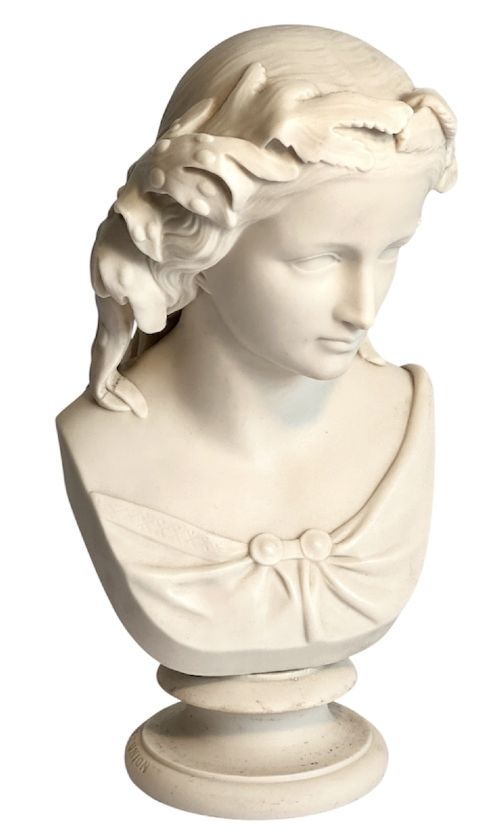
- A fine-grained, unglazed white bisque porcelain resembling carved marble, developed in the nineteenth century. Copeland and other makers utilised this material primarily for classical portrait busts.
- Gold leaf
- Thin beaten gold applied to painted details or borders as part of the decorative scheme. It adds a reflective highlight to garments, bases, and attributes.
English Porcelain Statue: Frequently Asked Questions
Were these statues meant as toys?
These ceramic figures were strictly ornamental objects intended for display on mantelpieces, side tables, and dining room brackets. Wealthy Georgian and Victorian households used them to signal cultural refinement and classical learning.
Makers designed them purely for visual appreciation rather than handling. Their fragile nature meant they remained safely elevated out of the reach of children.
How can I tell an eighteenth-century figure from a later copy?
Examine the base and body under magnification to check for the characteristic translucency and crazing of early soft-paste porcelain. Eighteenth-century pieces often display hand-cut vent holes and distinct repair or shrinkage marks from early kiln firing.
Later reproductions typically feature heavier, harder ceramic bodies and more uniform machine-like moulding. Factory marks, where present, help anchor pieces to specific historical periods.
What are porcelain allegorical figures?
Allegorical figures represent abstract concepts such as the seasons, elements, or virtues through human or mythological forms. Common examples include figures embodying Water and Land, or seasonal representations like Autumn and Winter.
These pieces were typically produced in matched sets of four or more. Owners arranged them together to demonstrate completeness and a classical education.