




19th Century Derby Figurine
These 19th century derby figurine pieces bring porcelain pastoral scenes and mythological figures into your home with hand-painted polychrome enamel and gilt detail.
19th Century Derby Figurine
A 19th century derby figurine represents sculptural ceramics produced during the Georgian, Regency, and Victorian eras, alongside continental tributes made in Paris and Germany. You will frequently encounter Bloor period works, Samson of Paris copies, and Stevenson and Hancock pieces on this page.
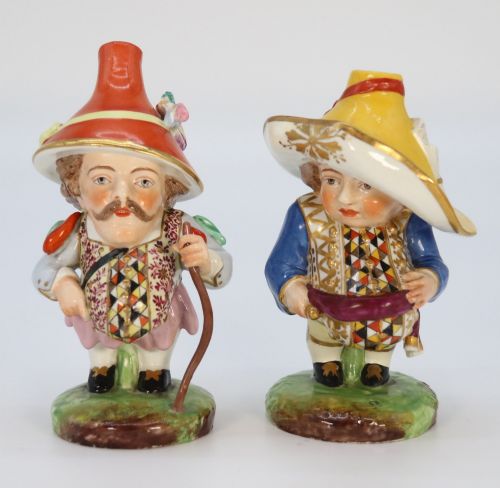
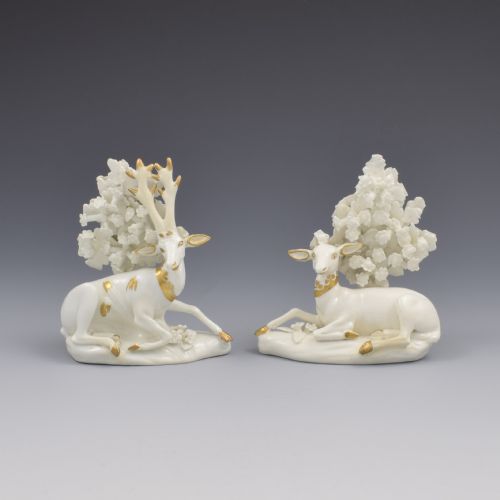
The forms range from mythological subjects like Neptune and Jupiter and Juno to pastoral characters, musicians, dwarves, and street sellers. Pairs of figures, such as stag and doe groups or shepherd and shepherdess sets, appear regularly among the listings.
Origin points vary between English factories in Derby and continental makers replicating the style during the nineteenth century. These objects function primarily as decorative mantel or cabinet ornaments rather than utilitarian vessels.
Materials and manufacture
Makers utilised porcelain and hard-paste porcelain as the primary sculptural body for these figures. Artisans shaped the clay through press-moulding techniques before applying fine details by hand.
Surface decoration relies on polychrome enamel painting combined with gold leaf and gilt accents. Firing processes fixed these colours and metallic highlights onto the glazed ceramic surface.
The object types span standard porcelain figurines, Toby jugs, pairs of figures, and sculptural groups depicting musicians, gardeners, and mythological figures.
Judging quality in nineteenth-century figures
The application of gilt and gold leaf indicates the tier of production. Rich, well-preserved gilding paired with subtle polychrome shading distinguishes finer studio output from standard commercial output.
Samson of Paris·Stevenson and Hancock
The 19th Century Derby Figurine Glossary
- Hard-Paste Porcelain
- A dense, vitrified ceramic material composed of kaolin and petuntse, fired at very high temperatures. It provides a durable base for nineteenth-century sculptural figures.
- Polychrome Enamel
- Multi-coloured glass-based pigments applied to glazed porcelain before a secondary low-temperature firing. This technique achieves the bright coloration seen on costumes and natural elements.
- Gilt
- A thin layer of gold applied to the porcelain surface for decorative highlights. It often accentuates costume trims, rococo scrollbases, and accessories.
- Rococo Revival
- A nineteenth-century design style reviving eighteenth-century asymmetrical scrolls, C-curves, and ornate ornamentation. Figures from this movement frequently sit upon heavily sculpted, scroll-moulded bases.
- Toby Jug
- A ceramic pitcher modelled in the form of a seated figure, usually a robust character holding a mug or pipe. Examples in this category include historical and occupational figures.
19th Century Derby Figurine: Frequently Asked Questions
What is a 19th century derby figurine?
These pieces are porcelain ceramic sculptures produced during the nineteenth century, encompassing works from English factories and continental revivalists. They depict human, mythological, and animal subjects.
Makers frequently dressed figures in period costumes or classical attire, finishing them with hand-applied enamel colours and gilt highlights for display in domestic interiors.
How were these figures used?
Nineteenth-century households placed these porcelain sculptures on mantelpieces, side tables, and decorative cabinets as ornamental centrepieces. They served as conversation items that demonstrated the owner's cultural interests.
Pairs of figures, such as musicians or seasonal representations, were often arranged symmetrically to balance interior mantel displays.
How do I distinguish Bloor period pieces?
Bloor Derby items date from the period when Robert Bloor managed the factory, typically spanning the early decades of the nineteenth century. These pieces often feature rich enamel palettes and careful modelling.
Collectors look for specific paste characteristics and characteristic subject matter, such as theatrical figures and classical deities, to identify this era of production.