



English 18th Century Glassware
English 18th century glassware brings the tactile weight of Georgian drinking vessels into a modern room through hand-blown clarity and intricate twist stems.
English 18th Century Glassware
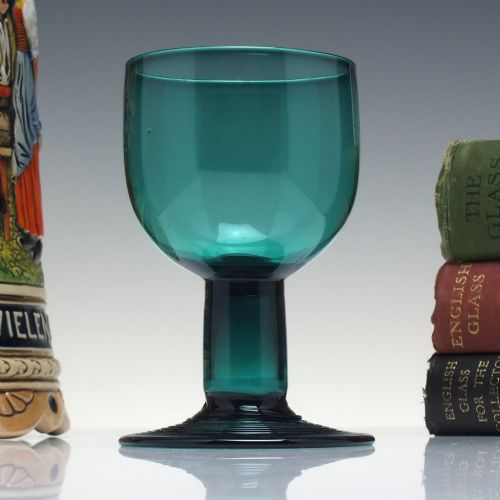
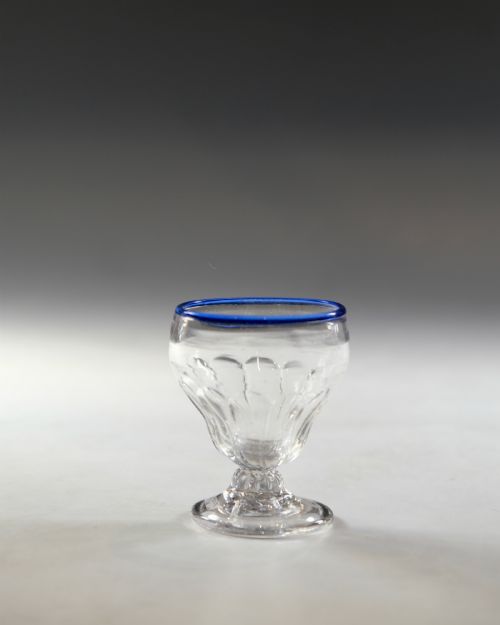
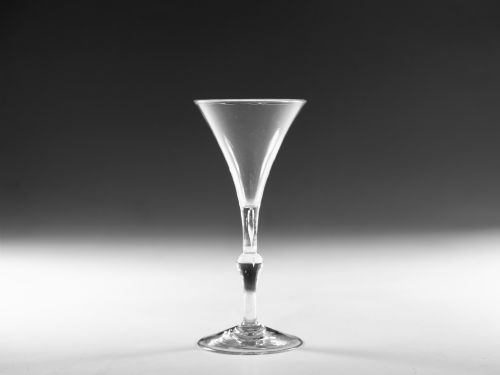
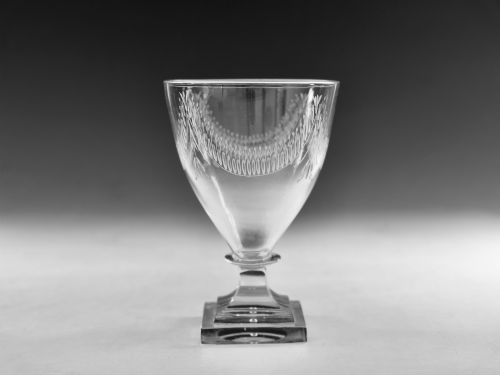
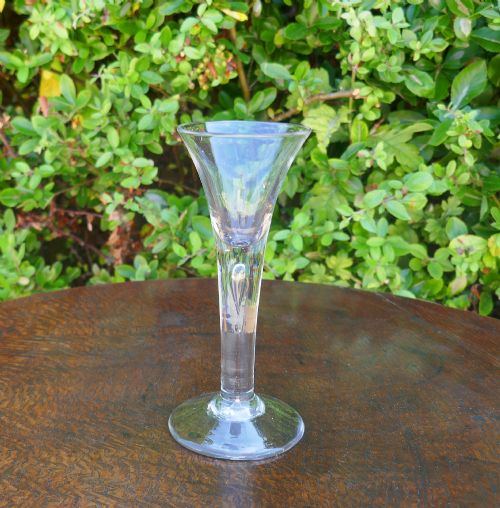
English 18th century glassware encompasses drinking vessels and table items produced across the Georgian era, spanning the decades from seventeen hundred to eighteen hundred. The selection here centres predominantly on wine glasses, ale glasses, and cordials alongside functional tabletop pieces like patch stands and egg cups.
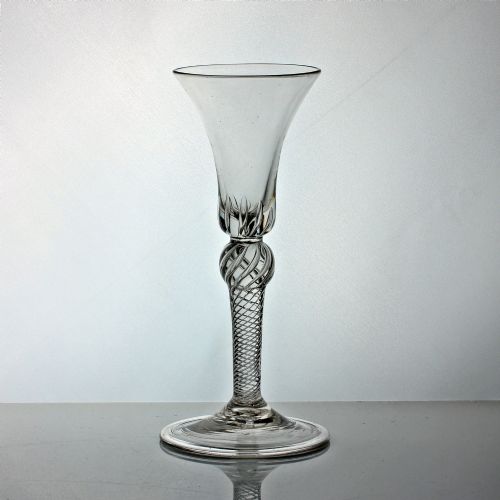
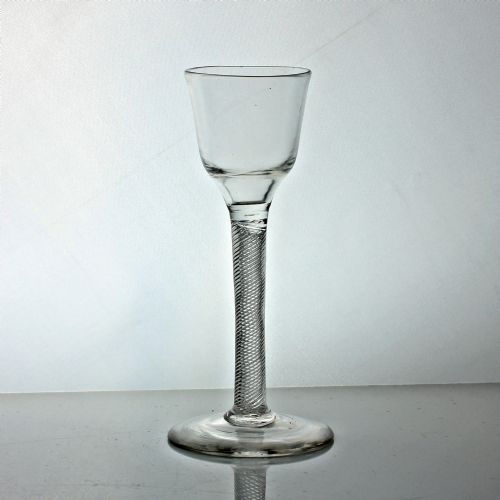
The dominant forms display varied bowl shapes such as trumpet, bell, and ogee profiles supported by plain, baluster, or twisted stems. Collectors frequently encounter pieces carrying specific decorative traits like folded feet and rib moulding that define the period.
Materials and Techniques
The primary material underpinning these objects is lead glass, often referred to as flint glass or lead crystal, which provided exceptional clarity and a heavier feel than continental potash glass. Artisans shaped these vessels using hand-blown techniques, manipulating the molten metal while hot to form bowls, stems, and feet.
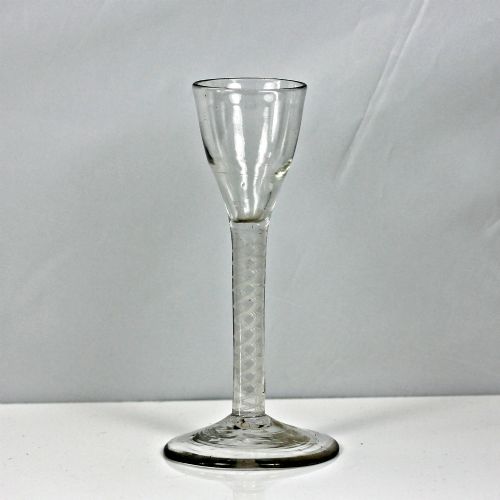
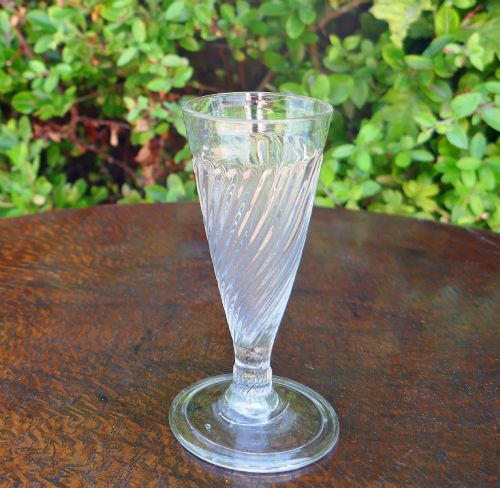
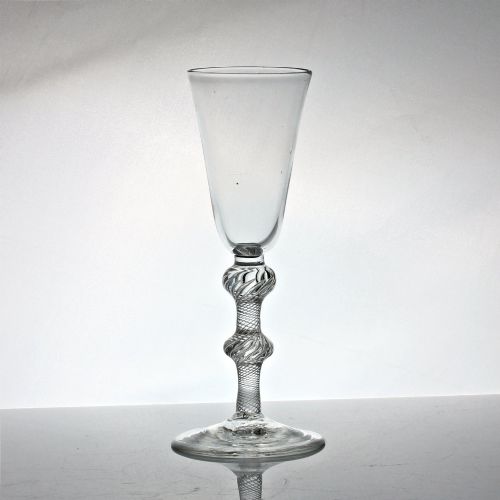
Internal optical effects were achieved through specialist manipulation of the glass while semi-molten. Workers trapped air to create air twists, incorporated white or coloured enamel threads for opaque and colour twists, or utilised rib moulding and wrythen patterns to texture the walls.
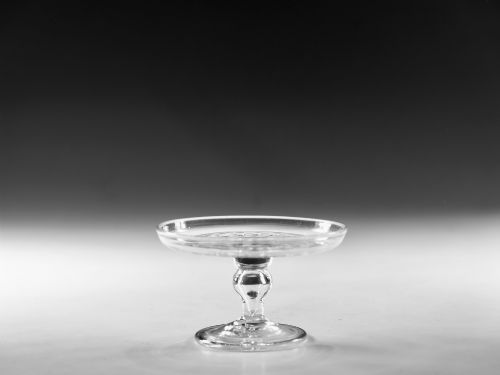
Some miniature patch stands were designed smaller than a teacup, ready to hold tiny black beauty spots made of velvet.
Assessing Quality
Quality in these drinking vessels rests upon the crispness of the optical details and the balance of the proportions. A well-executed twist stem maintains regular spacing throughout its length, while moulded patterns display sharp relief rather than softened edges.
The brilliance of the metal itself marks the upper tiers of production, showing high transparency and freedom from heavy clouding. Structural integrity, evidenced by a neatly finished pontil scar and a properly formed folded foot, distinguishes superior examples from standard workshop output.
The English 18th Century Glassware Glossary
- Lead glass
- A heavy, highly refractive type of glass perfected in England during the late seventeenth century. It contains lead oxide, which adds weight and optical brilliance.
- Air twist
- A stem containing elongated bubbles formed by drawing out air trapped inside the glass during manufacture. These bubbles are twisted into spirals as the stem is drawn.
- Opaque twist
- A stem incorporating white or coloured enamel threads pulled into spiral patterns within the clear glass. This technique gained popularity during the mid-eighteenth century.
- Folded foot
- A base edge turned underneath to create a reinforced rim. This method provides extra stability and prevents chipping on heavy tavern and domestic tables.
- Wrythen
- A decorative spiral pattern formed by twisting the glass while hot, creating diagonal ribs along the bowl or stem.
- Patch stand
- A small circular glass plate used on dressing tables to hold cosmetic patches. These diminutive pieces often feature moulded or faceted rims.
English 18th Century Glassware: Frequently Asked Questions
What is an air twist stem?
An air twist is a decorative stem featuring internal spiral channels filled with elongated air bubbles. Glassmakers created these by puncturing a heated lump of metal and twisting the glass as it was drawn out.
These delicate internal threads catch the light differently depending on the angle of view. They represent a signature achievement of mid-eighteenth-century English glasshouses.
Can I drink from these glasses?
Many people enjoy using these antique vessels for special occasions, provided the glass is handled with extreme care. Lead glass is stable for holding liquids during normal dining use.
However, because of their age and historic value, hand washing is mandatory after use. Storage should keep them away from vibrations and crowded shelf edges.
How do I date a wine glass?
Dating relies on combining the form of the bowl, the construction of the stem, and the shape of the foot. Plain stems and heavy balusters generally point to the first half of the century, while twist stems belong to the middle decades.
Foot styles also offer clues, as folded feet appear more frequently on earlier pieces. Comparing the overall weight and metal clarity helps narrow the period further.