
Georgian Stemware Goblet
A georgian stemware goblet brings tactile history to the table, offering solid lead glass forms shaped by eighteenth-century hands for drinking fine wine and ale.
Georgian Stemware Goblet
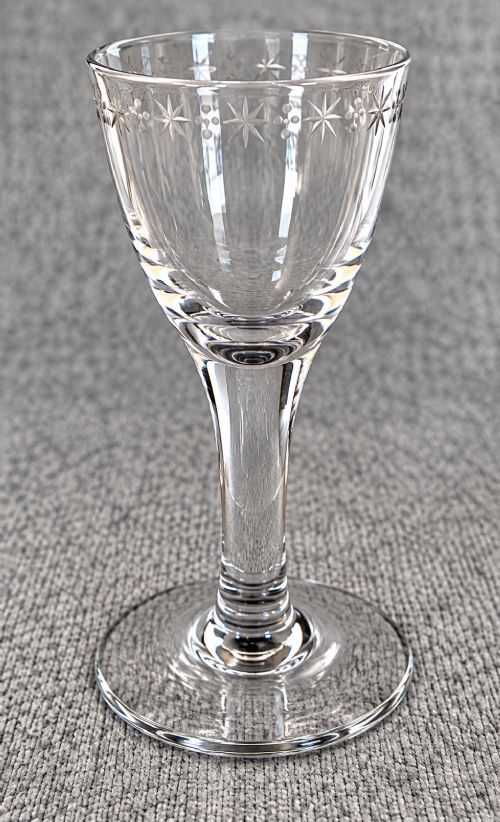
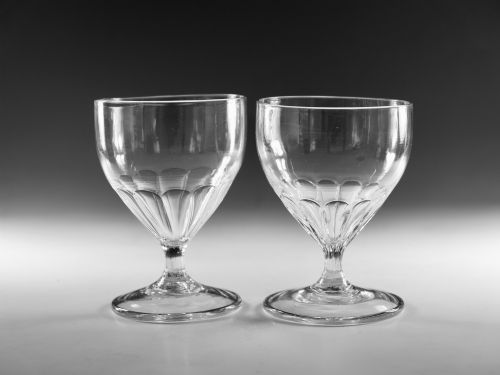
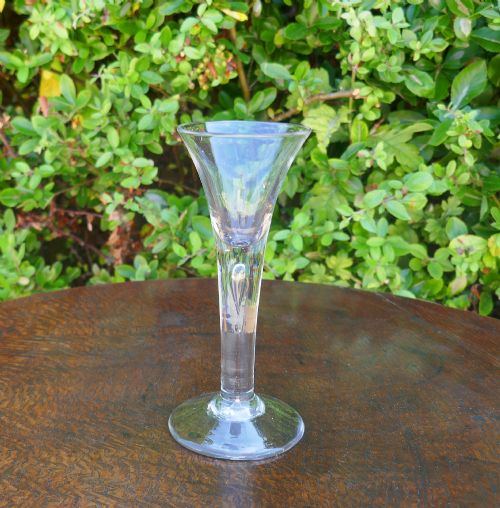
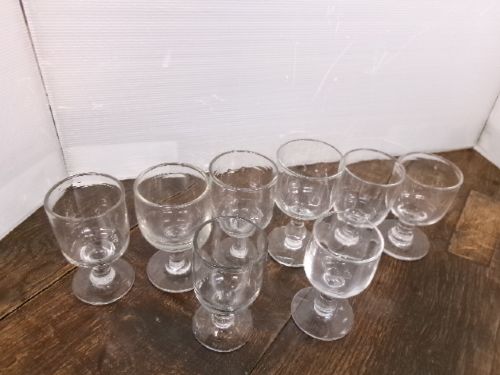
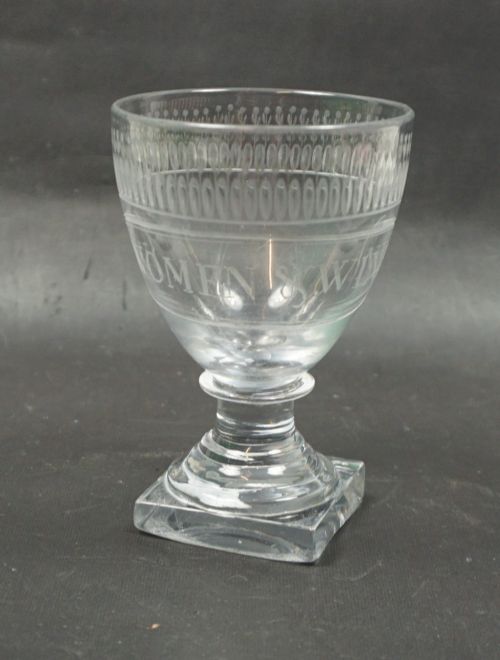
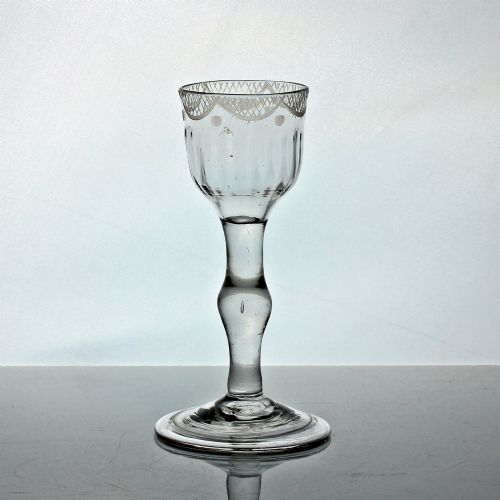
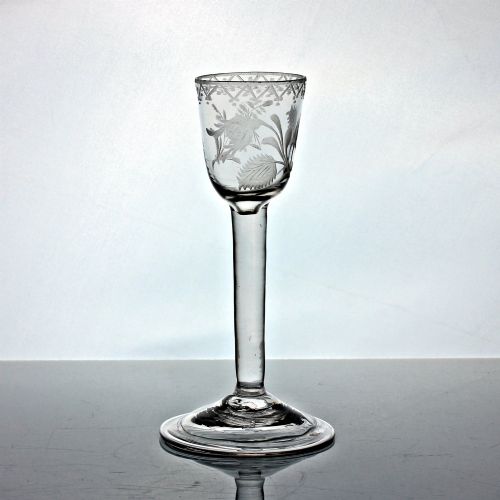
A georgian stemware goblet search uncovers drinking vessels spanning the eighteenth century and the regency period, dominated by lead glass wine and ale glasses. Collectors find various vessel types here, including rummers, dram glasses, and heavy baluster goblets.
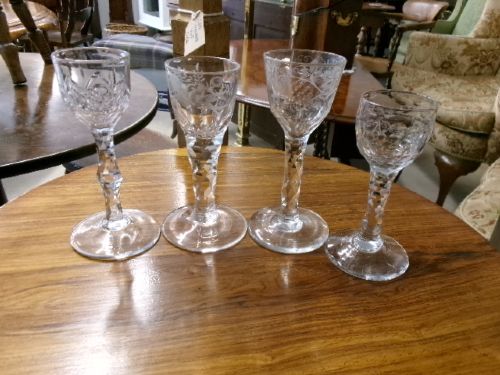
The material takes many decorative forms, featuring engraved bowls, folded feet, and distinctive stems like air twists, opaque twists, and balustroid shapes. Most pieces originate from English workshops operating between seventeen fifty and eighteen hundred.
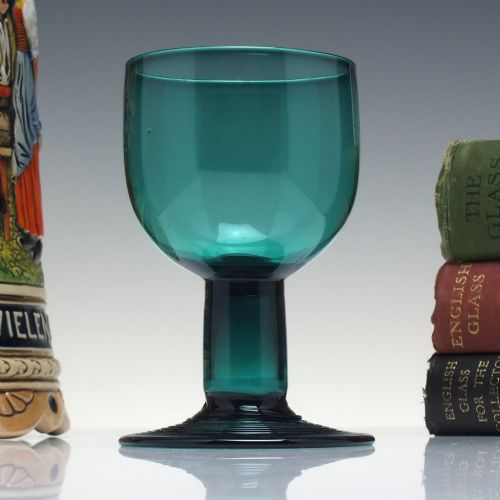
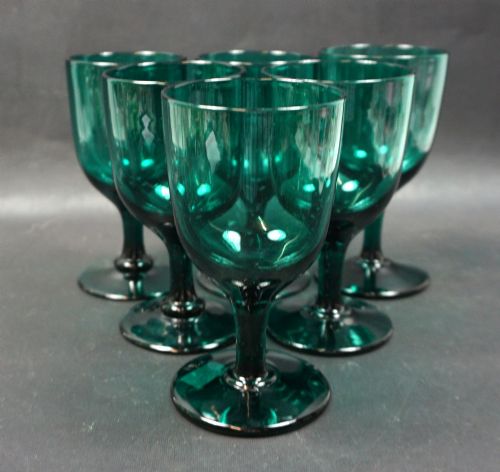
While glass predominates, the selection occasionally includes treen pedestals alongside green glass and white enamel decorated pieces. Each object reflects the drinking customs of the georgian era through varied bowl profiles such as ogee, trumpet, and pan top.
Materials and construction
Master glassmakers utilised clear lead glass and flint glass to achieve brilliant clarity and substantial weight in these drinking vessels. The addition of lead oxide allowed artisans to draw out slender stems and form complex knots while maintaining structural integrity.
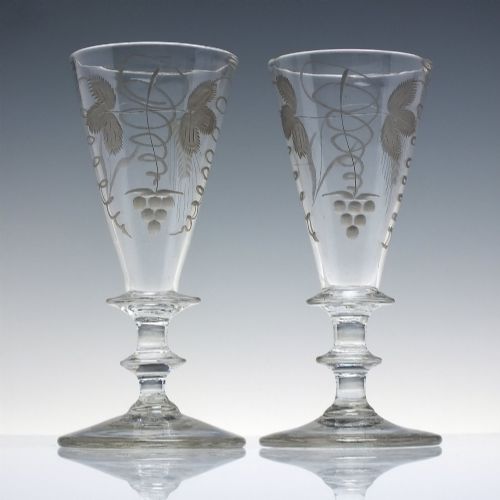
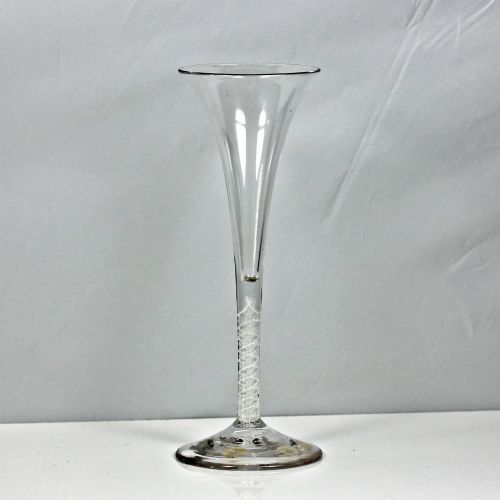
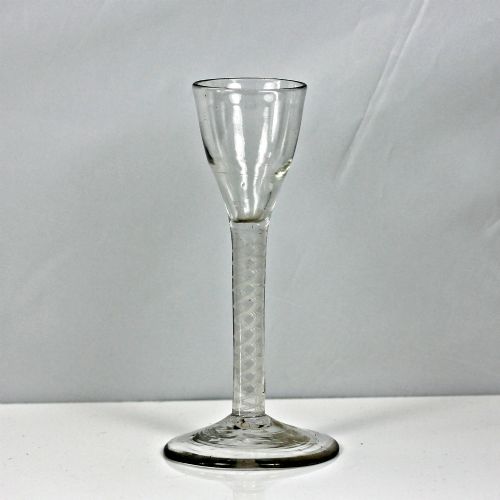
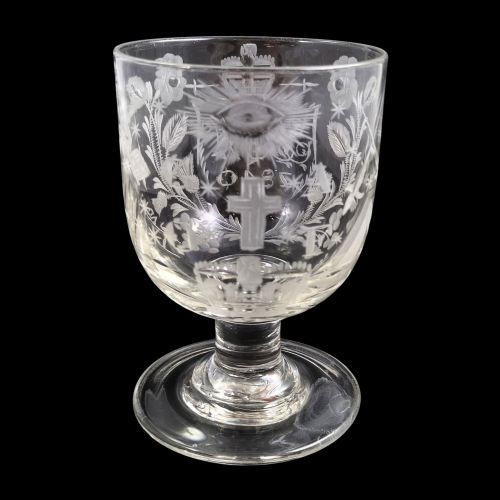
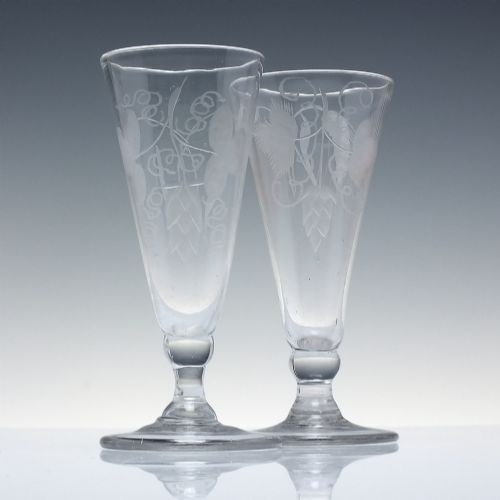
Internal optical effects were achieved by trapping air bubbles within the molten metal before twisting the stem into multi-spiral or opaque white threads. Bowls were often mould-blown or finished with wheel engraving, depicting floral motifs or commemorative scenes.
One remarkably honest rummer on record bears the plain instruction 'Women & Wine' engraved into its bowl for a spirited toast.
Assessing the craftsmanship
Quality rests upon the balance and proportion of the vessel, where an elegantly drawn stem meets a stable foot without heavy distortion in the metal. Superior pieces display crisp wheel engraving and well-centred optical twists that demonstrate high technical control.
The presence of early fabrication traits, such as a folded foot designed to strengthen the rim or a domed base, marks the distinction of a careful workshop. Finer examples maintain clarity in the lead glass while holding distinctive bowl forms that anchor the period style.
The Georgian Stemware Goblet Glossary
- Air twist
- A stem containing elongated internal air spirals formed by drawing bubbles through the glass before twisting. This technique creates a delicate shimmering effect inside the transparent metal.
- Baluster
- A heavy, swelling stem shape derived from architectural supports used on seventeenth and eighteenth-century drinking vessels. It gives the object a substantial visual weight.
- Opaque twist
- A stem containing white enamel threads twisted within clear glass to form solid opaque lines. These threads catch the light differently than air twists.
- Rummer
- A capacious drinking glass with a thick bowl and short stem, popular during the late eighteenth and early nineteenth centuries. It served for heavier wines, beer, and rum.
- Wrythen
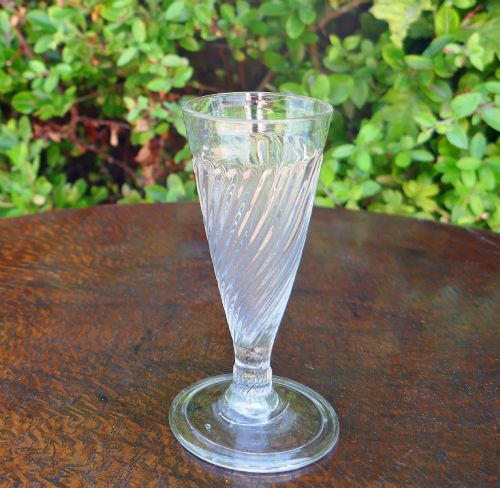
- A decorative spiral pattern moulded into the body of the glass while hot. This creates subtle swirling ridges along the bowl or foot.
Georgian Stemware Goblet: Frequently Asked Questions
What is a georgian stemware goblet?
A georgian stemware goblet is a drinking vessel produced in Britain during the eighteenth or early nineteenth century, primarily formed from lead glass. These pieces were designed for consuming wine, ale, and spirits at the dining table.
Craftsmen shaped them using techniques like air twisting and wheel engraving, resulting in varied stem structures and bowl forms that reflect the period's social rituals.
How do I date an 18th-century glass?
Dating early glass relies on examining the manufacturing traits, such as the composition of the lead metal, the presence of a pontil mark, and the specific stem construction. Earlier pieces often feature heavy baluster forms or folded feet, while later regency examples lean towards faceted cutting.
Changes in glass chemistry and prevailing stylistic preferences help narrow the decade of production when compared against documented examples from the era.
What were rummers used for?
Rummers functioned as heavy-duty drinking glasses during the late georgian period, holding larger portions of beer, ale, or rum punch than standard wine glasses. Their sturdy proportions made them practical for daily tavern or household use.
Engraved versions sometimes carried patriotic or social toasts, connecting the drinking vessel directly to the social gatherings of the time.
Are these glass goblets safe to use?
While these antique goblets were built for drinking, most modern collectors choose to display them rather than use them at the dinner table. Historic lead glass can be fragile and vulnerable to thermal shock or chemical changes from modern detergents.
Gentle hand washing in tepid water without soaking is recommended if handling historic glassware to preserve the surface finish.