
Lead Glass Wine Glass
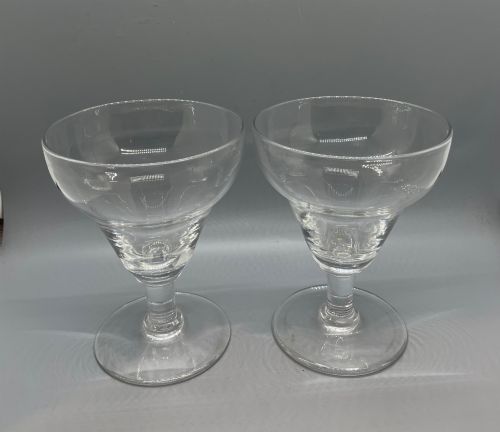
A lead glass wine glass brings weight, clarity and the physical heft of past centuries directly to the table.
Lead Glass Wine Glass
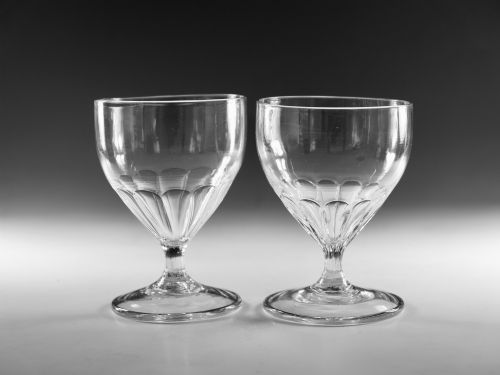
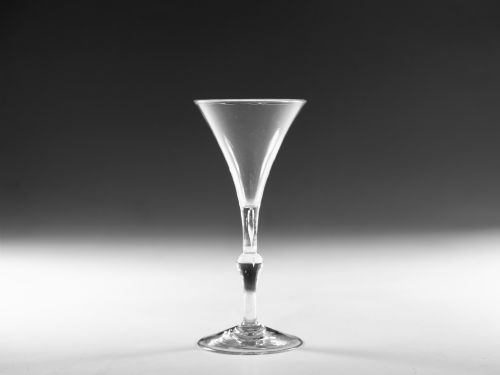
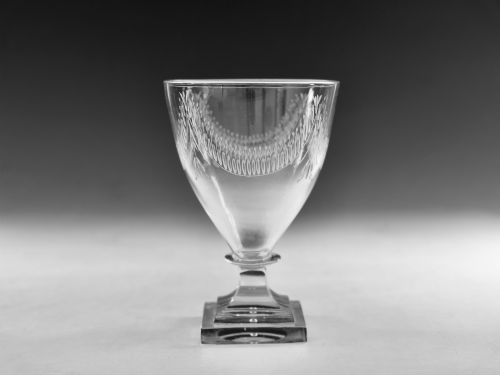
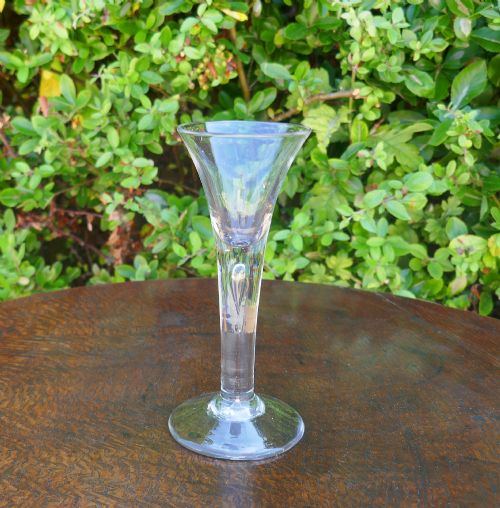
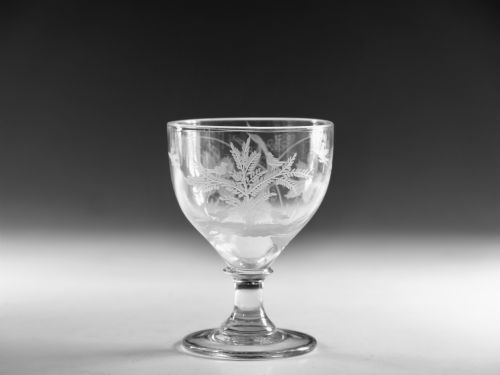
A lead glass wine glass represents centuries of drinking vessel production, spanning the Georgian and Victorian eras up to later twentieth-century interpretations. The pieces you encounter most frequently on this page belong to the eighteenth century, showing distinctive stem formations and bowl shapes.
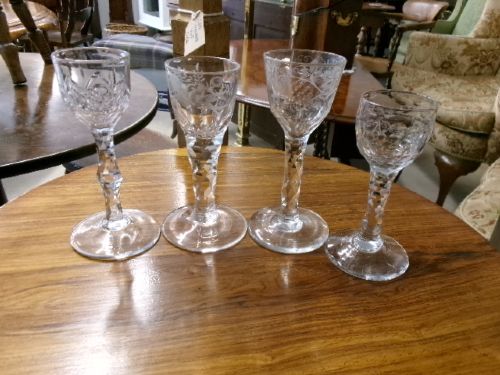
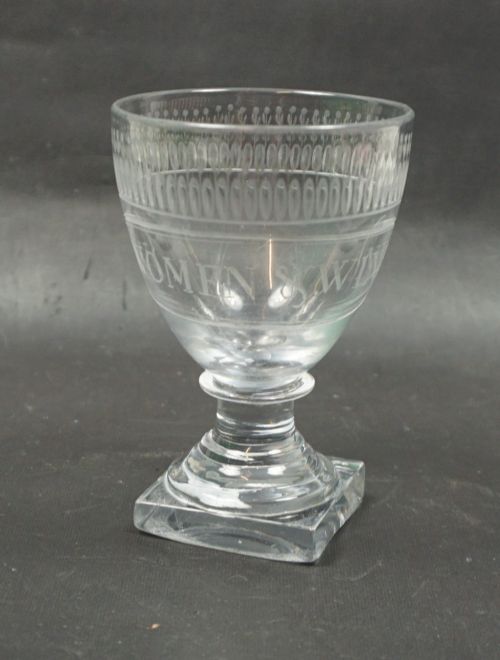
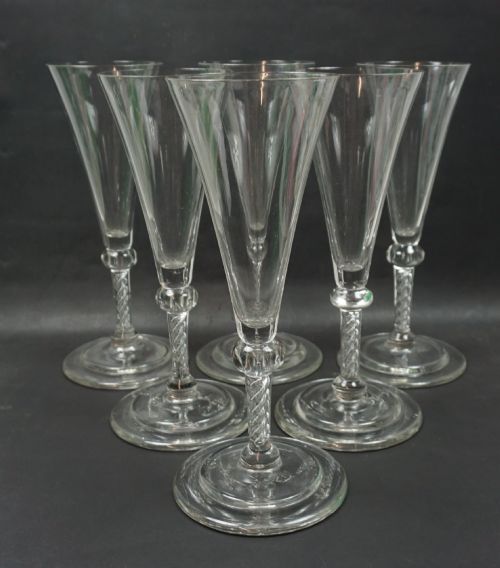
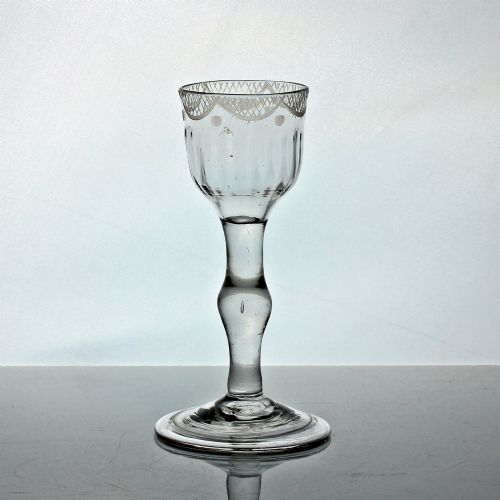
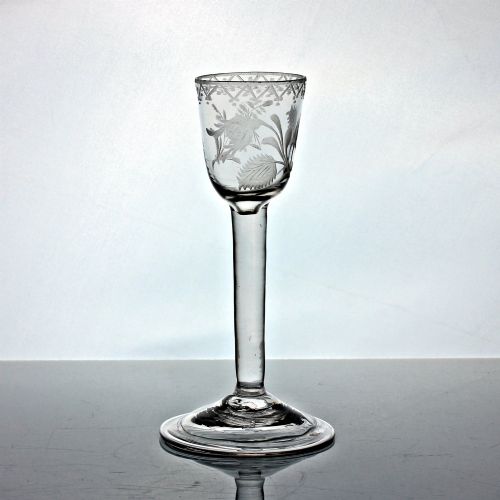
Collectors seek out specific forms such as baluster, air twist, opaque twist and plain stem glasses, alongside larger rummers and wine goblets. These objects reflect the changing domestic habits and glassmaking techniques of English makers from the seventeen-thirties onwards.
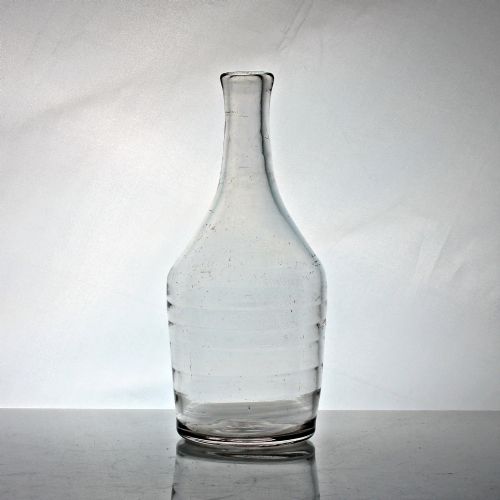
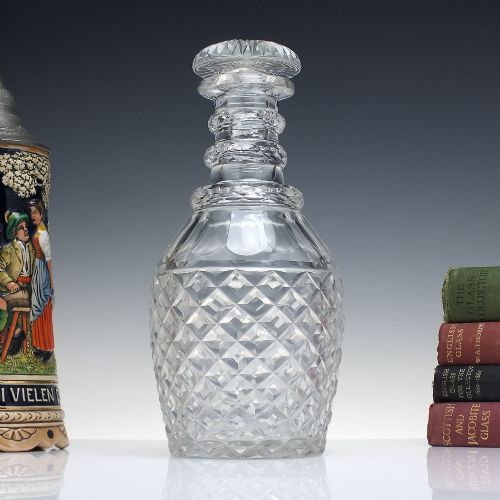
The material inventory for these pieces includes clear lead glass, flint glass and lead crystal, shaped into wine glasses, champagne glasses, sweetmeat glasses and decanters. Each form demonstrates the capability of period glasshouses to manipulate molten material into functional art.
Materials and manufacture
Glasshouses produced these vessels using lead glass and flint glass, compositions that introduced greater refractive index and mechanical weight than standard soda glass. Artisans shaped bowls by blowing while pulling or applying stems and feet separately before annealing.
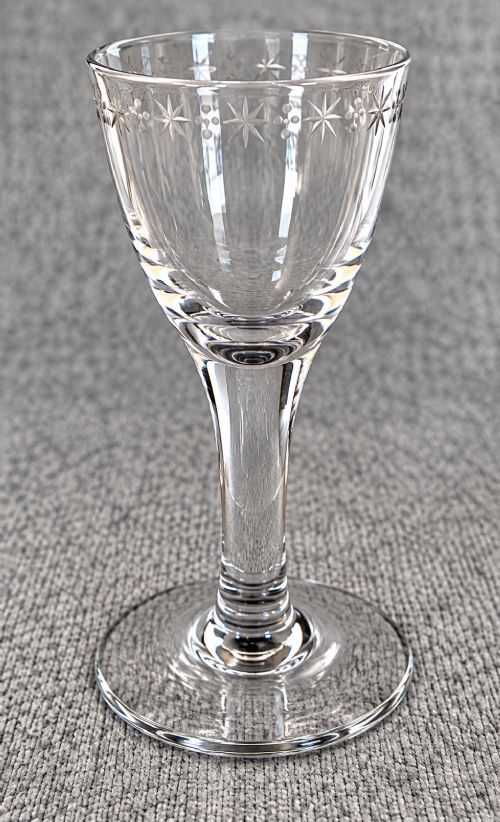
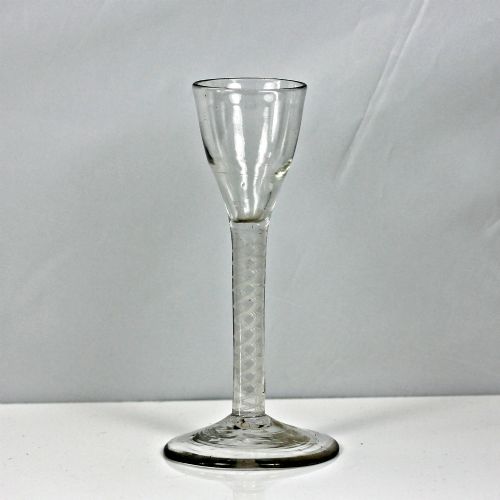
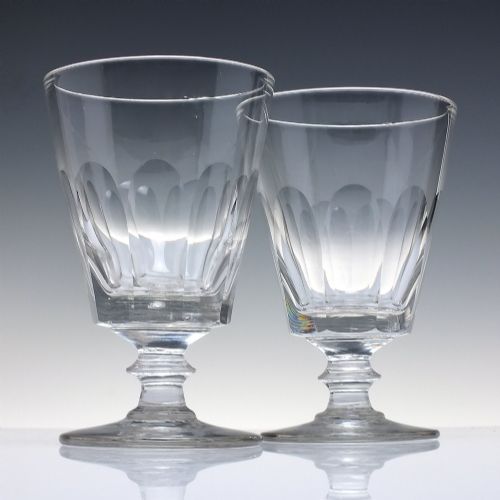
Makers incorporated air bubbles, multi-spiral air twists and opaque white enamel twists inside stems using specialised drawing and twisting techniques. Surface ornamentation involved wheel engraving, pillar and prism cutting, and facet cutting directly into the cooled metal.
Listings span periods from 1730 through the Victorian era up to 1930, utilising clear lead glass, enamel and cut glass.
Assessing quality in antique glassware
Quality rests in the crispness of cutting, the symmetry of the twist formation within the stem, and the proportional balance between bowl, stem and foot. Superior examples display clean metal with minimal internal clouding or manufacturing impurities.
The Lead Glass Wine Glass Glossary
- Air twist
- A stem formation containing elongated internal air bubbles drawn into spirals. This technique dates predominantly to the mid-eighteenth century.
- Opaque twist
- A stem featuring white or coloured enamel threads pulled into single or double series twists. These were produced extensively during the Georgian period.
- Baluster
- A heavy, thick stem shape derived from architectural supports, often featuring knops or collars. It is characteristic of early eighteenth-century heavy glasses.
- Rummer
- A large, robust drinking glass with a capacious bowl on a short stem and foot, used for wine or ale in the eighteenth and nineteenth centuries.
- Sweetmeat glass
- A small, shallow glass vessel with a flared bowl designed for serving preserves, small confections or sweet wines during formal dining.
Lead Glass Wine Glass: Frequently Asked Questions
How do I date a lead glass wine glass?
Dating relies on observing a combination of form, stem construction, bowl shape and manufacturing traces such as pontil marks. Eighteenth-century pieces typically feature drawn stems and folded feet, whereas Victorian examples show heavier mould-blown traits.
Examining the wear patterns on the base and the composition of the glass helps confirm whether a piece belongs to the Georgian era or later revival periods.
What is an air twist stem?
An air twist stem contains fine, thread-like channels of trapped air that spiral down the length of the glass. Glassmakers created these by piercing hot metal with a pin and drawing or twisting the glass as it elongated.
This technique required high skill and appeared frequently on mid-eighteenth-century drinking vessels to catch the candle light.
Can I use antique wine glasses for dining?
These historical drinking vessels are delicate and possess antique status, so many collectors prefer to display them rather than use them at the table. Hand washing in tepid water without soaking is essential if you choose to use them.
Sudden temperature changes can crack historic glass, so they are unsuited for modern dishwashers or heated liquids.
What makes a rummer different from a wine glass?
A rummer is substantially larger and heavier than a standard wine glass, featuring a broad bowl suited for generous pours of wine or ale. They emerged in common domestic use toward the end of the eighteenth century and remained popular through the Victorian period.
Their sturdy proportions meant they survived heavy daily use better than delicate air twist wine glasses.