

Cut Glass Wine Glass
When you search for a cut glass wine glass, you encounter centuries of brilliant optical design spanning Georgian stems and Edwardian services.
Cut Glass Wine Glass
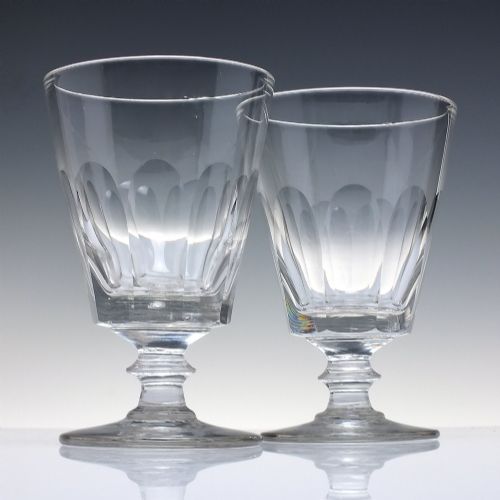
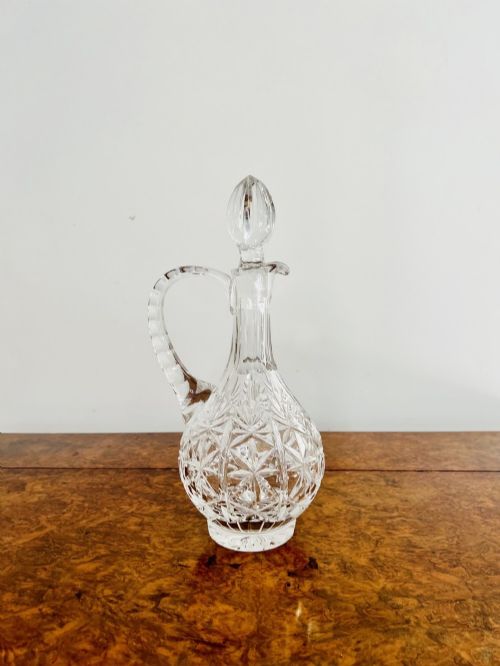
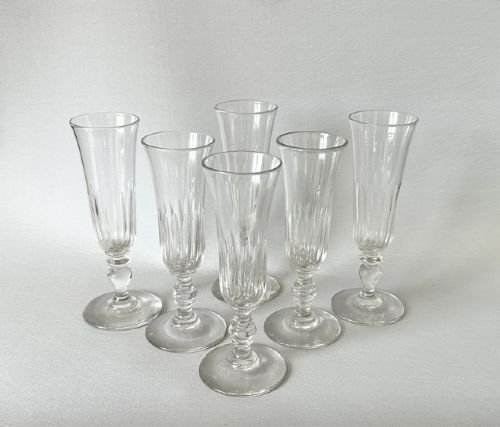
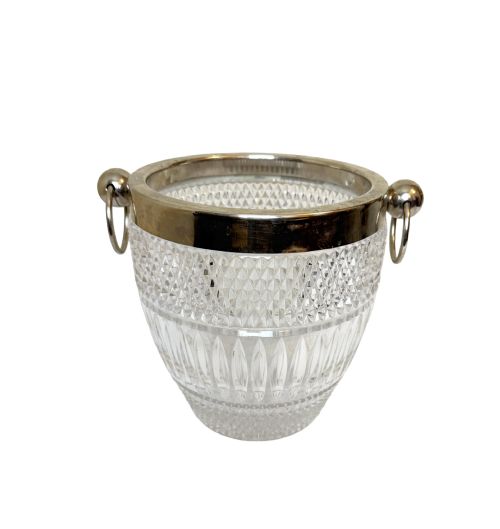
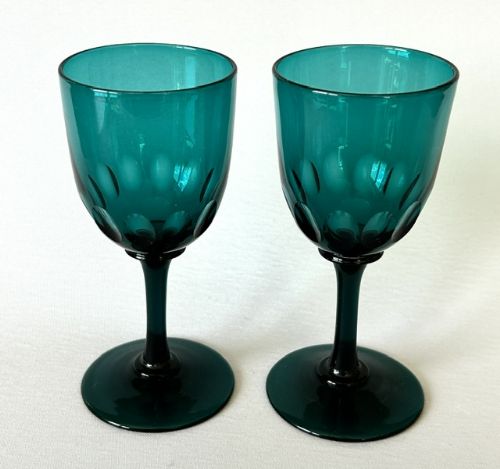
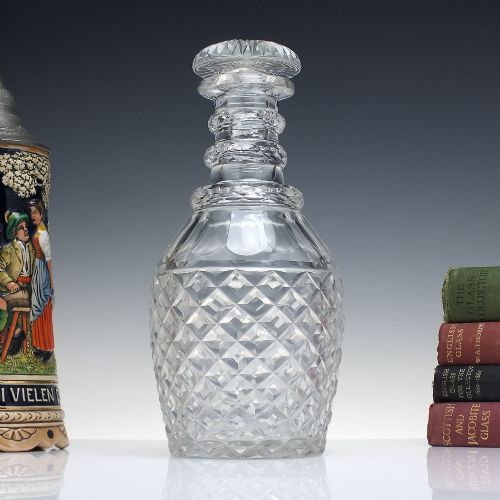
A cut glass wine glass represents drinking vessels formed from heavy lead crystal or clear glass, shaped with wheel-cut facets, flutes, and geometric patterns. These vessels encompass various drinking forms, ranging from tall Georgian facet-cut wine stems to stout Victorian rummers and coloured hock glasses.
Vessels designed specifically for wine range from delicate port and hock glasses to large goblets and champagne flutes. Many examples incorporate engraved or gilded motifs alongside traditional cutting, reflecting the shifting dining fashions of successive centuries.
How they were made
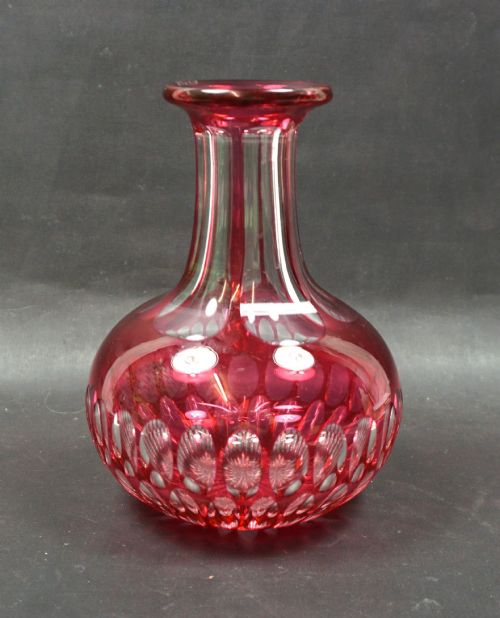
Makers utilised high-lead crystal and clear glass, sometimes layered with coloured overlays such as cranberry, green, or amethyst over a clear core. Molten metal was blown into moulds or free-blown before artisans cooled the material for cold-working.
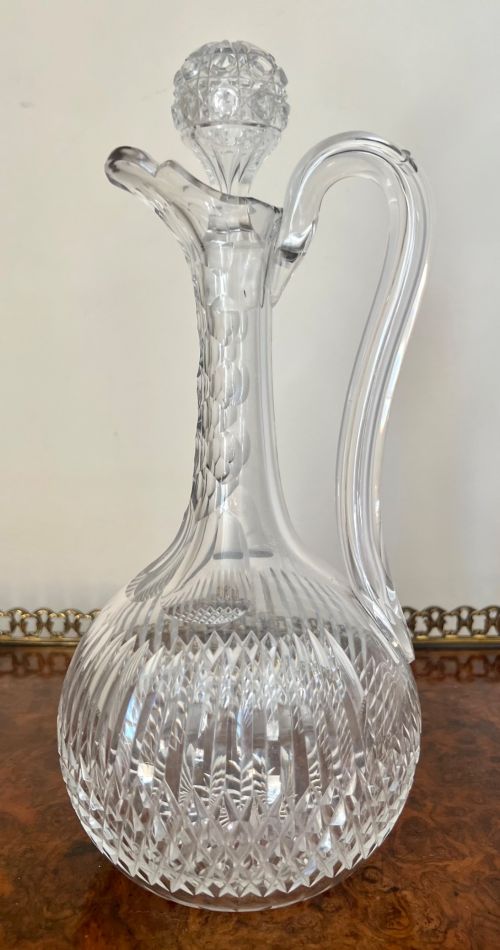
Craftsmen applied surface decoration using rotating iron and stone wheels fed with abrasive grit to grind deep facets, flutes, and prismatic patterns into the glass body. Final polishing was achieved using cork or felt wheels with polishing putty to impart a brilliant refractive shine.
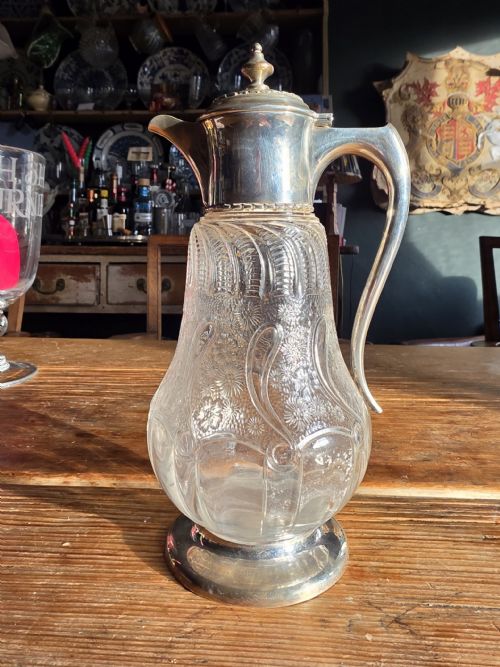
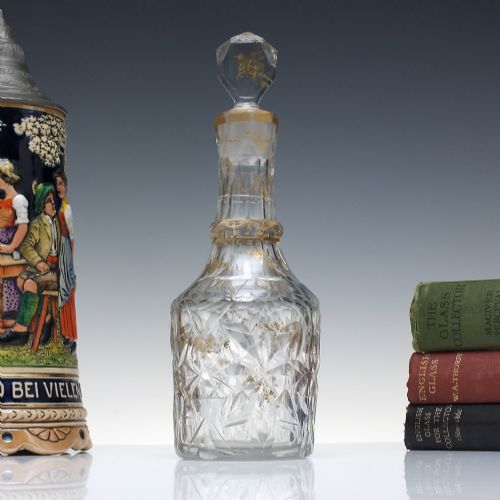
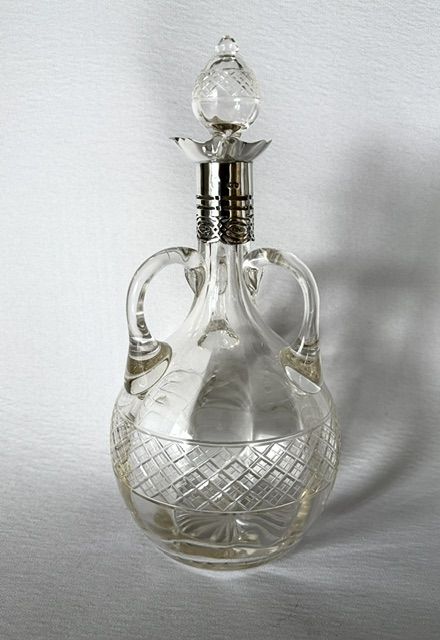
Silver plating, sterling silver collars, and mounts were frequently added to related serving pieces like claret jugs and decanters using soldered joints and secure bezels. Gilding and enamel painting were occasionally applied by specialised workshops and fired onto the glass surface.
Georgian drinkers secretly toasted exiled royalty using delicate facet-cut stemware etched with hidden symbols and Stuart roses.
What varies in quality
The precision and depth of the wheel-cutting separate ordinary utilitarian vessels from exceptional examples. Crisp, deep facets with sharp intersecting angles demonstrate superior artisan skill compared to soft, shallow incisions.
The purity and weight of the metal determine the acoustic ring and optical clarity of the piece. Heavy lead crystal allows for sharper light refraction and a more resonant tone when struck gently.
The sophistication of supplementary decoration, such as delicate hand-engraving, gilding, or overlay glass techniques, elevates the status of the drinking vessel. Intricate wheel-engraved floral or heraldic motifs require considerable specialist expertise.
James Giles·Saint-Louis·Baccarat·Val Saint Lambert·Moser·Faberge
The Cut Glass Wine Glass Glossary
- Facet cut
- A pattern of flat, polished planes ground into the surface of the glass to reflect light from multiple angles. This technique is particularly characteristic of eighteenth-century drinking stems.
- Rummer
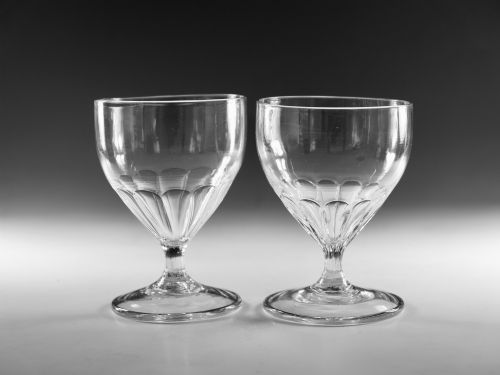
- A large, sturdy goblet style popular during the Georgian and Victorian periods, often featuring a short stem and a bucket-shaped bowl. They were frequently utilised for heavy wines, ale, or punch.
- Hock glass
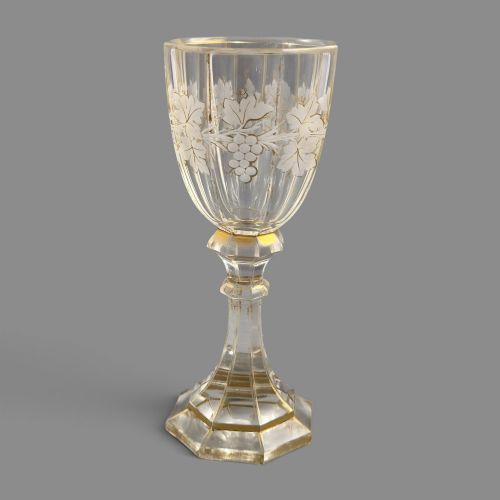
- A tall drinking vessel traditionally used for white wine, often distinguished by a coloured crystal bowl resting on a slender stem. Continental makers produced these with rich overlay colours.
- Knop
- A decorative swelling or node on the stem of a glass, shaped by the gaffer while the metal was hot. Knops help secure the grip and add visual balance to tall vessels.
- Over crystal
- A manufacturing method where a layer of coloured glass is cased over a clear crystal body, then partially cut away to reveal the contrasting transparent layer underneath.
Cut Glass Wine Glass: Frequently Asked Questions
How do I date an old wine glass?
Dating relies on examining the manufacturing traits, stem construction, and cutting style of the vessel. Eighteenth-century examples often feature facet-cut stems and pontil marks, while Victorian pieces tend to be heavier with moulded elements.
Changes in glass chemistry, bowl shapes, and engraving motifs also help narrow down the period. Comparing pieces with established archival examples provides further confirmation of their age.
Can I use antique glasses for dining?
Historic drinking vessels can be utilised for special occasions, provided they receive careful handling and gentle cleaning. Hand washing in lukewarm water with mild detergent preserves the delicate surfaces and prevents thermal shock.
Avoiding dishwashers and harsh scrubbers protects the polished lead crystal and any applied gilding from permanent damage. Storing them upright on stable shelves prevents rim chips.
What is a rummer used for?
Rummers served as robust drinking vessels for heavy wines, ales, ciders, and punches during the Georgian and Victorian eras. Their generous bowl capacity and sturdy stems made them practical for everyday tavern and domestic dining use.
Over time, these large goblets evolved into decorative display pieces as well as functional glassware. Collectors prize them today for their tactile weight and traditional silhouette.
Why are some hock glasses coloured?
Coloured hock glasses were traditionally used to distinguish different white wines at formal Victorian and Edwardian dining tables. Shades like green, blue, amethyst, and cranberry helped identify regional German and French wines.
The vibrant hues were achieved by adding metallic oxides to the molten glass batch or by casing clear crystal with coloured glass overlays before cutting.