


19th Century Goblet
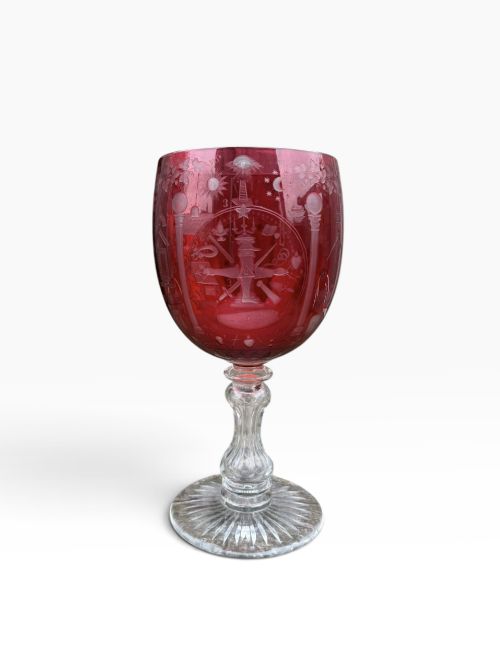
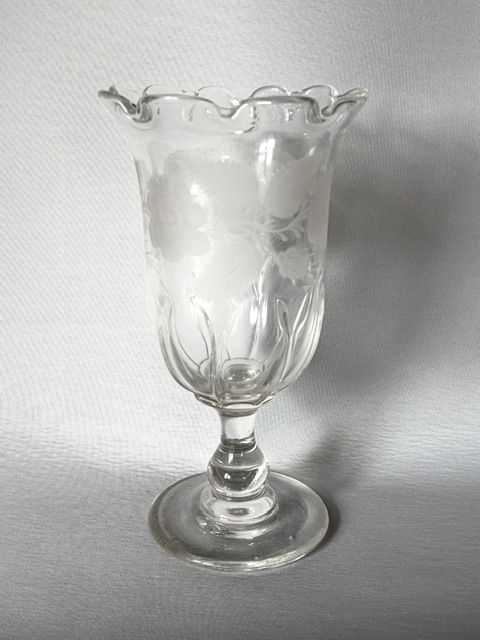
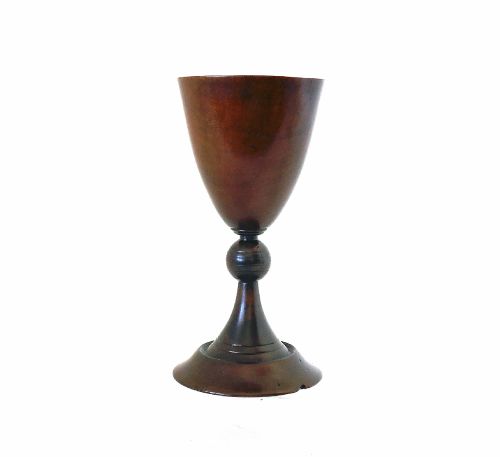
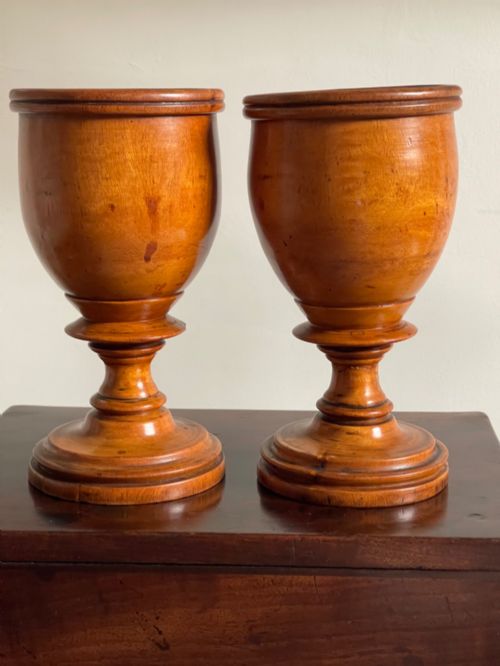
When you search for a 19th century goblet, you encounter drinking vessels and display pieces formed in glass, silver plate, and fruitwood.
19th Century Goblet
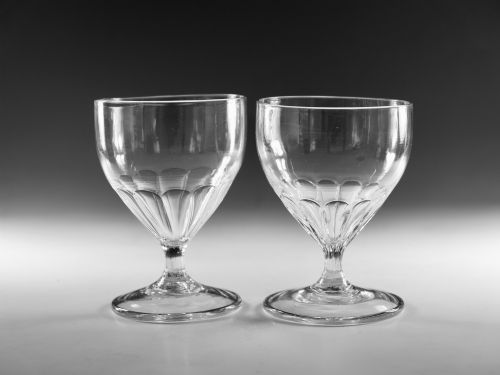
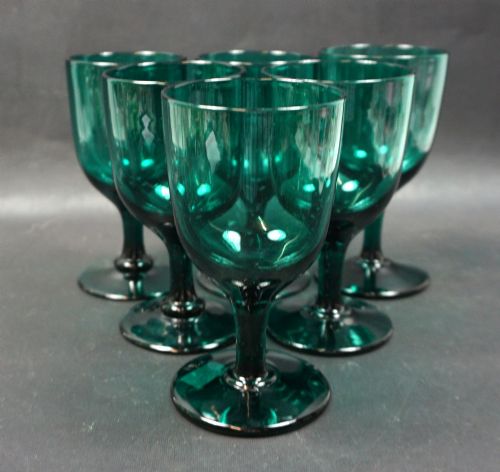
The objects on this page span several material categories, with lead glass and coloured glass variants appearing most frequently alongside silver plate and turned fruitwood. Forms range from simple everyday tavern rummers to deeply cut crystal and enamelled continental wine goblets.
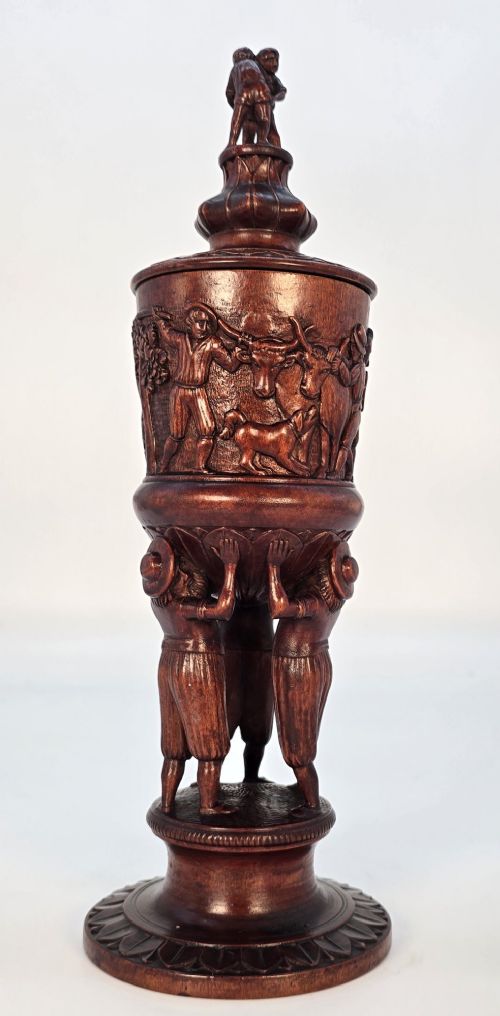
Regional British and European variations dominate the selection, including North-East English rummers, Biedermeier cut glass, and Swiss carved wooden chalices. These pieces reflect the drinking habits and decorative arts of the nineteenth century in domestic, social, and religious settings.
Materials and construction methods
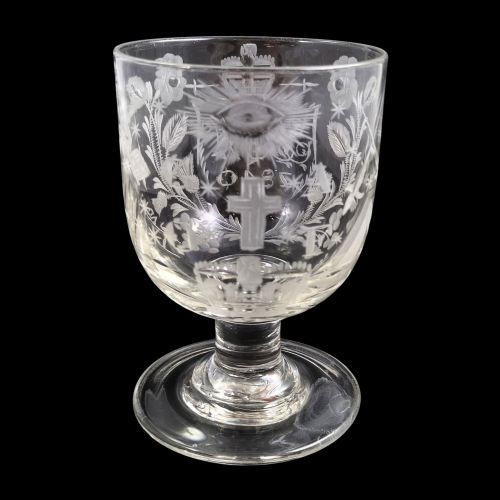
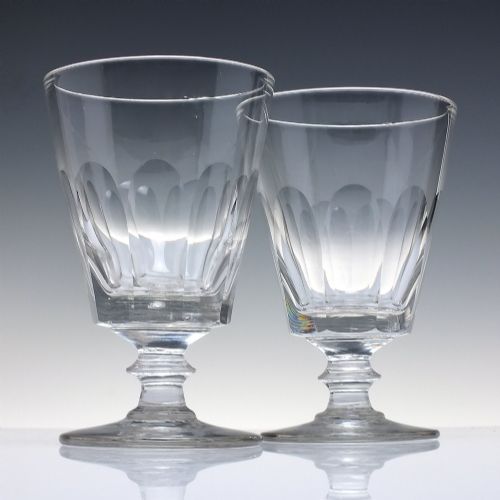
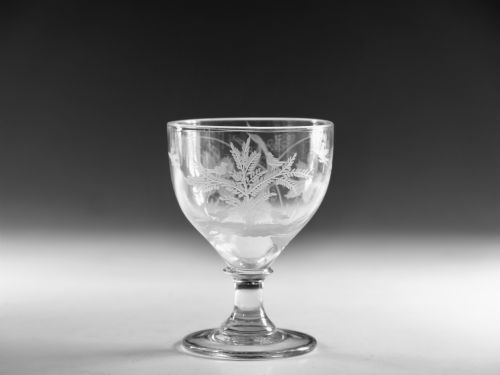
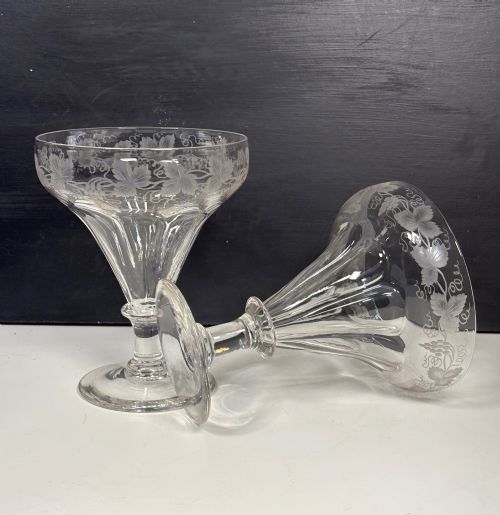
Glass vessels in this category were shaped through hand-blowing and lead-glass formulation, often finished with wheel-engraving depicting hops, barley, or armorial crests. Cut glass variants rely on deep facet cutting and hobnail patterns achieved through abrasive wheel work on clear or coloured metal.
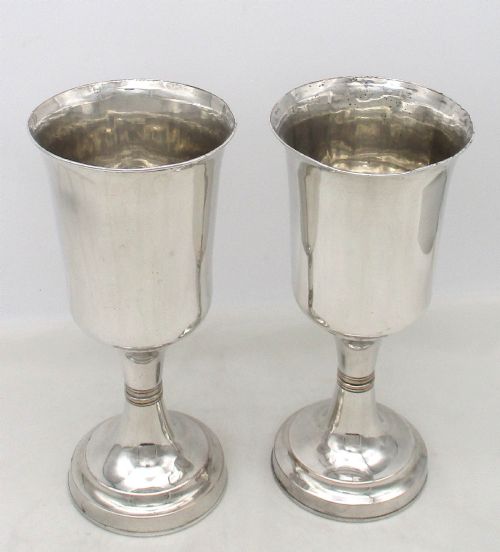
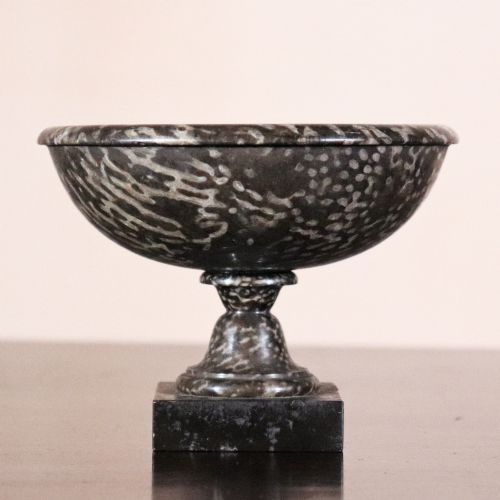
Metal examples utilise old Sheffield plate or sterling silver, sometimes incorporating parcel gilding or pewter casting for ecclesiastical and ceremonial chalices. Wooden items depend on lathe turning and intricate hand-carving in fruitwood, walnut, or Ashford marble.
Several items are engraved with hops and barley, serving as a permanent toast to nineteenth-century brewing.
Factors determining quality
Quality in these pieces rests on the crispness of the engraving, the clarity of the metal or glass, and the precision of the turning or cutting. Superior glass examples display a deep ring and clean metal free of heavy inclusions, while lesser pieces show duller resonance and uneven thickness.
The intricacy of surface decoration also separates standard production from exceptional work. Elaborate intaglio engraving, precise hobnail faceting, or fine enamelling elevate a vessel from a basic utility item to a masterwork of nineteenth-century design.
George Unite·Richardson·Stevens & Williams·Lobmeyer
The 19th Century Goblet Glossary
- Rummer
- A large, heavy drinking glass popular in the eighteenth and nineteenth centuries, typically featuring a short stem and a bucket or round bowl used for ale or wine.
- Old Sheffield Plate
- A composite material made by fusing a thin sheet of silver to a thicker copper base, common in nineteenth-century tableware and church chalices.
- Hobnail Cut
- A raised, diamond-shaped decorative pattern cut into the surface of glassware, creating a textured exterior.
- Roemer
- A continental European type of stemmed wine glass, often produced in green glass with a wide, studded base and a rounded bowl.
- Intaglio
- A design carved into the surface of glass or stone so that the impression sinks below the plane.
19th Century Goblet: Frequently Asked Questions
What is the difference between a goblet and a rummer?
A rummer is a specific type of drinking vessel characterised by a relatively short, thick stem and a capacious bowl designed for everyday consumption of ale, punch, or wine. Traditional goblets often feature taller stems and more formal, decorative proportions intended for display or ceremonial use.
In nineteenth-century usage, the terms occasionally overlap, but rummers generally remain heavier and more utilitarian in weight than formal presentation goblets.
Were these vessels used for daily drinking?
Many glass rummers and wine glasses saw active service at dining tables and in taverns during the Georgian and Victorian eras. Sturdier lead-glass and wooden examples were built to withstand regular handling during communal meals and social gatherings.
Other variants, such as heavily gilded or enamelled continental pieces and church chalices, served purely ceremonial, decorative, or religious functions rather than everyday dining.
How do I care for antique glass and metal goblets?
Antique glass requires gentle hand washing in warm water with mild detergent, avoiding sudden temperature changes to prevent cracking. Silver plated and metal chalices benefit from minimal, careful cleaning using appropriate non-abrasive polishes to preserve underlying plating.
Displaying these objects away from direct sunlight and extreme humidity helps protect vulnerable materials like fruitwood, marble, and coloured glass from fading or deterioration.
How can I tell a Georgian piece from a Victorian one?
Georgian glass often exhibits simpler, heavier forms with polished pontil marks and characteristic lead metal weight, alongside characteristic hop and barley engraving. Victorian examples frequently introduce brighter colours like cranberry and vaseline glass, alongside more complex machine-assisted or deep wheel-engraved motifs.
Examining the manufacturing style, colour palette, and associated hallmarks on silver components helps clarify the production era of each individual object.