
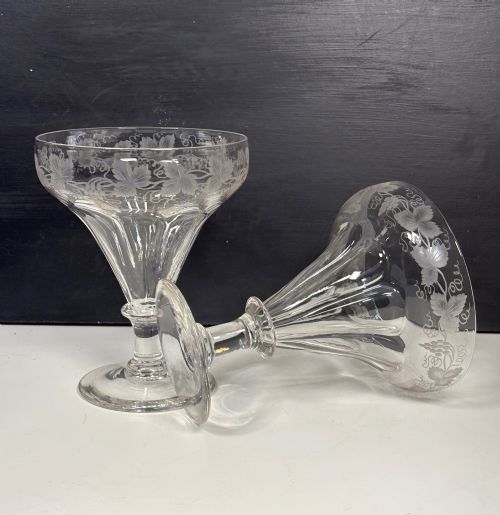
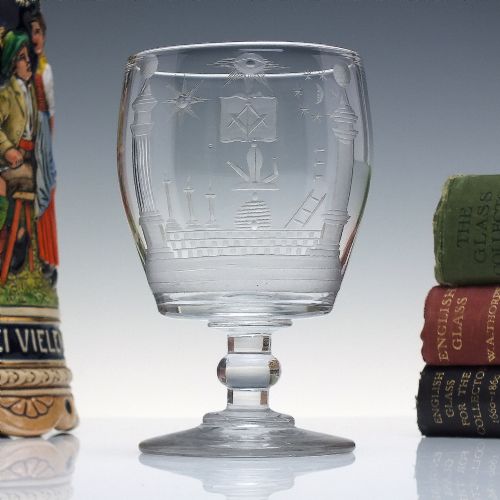


Victorian Glass Rummer
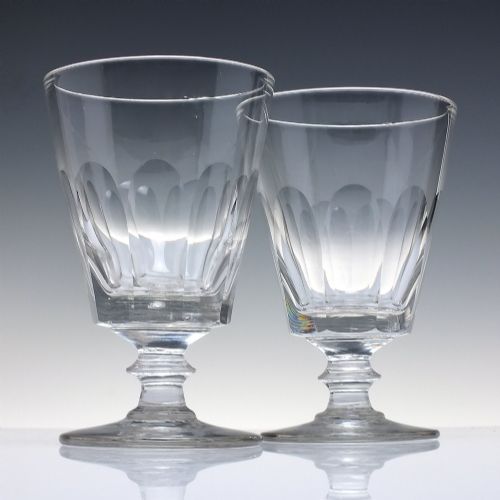
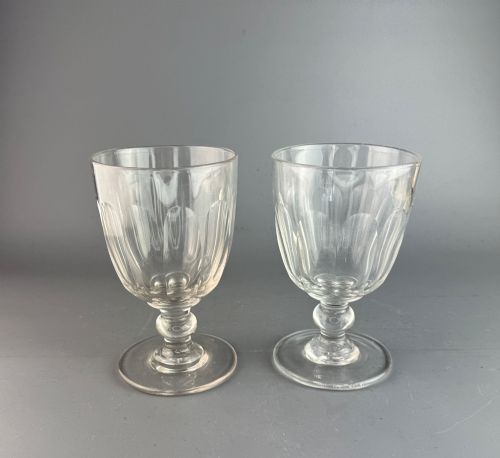
These substantial drinking vessels are victorian glass rummer examples designed for robust toasts and generous measures.
Victorian Glass Rummer
A victorian glass rummer is a heavy drinking vessel designed for ale, wine, or punch during the nineteenth century. These pieces appear primarily in Victorian and Georgian periods, spanning from the early decades through to the end of the century.
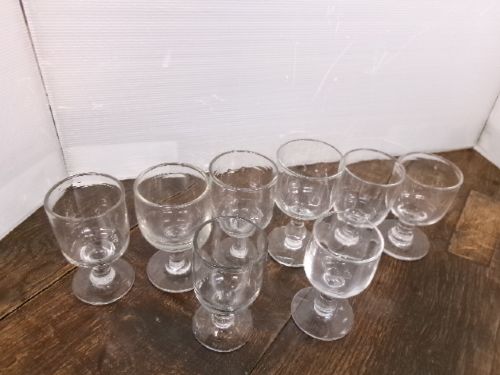
The forms range from large pub goblets and tavern glasses to wide-bowled drinking vessels and matched pairs. Buyers frequently encounter bucket bowls, conical shapes, and pan rummers among the selection.
Originating largely from British workshops alongside continental examples from Bohemia and France, these glasses served domestic, tavern, and Masonic uses.
Materials and Techniques
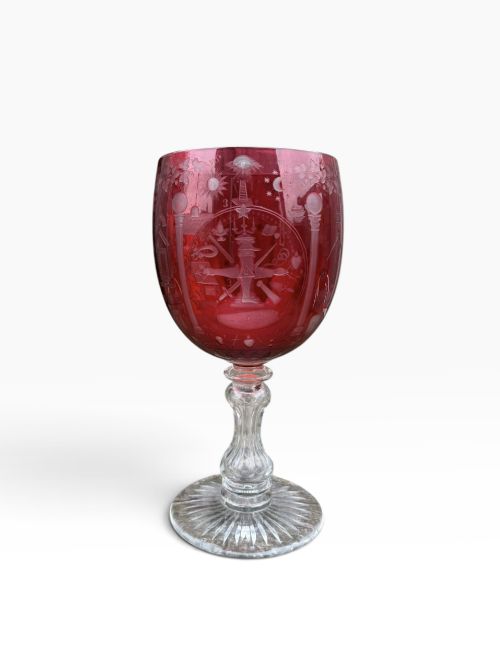
Makers utilised lead crystal, flint glass, and plain clear glass to achieve weight and clarity in the bowl. Coloured variants including cranberry, pale green, amber, and opalescent glass also appear.
Decoration relied on hand blowing, wheel engraving, diamond point work, and deep cutting. Some examples incorporate gold leaf gilding or petal moulding on the bowl.
Victorian Glass Rummer Retail Price Guide 2026
Typical asking prices for victorian glass rummer among the pieces listed under this phrase on Sellingantiques today, from the lower quarter to the upper quarter. They describe what is for sale here now, not the wider market.
Judging Quality and Execution
The weight of the metal and the depth of the hand cutting dictate the tactile substance of the piece. Crispness in wheel engraving and clarity in the crystal distinguish finer examples from standard tavern output.
Proportion matters significantly, particularly the balance between the bowl, stem, and foot. Matched sets command attention due to the difficulty of keeping larger drinking vessels intact over generations.
The Victorian Glass Rummer Glossary
- Rummer
- A heavy drinking glass used for ale, wine, or punch. The form developed from seventeenth-century roemers into sturdy British table vessels.
- Flint glass
- A heavy, highly refractive type of glass containing lead oxide. It offers superior clarity and a resonant ring when struck.
- Baluster stem
- A thick, turned stem resembling an architectural baluster. This form provides stability for heavy drinking vessels.
- Deceptive bowl
- A solid glass base within the bowl that makes the vessel appear to hold more liquid than it actually does.
Victorian Glass Rummer: Frequently Asked Questions
What were rummers used for?
These vessels served hearty drinks such as ale, cider, rum punch, and wine during communal gatherings and tavern evenings.
Their substantial weight and large capacity suited them for robust toasts and everyday dining tables alike.
How do I care for antique glass?
Wash these pieces gently by hand in warm water using mild soap. Avoid sudden temperature changes to protect the old metal.
Store them securely on stable shelving where the heavy bases will not knock against other items.
Are these glasses safe for drinking?
Most nineteenth-century tableware remains suitable for modern use provided the glass has no structural cracks. Hand washing preserves the surface without risking thermal shock.
Inspect the rim and base carefully before serving beverages to guests.
How can I date a rummer?
Dating relies on bowl shape, pontil marks, cutting styles, and stylistic shifts between Georgian and Victorian periods. Heavy baluster stems often point to earlier decades, while late Victorian pieces show different engraving motifs.
Comparing documented examples helps narrow the decade of manufacture.