






Enamelled Chinese Ceramic Vase
An enamelled Chinese ceramic vase brings vibrant polychrome palettes and intricate hand-painted detail into a room, offering centuries of ceramic artistry.
Enamelled Chinese Ceramic Vase
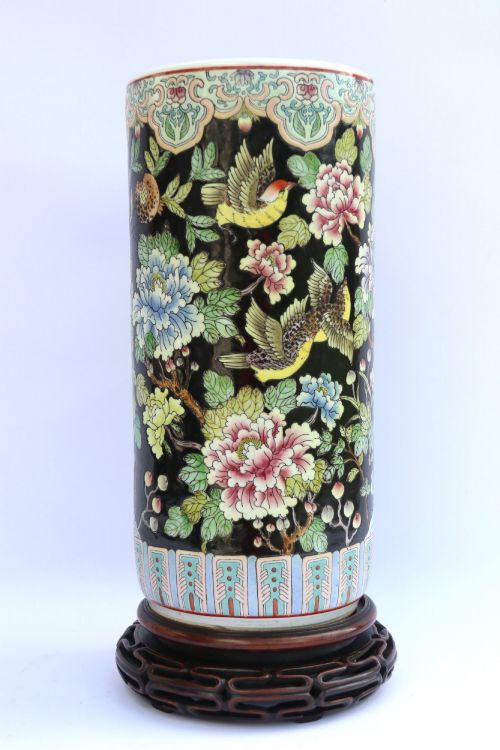
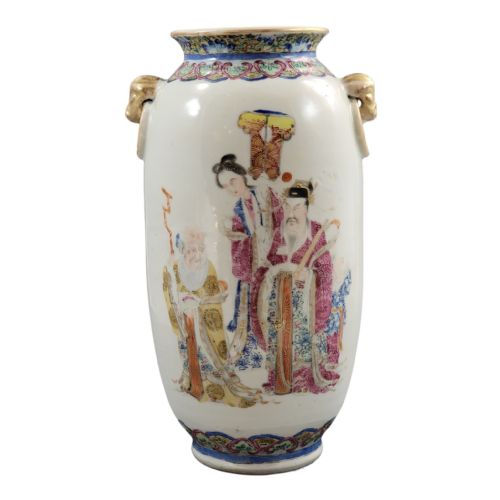
Makers shaped these porcelain bodies into moon flasks, jars, and monumental floor vases, often incorporating original hardwood stands. Styles stretch from Chinese export and Republic period productions to later twentieth-century interpretations and Chinoiserie adaptations.
How they were made
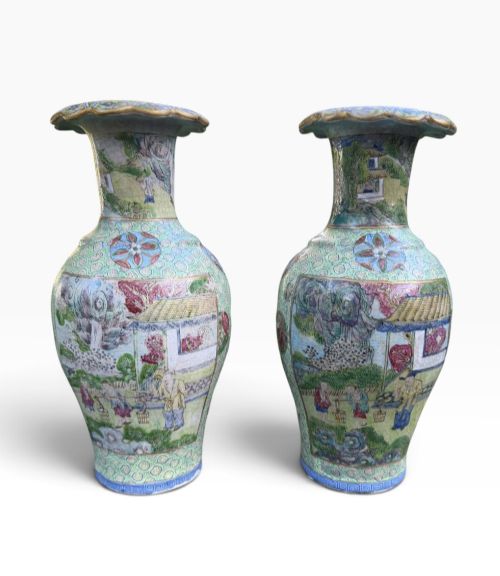
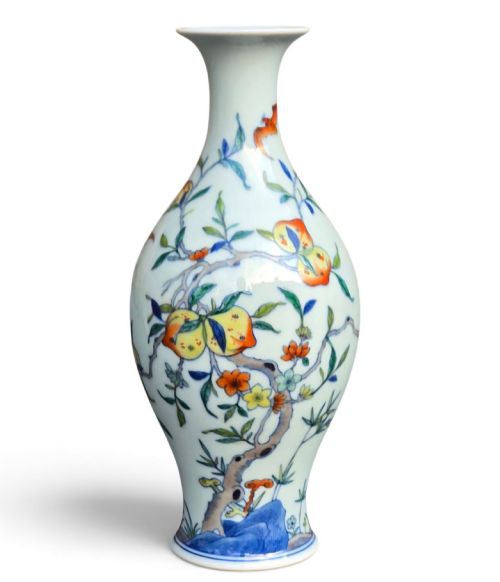
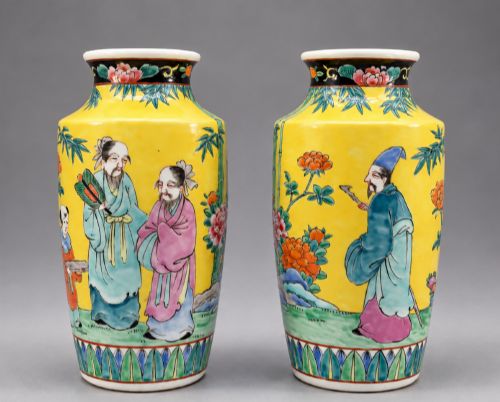
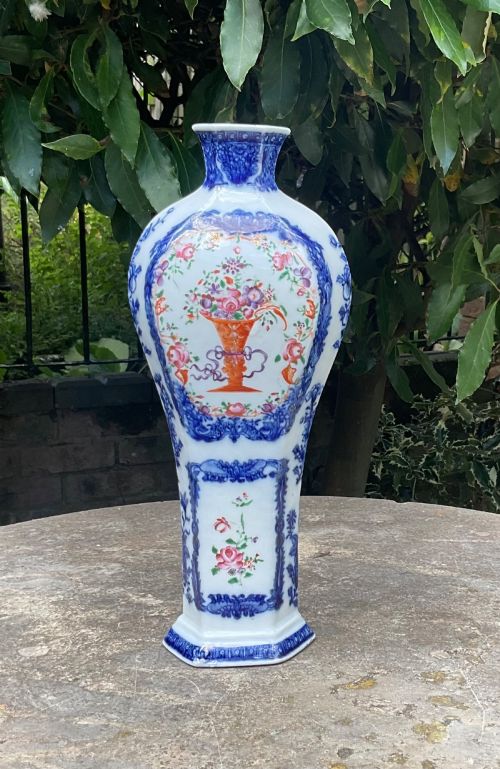
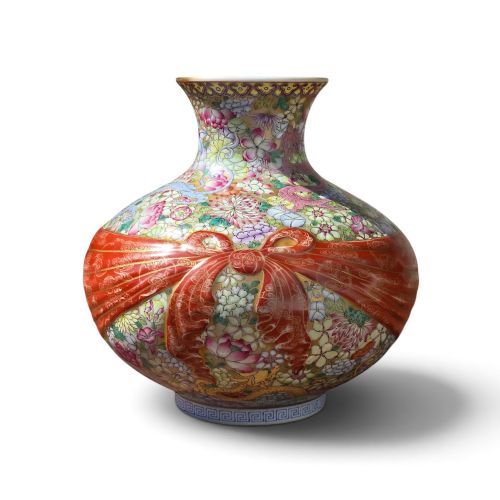
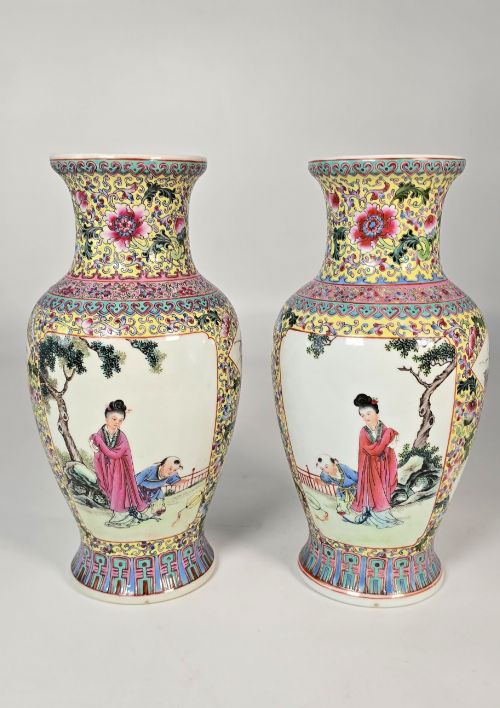
Potters built these vessels in ceramic and porcelain, applying rich enamel colours, glaze, and occasional gold leaf over the fired clay body. Artisans painted detailed floral motifs, figures, and dragons by hand, sometimes utilising biscuit enamel or wucai techniques on the white ground.
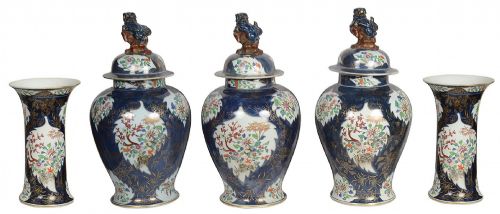
Kilns in centres such as Jingdezhen fired these pieces at high temperatures to set the underglaze cobalt blue before overglaze enamels were added in subsequent firings. Workshops occasionally mounted porcelain jars and vases as lamps or paired them with carved wooden stands.
Enamelled Chinese Ceramic Vase Retail Price Guide 2026
Typical asking prices for enamelled chinese ceramic vase among the pieces listed under this phrase on Sellingantiques today, from the lower quarter to the upper quarter. They describe what is for sale here now, not the wider market.
Listings span porcelain, enamel, gold leaf, and hardwood stands across the Qing Dynasty, Victorian era, and the twentieth century.
What varies in quality
Quality rests in the crispness of the hand-painting and the complexity of the enamel palette, where finely rendered bird and flower motifs or multi-figure narrative scenes demand greater skill from the artist. The density of the gilding and the precision of the iron-red ribbons or dragons elevate certain examples above simpler production pieces.
The weight and purity of the porcelain body, along with the presence of imperial or reign marks, separate standard export wares from monumental floor vases and marked pieces of exceptional artistic ambition.
The Enamelled Chinese Ceramic Vase Glossary
- Famille rose
- A major palette of opaque overglaze enamels introduced in the eighteenth century, distinguished by its characteristic pink or rose colour derived from colloidal gold.
- Famille verte
- An enamel palette dominated by green hues, accompanied by iron red, yellow, and blue, which developed during the Qing Dynasty.
- Baluster vase
- A vessel form characterised by a bulging lower portion and a slender neck, mirroring the architectural shape of a baluster.
- Ginger jar
- A ceramic vessel with a broad shoulders and a flat-topped cover, originally designed for storing spices and herbs before becoming purely decorative.
- Canton
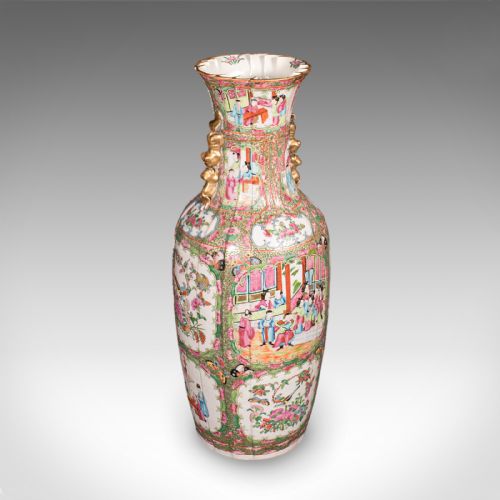
- A style of export porcelain decorated with dense panels of figures, birds, and flowers, produced in the southern Chinese port city for Western markets.
Enamelled Chinese Ceramic Vase: Frequently Asked Questions
How do I identify Qing Dynasty ceramics?
Qing Dynasty ceramics are identified through characteristic porcelain bodies, specific enamel palettes like famille verte or famille rose, and sometimes reign marks on the base. Stylistic details such as dragon motifs and hand-painted borders provide further clues.
Many pieces from this era reflect traditional Chinese iconography or were adapted for Western export markets during the nineteenth and early twentieth centuries.
Can I use an antique vase as a lamp?
Many nineteenth-century Chinese vases were converted into table lamps during the twentieth century, retaining their original porcelain bodies while wiring was added. These conversions often integrate brass fittings.
Collectors encounter both lamps and standard vases on the market, with some retaining traces of their original mounts or paired stands.
What does Jingdezhen mean on a listing?
Jingdezhen refers to the historic city in Jiangxi province that served as the primary imperial and commercial centre for Chinese porcelain production for centuries. Kilns here mastered high-fired porcelain and complex enamel techniques.
Pieces attributed to or associated with this centre represent the long tradition of Chinese ceramic manufacturing reflected in the market.