





Qing Dynasty Porcelain Urn
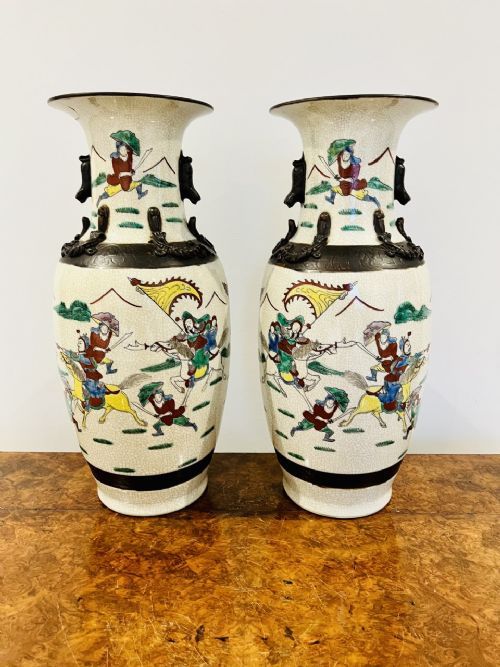
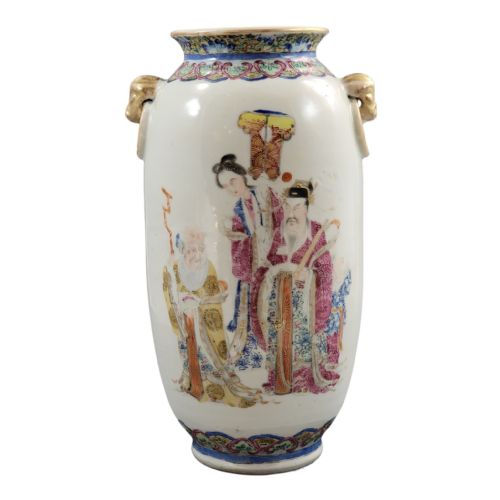
A qing dynasty porcelain urn is a vessel of remarkable heft and painted detail, commanding attention in any interior.
Qing Dynasty Porcelain Urn
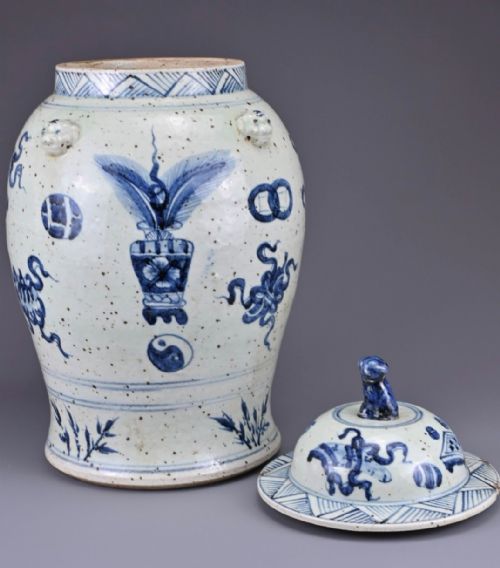
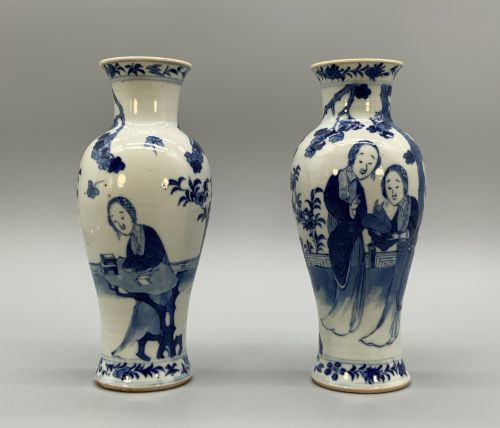
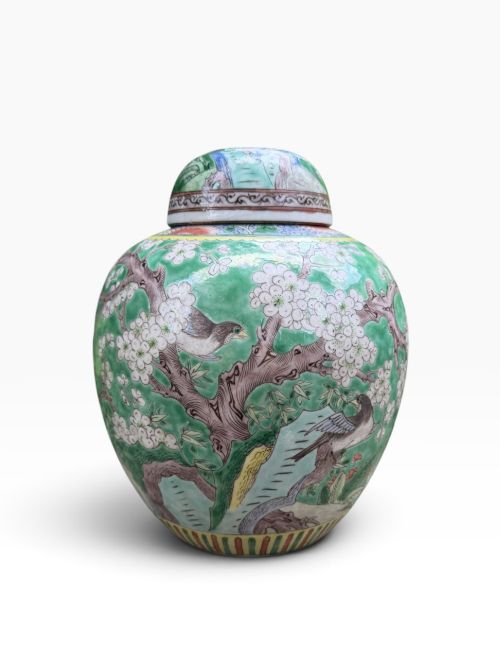
A qing dynasty porcelain urn brings together centuries of ceramic tradition and intricate hand-painted motifs for the modern home. Pieces matching this search phrase encompass lidded ginger jars, baluster vases, and monumental floor jars originating primarily from the nineteenth century alongside earlier examples.
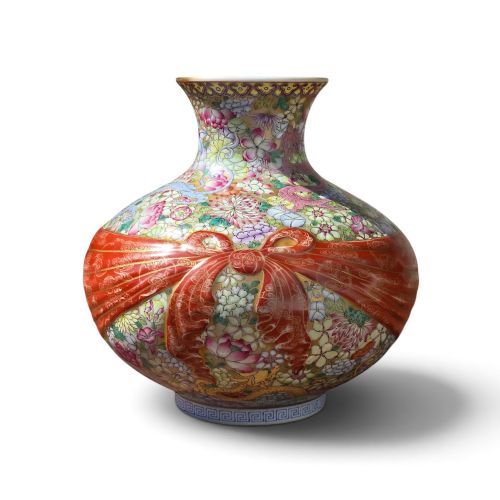
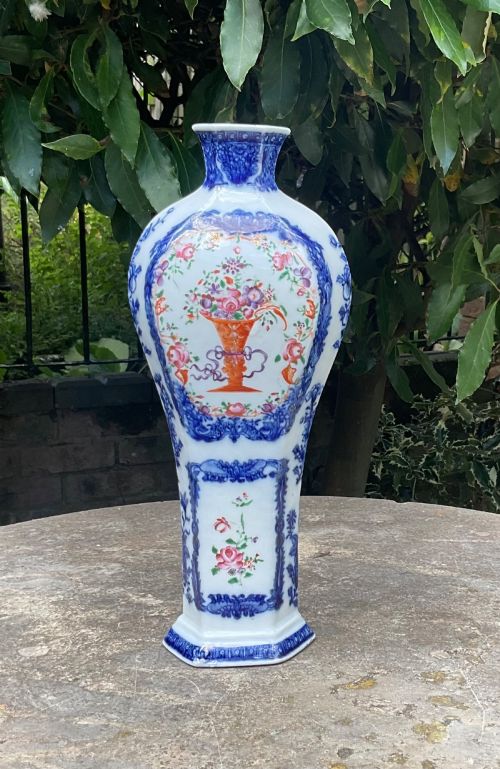
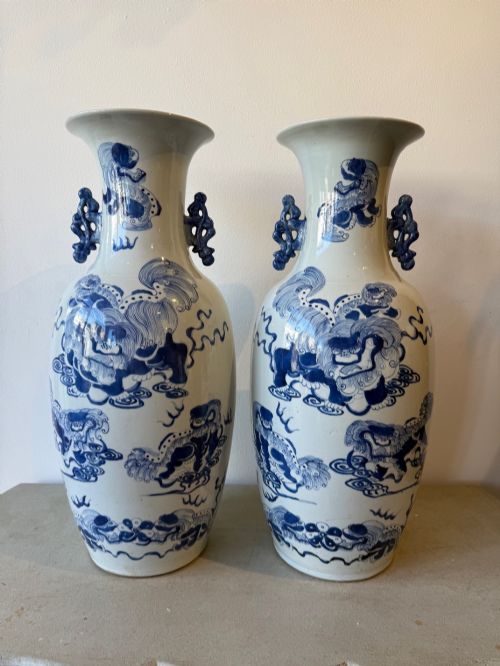
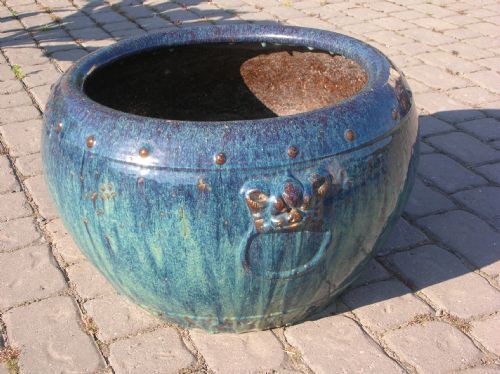
Buyers frequently encounter blue and white painted vessels, robust famille rose creations, and vibrant green-glazed planters. Forms range from covered ovid jars to tall display vases, reflecting the diverse output of Chinese kilns during the Qing period.
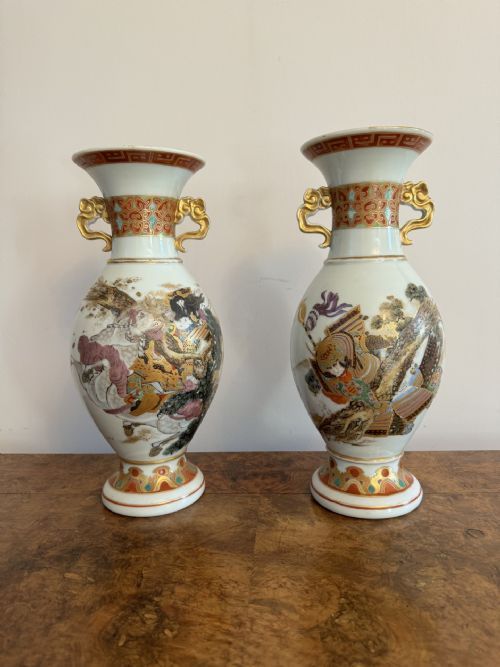
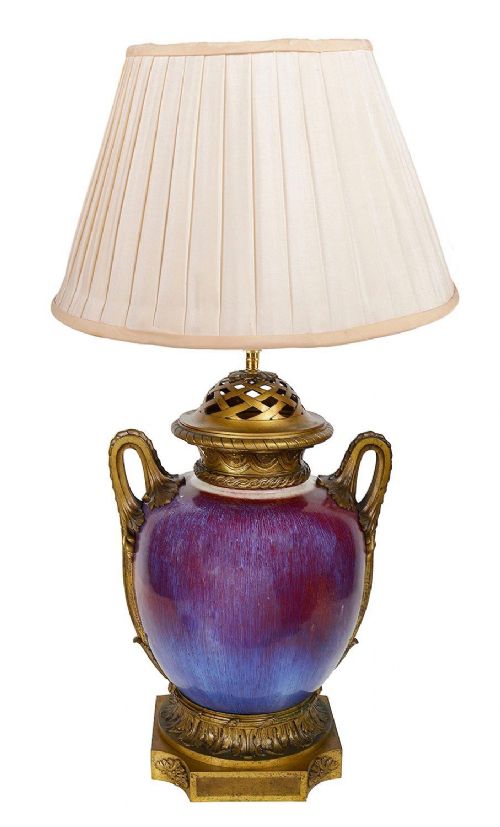
The selection includes both traditional domestic wares and pieces made for export markets, maintaining distinct stylistic traits such as figural scenes, dragons, and floral panels. These objects serve both as standalone focal points and as bases for wired table lamps.
How They Were Made
Potters shaped high-fired porcelain bodies on the wheel or in moulds before applying mineral pigments beneath or over the transparent glaze. Cobalt blue pigment yielded deep underglaze designs, whilst iron-red, gold leaf, and enamel colours were added in subsequent firings.
Skilled artisans hand-painted detailed landscapes, scholars, and mythical beasts onto the ceramic surface with fine brushes. Certain vessels received bronze, brass, or ormolu mounts during later periods to adapt them for domestic lighting and display.
Several baluster vases double as nineteenth-century lighting conversions, proving that scholar's retreats make surprisingly good reading lamps.
What Varies in Quality
Execution of the painted brushwork dictates visual success, separating hurried commercial production from masterwork output. Fine examples display confident linework, nuanced shading, and precise control of enamel pigments across the porcelain body.
The clarity and weight of the ceramic paste, alongside the stability of the glaze finish, indicate workshop standards. Superior pieces maintain harmonious proportions and crisp relief details that retain their impact from a distance.
Jingdezhen kilns·Canton workshops
The Qing Dynasty Porcelain Urn Glossary
- Famille rose
- A palette dominated by opaque pink enamel introduced during the Qing dynasty. It allowed artists to render soft tonal gradations on floral and figural subjects.
- Ginger jar
- A wide-shouldered ceramic vessel with a domed cover originally utilised for storing spices. These forms remain popular for decorative display.
- Celadon
- A pale green jade-like glaze achieved through iron oxide in reduction firing. The subtle green tone complements carved or plain porcelain surfaces.
- Kangxi style
- A decorative manner originating from the late seventeenth century reign, noted for vibrant blue and white painting. Later workshops frequently referenced these early designs.
- Jardiniere
- A large ceramic pot or bowl designed to hold growing plants or floral arrangements. They often feature flat rims and heavy side walls.
Qing Dynasty Porcelain Urn: Frequently Asked Questions
What is a qing dynasty porcelain urn used for?
These vessels originally served practical storage functions for spices, tea, or dry goods within the household, often accompanied by fitted lids. Over time, collectors and interior designers repurposed them purely as decorative focal points, mantel ornaments, or converted lamp bases.
Today, they bring colour, texture, and historical weight to contemporary rooms. Their robust ceramic construction allows them to sit securely on side tables, cabinets, or dedicated wooden stands.
How do I date a qing dynasty porcelain urn?
Dating relies on examining the painting style, glaze characteristics, base markings, and overall potting technique. Pieces from the nineteenth century often exhibit heavier porcelain bodies and busier enamel palettes compared to earlier wares.
Emperor reign marks painted on the base provide a useful reference point, though later workshops frequently copied earlier marks as a sign of respect. Comparing the wear on the foot rim with known period examples helps confirm the age of the piece.
Are these urns waterproof?
Most antique porcelain vessels hold water effectively due to the vitrified nature of the high-fired ceramic body and interior glaze. However, antique pieces with hairline fractures or later drilled holes for electrical wiring require careful testing before use with fresh flowers.
Using a hidden internal liner protects the fragile antique interior from moisture and mineral deposits over time. This preserves the condition of the ceramic and any painted decoration near the rim.
How should I display my porcelain urn?
Position the piece away from direct sunlight and high-traffic walkways where accidental impacts might occur. Placing heavier jars on stable wooden stands or heavy furniture ensures proper weight distribution and protects surface finishes.
Allowing adequate space around the vessel lets the painted motifs and form stand out clearly in the room. Pairing matching pairs symmetrically on sideboards creates a balanced traditional arrangement.