



Pair Large Porcelain Table Lamps
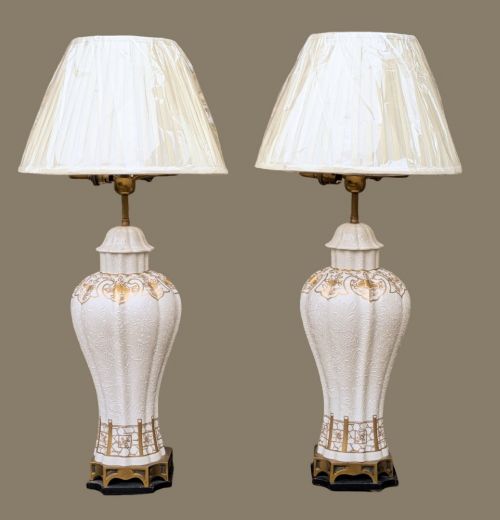
Pair large porcelain table lamps bring height, weight and painted colour to a room, drawing the eye with matched symmetry and substantial form.
Pair Large Porcelain Table Lamps
When you search for pair large porcelain table lamps, you encounter matched sets of substantial vessels converted or created for domestic lighting. These pieces originate across the nineteenth and twentieth centuries, taking the form of decorative vases or jars fitted for electricity.
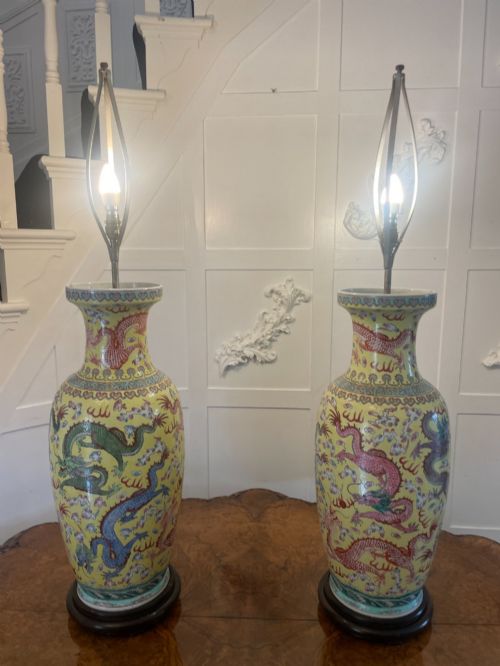
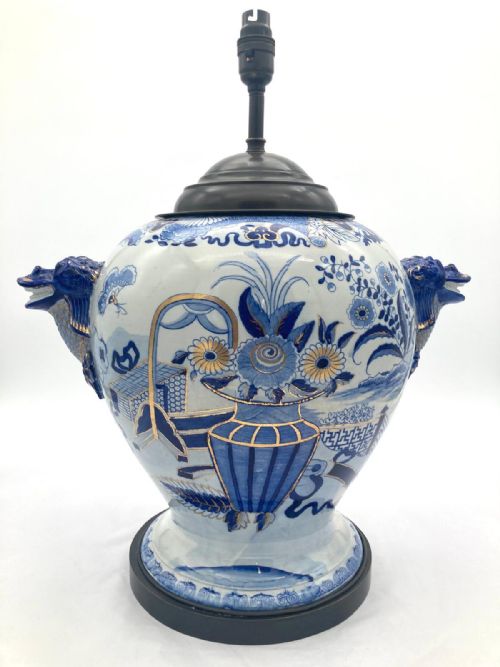
The inventory on this page shows a strong presence of East Asian aesthetic traditions, including Chinese Qing Dynasty, Cantonese, Famille Rose, Rose Medallion, and Japanese Satsuma styles. Alongside these, European interpretations appear, ranging from Regency Chinoiserie and French Sevres to Paris porcelain and ironstone.
Most examples function as commanding focal points on large pieces of furniture due to their notable scale. Buyers choose them to anchor a room with balanced height and rich surface decoration.
How they were made
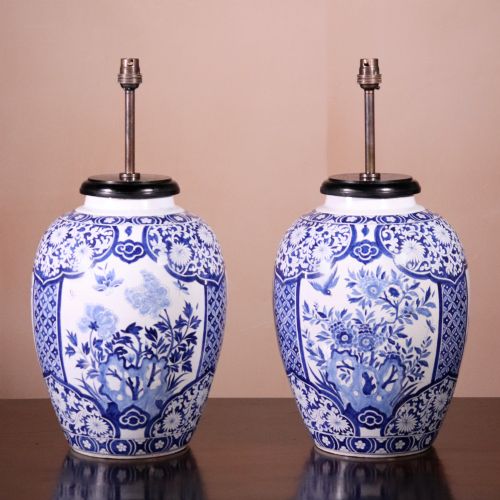
The construction of pair large porcelain table lamps relies on heavy ceramic bodies fashioned as vases or jars, often painted in vibrant enamel palettes with underglaze blue, yellow and green grounds, or famille rose pigments. Many feature detailed hand-painted scenes, floral motifs, and figural compositions that reflect their period of origin.
Makers integrated supporting hardware in materials such as brass, gilt bronze, and wood to stabilise the heavy ceramic vessels. Selected pieces retain textile elements like silk or fabric shades that complement the porcelain body.
Pair Large Porcelain Table Lamps Retail Price Guide 2026
Typical asking prices for pair large porcelain table lamps among the pieces listed under this phrase on Sellingantiques today, from the lower quarter to the upper quarter. They describe what is for sale here now, not the wider market.
Listings span the nineteenth and twentieth centuries, incorporating Chinese export, Japanese Meiji, and French decorative traditions.
What varies in quality
Quality in pair large porcelain table lamps rests upon the crispness of the hand-painted detail and the depth of the enamel work across both vessels. Superior examples display precise brushwork and harmonious colour saturation that match evenly in the pair.
The scale and proportion of the ceramic body relative to the conversion hardware dictate the visual success of the piece. Well-integrated mounts in brass or gilt bronze enhance the architectural dignity of the lamp.
Hicks and Meigh·Sevres
The Pair Large Porcelain Table Lamps Glossary
- Famille Rose
- A palette of opaque enamel colours dominated by pink or rose hues, introduced in Chinese ceramics during the Qing Dynasty. This technique allows for subtle shading and detailed floral or figural rendering.
- Rose Medallion
- A distinct style of Chinese export porcelain featuring panelled decoration filled with birds, flowers, and court figures. The layouts are typically arranged around a central medallion.
- Satsuma
- A type of Japanese earthenware or porcelain with a crackle-glaze finish, usually decorated in elaborate enamels and gilt. These wares became prominent during the Meiji period.
- Sevres
- A French porcelain manufactory known for rich ground colours like bleu celeste and refined decorative application. Pieces from this tradition often incorporate gilt bronze mounts.
Pair Large Porcelain Table Lamps: Frequently Asked Questions
How are these lamps powered?
These lamps utilise standard electrical wiring fitted during their conversion from original vases or decorative vessels.
Buyers should inspect the existing flex and plug to ensure compatibility with modern domestic sockets.
Where should I place large lamps?
Their substantial scale suits placement on heavy sideboards, large console tables, or robust pedestals where they can provide balanced illumination.
They require adequate surface depth and sturdy furniture to support their considerable weight and height.
How do I identify Chinese export styles?
Chinese export styles often feature characteristic motifs such as famille rose enamels, Canton patterns, or blue and white designs produced for Western markets.
These patterns combine traditional Asian iconography with forms suited to European interiors.
Can matched pairs vary slightly?
Hand-painted porcelain items frequently exhibit minor variations in brushwork or colour tone between the two vessels.
Such differences reflect the traditional studio production methods of the nineteenth and early twentieth centuries.