


Enamel Decorative Platter
An enamel decorative platter brings together detailed metalwork and vibrant colour, serving as a striking focal point for a room.
Enamel Decorative Platter
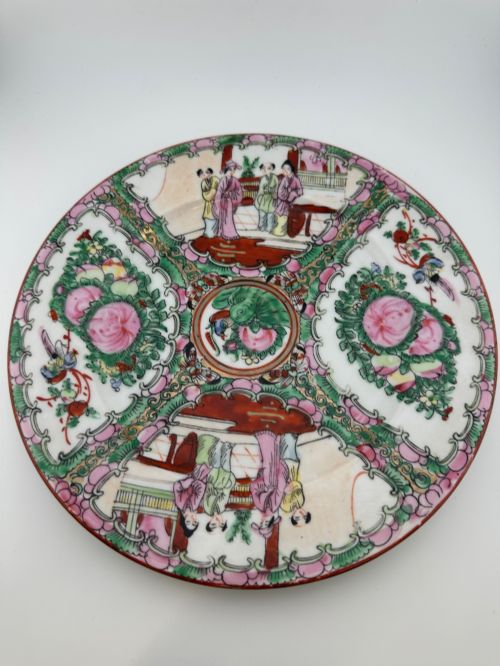
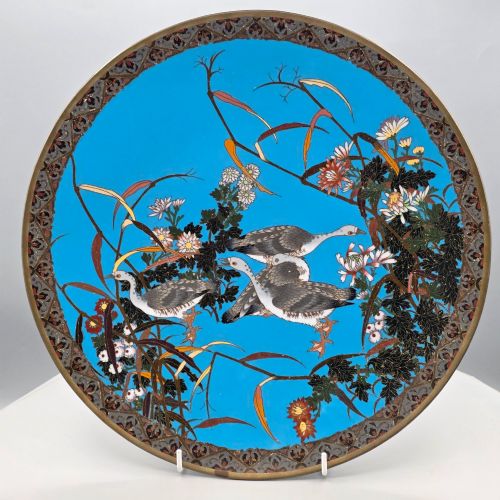
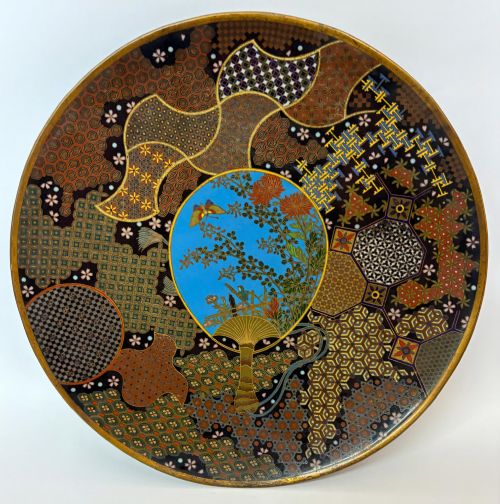
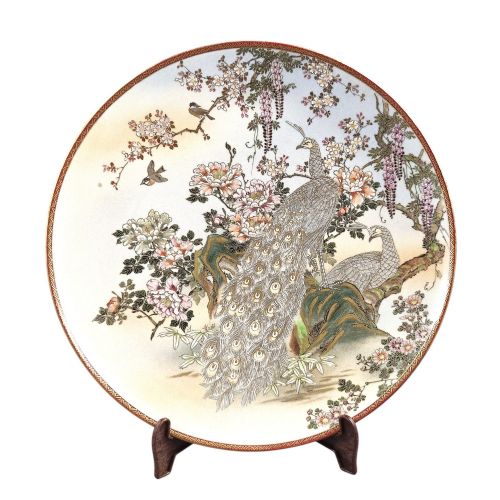
An enamel decorative platter encompasses chargers, shallow bowls, trays, and centrepieces designed primarily for display rather than utility. These items frequently manifest as Japanese cloisonné and champlevé works alongside nineteenth-century French porcelain and enamel pieces.
Most examples originate from the Meiji and late Edo periods, alongside nineteenth-century European workshops influenced by Japonisme. The forms range from small plates to large chargers measuring fifty centimetres across.
Subjects depicted on the surface include dragons, phoenixes, birds, landscapes, and auspicious symbols rendered with considerable pictorial detail.
Materials and construction methods
Makers formed the body of these platters using beaten copper or bronze, frequently applying wire to outline individual cells for cloisonné enamel work. Porcelain served as an alternative base material, combined with champlevé enamel and gilt bronze mounts in European examples.
Coloured vitreous pastes filled the metal wire compartments before firing and polishing to a smooth finish. Totai shippo variations incorporated a pottery core covered in cloisonne enamel to simulate tree bark or textured surfaces.
Listings feature items spanning the eighteenth, nineteenth, and early twentieth centuries, incorporating copper, porcelain, bronze, and gilt elements.
Assessing craftsmanship and execution
The precision of the wirework and the complexity of the design dictate the distinction between standard production and masterwork pieces. Finer platters display intricate detailing in subjects such as feathers, scales, and natural foliage without noticeable surface pitting.
Signatures by renowned makers or workshops add a layer of provenance that separates ordinary decorative items from highly sought-after examples of metalwork.
Kinkozan·Shozo·Louis Pierre Malpass
The Enamel Decorative Platter Glossary
- Cloisonne Enamel
- A technique where thin metal wires are soldered to a metal base to create compartments filled with enamel paste before firing.
- Charger
- A large decorative plate or platter intended for display on a wall, cabinet, or centrepiece stand rather than for serving food.
- Champleve Enamel
- A method where troughs or cells are carved directly into the metal surface and filled with enamel prior to firing.
- Totai Shippo
- A specific Japanese technique involving enamel applied over a porcelain or pottery body rather than traditional metal.
- Ho-o Bird
- A mythical Chinese and Japanese phoenix frequently depicted in traditional Asian decorative arts.
Enamel Decorative Platter: Frequently Asked Questions
How were decorative platters displayed historically?
These large chargers and trays were traditionally placed on wooden stands as centrepieces or mounted on walls to showcase intricate metalwork and colour.
In many interiors, they functioned as principal decorative accents within formal reception rooms and parlours.
What is the difference between cloisonne and champleve?
Cloisonne involves soldering fine metal wires onto a solid metal base to form compartments for the enamel paste.
Champleve uses hollowed-out troughs carved straight into the metal surface itself to hold the coloured glass compound.
How do I identify a Meiji period piece?
Meiji period metalwork typically displays dense, highly controlled cloisonne patterns featuring natural motifs like birds, dragons, and flora.
The period spans from eighteen sixty-eight to nineteen twelve, coinciding with a massive surge in Japanese craftsmanship aimed at export markets.
Can I hang an antique enamel charger on a wall?
Many large chargers were manufactured with display in mind, though older pieces require specialist padded wall hooks to support their weight safely.
Care must be taken to ensure the mounting hardware distributes the load evenly across the rim.