

Elm Spindle Back Chairs
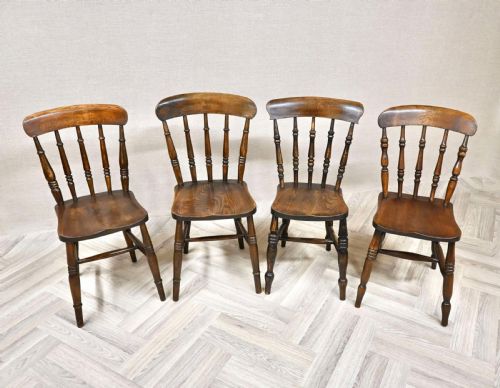
These elm spindle back chairs bring functional rustic charm into modern rooms, offering enduring vernacular seating shaped by generations of English country makers.
Elm Spindle Back Chairs
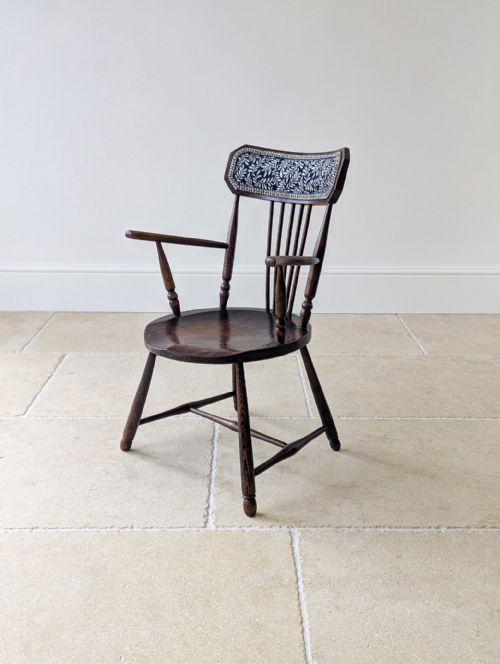
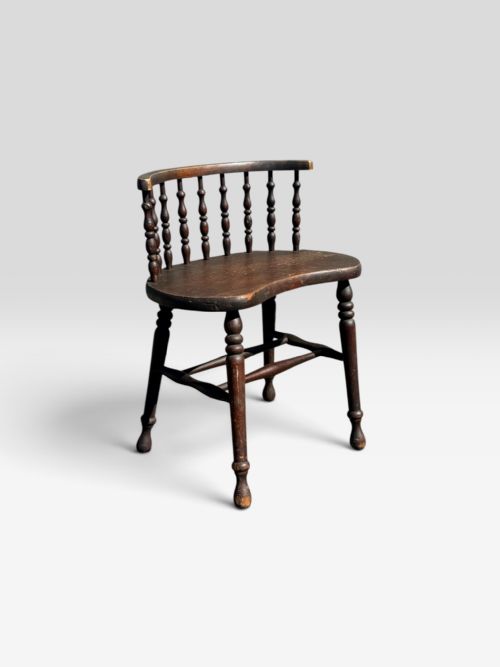
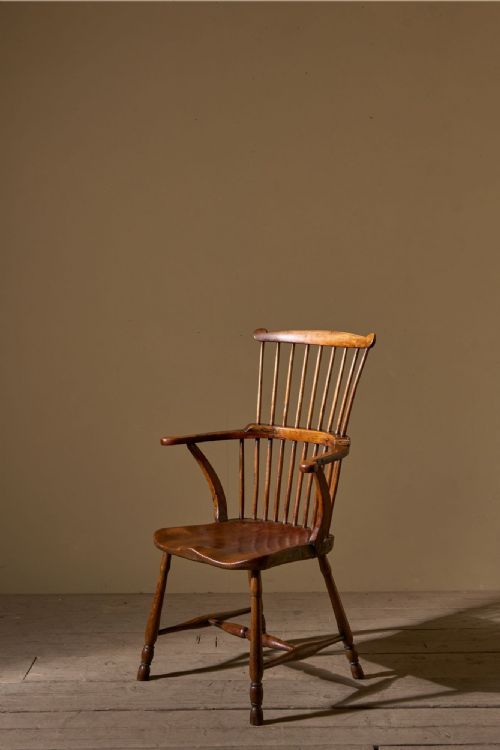
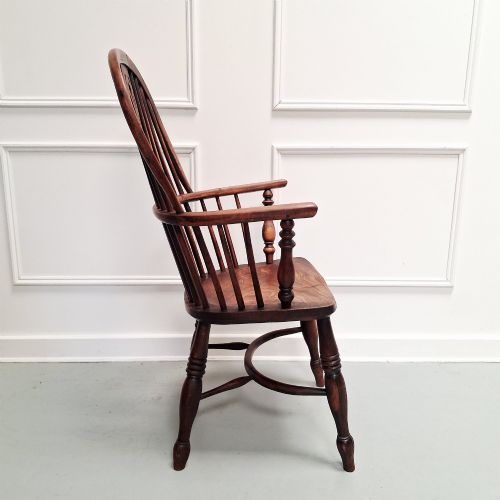
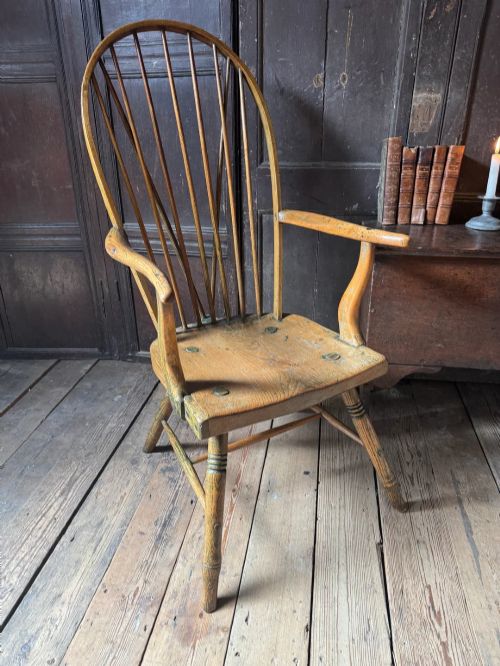
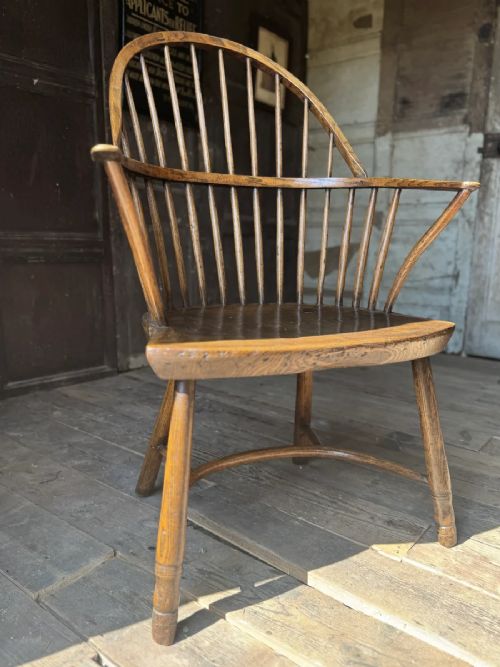
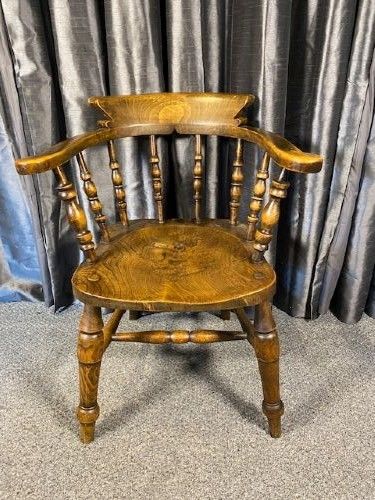
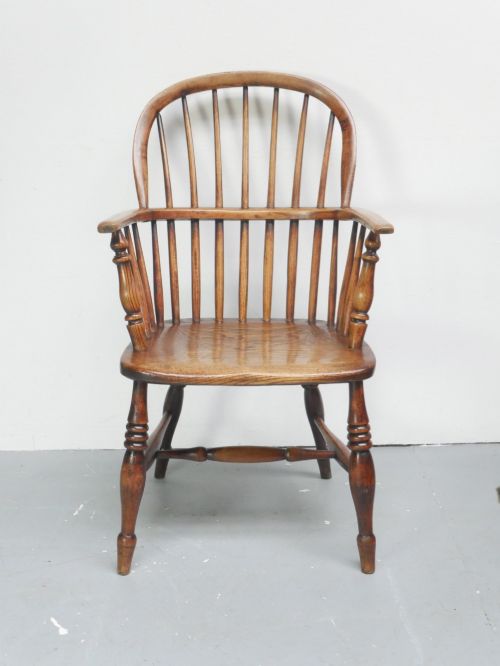
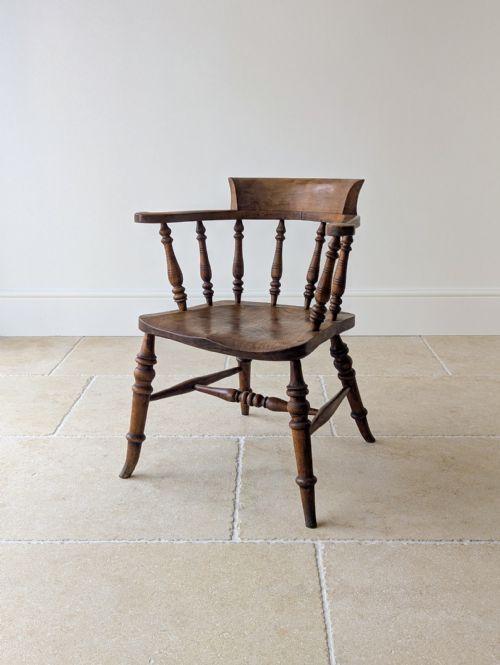
Elm spindle back chairs represent a long tradition of English country and vernacular seating designed for everyday domestic utility. Buyers encounter various formats on this page, ranging from single carver armchairs to matched sets of dining chairs originating across the eighteenth, nineteenth, and early twentieth centuries.
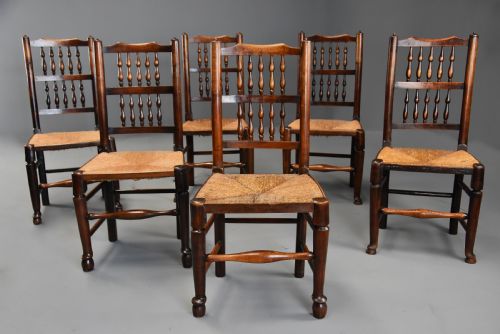
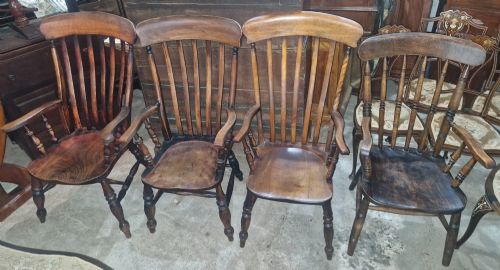
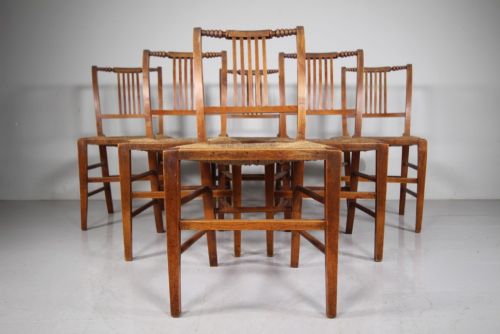
The selection includes regional variations such as Lancashire ladder backs, Thames Valley stick backs, and Windsor armchairs with distinctive bow or comb backs. Regional makers utilised local timber resources, resulting in sturdy country seating intended originally for farmhouses, kitchens, and cottage dining rooms.
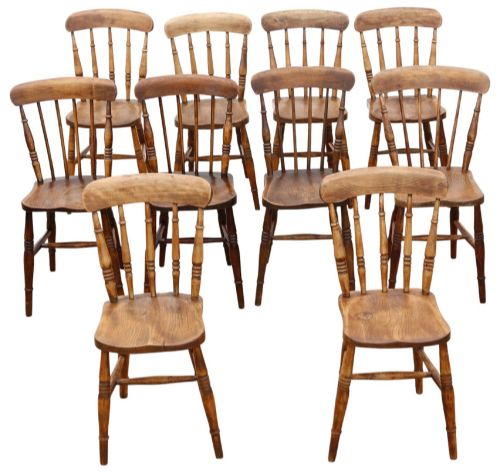
Many survivors appear as harlequin sets gathered together over time, pairing similar profiles in ash, beech, and elm. These groupings display the subtle variations inherent in hand-shaped rural furniture while maintaining a cohesive rustic aesthetic suitable for contemporary interiors.
Materials and Construction
Elm provides the solid, highly figured timber typically selected for shaped seats because its interlocking grain resists splitting under daily use. Craftsmen combined this durable wood with ash or beech for turned spindles, legs, and steam-bent bows, exploiting each timber's specific mechanical properties.
Traditional construction relied on mortise and tenon joints, wedge-secured spindles, and steam-bending techniques to form continuous back rails. Some regional examples incorporate woven rush seats, while others feature solid saddled wooden plank seats carved by hand for comfort.
Many nineteenth-century kitchen chairs bear the subtle indentations of generations of sitters who polished the elm seats to a bright gloss.
Evaluating Quality and Character
The distinction between ordinary utility seating and superior examples rests upon the grace of the turning, the depth of the seat's saddle carving, and the preservation of the original surface patina. Chairs exhibiting crisp spindle turnings and well-balanced proportions command greater appreciation among collectors.
Structural integrity and the retention of matching components differentiate intact sets from heavily restored assemblies. Examples retaining their early surface wear, authentic stretcher arrangements, and original timber combinations demonstrate the true character valued in vernacular antiques.
J Spencer
The Elm Spindle Back Chairs Glossary
- Spindle back
- A chair back constructed from a series of slender, turned vertical wooden rods fitted between a top rail and the seat.
- Windsor chair
- A chair built with a heavy solid wooden seat into which the legs, back spindles, and arms are fitted directly.
- Crinoline stretcher
- An arched under-stretcher connecting the legs of a chair, providing structural rigidity and often associated with eighteenth and nineteenth-century Windsor designs.
- Harlequin set
- A collection of dining chairs assembled from separate sources that share a similar style, period, or material.
- Vernacular furniture
- Everyday objects made by regional craftsmen using local traditions rather than following high-style academic architectural designs.
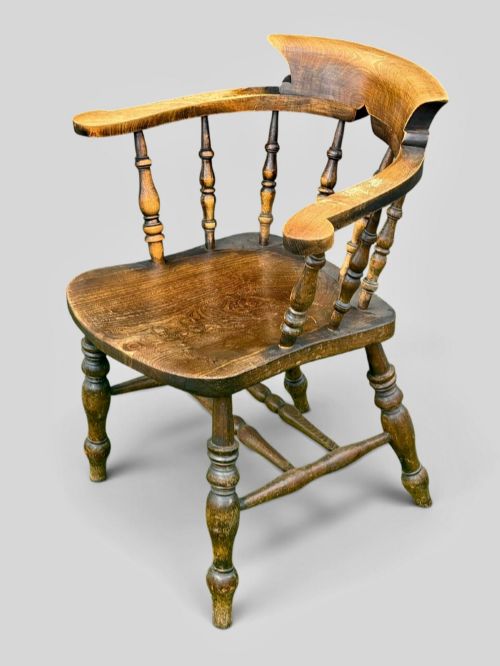
- Smokers bow
- A low-backed Windsor armchair with a continuous curved armrail, commonly found in nineteenth-century country settings and public houses.
Elm Spindle Back Chairs: Frequently Asked Questions
How do I care for antique elm chairs?
Keep wooden seating away from direct heat sources and sudden temperature shifts to prevent timber shrinkage and joint loosening. Apply a quality microcrystalline wax occasionally to protect the dry surface finish.
Avoid wet cleaning methods and use only a soft, dry cloth for routine dusting to preserve the historic patina developed over centuries of use.
Can I mix these chairs with modern dining tables?
Their organic timber tones and varied vernacular profiles allow these chairs to contrast effectively against contemporary glass, metal, or stone surfaces. Combining antique seating with modern designs adds visual warmth and historical depth to a dining space.
Pay attention to seat heights and table clearance dimensions when pairing different regional chair types with modern furniture standards.
What is a harlequin set?
A harlequin set consists of multiple chairs sharing a similar period, timber, and spindle back style that were gathered together rather than manufactured as a single batch. These groupings often display subtle variations in turning details and wood grain while maintaining a unified appearance.
Such sets offer a practical solution for larger dining tables where finding an entirely original surviving set of ten or twelve matching chairs proves difficult.
How do I distinguish regional chair styles?
Regional styles reveal themselves through construction traits, such as the Lancashire preference for ladder backs or the Thames Valley use of slender stick backs. Local timber availability also dictates construction, with makers utilising local ash, elm, and beech.
Examining under-seat markings, stretcher placement, and turning profiles helps identify the geographical workshop tradition behind individual pieces.