

Vintage Elm Dining Chairs
Vintage elm dining chairs bring solid country character to a room, offering robust seats built for daily use through generations.
Vintage Elm Dining Chairs
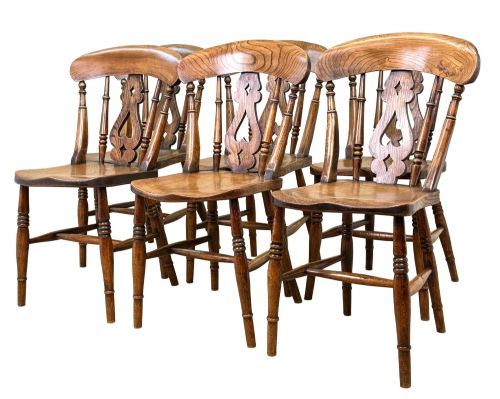
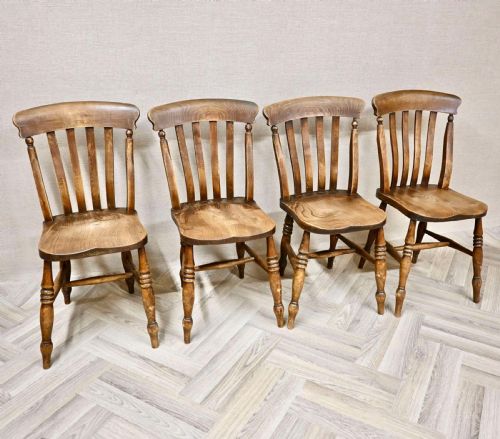
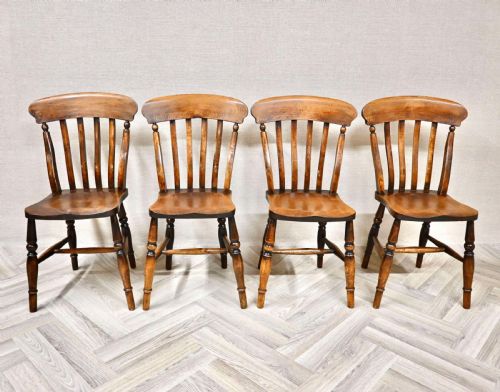
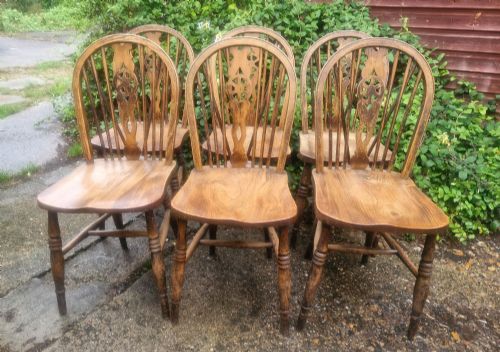
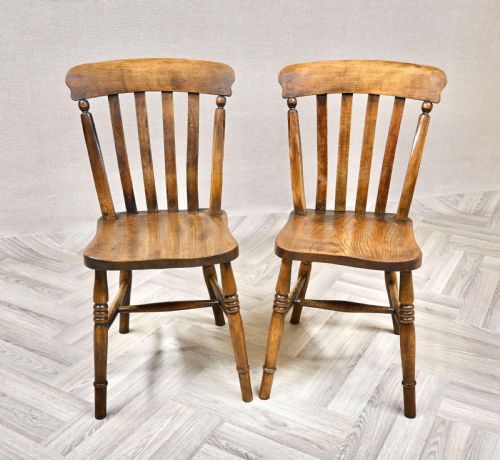
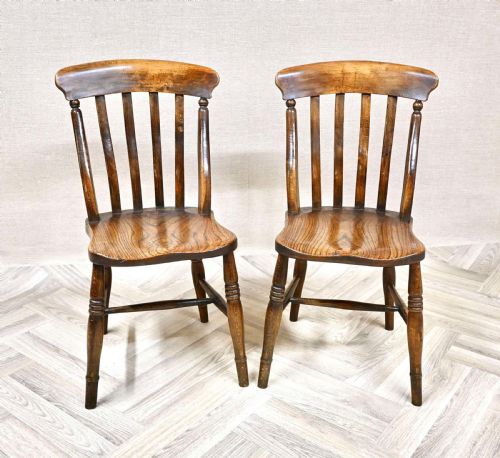
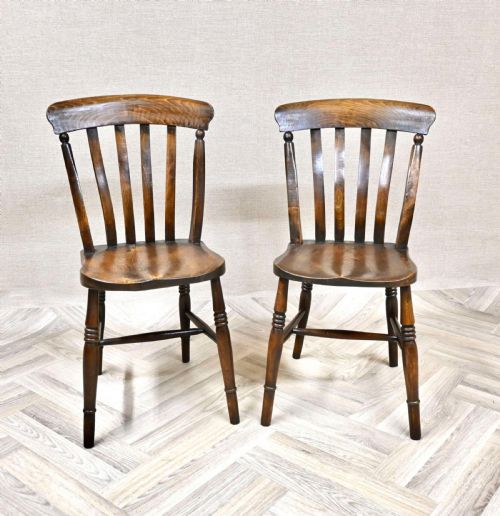
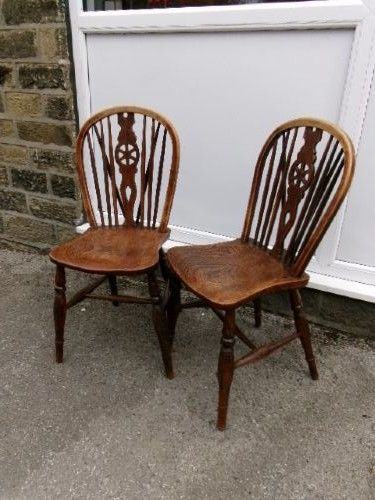
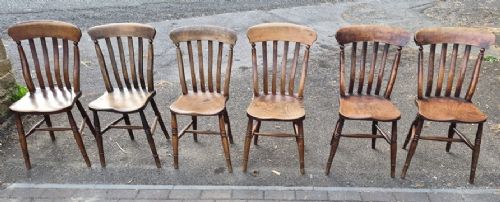
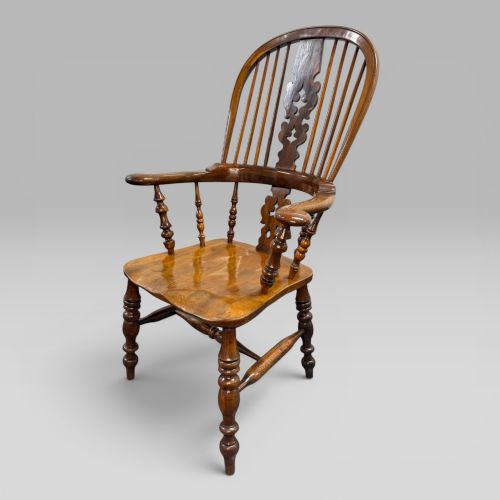
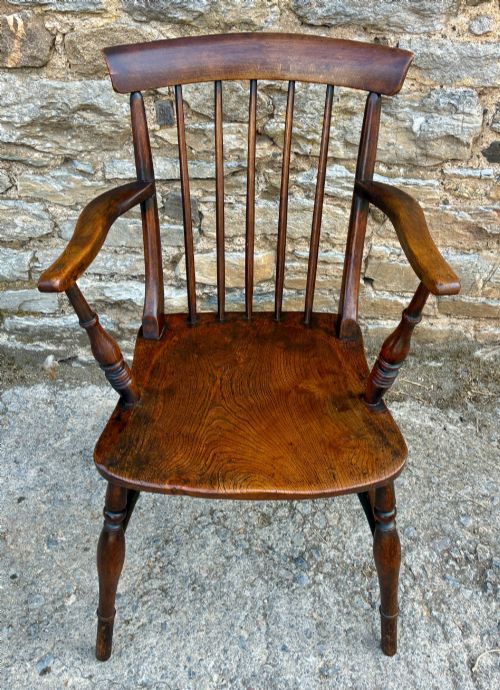
Vintage elm dining chairs encompass vernacular seating forms built primarily for farmhouse kitchens and country homes. Buyers seeking vintage elm dining chairs encounter numerous Windsor variants, including hoop backs, lath backs, and wheel backs.
The selection ranges from single rustic seats to large matched sets originating across the nineteenth and early twentieth centuries. Thames Valley examples appear alongside regional English country styles and occasional continental designs.
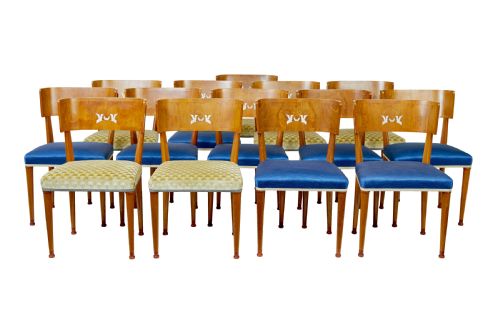
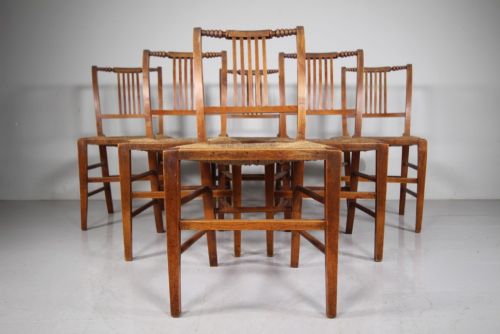
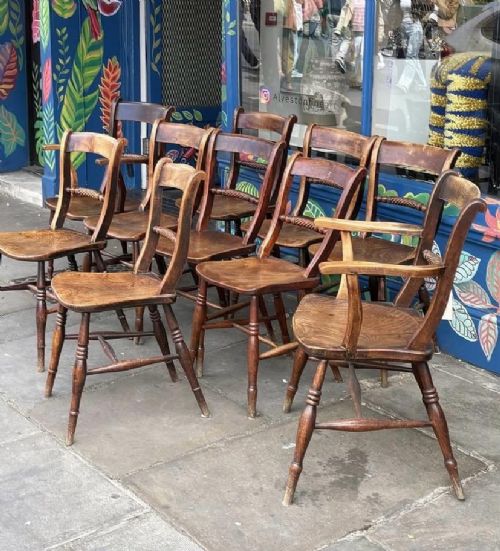
Mismatched harlequin sets and uniform sets of four, six, or more chairs populate the selection. Most pieces reflect domestic utilitarian traditions rather than formal parlour manufacturing.
Materials and construction
Makers utilised elm for the solid, thick saddle seats due to its resistance to splitting, combining the timber with ash or beech for spindles and legs. This multi-wood construction allowed each part of the chair to serve its specific structural purpose.
Traditional bodgers turned legs and stretchers on pole lathes using green wood, while steam bending shaped the continuous hoops and bows. Carpenters locked the components together using wedged tenons and mortise joints.
Vintage Elm Dining Chairs Retail Price Guide 2026
Typical asking prices for vintage elm dining chairs among the pieces listed under this phrase on Sellingantiques today, from the lower quarter to the upper quarter. They describe what is for sale here now, not the wider market.
Listings feature elm combined with ash, beech, oak, and fruitwood across nineteenth-century and early twentieth-century periods.
Assessing quality and character
Quality rests in the depth of the sculpted elm seat and the integrity of the wedged joints securing the undercarriage. Thicker, deeply dished seats demonstrate superior craftsmanship compared to flat, thin boards.
The rhythm and balance of the turned spindles and the grace of the bentwood bows dictate visual refinement. Original surface patination accumulated through decades of domestic use distinguishes the finer examples from later alterations.
The Vintage Elm Dining Chairs Glossary
- Windsor chair
- A wooden chair featuring a thick solid timber seat into which the legs and back spindles are directly inserted. These chairs rely on a strong undercarriage with stretchers for stability.
- Thames Valley
- A regional English style of Windsor chair making known for refined turnings and combinations of yew, ash, and elm. These pieces often exhibit high backrests and graceful arm loops.
- Smokers bow
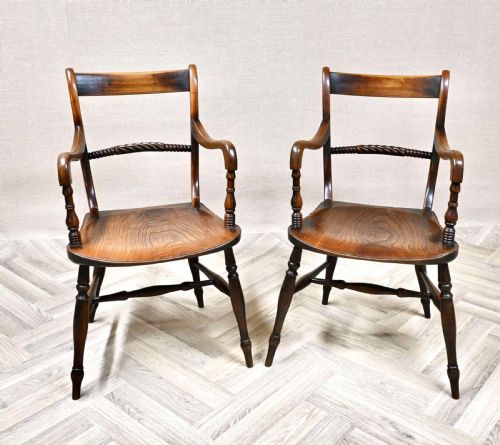
- A low-backed Windsor armchair with a rounded continuous arm rail, also known as a captain's chair. They provide compact comfort around a dining table.
- Lath back
- A chair back featuring vertical wooden slats or laths secured between a top rail and the seat. This design offers sturdy support compared to spindle variations.
- Wheel back
- A Windsor chair incorporating a pierced wooden splat shaped like a cartwheel in the centre of the backrest. This decorative feature became popular in nineteenth-century kitchen seating.
Vintage Elm Dining Chairs: Frequently Asked Questions
How do I clean antique elm?
Dust regularly with a dry cloth and apply occasional coats of beeswax to nourish the timber. Avoid harsh modern cleaning sprays that strip the aged surface.
Keep the chairs away from direct heat sources and radical humidity changes to prevent the timber from splitting.
Can I mix different kitchen chairs?
Harlequin sets of country chairs provide an authentic dining room aesthetic. Historical households gathered seating gradually over many years.
Match chairs by approximate height and timber tone to maintain visual harmony around the table.
Are these chairs suitable for daily use?
Solid elm seats and pegged joints make these chairs exceptionally durable for everyday dining. Check the undercarriage stretchers periodically to ensure the legs remain tight.
Modest weight distribution keeps the historic timber stable during routine family meals.