


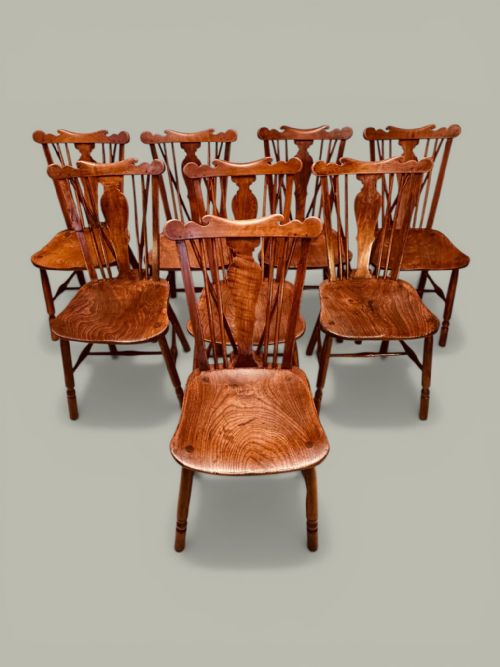


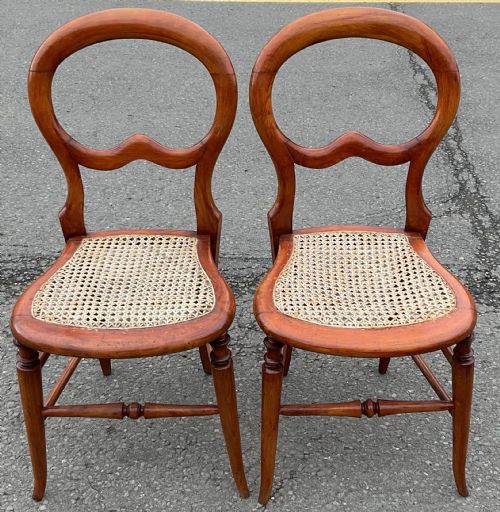

Warm Brown Side Chairs
These warm brown side chairs bring substantial timber character and historic utility to any interior.
Warm Brown Side Chairs
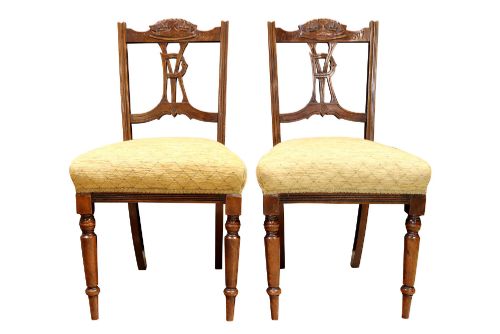
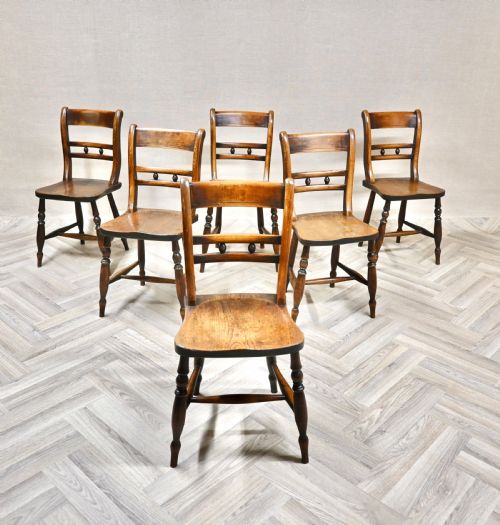
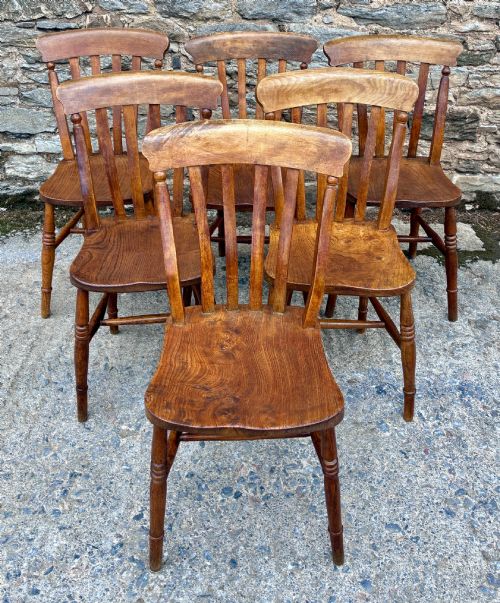
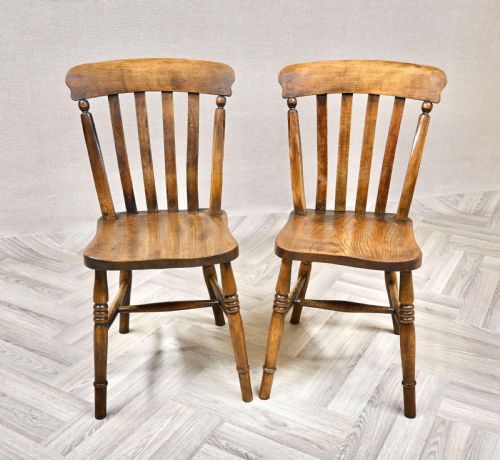
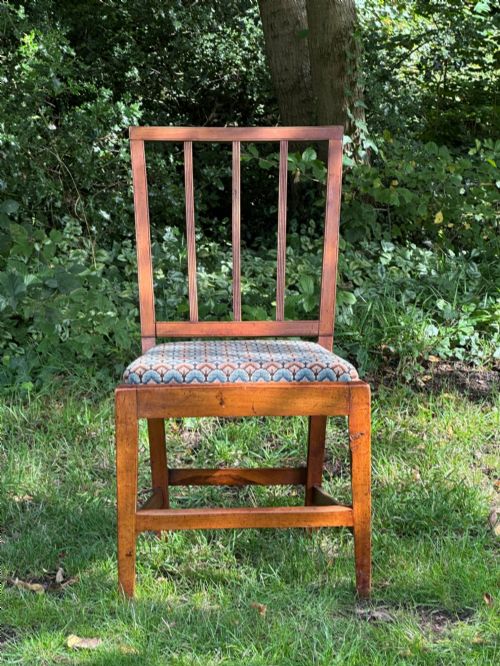
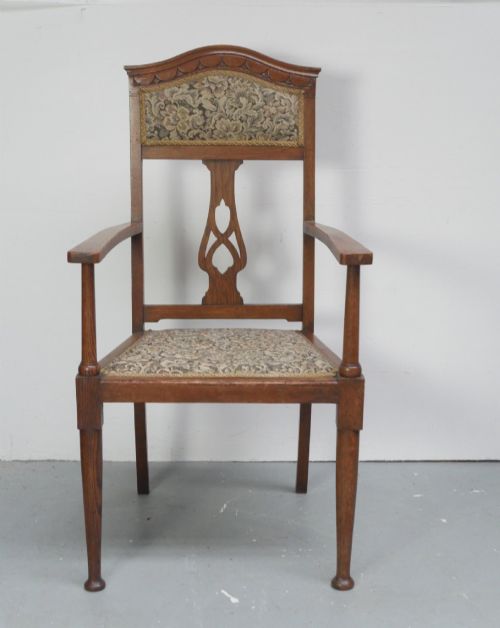
Warm brown side chairs encompass an array of seating forms originating from the eighteenth, nineteenth, and early twentieth centuries. Buyers searching for warm brown side chairs encounter everything from robust country vernacular models to refined formal dining seats.
Origins stretch across English country workshops, Scottish makers, and continental European traditions. These pieces served diverse domestic functions, from farmhouse kitchens to formal reception halls.
How they were made
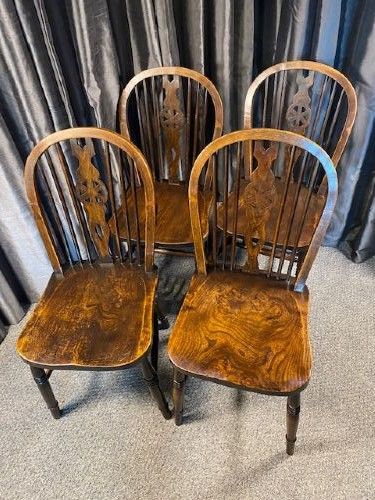
Cabinetmakers and rural artisans utilised solid native hardwoods such as elm, beech, oak, and fruitwood to construct these frames. Joinery typically involved traditional pegged mortise and tenon joints or steam-bent wooden components for curved backs.
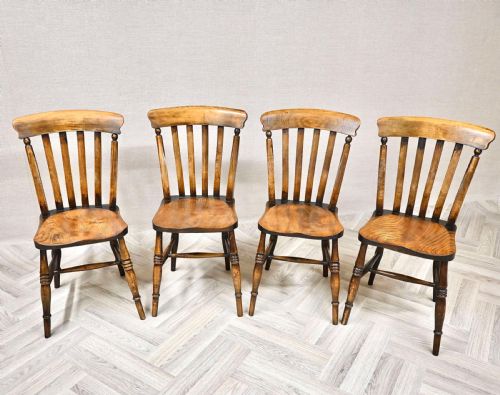
Turned spindles and carved details reveal the heavy reliance on lathe work and hand tools. Surfaces received wax or polish applications to highlight the natural grain and deep brown tones of the timber.
The listings span the eighteenth, nineteenth, and early twentieth centuries, featuring timbers like elm, oak, beech, and fruitwood in diverse regional styles.
What varies in quality
Quality rests upon the selection of timber and the integrity of the original construction. Denser woods and well-pegged joinery separate enduring seating from fragile examples.
The sophistication of the turning and the crispness of any carved ornamentation define the upper tier of the range. Finer proportions and untouched patination elevate certain regional forms above standard utility pieces.
Heals
The Warm Brown Side Chairs Glossary
- Windsor chair
- A wooden chair built with a heavy solid timber seat into which the legs and back spindles are separately inserted. This form often incorporates a comb or bow back constructed from flexible timbers like ash or elm.
- Lathe back
- A chair back featuring turned vertical wooden spindles shaped on a lathe. These components provide robust support while maintaining a light visual profile.
- Fruitwood
- A dense timber sourced from fruit-bearing trees such as pear or apple, prized for its fine grain and warm colour. Artisans used it extensively for rural and formal seating alike.
- Hall chair
- A rigid wooden seat traditionally placed in entrance halls for brief seating. These items often display heraldic carving or shaped solid timber backs.
- Patina
- The surface sheen and colour depth developed through decades of handling, polishing, and natural ageing. It serves as an indicator of genuine period use.
Warm Brown Side Chairs: Frequently Asked Questions
Where did these chairs stand originally?
These seating pieces fulfilled varied roles throughout historic homes, ranging from farmhouse kitchens to formal dining spaces and grand reception halls. Rural vernacular examples sat around scrubbed wooden tables, while smarter mahogany or walnut iterations lined hallway walls.
Simpler wood variants managed heavy daily domestic use, whereas ornate parlour and bedroom chairs saw lighter service. Their placement depended entirely on the household status and the specific room function.
Can I mix different wood tones together?
Mixing various timber tones works well because natural woods share underlying warm brown palettes. Elm, oak, fruitwood, and mahogany complement each other when gathered around a shared table.
The unifying factor remains the organic grain and historical depth of the materials. Surface patination bridges different eras and wood species harmoniously.
How do I date a wooden chair?
Dating relies on examining the construction methods, tool marks left on the timber, and overall stylistic proportions. Eighteenth-century models often display hand-carved details and pegged joinery, whereas later nineteenth-century examples incorporate machine-turned components.
Wood shrinkage, wear patterns around the feet, and the depth of the surface finish offer further clues to age. Comparing specific back designs to known regional periods confirms the era of manufacture.