




Continental Folk Art Furniture
Continental folk art furniture brings warmth and robust character into a room through honest timber and vernacular painted decoration.
Continental Folk Art Furniture
When you search for continental folk art furniture, you encounter practical domestic pieces built for rural European households rather than formal urban drawing rooms. These items span the eighteenth and nineteenth centuries, originating from regions such as the Alps, Austria, Hungary, and the Netherlands.
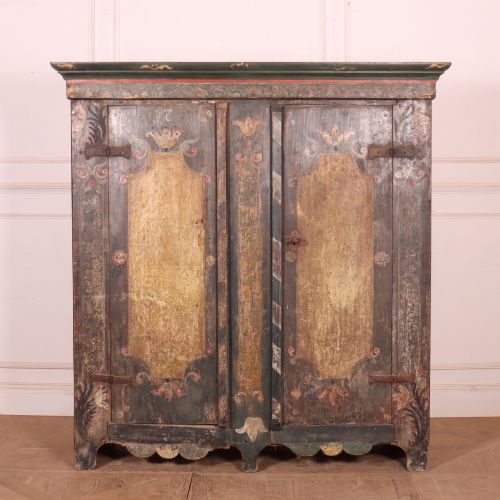
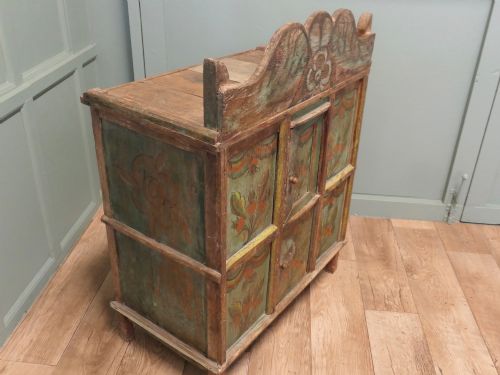
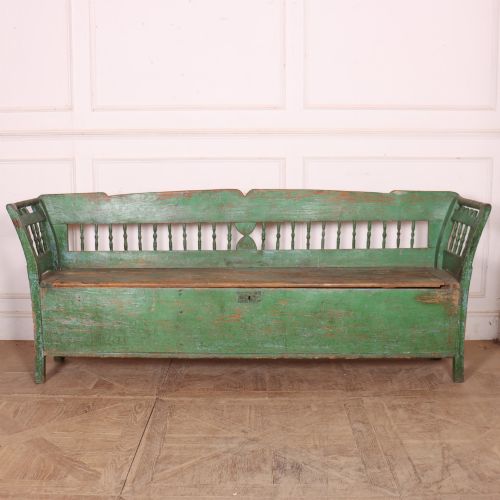
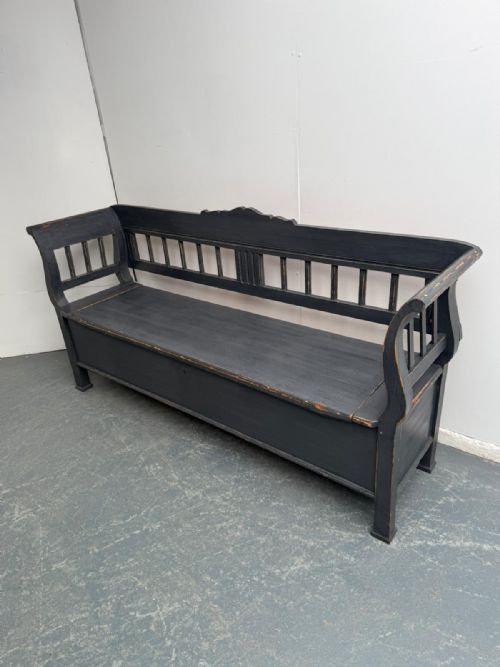
The pieces you are most likely to meet on this page include settle benches, kitchen dressers, farmhouse tables like the Jogltisch, and painted commodes or cupboards. They use native timbers shaped by local tradition to serve everyday storage and seating needs.
Makers shaped these utilitarian forms using straightforward joinery, often finishing surfaces with layers of hand-applied paint in cream, teal, grey, or natural wood tones. Their charm lies in this unpretentious domestic utility combined with regional decorative motifs.
How they were made
Joiners relied primarily on native softwoods and hardwoods, predominantly pine, fruitwood, and general timber for carcass construction. Iron hardware such as hinges and brackets added structural strength to heavily used items like cupboards and settles.
Surfaces frequently received applications of paint to protect the wood and introduce colour to farmhouse interiors. Artisans utilised simple hand tools to shape benches, tables, and dressers, prioritising durability over intricate ornamentation.
Continental Folk Art Furniture Retail Price Guide 2026
Typical asking prices for continental folk art furniture among the pieces listed under this phrase on Sellingantiques today, from the lower quarter to the upper quarter. They describe what is for sale here now, not the wider market.
Listings feature pieces spanning the eighteenth century through to the Victorian era, constructed from pine, fruitwood, and iron.
What varies in quality
The distinction between ordinary utility items and superior examples often rests upon the preservation of original painted surfaces. Traces of early pigment and untouched patination elevate a piece, whereas heavy overpainting diminishes historical character.
Proportion and structural integrity also separate fine regional pieces from plain utilitarian boxes. Well-balanced seating and dressers demonstrate thoughtful local craftsmanship that survives decades of daily farmhouse use.
The Continental Folk Art Furniture Glossary
- Jogltisch
- A traditional Alpine table construction featuring a distinctive sliding top or draw mechanism common in regional farmhouses. This form provides sturdy dining space adapted for rural households.
- Settle bench
- A high-backed wooden bench designed to shield occupants from draughts near hearths. These seats often incorporate enclosed storage compartments beneath the bench.
- Commode
- A low freestanding cabinet or chest used for storage, frequently finished with decorative painted schemes. Continental examples display regional furniture styles.
- Dresser
- A multi-tiered kitchen unit combining lower cupboards or drawers with upper shelving for displaying earthenware. These large pieces formed the heart of rural domestic kitchens.
- Patina
- The surface sheen and softening of material developed through decades of handling, cleaning, and ageing. Original painted finishes acquire distinctive wear that marks genuine age.
Continental Folk Art Furniture: Frequently Asked Questions
Where did these pieces originate?
The pieces come from various European rural districts, notably Alpine areas, Austria, Hungary, and the Netherlands.
Local workshops built them using native timber to suit traditional domestic requirements.
How do I care for painted pine?
Protect the surfaces by keeping them away from direct sunlight and maintaining stable indoor humidity levels.
Clean gently with a dry or slightly damp cloth without harsh chemical polishes that might damage original pigment.
How are nineteenth century pieces identified?
Identification relies on examining construction methods, timber types, and the character of the painted decoration.
Regional styles and traditional joinery techniques help distinguish these items from modern reproductions.
Can I use a settle bench daily?
These robust wooden benches were originally built for continuous heavy domestic service in farmhouses.
They remain durable for modern seating, provided you respect their age and structural joins.