


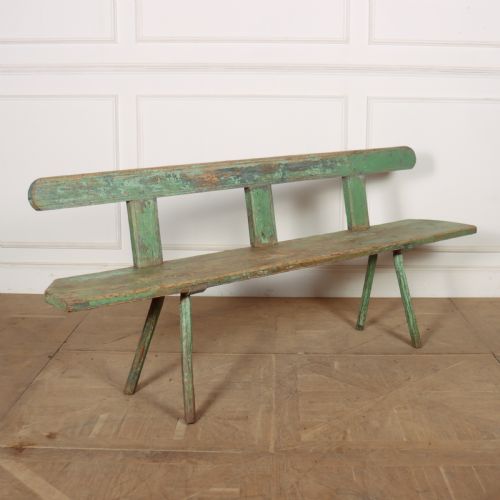


Pine Folk Chairs
These pine folk chairs are honest vernacular seating pieces shaped by regional tradition, offering rustic charm and history for everyday interior schemes.
Pine Folk Chairs
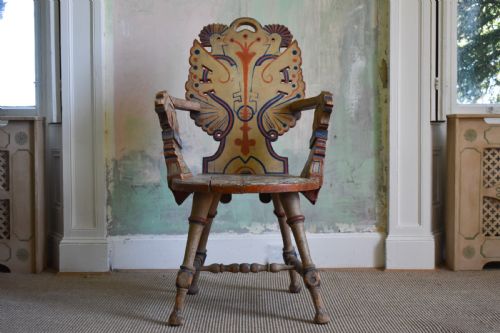
When you search for pine folk chairs, you encounter robust vernacular seating spanning the eighteenth century through to the Edwardian period. The selection here leans heavily towards European country traditions, including Scandinavian, Hungarian, Austrian, and Swiss pieces.
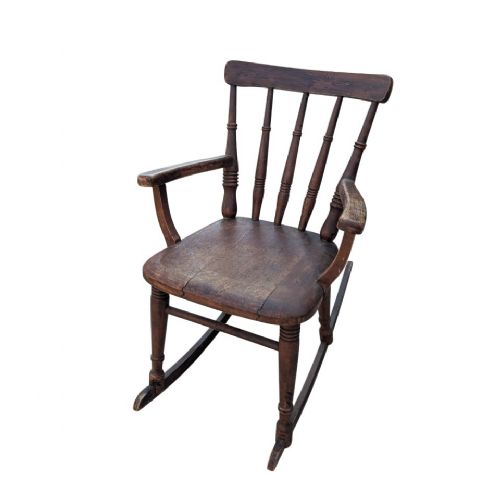
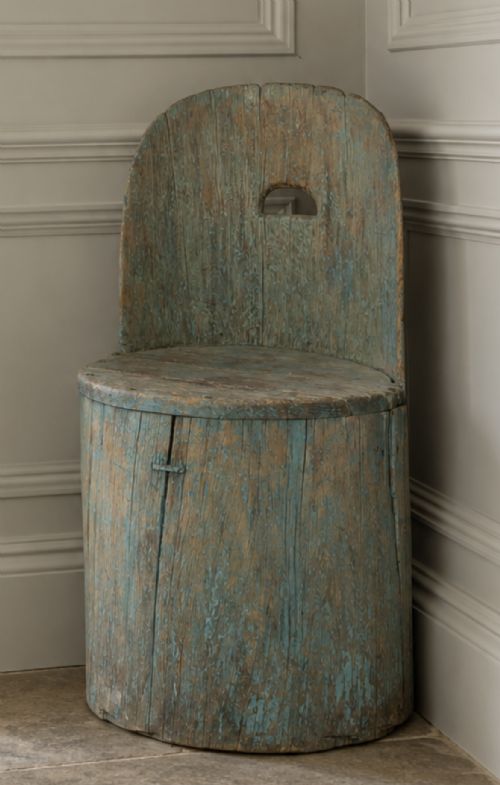
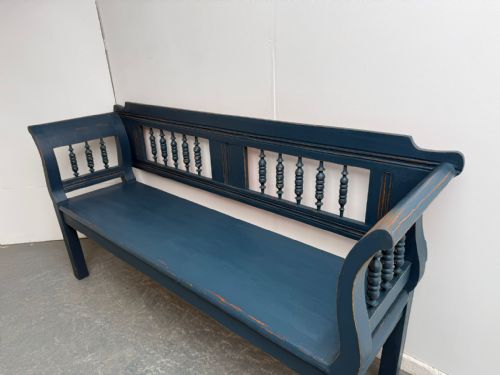
Forms vary from sturdy benches and armchairs to dug out chairs, rocking chairs, and children's highchairs. These functional objects reflect the domestic needs of rural households long before mass production standardised furniture design.
How they were made
Makers relied on local timber, predominantly pine alongside birch, hardwood, and general weathered wood. Construction methods combined simple carpentry with regional aesthetic choices, often leaving visible tool marks that highlight the hand-made nature of each item.
Many examples feature applied paint finishes, ranging from surviving original blue pigments to weathered surfaces acquired over decades of use. Iron elements appear on select structural joints or fittings, ensuring durability in daily service.
Listings here feature pine folk chairs spanning the eighteenth century through to the Edwardian era, incorporating painted finishes, iron components, and birch.
What varies in quality
Quality rests primarily in the integrity of the timber and the survival of original surface treatments. Pieces that retain their early or original paint schemes command greater interest than stripped or overly restored examples.
Proportion and structural balance also dictate distinction within this category. Well-balanced forms, whether a heavy dug out chair or a delicate child's spindle back, demonstrate the maker's eye for functional ergonomics.
The Pine Folk Chairs Glossary
- Dug out chair
- A seating form carved directly from a single solid log of timber, creating a heavy and primitive chair structure. This technique represents an ancient woodworking tradition found across northern European folk art.
- Folk art
- Decorative and utilitarian objects made within a regional community, adhering to traditional styles rather than academic design. These items express local cultural identity through shape, construction, and paintwork.
- Escabelle chair
- A traditional European box-framed chair featuring solid board sides rather than conventional legs. This historic form provides stability on uneven farmhouse floors.
Pine Folk Chairs: Frequently Asked Questions
How do I clean a painted pine folk chair?
Dust the surface regularly with a dry, soft cloth to prevent grime accumulation. Avoid harsh chemical cleaners that might strip or soften historic paint layers.
Keep the timber away from direct heat sources and strong sunlight to prevent the wood from drying out and the old paint from flaking.
Are these chairs suitable for daily use?
Most of these pieces remain sturdy enough for normal sitting, provided they are treated with reasonable care. Solid construction in pine and hardwood ensures structural resilience.
Lighter children's chairs and delicate spindle back forms benefit from gentle treatment or placement in low-traffic areas of the home.
How can I tell the origin of a folk chair?
Regional characteristics appear in the specific woodworking joints, silhouette proportions, and traditional paint colours used by local makers. Scandinavian pieces often display minimalist forms, while Alpine and Hungarian examples frequently utilise brighter decorative paintwork.
Comparing the construction methods to documented regional styles helps clarify where a specific bench or armchair originated.
What does original paint mean on these chairs?
Original paint refers to the earliest pigment layers applied to the timber when the piece was first constructed. The presence of this historical finish adds considerable character and authenticity to folk furniture.
Over time, original surfaces develop a natural patina through handling, distinguishing them from later re-paintings.