
Georgian Shield Back Chairs
Georgian shield back chairs are graceful dining seats defined by carved splats resembling upturned shields, offering timeless elegance to traditional interiors.
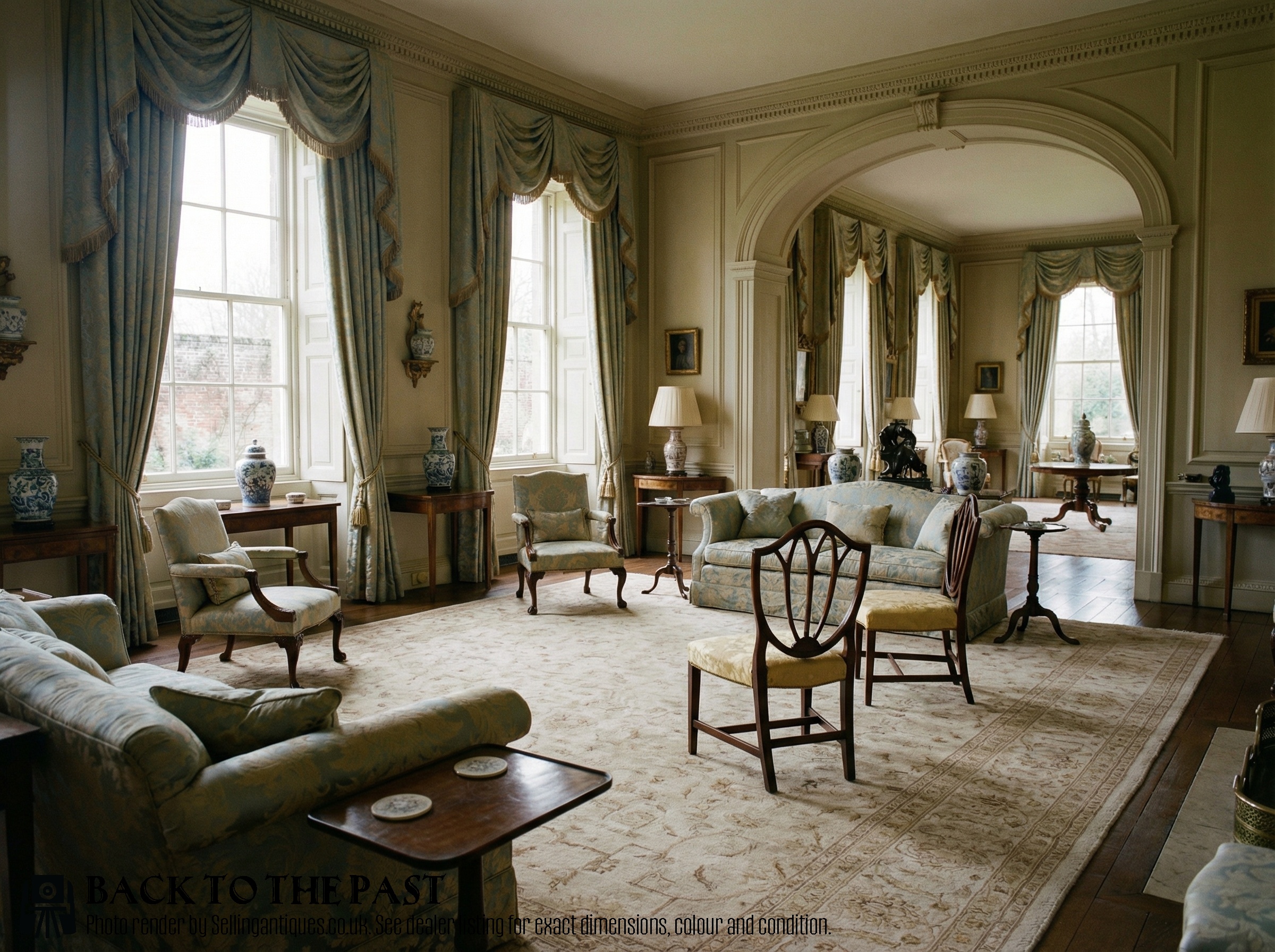
Identifying Georgian Shield Back Chairs
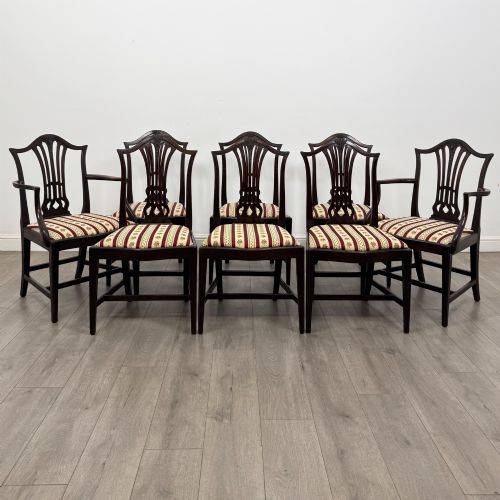
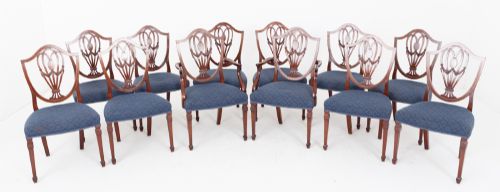
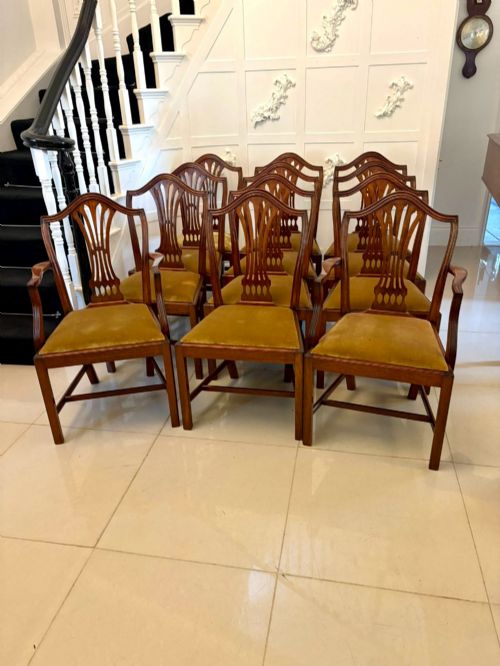
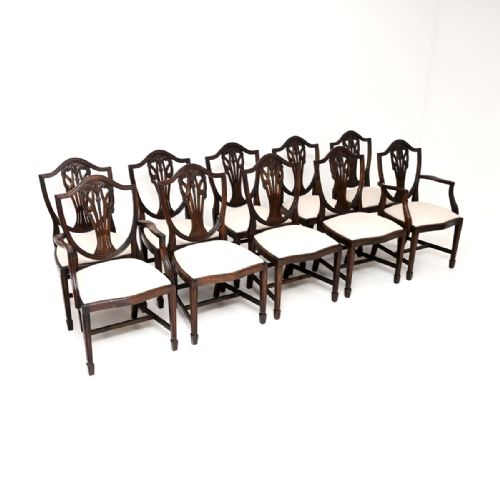
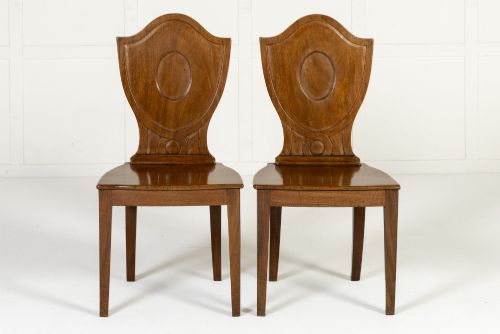
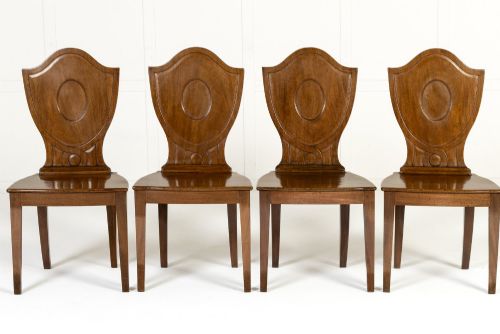
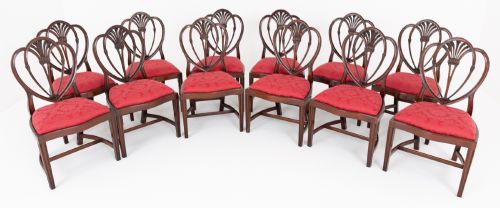
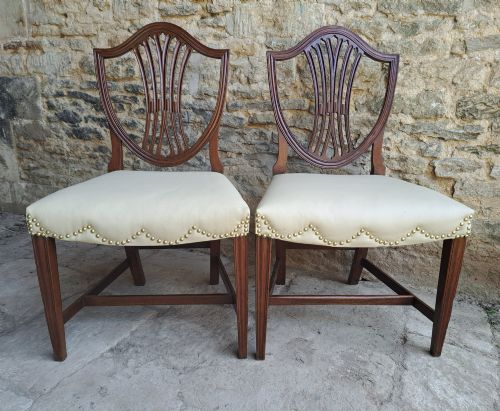
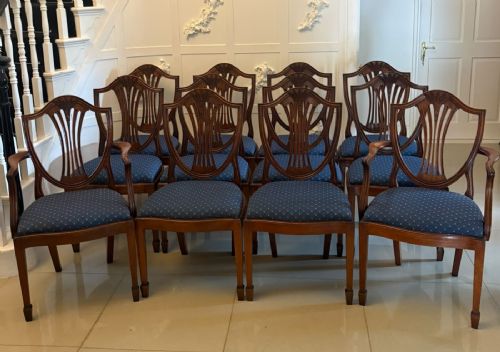
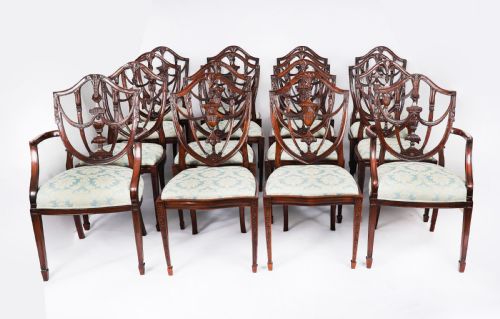
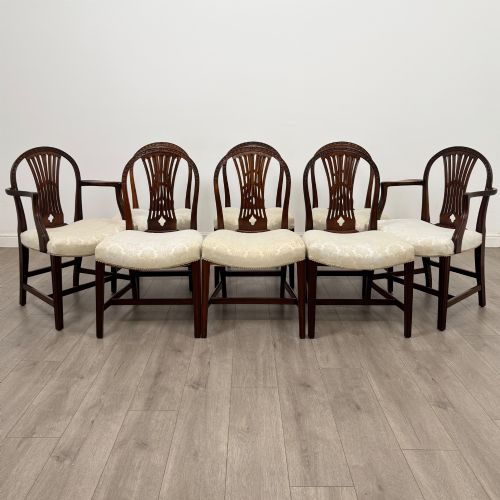
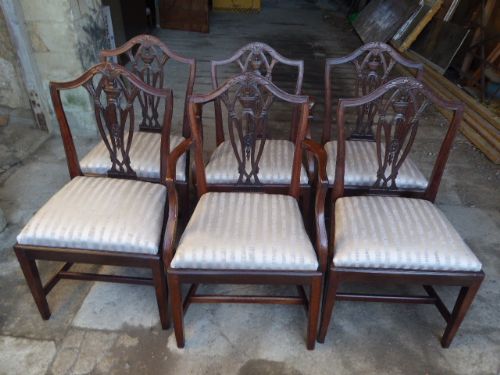
Georgian shield back chairs represent a refined pinnacle of late eighteenth century dining furniture design. These pieces appear principally as dining chairs and side chairs, often grouped in large matched sets or smaller pairs for the home. Buyers encounter examples spanning the eighteenth century, the nineteenth century, and later revival periods.
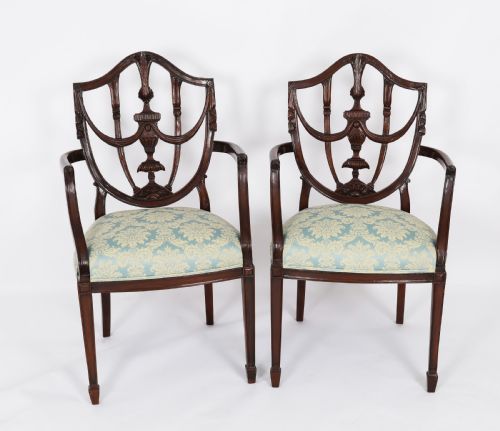
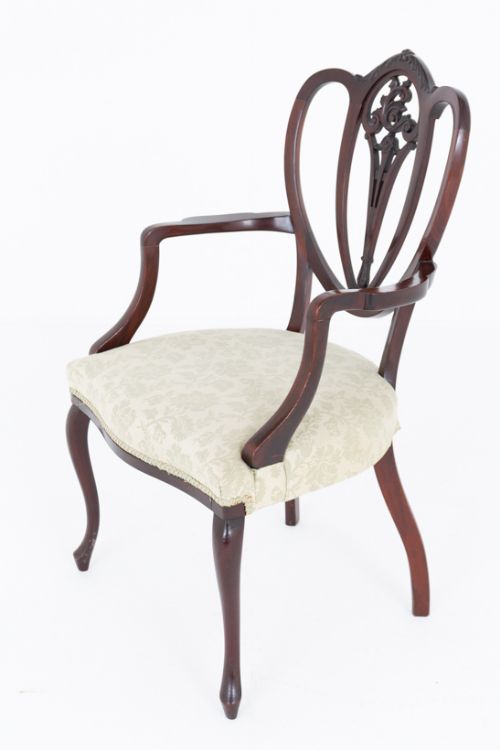
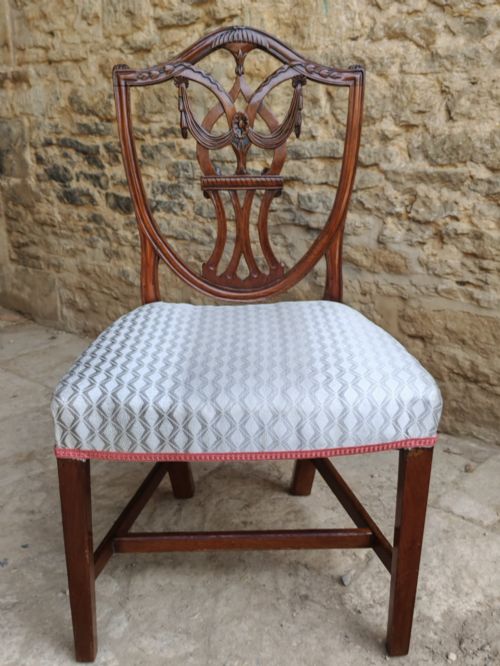
The defining feature of these seating options is the shield shaped backrest, frequently decorated with carved drapery, feathers, or pierced splats. Carver and slipper chair variants provide options for arm support or streamlined placement around the dining table. Surviving suites frequently demonstrate the enduring appeal of this distinct silhouette across different eras.
Materials and Construction
Cabinetmakers constructed these seating forms predominantly using mahogany and occasional fruitwood for the structural frames. Artisans shaped the characteristic shield backrests through meticulous joinery and piercing techniques to create intricate openwork patterns within the timber. Brass details and sturdy wooden joinery reinforced the load bearing joints of the frame.
Upholstery completed the seating experience, utilising fabrics, leather, damask, and tailored upholstery fabric. Craftsmen secured these textile coverings over drop in or fixed seats to provide comfort alongside formal elegance. The combination of dense hardwood and tactile fabrics defined the physical presence of each chair.
Retail Price Guide 2026
Typical UK retail prices for georgian shield back chairs, calculated from the Sellingantiques database of over a million retail prices indexed since 2003. This retail price guide relies exclusively on Sellingantiques data; no external sources or auction records are used, so the figures do not describe the wider market.
Listings feature mahogany and fruitwood frames paired with damask and leather upholstery.
Judging Quality and Distinction
Superior examples distinguish themselves through the crispness of the wood carving and the proportional balance of the shield frame. Master craftsmen achieved delicate pierced splats that retained structural integrity while exhibiting fluent botanical or geometric motifs. The selection of timber grain on the front rail and crest further signals the tier of craftsmanship.
Original sets maintain higher cohesion in design and timber patina compared to assembled groups or later revival suites. The depth of the relief carving and the seamless integration of the armrests on carver chairs separate standard production from exceptional cabinet work.
Hepplewhite
The Georgian Shield Back Chairs Glossary
- Shield back
- A chair backrest shaped like a heraldic shield, characteristic of late eighteenth century design. This form replaced the heavier proportions of earlier styles with lighter, curved contours.
- Carver
- An armchair designed for the head of the dining table, featuring supportive armrests. These pieces usually match the smaller side chairs in a larger dining suite.
- Slipper chair
- A low seated chair without arms, historically used in dressing rooms or as a compact occasional seat. In dining contexts, these offer space efficient seating alongside larger tables.
- Splat
- The vertical central strip of wood within a chair back connecting the crest rail to the seat. On these pieces, the splat takes the silhouette of an inverted shield.
- Damask
- A reversible figured fabric traditionally used for formal upholstery. This material adds textural contrast to the polished timber frames.
Frequently Asked Questions
How do I spot original Georgian chairs?
Examine the timber patina, joinery techniques, and the sharpness of the hand carved details on the shield back. Genuine eighteenth century examples display appropriate wear patterns and traditional pegged joints.
Compare the proportions and wood species with documented pieces from the period to confirm authenticity against later nineteenth century or revival interpretations.
What is a carver chair?
A carver is an armchair designed to match a set of dining chairs, typically placed at the head and foot of the table. These incorporate sturdy armrests integrated into the main frame.
They provide elevated comfort while maintaining the visual unity of the dining suite.
Are these chairs suitable for daily use?
Solid mahogany construction and robust joinery allow these seats to withstand regular dining room use. Careful attention to weight distribution and periodic maintenance of the joints ensures longevity.
Protecting the antique timber and delicate carved splats preserves the structural integrity over decades of domestic life.
How do I care for upholstered seats?
Maintain the fabric or leather upholstery through gentle dusting and professional cleaning suited to the specific textile. Avoid placing the seats in direct sunlight to prevent fading of damask or fabric coverings.
Inspect the webbing and padding beneath the drop in seat periodically to maintain proper support.
What defines a shield back design?
The defining characteristic is the backrest shaped like a tapered shield, often filled with pierced wooden splats. This silhouette emerged during the George III period as a lighter alternative to heavier geometric chairs.
Carvers and side chairs both utilise this curved profile to soften the geometry of traditional dining rooms.