
Antique Hepplewhite Chairs
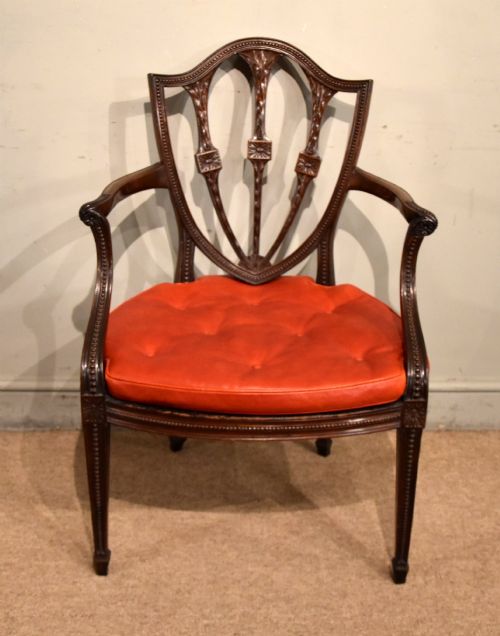
When you search for antique hepplewhite chairs, you step into an enduring tradition of graceful woodwork, refined shield backs and balanced proportions designed for formal dining.
Antique Hepplewhite Chairs
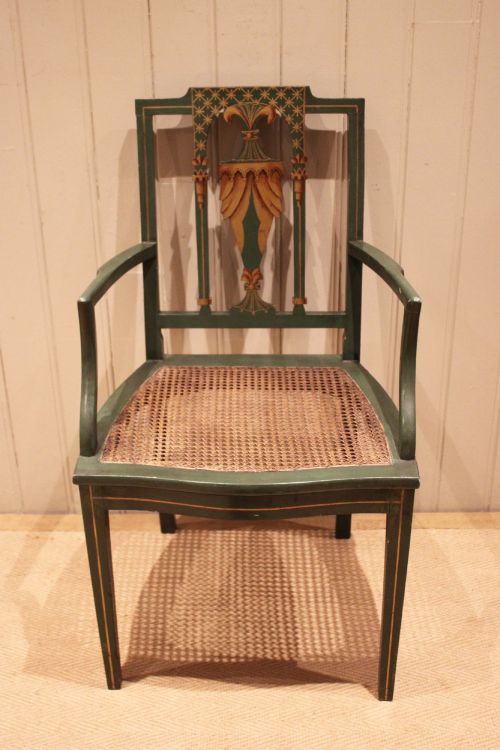
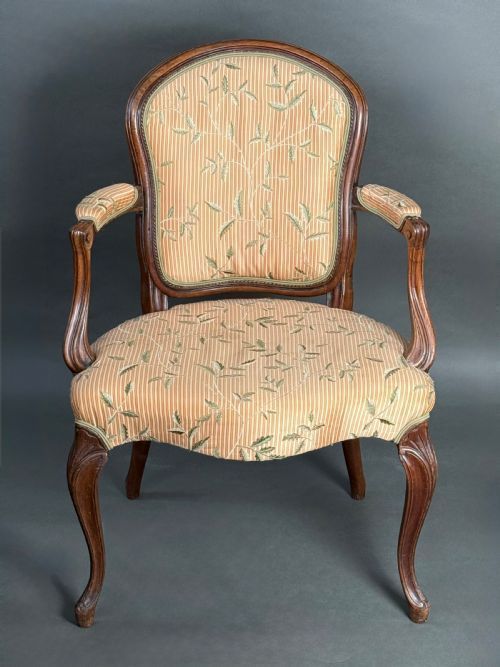
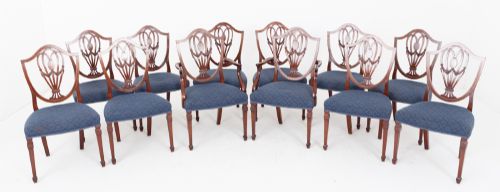
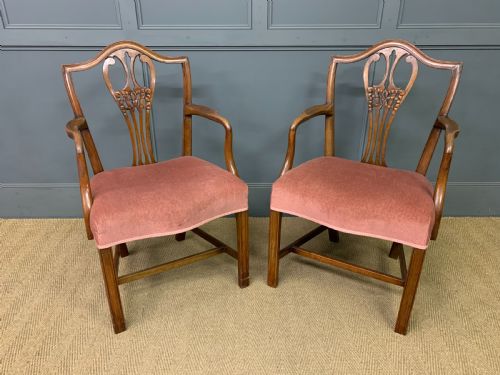
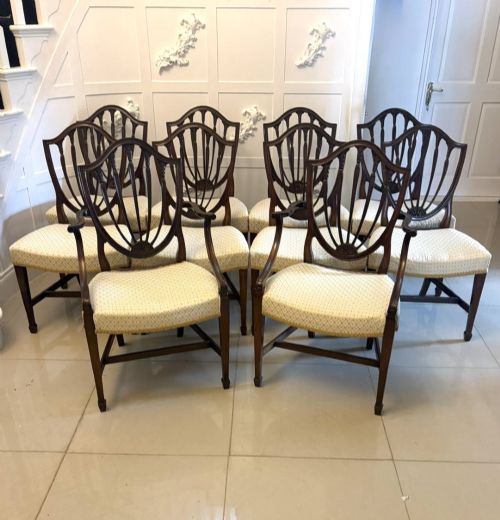
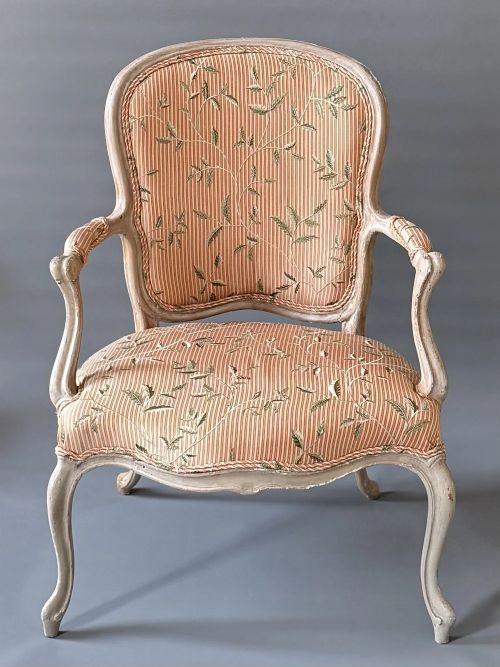
When browsing antique hepplewhite chairs, buyers encounter seating formed primarily as dining chairs, armchairs, side chairs, and settees or sofas. These pieces stem from the 18th century through to 20th-century revivals spanning Edwardian and Victorian eras.
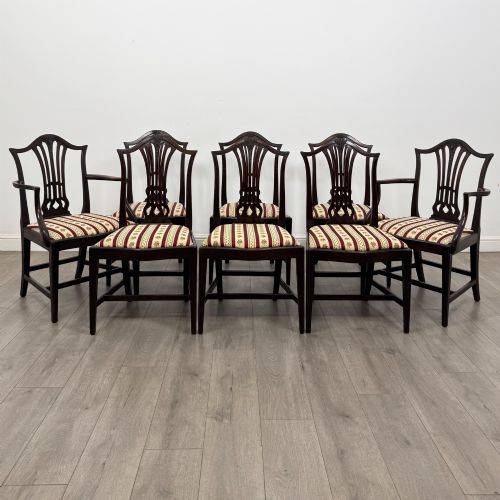
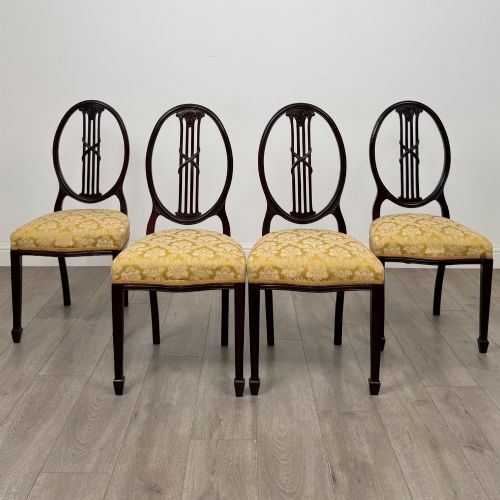
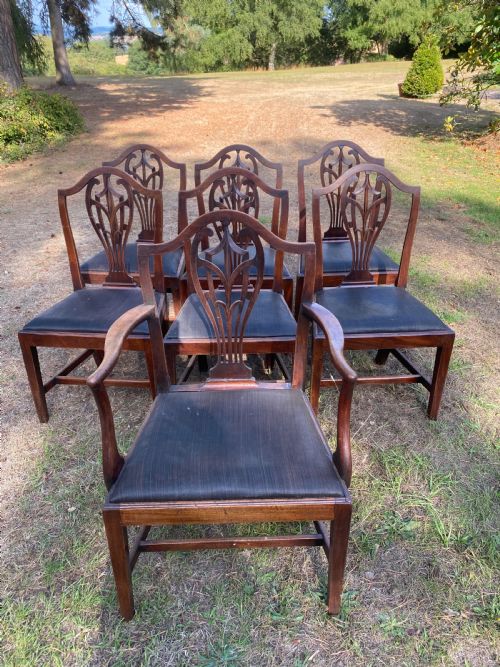
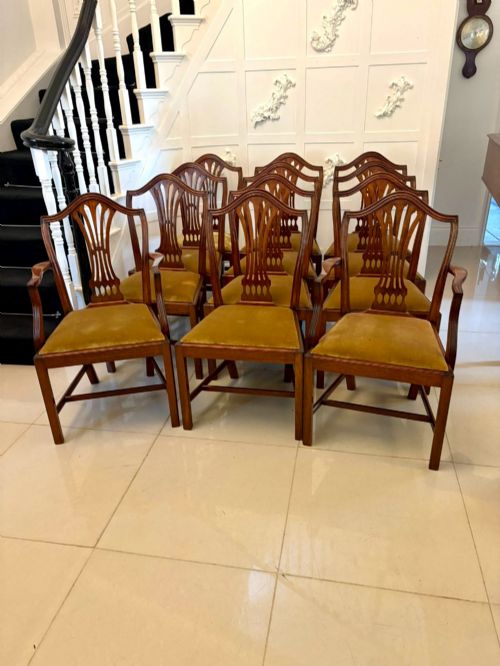
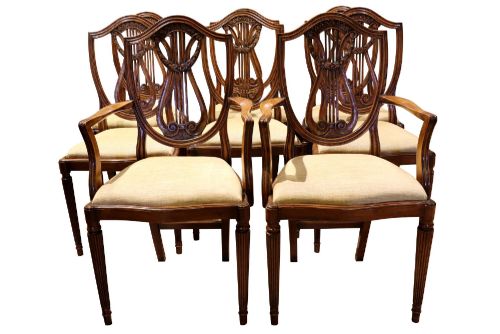
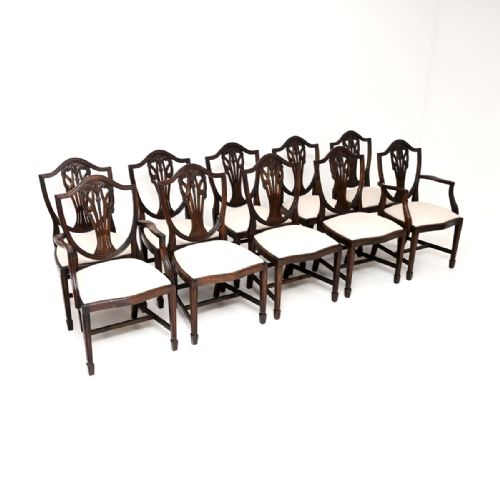
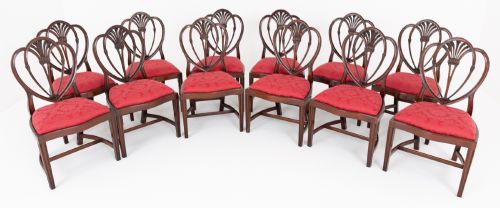
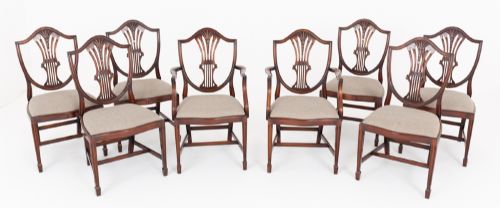
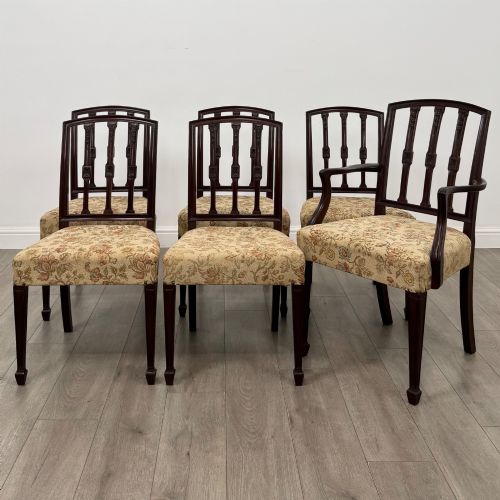
The most common formats met on this page include matching sets of dining chairs, often numbering from four up to sixteen pieces, alongside pairs of armchairs or carvers. Makers frequently produced sets combining standard dining chairs with matching armchairs for the heads of the table.
Origins stretch from original George III period workshops in England to later revival iterations produced around 1900, 1920, and 1930. Buyers will find variations ranging from country oak interpretations to formal urban mahogany versions with intricate splats.
How they were made
Construction relies heavily on solid mahogany, oak, walnut, and maple timber shaped into distinctive frames, complemented by carved or pierced splats. Artisans utilised durable joinery techniques to ensure structural integrity across shield back, camel back, and hoop back designs.
Upholstery forms a vital component, utilising fabrics such as silk, velvet, leather, and standard upholstery fabric secured over drop-in or padded seats. Additional detailing involves brass fixtures, subtle inlay work, and painted surfaces on specific provincial and revival pieces.
Antique Hepplewhite Chairs Retail Price Guide 2026
Typical asking prices for hepplewhite chairs among the pieces listed under this phrase on Sellingantiques today, from the lower quarter to the upper quarter. They describe what is for sale here now, not the wider market.
Current selections include dining chairs, armchairs, and settees built in both original Georgian and later revival styles.
What varies in quality
Quality diverges between period originals from the 18th century and later revival pieces based on the crispness of carved details in the shield back and the selection of timber grain. Superior examples display deeply moulded frames, tight joinery, and well-proportioned splats that reflect careful handcrafting.
The integrity of the timber and the authenticity of the upholstery ground support the overall standard of the seating. Finer sets maintain uniform colour and matching grain across all pieces, whereas mixed sets or heavily restored frames show greater divergence in visual harmony.
Maple and Co·Colefax and Fowler·Cowtan and Sons
The Antique Hepplewhite Chairs Glossary
- Carver
- An armchair designed to match a set of dining side chairs, typically placed at the head and foot of a dining table. These feature supportive armrests integrated into the upper frame.
- Splat
- The vertical central strip of wood running from the seat up to the top rail of a chair back. In these pieces, splats take pierced, carved, or lyre-shaped forms.
- Revival
- Furniture produced in later centuries, such as the Victorian or Edwardian periods, mimicking the styles of earlier eras. These items adapt historical forms using contemporary workshop methods.
Antique Hepplewhite Chairs: Frequently Asked Questions
How do I spot a true period chair?
Examine the construction methods visible underneath the seat frame, looking for handmade joinery, timber shrinkage, and tool marks consistent with 18th-century workshop output.
Compare the proportions and carving depth against documented examples from the George III era to verify authenticity.
Are larger sets harder to find?
Complete sets numbering ten or twelve matching chairs remain scarce because many original dining sets became split up or lost over centuries of use.
Revival editions from the Edwardian period often provide larger matched quantities more reliably than 18th-century originals.
Can I use these for daily dining?
Solid timber frames provide robust structural support suitable for regular seating when joints remain tight and stable. Periodic checks on the under-framing ensure safety during everyday use.
Upholstered drop-in seats can be recovered in modern durable fabrics while preserving the antique wooden framework.
What is a carver chair?
Carver chairs serve as the armchaired counterparts within a dining set, intended specifically for the hosts at the table ends. Their enclosed armrests offer additional comfort compared to standard side chairs.
These pieces share the identical back design and leg styling of the matching dining chairs to maintain visual harmony.