


Eighteenth Century Dining Chairs
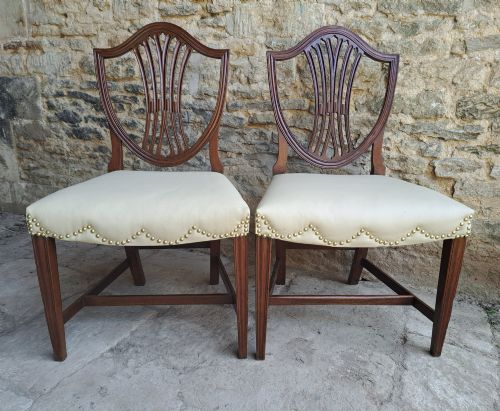
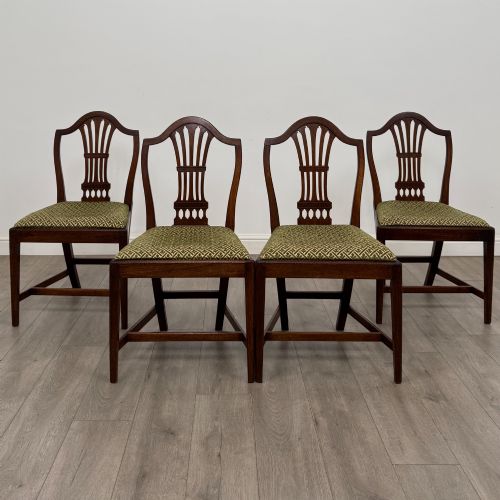
These eighteenth century dining chairs bring solid mahogany, walnut, and carved details directly to the table.
Eighteenth Century Dining Chairs
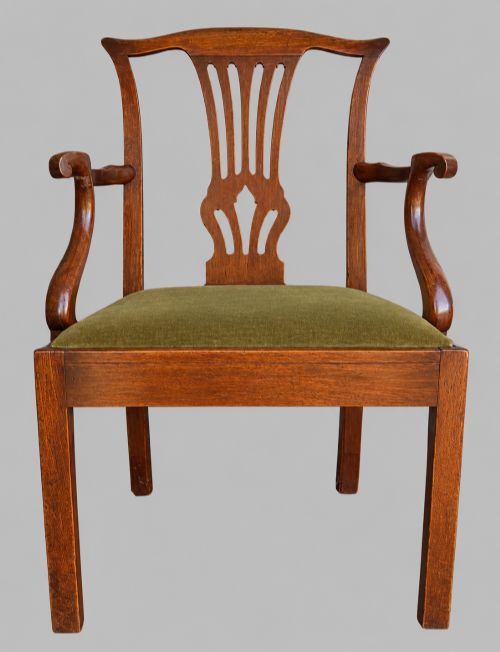
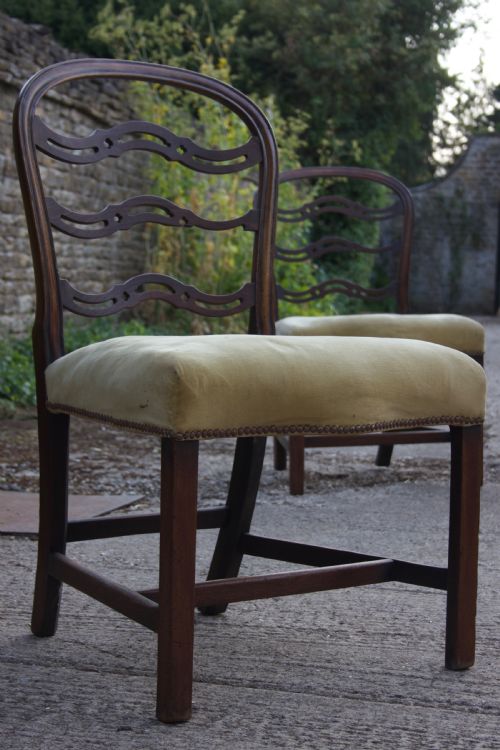
When you search for eighteenth century dining chairs, you encounter robust seating designed around dining tables during the Georgian era and surrounding periods. These pieces include sets of matching chairs, pairs, and individual carver or side chairs intended for everyday use.
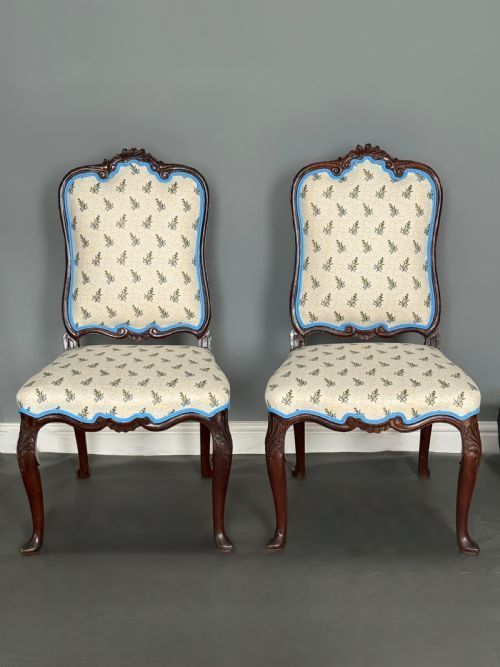
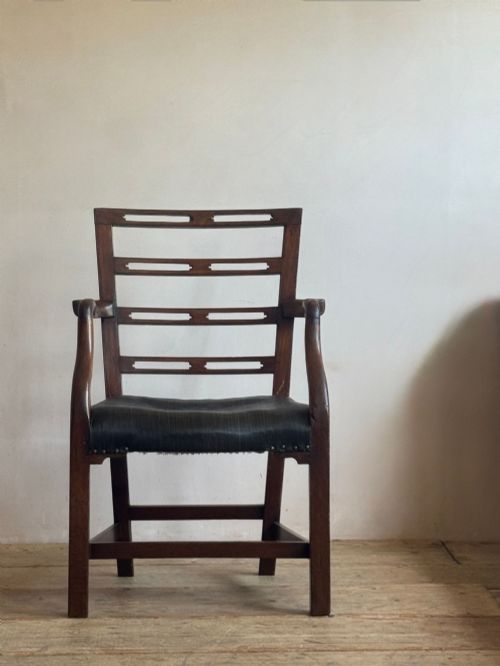
The selections span distinct regional styles, taking in English mahogany forms, Dutch Baroque influences, and Italian carved walnut. Armchairs, elbow chairs, and standard dining chairs appear frequently across the listings.
How they were made
Cabinetmakers constructed these frames primarily using dense hardwoods such as mahogany and walnut. These durable timbers allowed for structural integrity while supporting intricate hand-carved details along the backs and legs.
Upholstered elements incorporated textile, velvet, leather, and fabric secured over traditional stuffing methods. Brass components sometimes reinforced structural joints or decorated foot terminals on cabriole legs.
Listings feature mahogany and walnut woods alongside upholstery materials like leather, velvet, and fabric.
What varies in quality
The refinement of the hand-carved ornamentation distinguishes finer examples from simpler workshops. Crisp detailing on splats, rails, and cabriole legs indicates superior craftsmanship.
The integrity of the timber frame and the retention of original wood surfaces dictate the standing of individual chairs. Matching sets maintain higher desirability than assembled groups of similar design.
Hepplewhite·Chippendale
The Eighteenth Century Dining Chairs Glossary
- Cabriole leg
- A furniture leg that curves outward at the knee and tapers inward toward the foot, often ending in a pad or claw shape. This form draws inspiration from animal limbs and appears widely on walnut and mahogany seating.
- Carver chair
- An armchair designed specifically for use at the head of a dining table. These pieces typically feature wider proportions and supportive armrests.
- Side chair
- A standard chair without armrests built for dining or parlour use. They slide neatly beneath tables when not occupied.
- Splat
- The vertical central strip of wood within a chair back. Carvers shaped these elements into ladder-backs, pierced designs, or solid vasiform silhouettes.
Eighteenth Century Dining Chairs: Frequently Asked Questions
How do I spot a true period chair?
Examine the construction methods, timber patination, and tool marks visible on the underside of the seat frame. Period pieces display historical joinery techniques and natural wear consistent with age.
Compare the proportions and carved details against documented examples from the same stylistic era. Subtle variations in timber density and finishing often confirm historical authenticity.
Are these chairs suitable for daily dining?
Most sturdy wooden chairs handle regular sitting well provided the joints remain tight and secure. Periodic checks ensure the internal framing stays stable under daily loads.
Protect delicate upholstery materials by utilising protective pads if necessary. Gentle handling preserves both the timber structure and historical fabric surfaces.
How should I clean mahogany frames?
Dust the timber surfaces regularly with a soft, dry cloth to prevent grit accumulation. Avoid abrasive chemical sprays that can strip the natural wax or polish.
Apply a quality beeswax polish occasionally to nourish the timber and maintain its natural lustre. Rub the wax thoroughly into the grain using circular motions before buffing.
Can I mix different chair styles together?
Pairing carver chairs at the table heads with matching side chairs creates a balanced dining arrangement. Many historical dining sets evolved through mixed groupings over time.
Ensure seat heights align comfortably with your table clearance regardless of minor stylistic differences. Matching timber tones help unify disparate chairs within the same room.