

Edwardian Sterling Silver Vesta
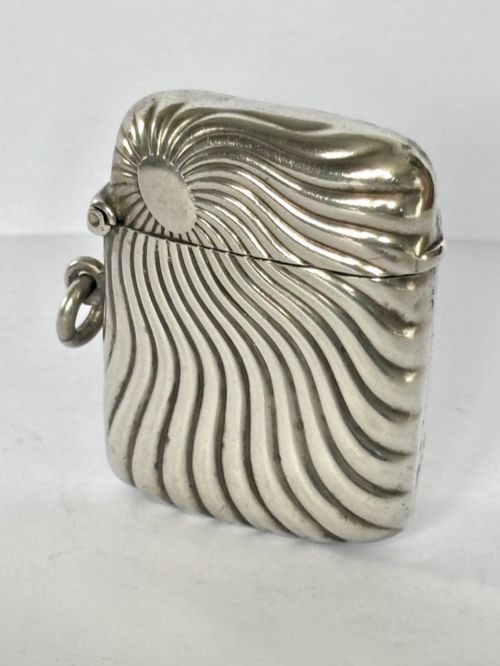
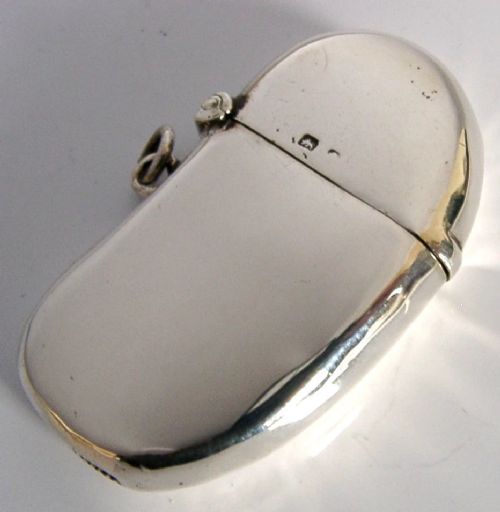
Edwardian sterling silver vesta cases are pocket-sized match safes from the early twentieth century that combine practicality with intricate metalwork.
Edwardian Sterling Silver Vesta
When searching for an Edwardian sterling silver vesta, a buyer encounters small pocket containers originally designed to hold matches safely while carrying them on the person. The pieces span the Edwardian period alongside late Victorian and George V examples, reflecting the widespread use of strike-anywhere matches before the invention of safety matches.
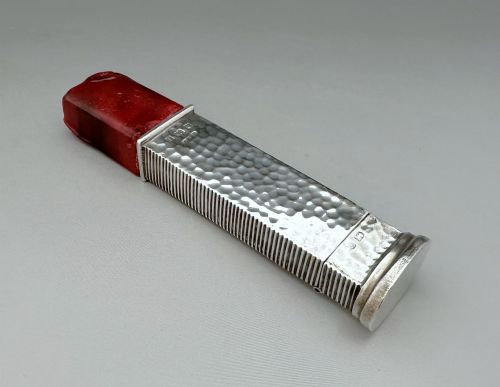
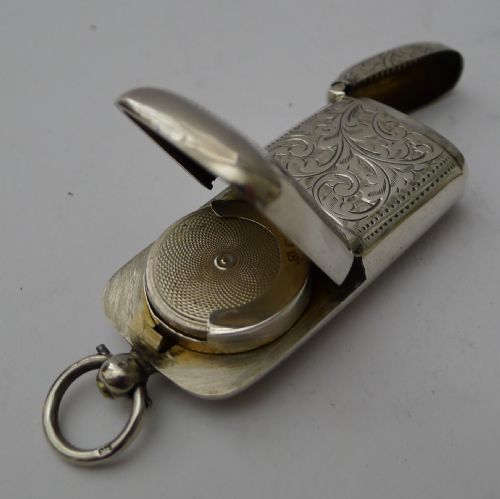
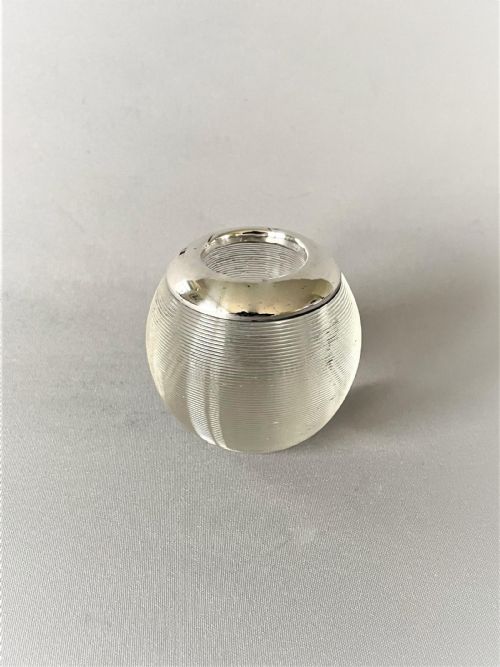
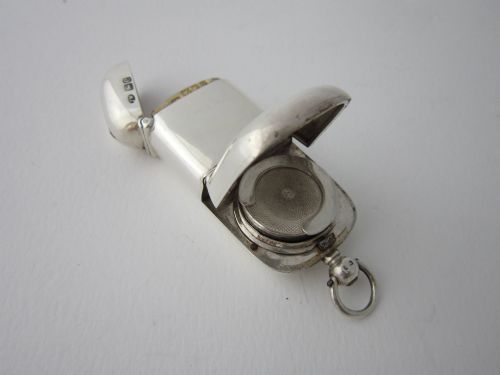
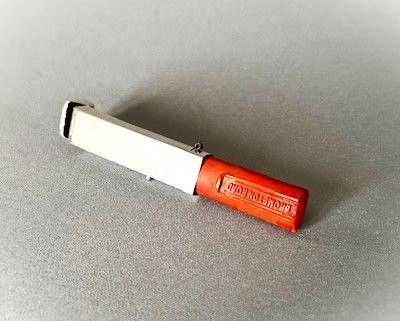
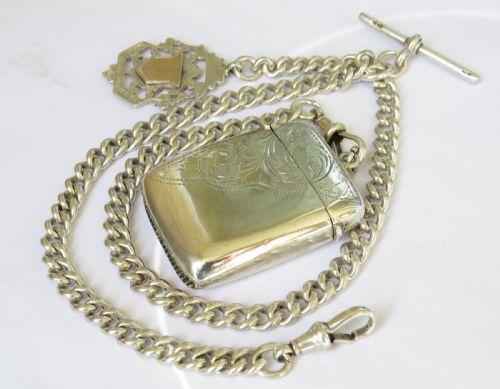
The most common formats on this page include standard rectangular and shaped vesta cases, alongside combination pieces that incorporate sovereign holders, watch chains, watch fobs, or sealing wax compartments. Match strikers and desk accessories also appear frequently, utilising materials such as glass, enamel, and gold accents alongside sterling silver.
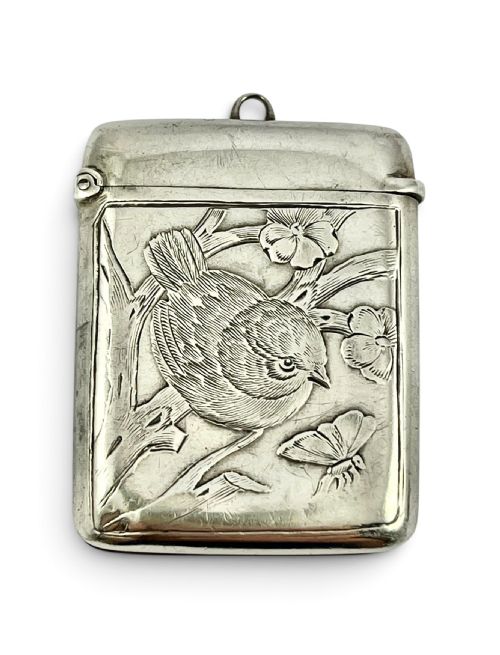
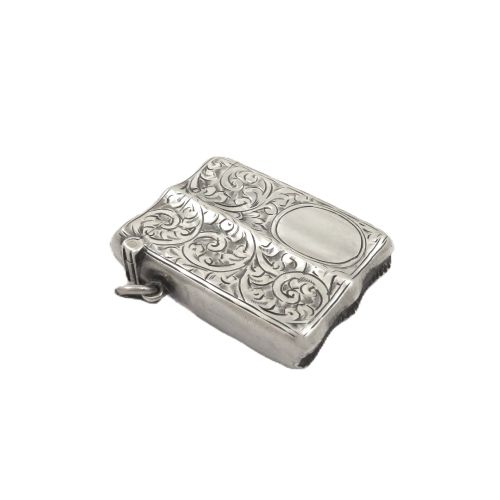
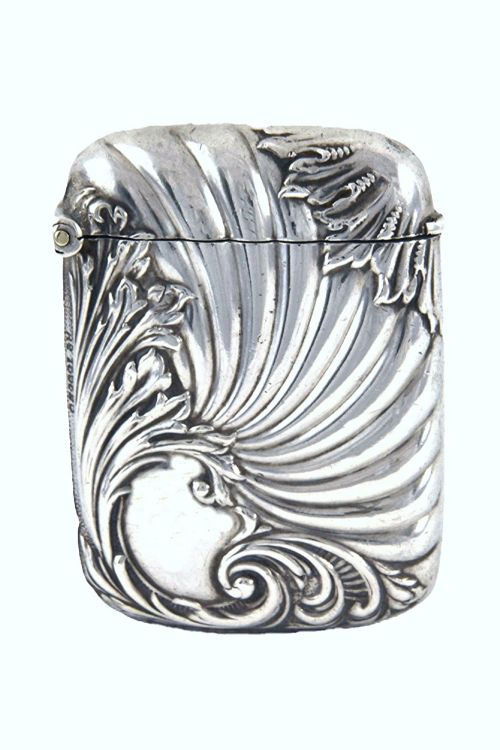
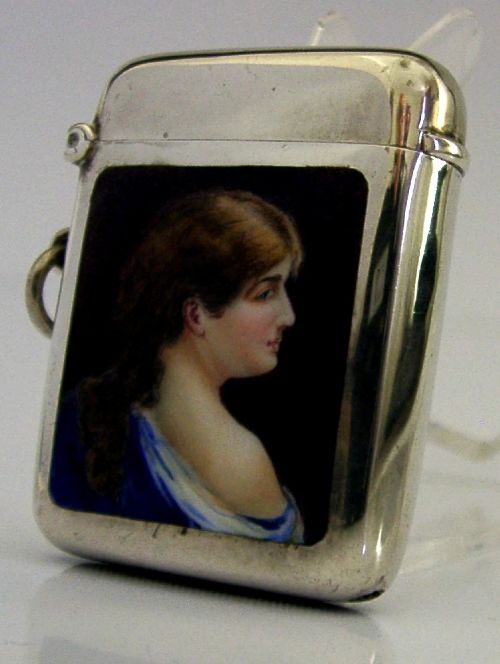
Design variations range from plain polished finishes to complex repoussé motifs, animal forms like cats and pug dogs, and hand-painted enamel crests. Styles stretch from traditional Victorian novelty to Arts and Crafts and Art Deco interpretations.
How They Were Made
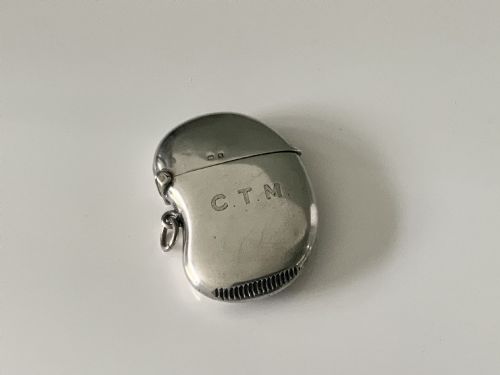
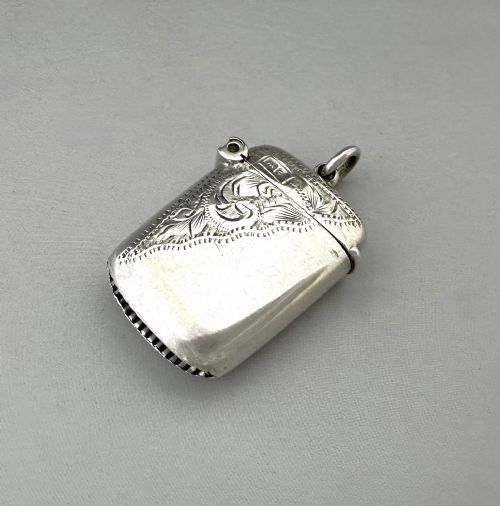
Silversmiths constructed these match safes using sterling silver sheet metal, shaping bodies through pressing, stamping, or hand-beating methods. Many examples incorporate a hinged lid fitted with a snap closure to keep matches dry, accompanied by a serrated strike line integrated into the base.
Decoration techniques include surface engraving, repoussé relief work, and the application of vitreous enamel or gold accents. Combination items integrate glass reservoirs, suede linings, and sealing wax compartments into the core silver structure.
Some match safes take the form of pug dogs and leaping mermaids.
What Varies in Quality
Quality in these pocket containers depends upon the crispness of the hallmark stamps, the precision of the hinge mechanism, and the integrity of any applied enamel or hand-painted detail. Pieces by notable makers or those featuring unusual forms, such as animals or combination sovereign cases, exhibit superior craftsmanship.
The thickness of the sterling silver sheet and the depth of the repoussé decoration distinguish standard production items from exceptional commissions. Preservation of original surface texture, gilding interior washes, and secure lid closures further separate higher-tier specimens.
Robert Chandler·Alfred Clark·J.B. Bennet·Sampson Mordan·William Hair Haseler
The Edwardian Sterling Silver Vesta Glossary
- Vesta case
- A small pocket container designed to hold matches and protect them from accidental ignition. These items feature a striking surface on the base.
- Sterling silver
- An alloy containing 92.5 percent silver by mass and 7.5 percent other metals, usually copper. British pieces carry standard assay office hallmarks.
- Repoussé
- A metalworking technique where a designer shapes metal from the reverse side by hammering to form a raised design on the front.
- Sovereign case
- A small circular pocket holder made to store gold sovereign coins securely. These frequently appear combined with match compartments.
- Match striker
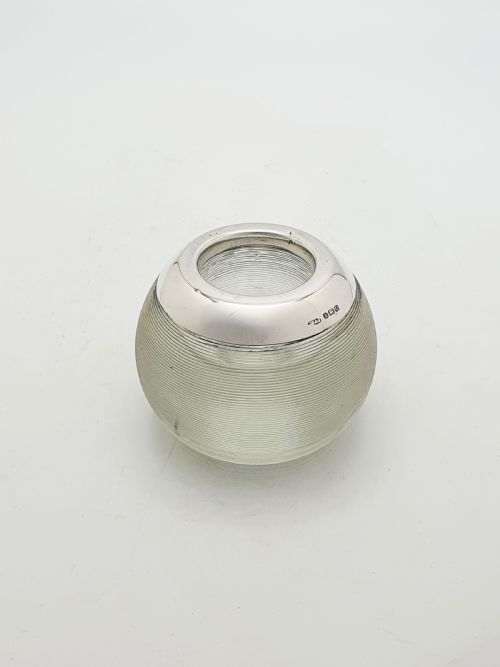
- A weighted desk accessory, often formed from textured glass mounted in silver, used for igniting matches. These items sit on tabletops rather than fitting into pockets.
Edwardian Sterling Silver Vesta: Frequently Asked Questions
What is a vesta case used for?
These pocket containers held wax matches safely before the widespread adoption of cardboard safety matchboxes. Gentlemen and ladies carried them daily in pockets or attached them to watch chains.
Matches struck against the serrated edge integrated into the bottom of the case. The hinged lid kept the contents dry and prevented friction from igniting them prematurely.
How do I read the hallmarks?
British hallmarks stamped on the metal indicate the assay office, the standard of silver, and the year of manufacture. Letters correspond to specific date cycles determined by each city's office.
Additional marks include the maker's stamp and the lion passant symbol denoting sterling quality. These small impressions help verify the exact age and origin of the piece.
How do I clean sterling silver?
Regular dusting with a soft microfibre cloth maintains the natural lustre of the metal without removing the aged patina. Avoid harsh chemical dips, particularly on pieces with enamel or glass components.
Enamel panels and gold accents require careful handling to prevent scratching or moisture damage. Professional silver polish should be used sparingly and kept away from hinged interiors.