



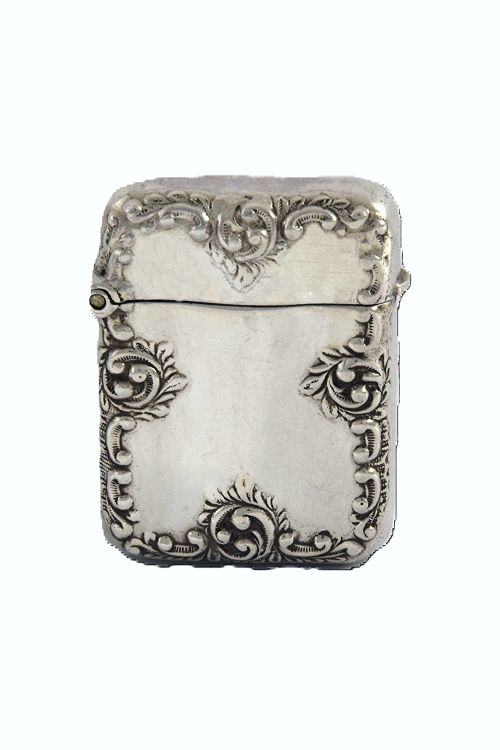
Engraved Silver Match Safe
An engraved silver match safe is a pocket-sized metal container for carrying matches, prized for its tactile surface and intricate decoration.
What an engraved silver match safe is
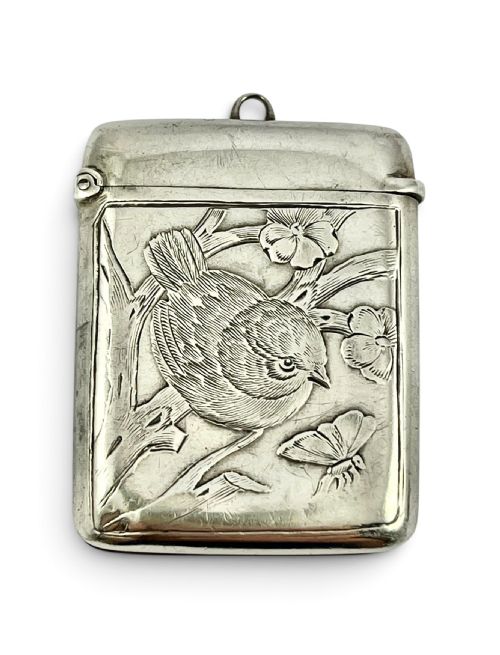
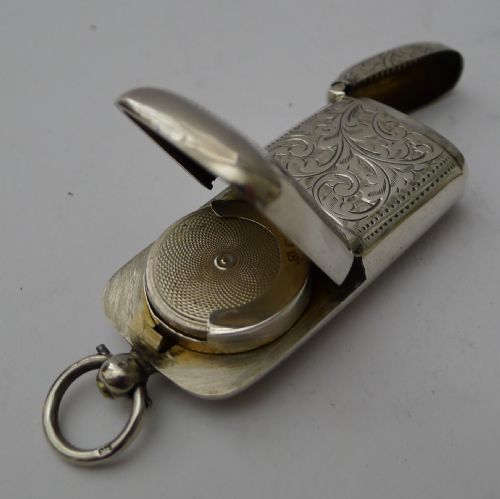
An engraved silver match safe is a compact pocket container designed to protect and dispense vestas safely. These pieces belong predominantly to the Victorian and Edwardian eras, spanning from the late nineteenth century into the early twentieth century.
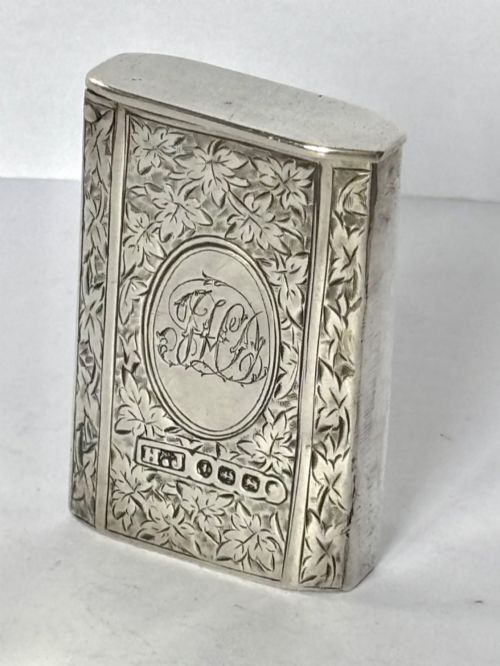
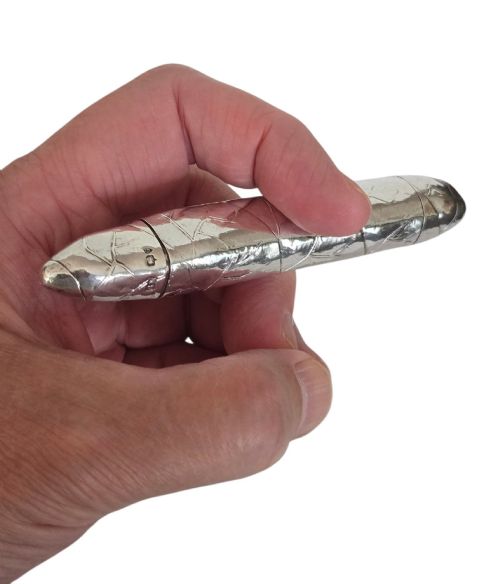
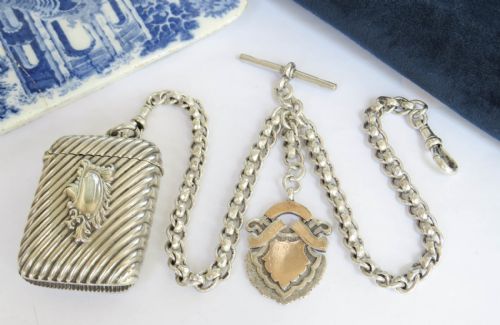
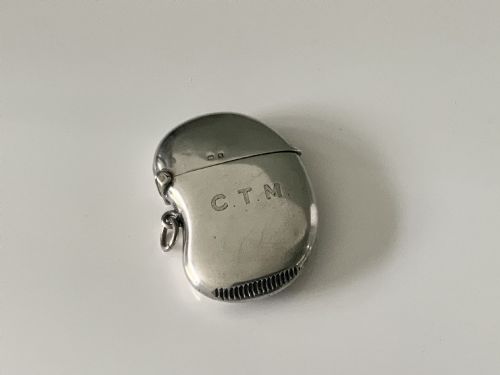
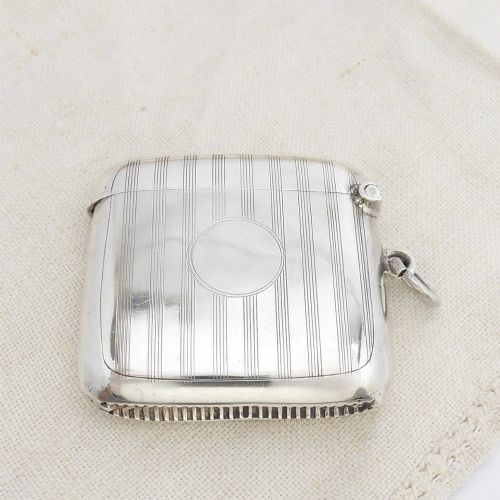
The versions most commonly met on this page take the form of vesta cases originating from Birmingham and Chester assay offices. Makers produced both standard rectangular forms and oval variations to fit comfortably in a waistcoat pocket or handbag.
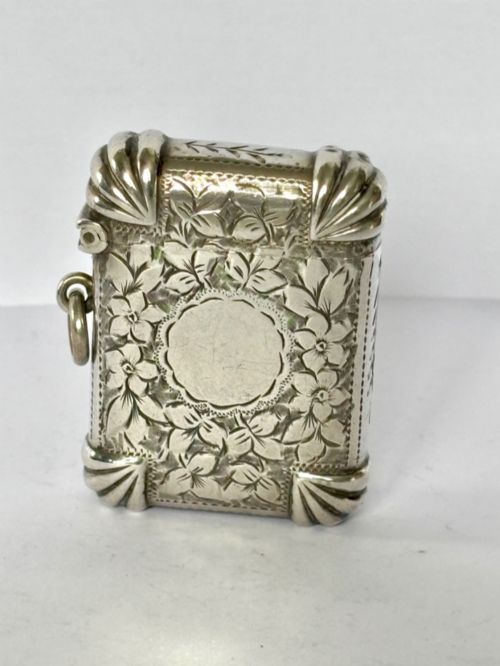
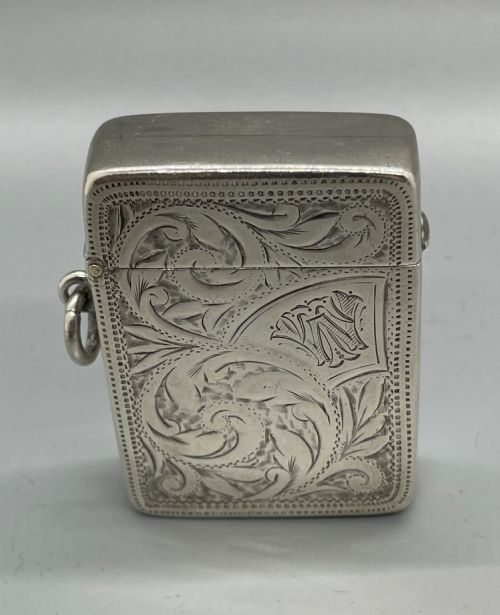
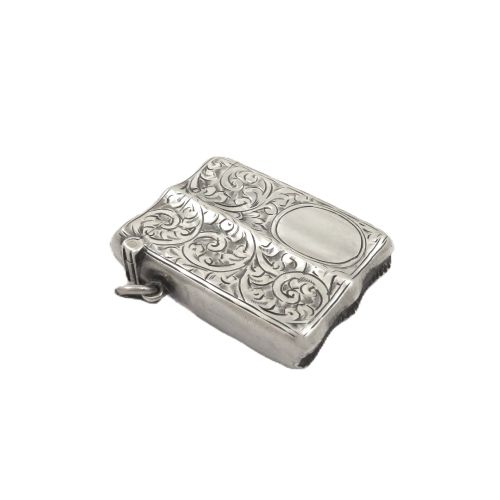
Examples seen in the archive and current listings date from eighteen ninety through to nineteen thirty. The decorative enrichment ranges from simple foliate patterns to intricate overall surface engraving.
How they were made
Every piece recorded uses sterling silver as the core material, shaped into rigid housings designed to withstand daily pocket wear. Craftsmen utilised sheet metal forming techniques to create the body and the hinged lid.
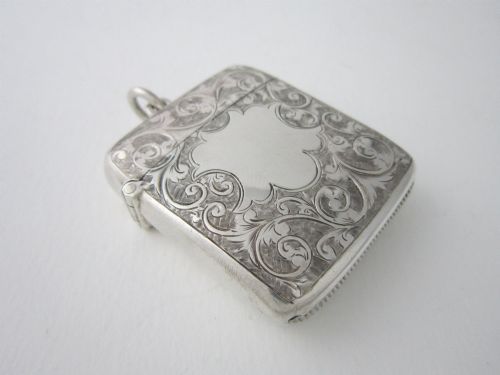
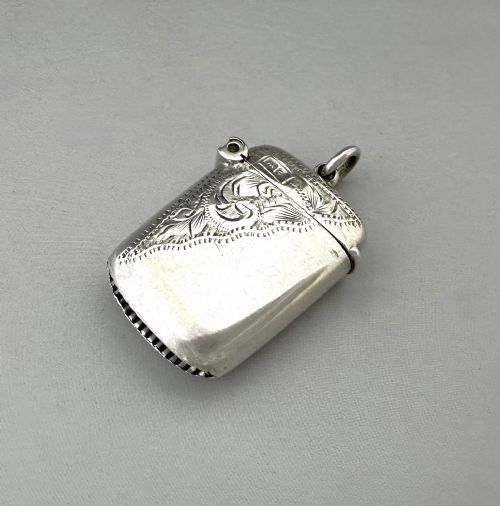
Surface decoration was applied by hand using sharp gravers to cut foliate and geometric patterns directly into the metal. Assay office hallmarks were then stamped onto the silver to verify the metal standard and year of production.
Listings feature sterling silver match safes from the Victorian and Edwardian periods, hallmarked in Birmingham and Chester.
What varies in quality
Quality rests primarily in the depth, precision and coverage of the hand engraving across the silver surface. Pieces featuring dense, intricate foliate work stand apart from plainer, more utilitarian examples.
The integrity of the hinge and the crispness of the hallmark stamps also define the better specimens. Standing formats and unusual oval shapes represent a more ambitious level of period manufacture.
The Engraved Silver Match Safe Glossary
- Vesta case
- A small pocket container specifically made to hold matches, often interchangeable with the term match safe. These items became essential accessories following the invention of friction matches.
- Hallmark
- An official stamp applied to precious metals indicating the standard of silver, the assay office and the year of manufacture. Chester and Birmingham offices feature prominently in this category.
- Sterling silver
- The specific alloy standard comprising ninety-two point five percent silver by weight, used universally across these pieces. This metal provided the necessary durability for everyday pocket use.
- Foliate
- A style of ornamentation utilising leaf and plant motifs. Engravers frequently deployed this design to cover the exterior surfaces of the metal.
- Assay office
- An official body that tested and marked precious metal items. Marks from these locations help date the pieces accurately.
Frequently Asked Questions
What is a match safe?
A match safe is a small, protective container designed to hold matches safely in the pocket.
These objects prevented friction matches from igniting accidentally against hard surfaces during the nineteenth and twentieth centuries.
How do I date a silver match safe?
Dating relies heavily on the official hallmarks stamped into the sterling silver body.
Assay office marks and date letters reveal the exact year and location of manufacture for Victorian and Edwardian pieces.
Were these used by men or women?
Both men and women carried these pocket containers during the Victorian and Edwardian periods.
They were essential items for anyone requiring a reliable flame for smoking or lighting lamps.
What is the difference between a vesta case and match safe?
The terms describe the exact same object used for holding matches.
Vesta refers specifically to the short friction match popular in Britain, while match safe is a broader term used internationally.