
Edwardian Sterling Silver Spoons
Edwardian sterling silver spoons bring the refined craft of the early twentieth century to the table, offering a glimpse into a period of diverse stylistic revivals.
Edwardian Sterling Silver Spoons
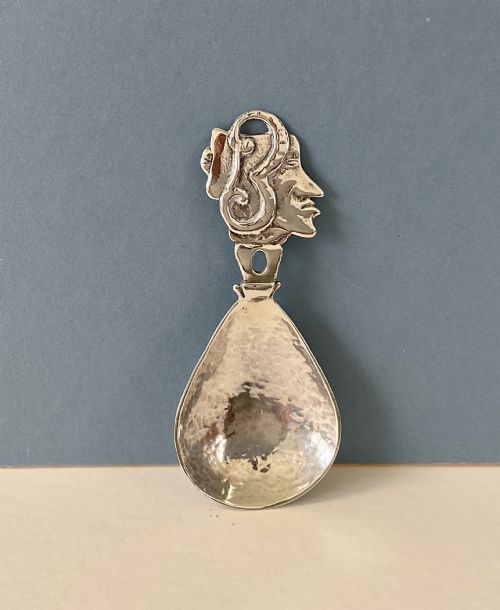
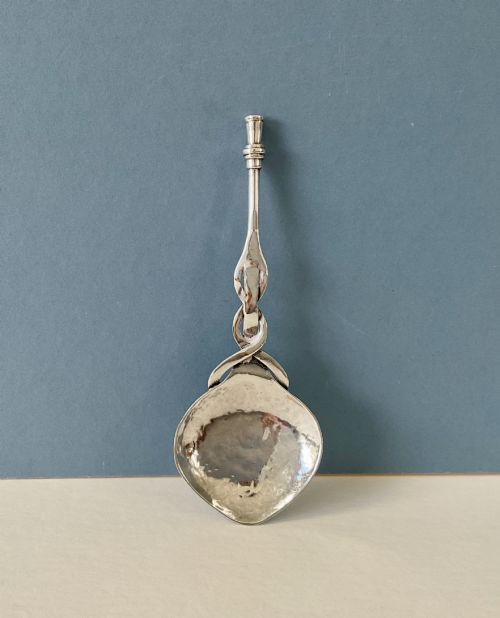
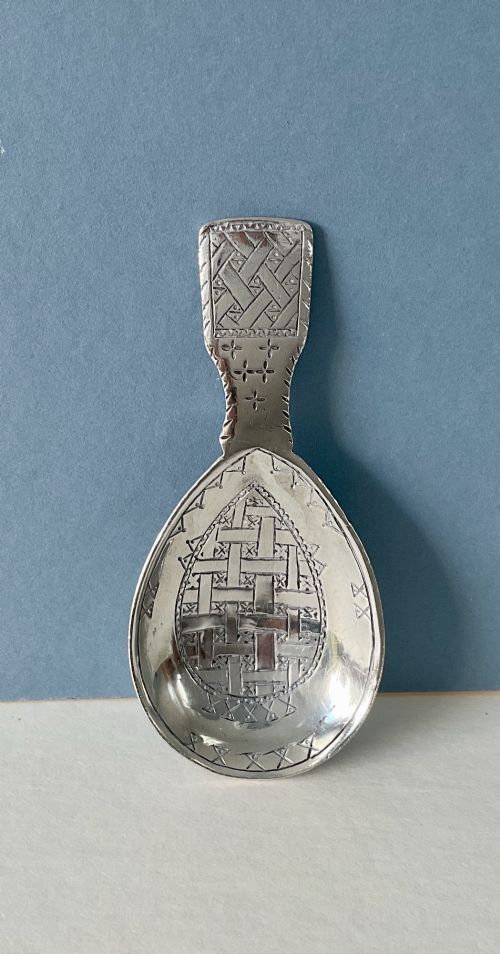
When you search for edwardian sterling silver spoons, you encounter table implements, serving utensils, and caddy spoons spanning the early decades of the twentieth century. The selections available reflect the prevalent design movements of the era, including Arts and Crafts, Art Nouveau, and Georgian Revival styles.
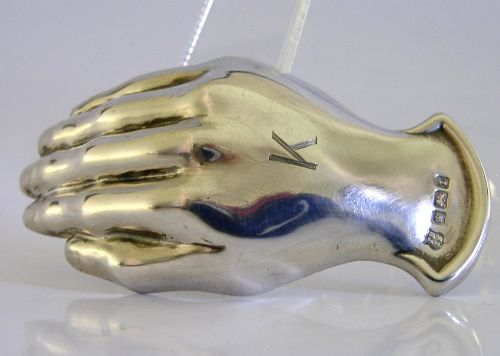
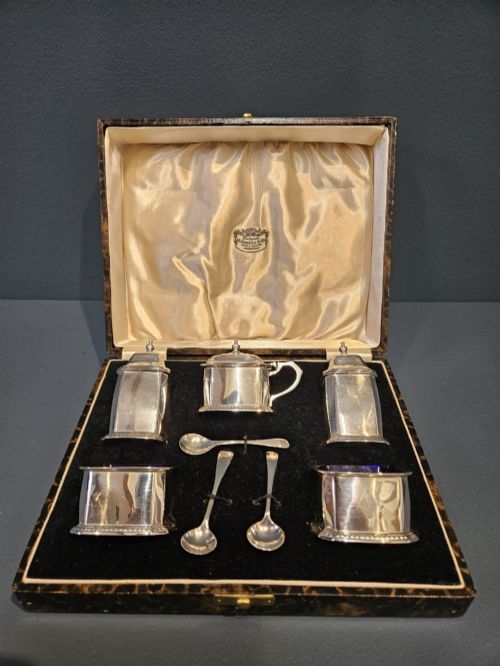
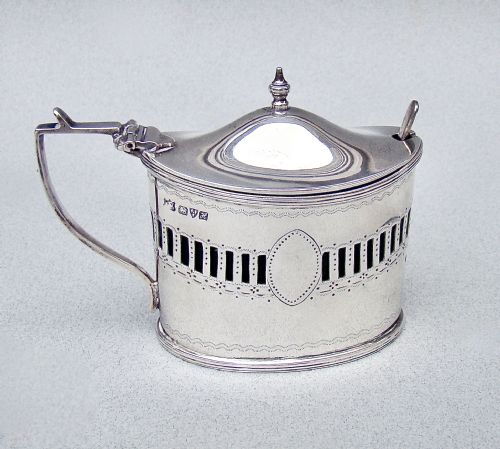
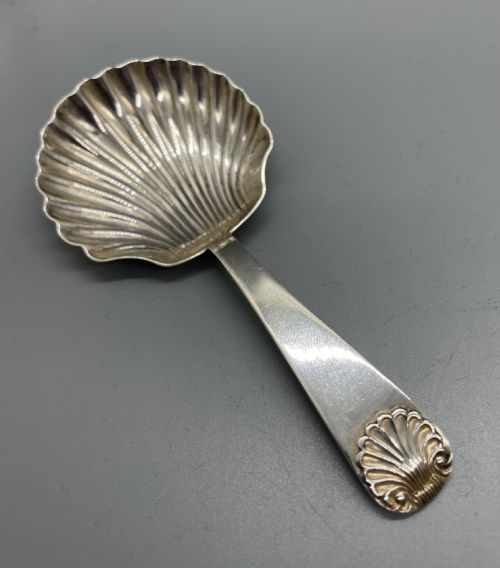
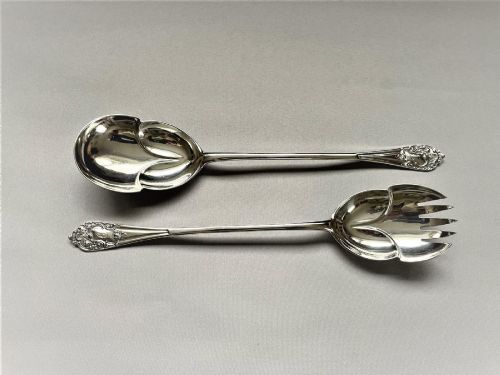
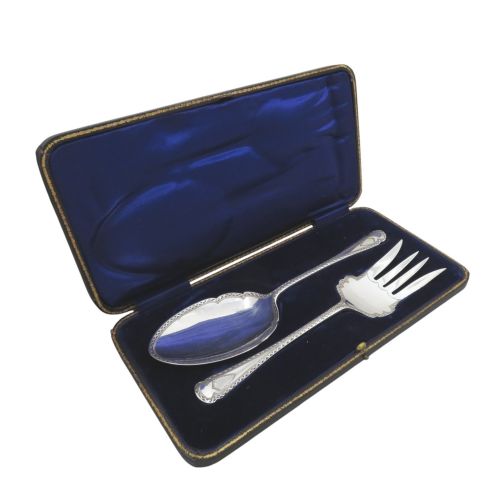
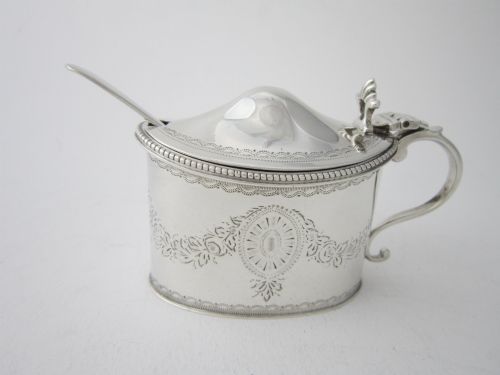
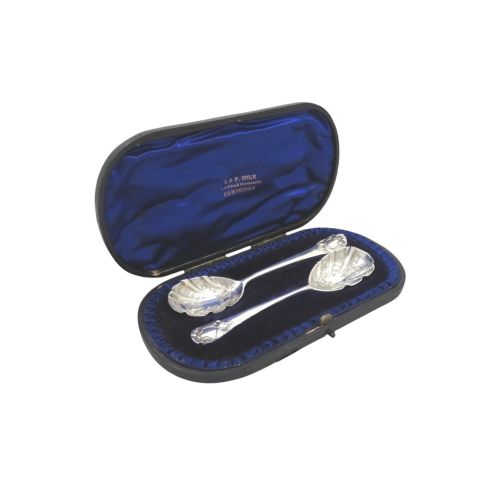
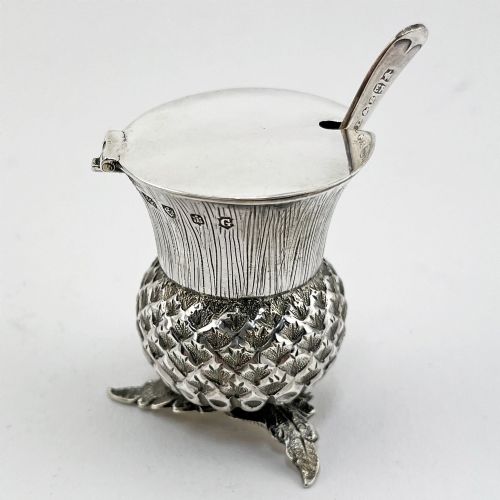
The pieces range from simple caddy spoons and coffee sets to heavy berry spoons and boxed presentation items lined with velvet or satin. Caddy spoons, mustard spoons, and grapefruit spoons appear alongside salad servers, showing the specialised dining habits of the period.
Most items date from the Edwardian period itself, while related pieces stretch from the late Victorian years through the George V era and into the 1920s and 1930s. Birmingham and Sheffield assay offices dominate the hallmarked items, alongside London and Edinburgh markers.
Materials and Technique
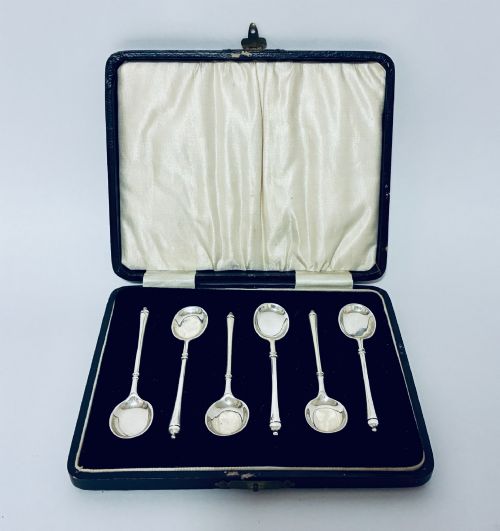
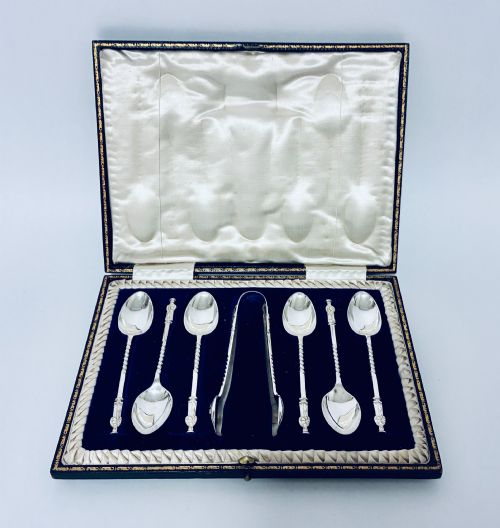
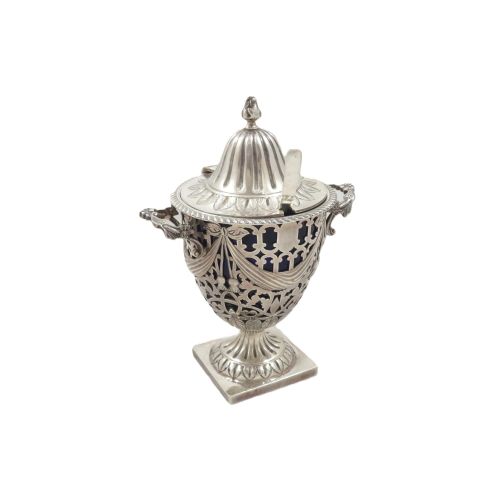
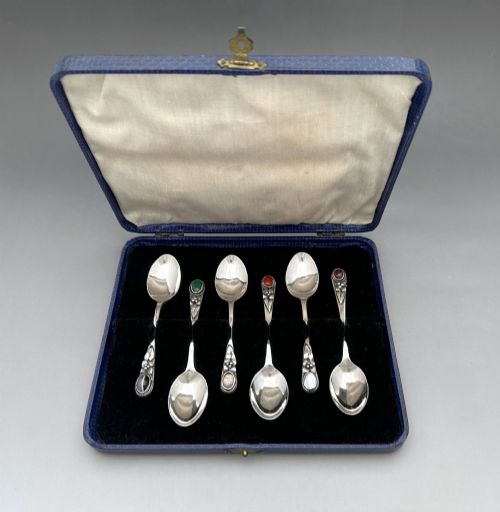
Silversmiths utilised solid sterling silver for the bowls and stems, frequently incorporating silver gilt surfaces, semi-precious stones, and glass inserts such as cobalt and ruby liners. Presentation sets often relied on fitted wooden boxes finished with leatherette, velvet, and silk linings.
Manufacturing techniques combined traditional hand-beating with pierced work, chasing, and rat-tail handle reinforcements. Silversmiths employed specific regional styles, from the hand-wrought forms of the Arts and Crafts movement to the flowing botanical motifs characteristic of Art Nouveau.
Assessing Quality and Craft
Quality in these implements rests upon the weight of the silver, the crispness of the chasing, and the integrity of any pierced or gilt work. Substantial weight in the hand distinguishes a superior serving spoon or caddy spoon from lighter production pieces.
The standard of manufacture also shows in the finish of fitted presentation cases, the clarity of the hallmarks stamped into the metal, and the secure mounting of semi-precious stones or glass liners where applicable.
Alfred Marston·Hamilton and Inches·William Neale·Oliver Barker·Amy Sandheim·Walker and Hall·Cooper Bros and Sons·Bricks and Sons
The Edwardian Sterling Silver Spoons Glossary
- Hallmark
- Official stamps pressed into precious metals indicating the assay office, standard of silver, and date letter. These marks allow collectors to trace the exact origin and year of manufacture.
- Caddy Spoon
- A short spoon specifically designed for measuring loose tea leaves from a caddy. They often feature novelty designs or shell-shaped bowls.
- Berry Spoon
- A large serving spoon, frequently heavily chased or embossed with fruit motifs during later periods. Many were originally produced in the Georgian era and replicated or adapted later.
- Silver Gilt
- Sterling silver that has been coated with a thin layer of gold. This technique provides a rich yellow finish and protects the underlying silver from tarnish.
- Rat-Tail
- A tapering tongue of metal extending down the back of a spoon bowl from the handle. This traditional reinforcement adds structural strength to the joint.
Edwardian Sterling Silver Spoons: Frequently Asked Questions
What are edwardian sterling silver spoons used for?
These implements served various dining and hospitality functions, ranging from daily tea service to formal dining courses. Specialised forms included caddy spoons for tea leaves, berry spoons for desserts, and dainty demi-tasse spoons for after-dinner coffee.
Many sets were designed specifically for gifting, appearing in fitted presentation boxes alongside sugar tongs, butter knives, or jam spoons for christenings and weddings.
How do you date edwardian sterling silver spoons?
Dating relies on the clear set of hallmarks stamped directly onto the metal by the maker. These tiny marks include a date letter corresponding to a specific assay office year, alongside the lion passant indicating sterling standard.
Stylistic cues also help narrow down the period, as Art Nouveau curves and Arts and Crafts hand-wrought textures contrast sharply with later Georgian Revival patterns.
How do you clean antique silver spoons?
Maintenance requires gentle washing in warm, soapy water using a soft cloth to remove everyday tarnish and oils. Avoid harsh abrasive dips or vigorous scrubbing that can wear away thin details, fine chasing, or silver gilt layers.
Store the items in dry conditions, ideally within lined boxes or anti-tarnish cloth wraps, to minimise exposure to atmospheric sulfur that causes discoloration.
What is the difference between flatware and cutlery?
In historical and dealer terminology, flatware generally refers to spoons and forks used for serving and eating. Cutlery strictly denotes cutting implements like knives and carvers, though the terms often overlap in modern speech.
When browsing early twentieth-century silver, listings for flatware typically encompass entire sets of teaspoons, coffee spoons, and condiment ladles.