
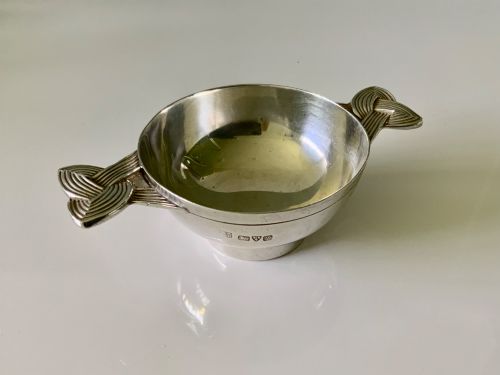


Antique Scottish Silver Hallmarked
These pieces of antique scottish silver hallmarked bring centuries of northern metalwork, from heavy Georgian teapots to delicate Edwardian quaich cups, straight to your table.
Antique Scottish Silver Hallmarked
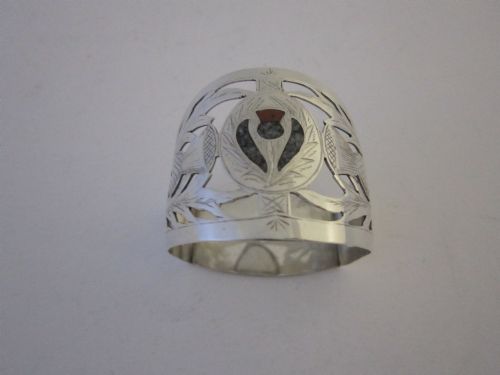
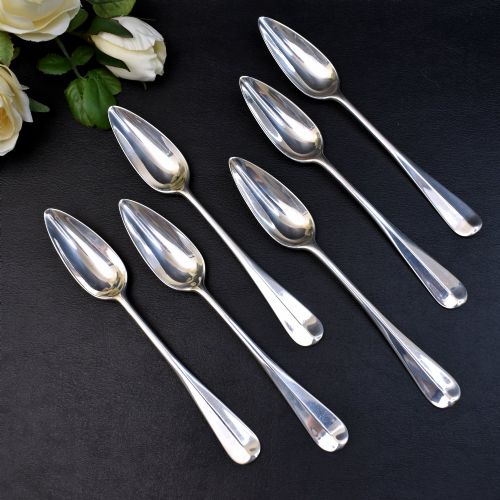
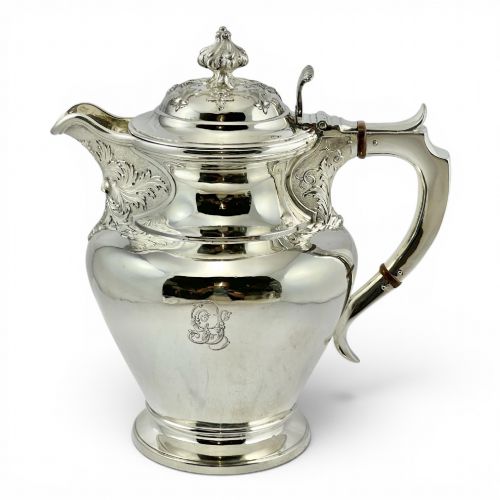
When you search for antique scottish silver hallmarked, you encounter a range of domestic objects that reflect the distinct assay offices of Edinburgh and Glasgow alongside regional makers. The pieces available span forms from simple napkin rings and gravy spoons to elaborate water jugs and trinket boxes, grounded firmly in sterling silver.
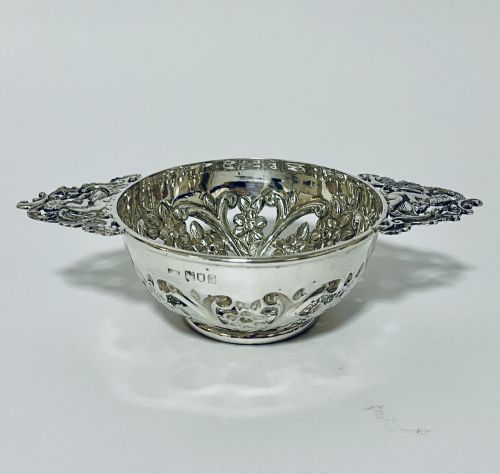
You meet items bearing the hallmarks of periods from the Georgian era through the Victorian years and into Edwardian and later twentieth century designs. Quaich cups and flatware appear regularly alongside stone-set boxes and novelty bookmarks, demonstrating the wide scope of Scottish silversmithing over the centuries.
Materials and construction
The foundation of these works is sterling silver, shaped by hammering, casting and planishing to create vessels, cutlery and decorative objects. Silversmiths employed techniques ranging from smooth polished finishes to the visible hammer marks characteristic of the Arts and Crafts movement.
Many items incorporate supplementary elements such as agate, citrine, mother-of-pearl, wood and glass. These materials are set into mounts or fitted as handles and liners, adding colour and texture to the bright silver surface.
The documented periods span from the sixteenth century through the Georgian, Victorian and Edwardian eras up to mid-century Arts and Crafts and Art Deco pieces.
Evaluating craftsmanship
The quality of these items rests upon the crispness of the hallmarks, the weight of the metal and the precision of any applied ornamentation such as Celtic revival motifs or hand-engraved detailing. Pieces that retain their original proportions and clean lines without excessive thinning from polishing represent the higher standard of the craft.
The integration of secondary materials like agate and citrine also dictates distinction, where well-matched stones securely held in bezels elevate a trinket box or napkin ring beyond plain utility. Maker reputation, visible in marks from established workshops and retailers, further separates standard production from finer output.
R E Stone·Nathan & Hayes·Hamilton & Inches·Crisford & Norris
The Antique Scottish Silver Hallmarked Glossary
- Hallmark
- An official stamp applied to precious metals to guarantee purity and origin. These marks typically include maker initials, town assay marks and date letters.
- Quaich
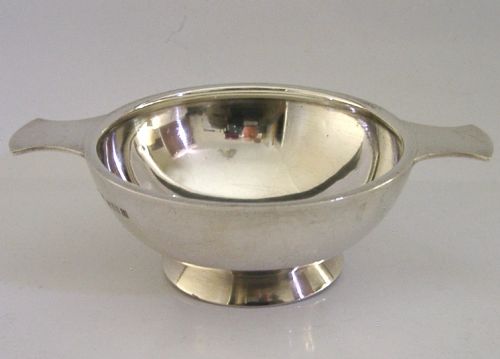
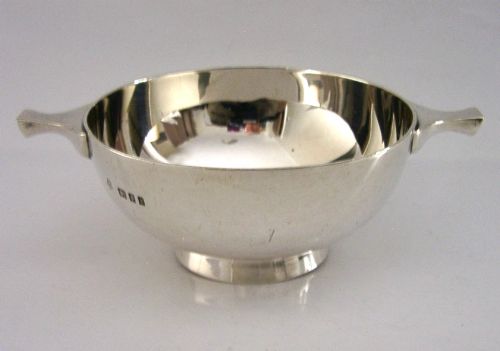
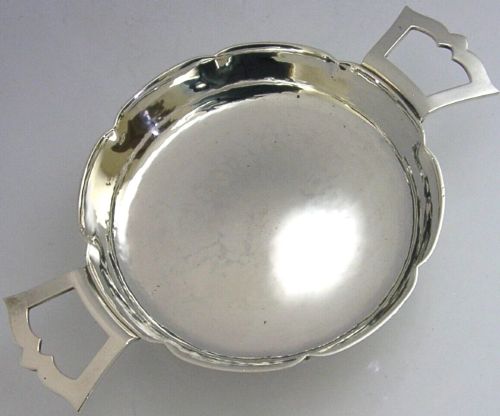
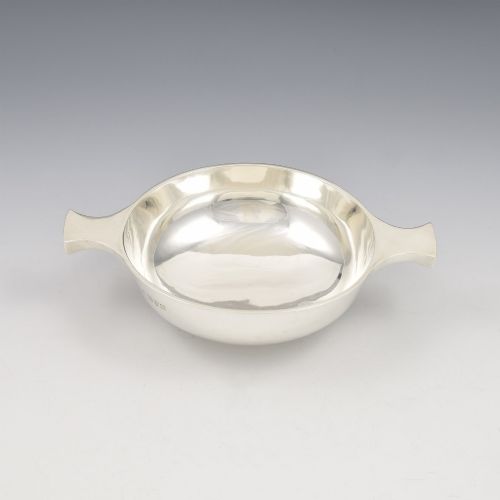
- A traditional Scottish two-handled drinking vessel used for whisky or broth. It evolved from simple wooden staves to sophisticated silver presentation bowls.
- Planishing
- A metalsmithing technique using a flat-faced hammer to smooth metal and impart a textured, light-reflecting finish. This method appears prominently in Arts and Crafts silver.
- Assay
- The testing of precious metals for purity, conducted by an official office. Scottish pieces frequently bear the castle mark for Edinburgh or the tree mark for Glasgow.
Antique Scottish Silver Hallmarked: Frequently Asked Questions
How do I read Edinburgh hallmarks?
Edinburgh hallmarks generally feature a castle symbol alongside the standard purity marks and date letters. These stamps identify the specific assay office and the year the piece was tested.
Additional marks indicate the monarch's head or the maker's registered punch, allowing you to trace the exact lineage of the item.
What styles influence these pieces?
The pieces span multiple design movements, including Georgian neoclassical forms, Victorian ornamentation and the geometric lines of Art Deco. Celtic Revival styles also appear frequently.
Arts and Crafts makers introduced hand-hammered surfaces and planished textures that celebrated traditional hand-working methods.
Are gemstones common in Scottish silver?
Gemstones appear regularly in specific forms such as trinket boxes, hat pin holders and napkin rings. Agate, citrine and mother-of-pearl are typical.
These stones reflect regional mineral traditions and provide contrast against the polished sterling silver settings.