
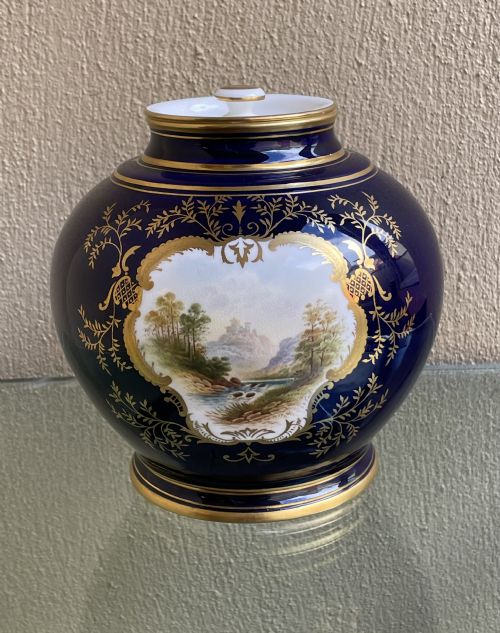


Edwardian Porcelain Vase
When you search for an edwardian porcelain vase, you discover delicate ceramic vessels shaped by turn-of-the-century makers.
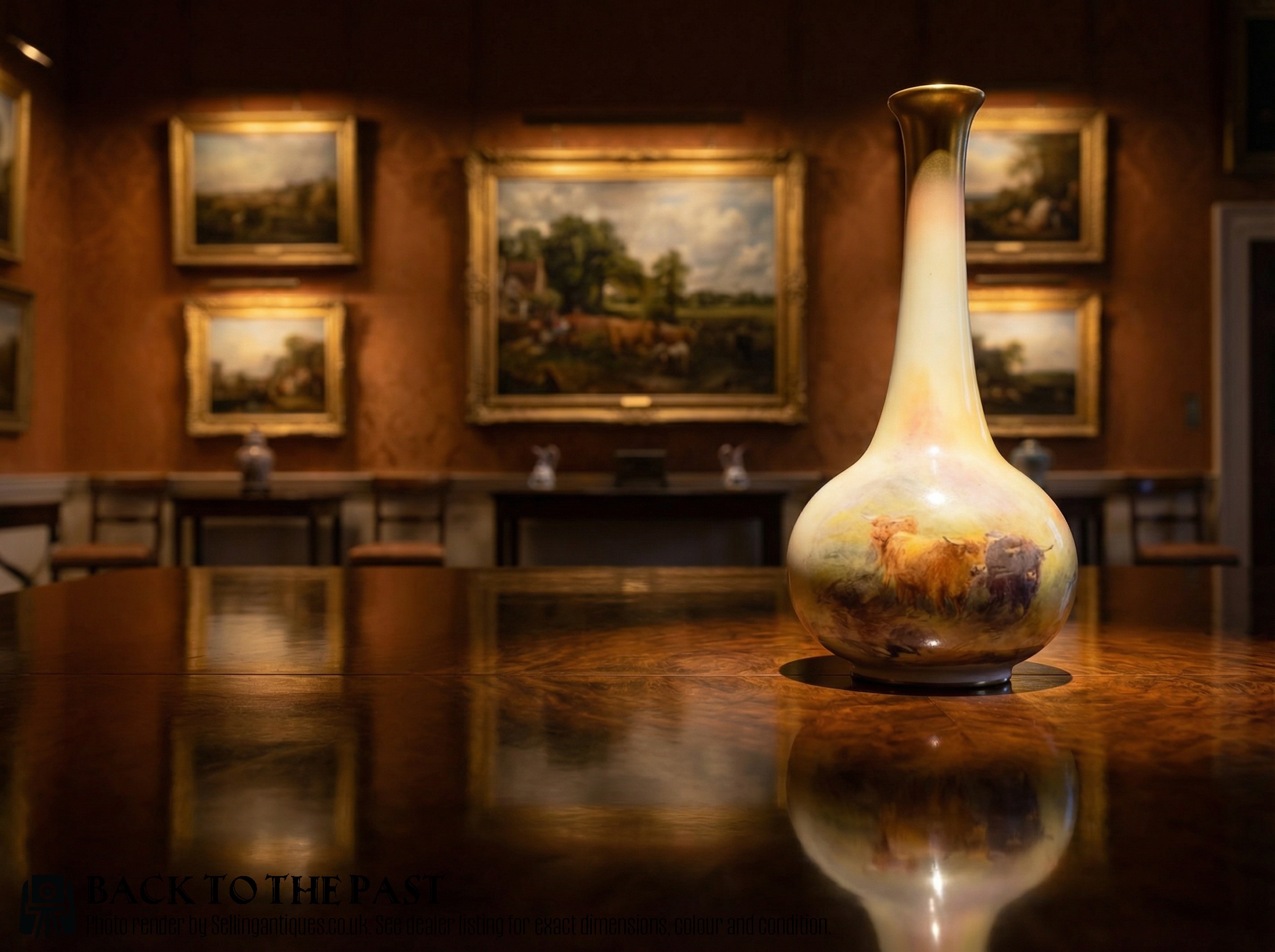
Edwardian Porcelain Vase
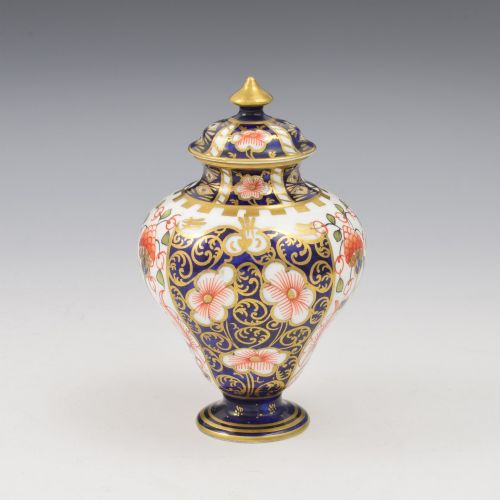
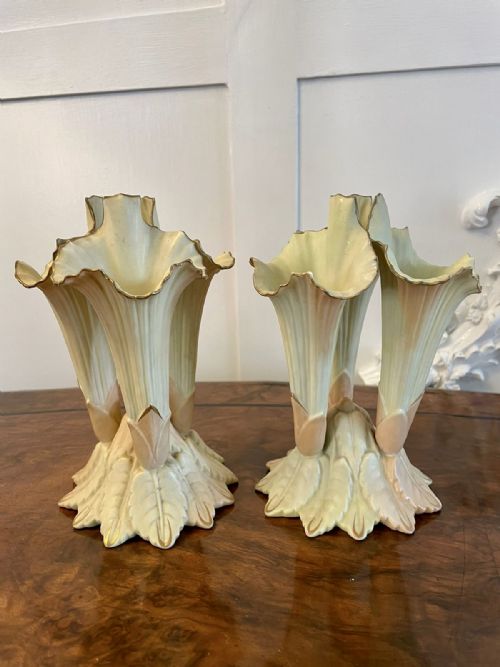
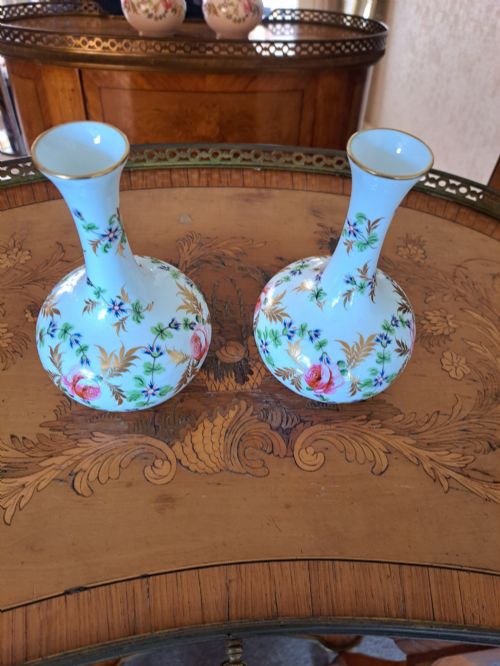
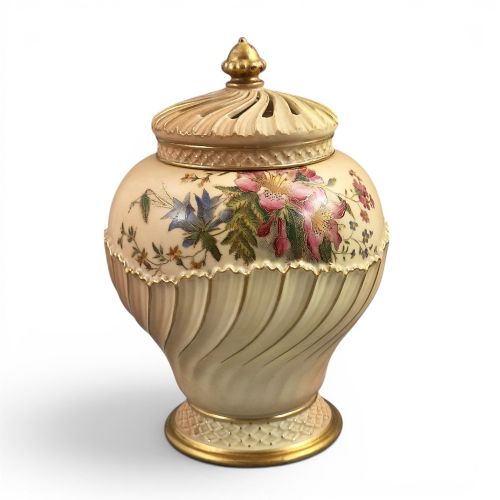
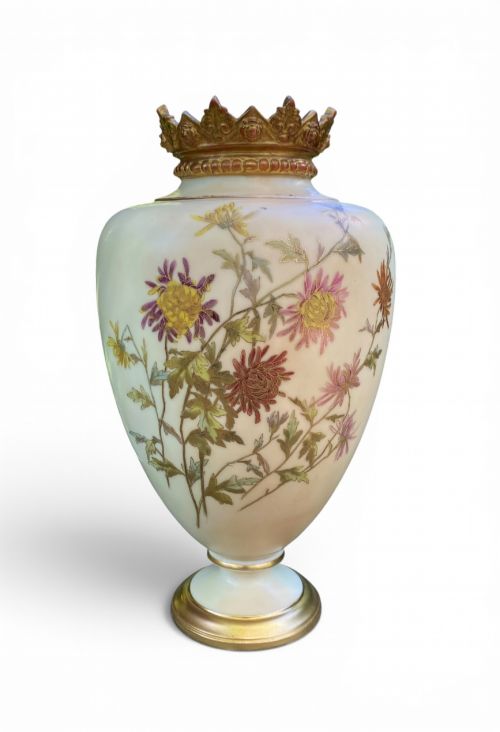
An edwardian porcelain vase encompasses various decorative forms including spill vases, bud vases, and covered jars produced around the turn of the twentieth century. The selections available reflect both domestic English potteries and international influences, capturing a period of transition in ceramic design from Victorian ornamentation towards cleaner Edwardian and Art Nouveau aesthetics.
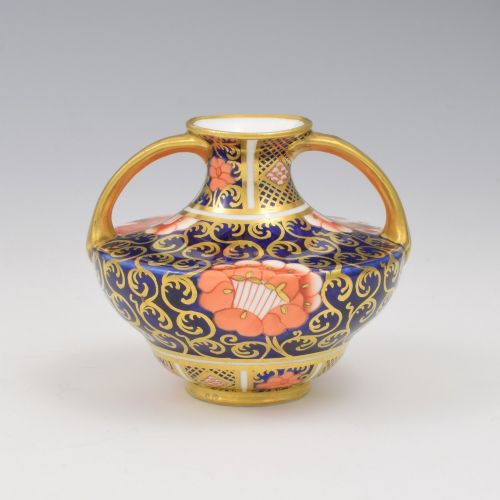
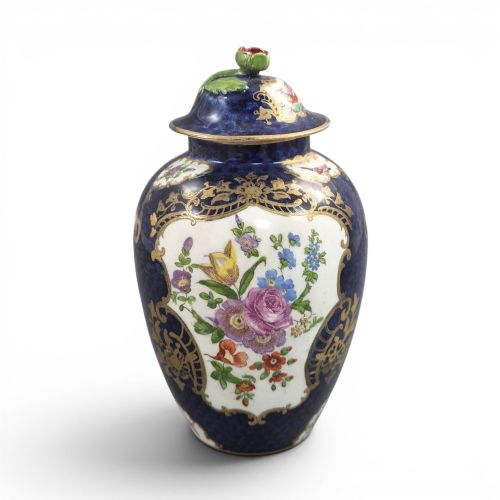
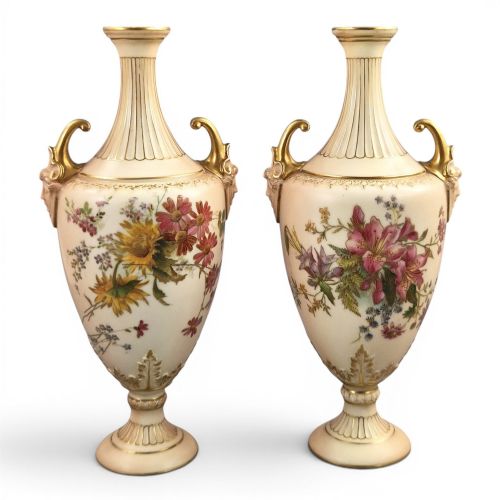
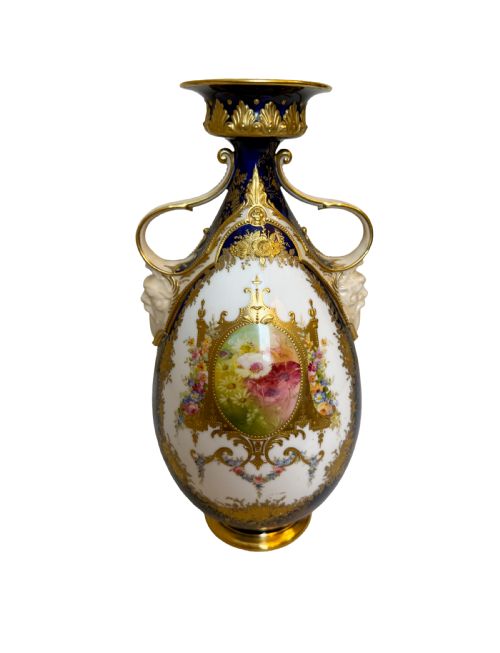
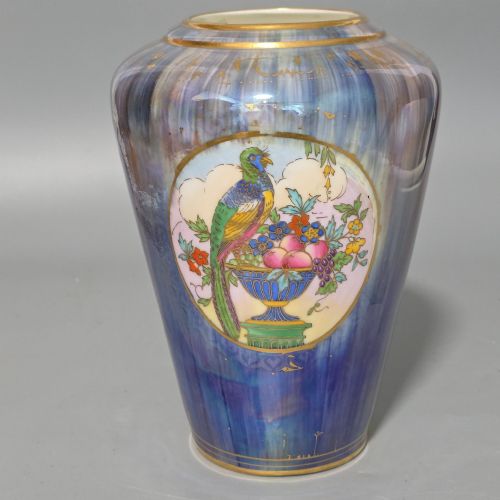
Most items you encounter bear the marks of prominent factories such as Royal Worcester, Royal Crown Derby, and Royal Doulton. These pieces range from miniature cabinet specimens to substantial hand-painted display items, often featuring floral motifs, birds, or traditional Imari patterns.
While many examples originate directly from the Edwardian era, the inventory also spans late Victorian production, 19th century pieces, and early twentieth-century interpretations up to the 1930s. Ceramic and earthenware items sit alongside fine porcelain, demonstrating the broad scope of techniques utilised by historical potteries.
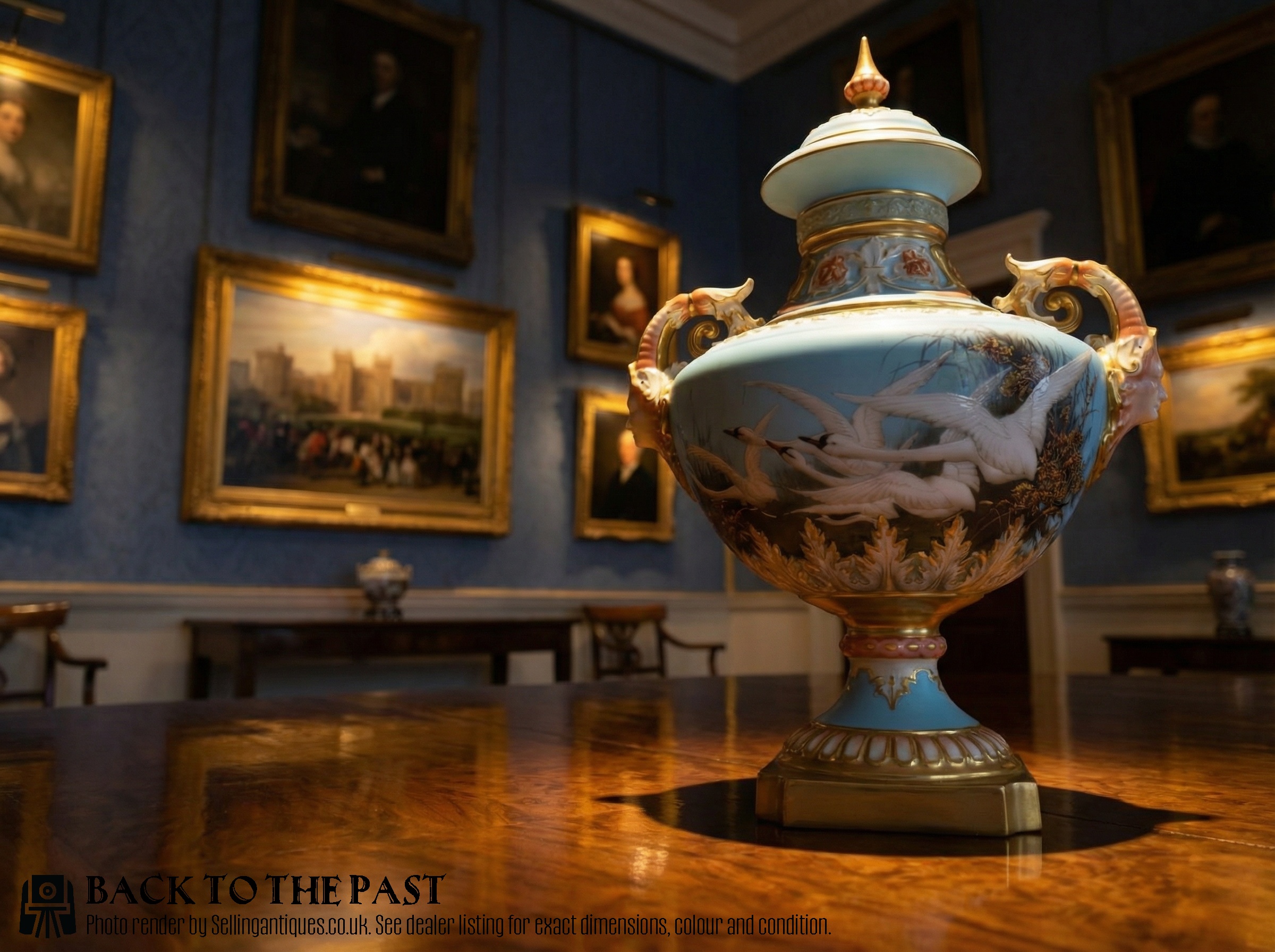
Materials and Manufacture
The construction relies heavily on fine porcelain, ceramic, and earthenware bodies moulded or thrown into specific vessel shapes. Glaze and enamel applications provide the smooth foundation for hand-painted artistry executed by studio artists.
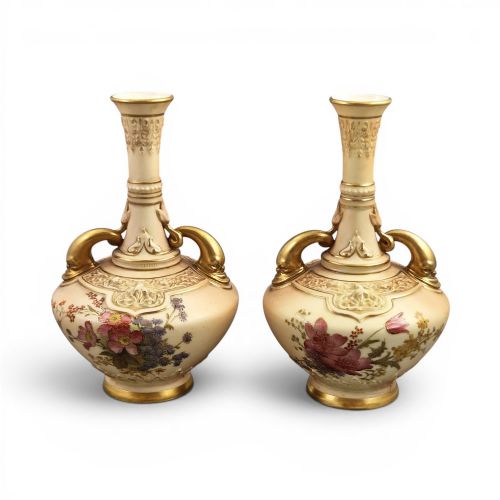
Gilding, gold leaf, and enamel details frequently accent the main bodies, highlighting pierced handles and rims. Many examples incorporate transfer printing combined with meticulous hand finishing by named painters.
Edwardian Porcelain Vase Retail Price Guide 2026
Typical asking prices for edwardian porcelain vase among the pieces listed under this phrase on Sellingantiques today, from the lower quarter to the upper quarter. They describe what is for sale here now, not the wider market.
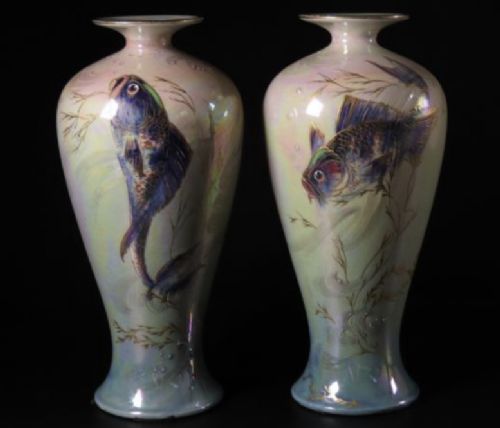
Several playful pieces abandon traditional floral motifs entirely, featuring hand-painted fish, storks, and even a ceramic boy pushing a wheelbarrow.
Distinctions in Quality
Quality rests upon the skill of the hand-painting and the prominence of the decorating artist, where signed works by notable painters elevate a piece significantly. The complexity of the glaze, the application of gold leaf, and the crispness of moulded details further separate standard production items from masterworks.
The reputation of the factory and the preservation of delicate elements like pierced handles or enamel borders dictate the standing of an item within its category.
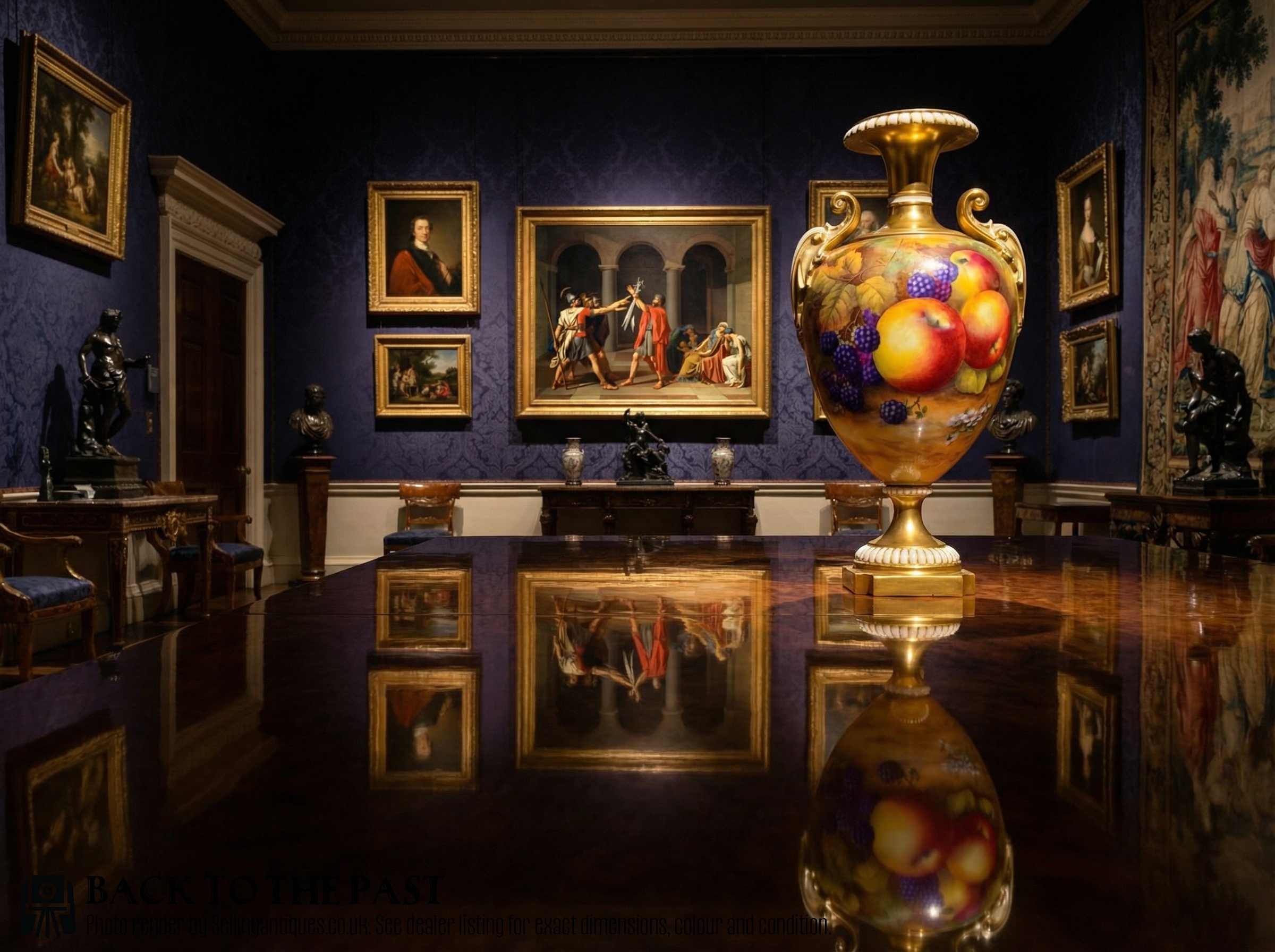
Royal Crown Derby·Locke And Co·Shelley·Booths·Royal Worcester·Royal Doulton·Minton·Coalport·Crown Staffordshire·Krister KPM Waldenburg·Mason Ironstone·Wedgwood
The Edwardian Porcelain Vase Glossary
- Blush Ivory
- A specialised creamy ceramic glaze developed by Royal Worcester that mimics the soft tone of ivory. It provides a muted background for delicate floral hand-painting.
- Imari
- A decorative style inspired by Japanese export wares featuring iron red, cobalt blue, and gilt details. British potteries adopted this palette extensively.
- Spill Vase
- A tall, narrow vessel designed to hold taper candles or spills used for lighting fires. They typically feature stable bases and simple cylindrical or trumpet profiles.
- Lustre
- A type of ceramic glaze containing metallic oxides that produce an iridescent, shimmering surface sheen. It reflects light dynamically across the body of the vase.
- Posy Holder
- A small receptacle intended for short-stemmed floral arrangements or individual posies. These often take playful or figurative forms.
Edwardian Porcelain Vase: Frequently Asked Questions
How do I identify an Edwardian porcelain vase?
Check the base for factory backstamps, impressed registration numbers, or painter signatures that correspond to early twentieth-century production periods.
Stylistic cues such as soft blush ivory grounds, stylized floral decoration, and refined gilding also help confirm the era.
Were these vases used for fresh flowers?
Many decorative vessels served primarily as mantelpiece ornaments or cabinet display items rather than functional flower holders.
Smaller spill vases and bud varieties, however, were routinely utilised for single stems or matches.
What is the difference between porcelain and earthenware?
Porcelain is fired at higher temperatures, resulting in a vitrified, non-porous body that often exhibits translucency when held to the light.
Earthenware uses clay fired at lower temperatures, producing a more opaque, slightly heavier material that requires a complete glaze layer for waterproofing.
How should I clean my antique vase?
Dust the surface gently with a soft, dry brush to prevent the accumulation of particles in crevices or around handles.
Avoid liquid immersion or harsh chemical cleaners, particularly on pieces with delicate enamel work or fragile gold leaf.