


Edwardian Porcelain Urn
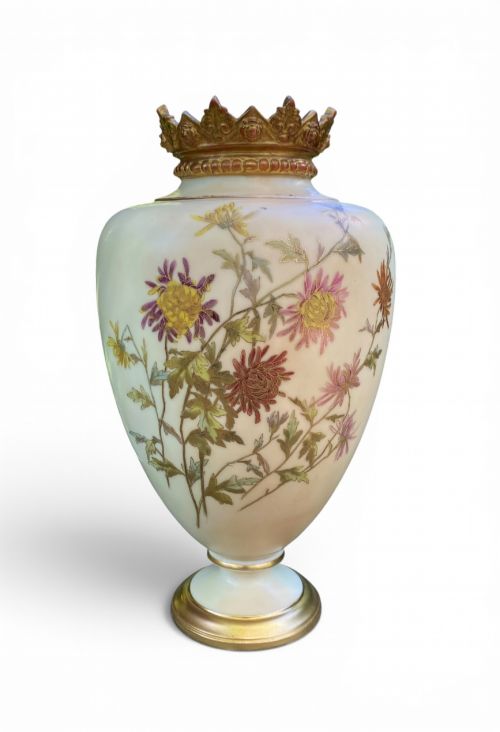
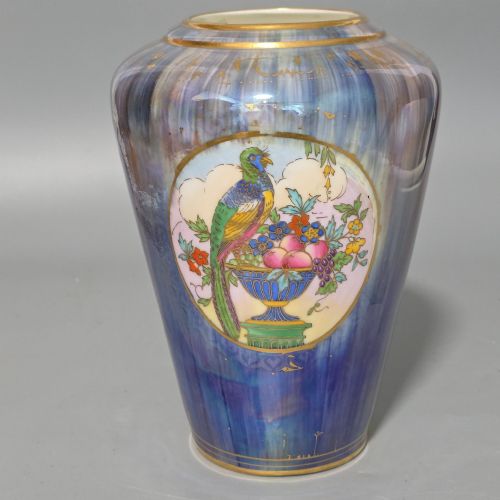
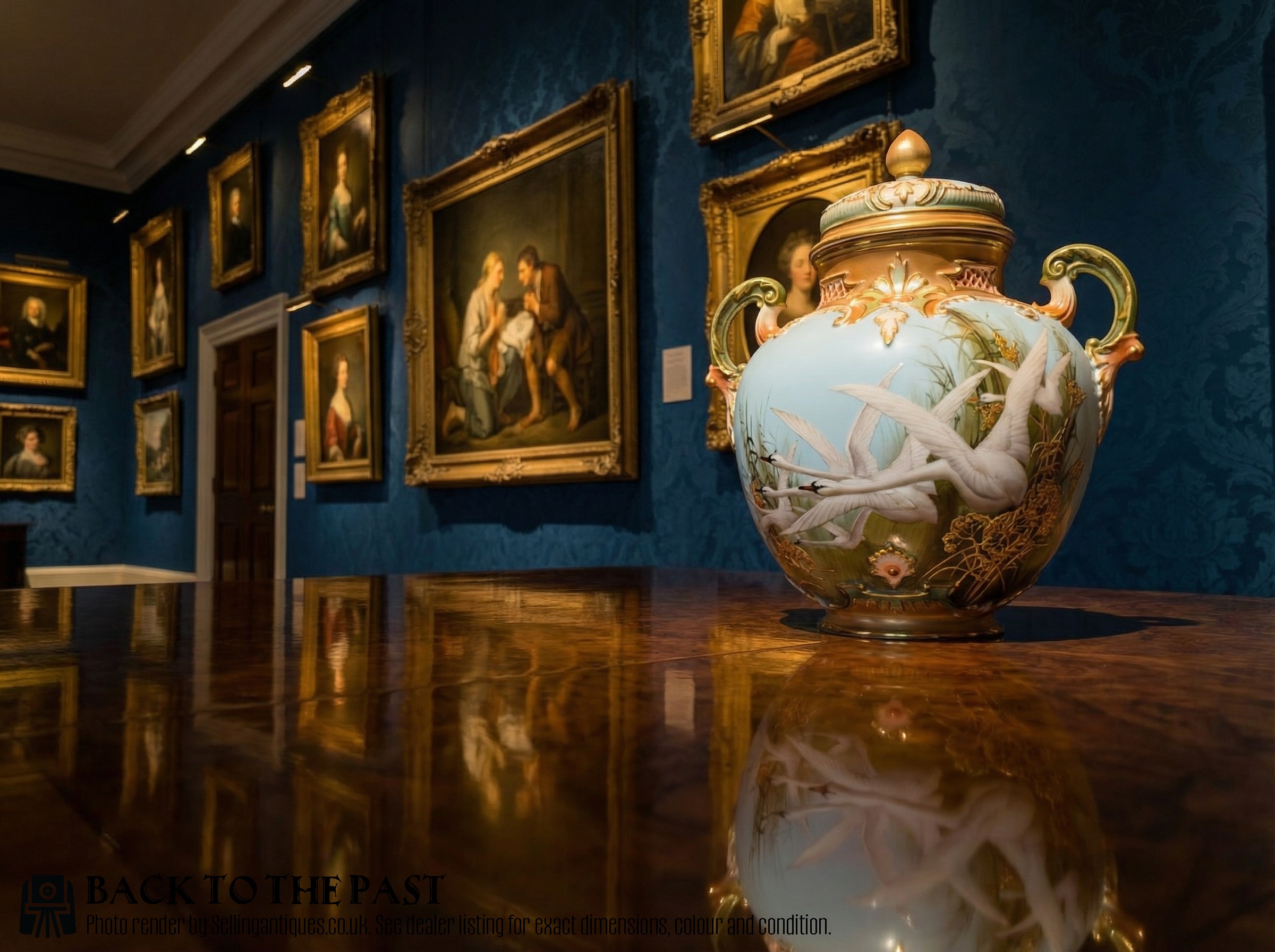
An edwardian porcelain urn brings cabinet-ready painted elegance to a room, offering finely detailed hand-painted botanical and avian scenes.
Identifying an Edwardian Porcelain Urn
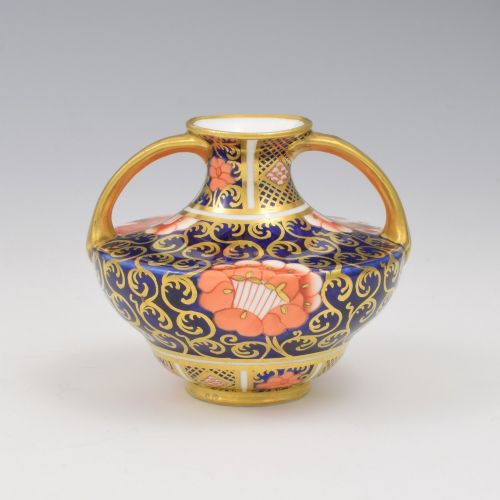
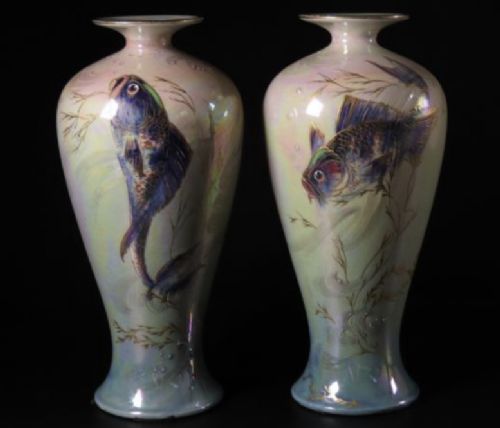
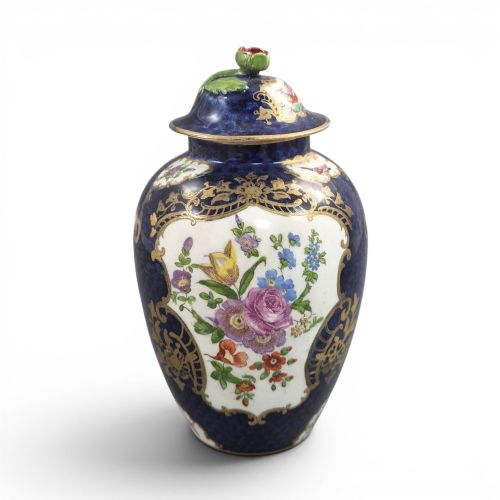
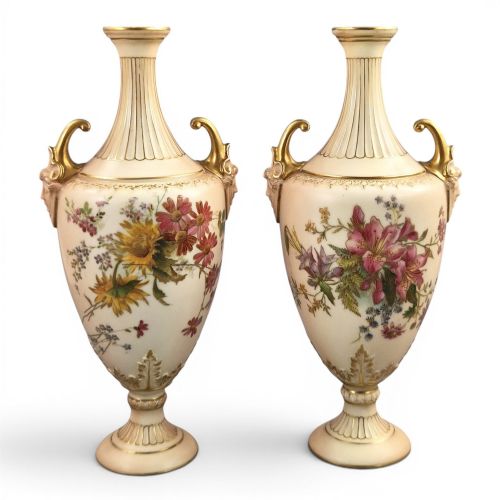
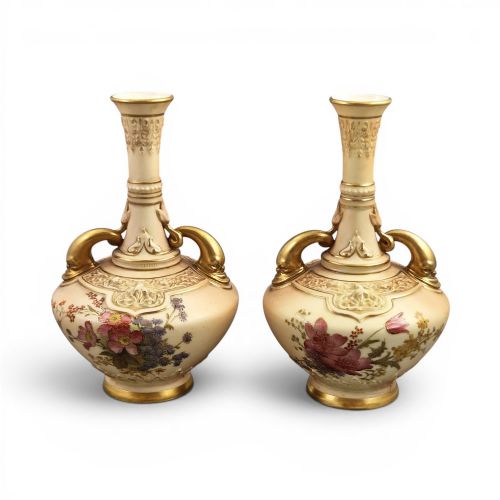
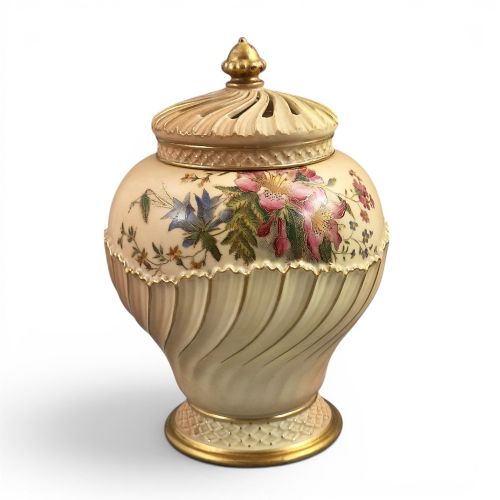
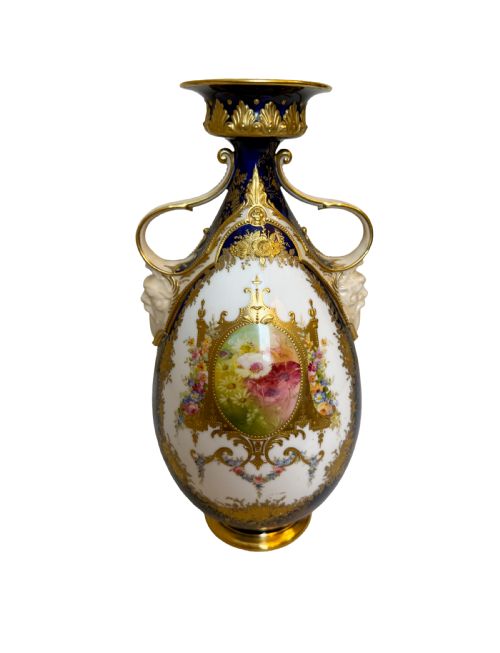
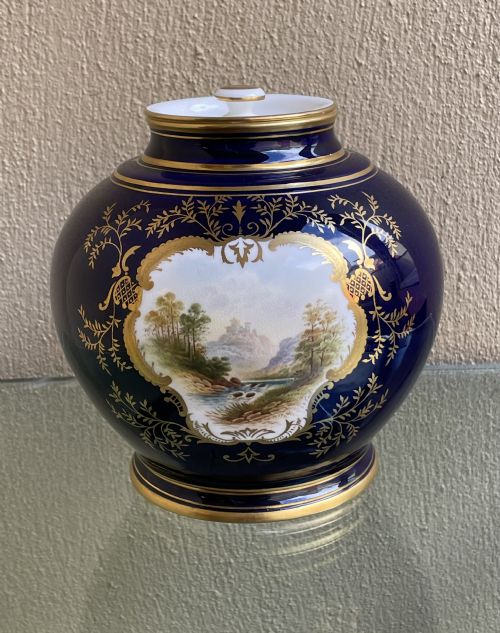
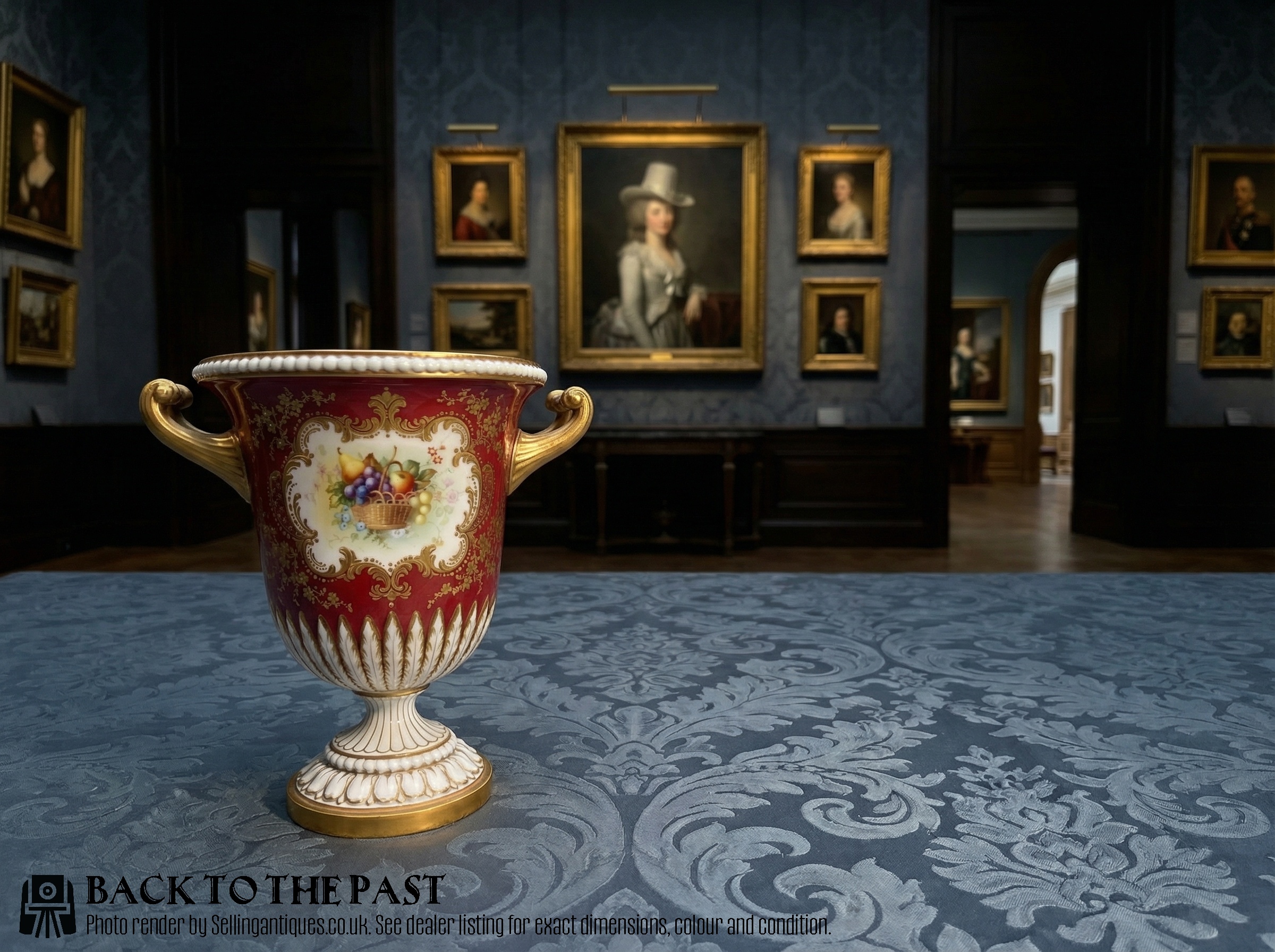
When you search for an edwardian porcelain urn, you are looking at decorative ceramic vessels produced during the early twentieth century. The selection ranges from covered pot pourri jars to twin-handled cups and fruit-painted display vases.
The pieces on this page lean heavily towards refined British manufactories operating around the nineteen-hundreds. You will encounter forms designed specifically for cabinet display or table centrepieces rather than utilitarian daily use.
Victorian decorative styles overlap with early twentieth-century production dates in this selection. This means you will find transitional pieces carrying late nineteenth-century aesthetic weight alongside crisper Edwardian motifs.
Materials and Manufacture
The bodies are formed from porcelain and bone china or fine bone china. These ceramic bases provide a smooth, bright white canvas suitable for detailed miniature painting.
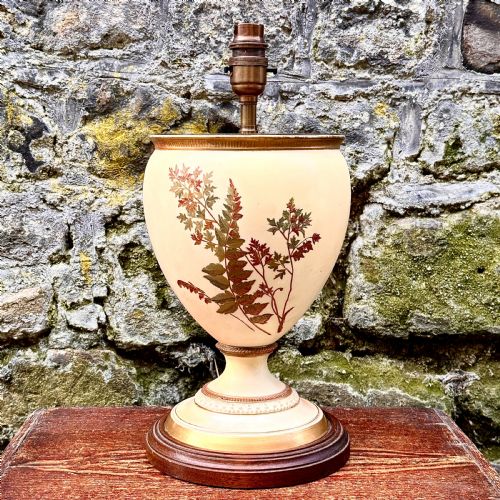
Makers applied polychrome enamel colours and gold leaf highlights or gilt details by hand. Many examples feature specialised blush ivory grounds that mimic the soft texture of unglazed parian ware while remaining sealed and glossy.
Retail Price Guide 2026
Typical UK retail prices for edwardian porcelain urn, calculated from the Sellingantiques database of over a million retail prices indexed since 2003. This retail price guide relies exclusively on Sellingantiques data; no external sources or auction records are used, so the figures do not describe the wider market.
Object types include covered jars, twin-handled cups, and display vases.
Assessing Quality and Handwork
The distinction between standard production and the top of the range rests entirely on the skill of the studio painter. Signed works by documented artists command greater attention through minute brushwork depicting feathers, fruit, or architectural landmarks.
The application of gilding and gold leaf also dictates the tier of the piece. Heavy, hand-tooled or raised gilding indicates superior workshop output compared to simple, flat gold painted lines.
Royal Worcester·Royal Doulton
The Edwardian Porcelain Urn Glossary
- Blush ivory
- A soft, creamy porcelain glaze developed to resemble the texture of real ivory, often tinted with peach and green pastel shades.
- Pot pourri jar
- A ceramic vessel featuring a pierced or perforated cover designed to hold scented dried plant materials for room fragrance.
- Bone china
- A type of porcelain enriched with bone ash, producing a strong, translucent body that allows for thinner walls.
- Gilding
- The application of gold leaf or gold paint to ceramic surfaces for decorative enrichment.
Frequently Asked Questions
What were porcelain urns used for?
These decorative vessels served primarily as ornamental items for drawing rooms, mantelpieces, and glass-fronted cabinets. Some specialised forms included perforated covers specifically intended to diffuse fragrant pot pourri.
They were symbols of refined taste and wealth, displayed to showcase artistic porcelain painting to visiting guests rather than utilised for fresh flowers.
How do I tell Victorian from Edwardian?
Victorian decorative ceramics often feature heavier, busier floral motifs and deep, saturated colour palettes. Edwardian pieces tend to display lighter pastel grounds, such as blush ivory, alongside more restrained neoclassical or naturalistic compositions.
Chronological overlap means stylistic traits can blend, making factory registration numbers, date ciphers, and artist signatures the most reliable indicators of exact period.
Are painted signatures important?
Signed pieces carry the hand of a specific studio artist, which elevates the artistic merit of the ceramic. Names associated with high-end porcelain painting indicate a superior level of individual craftsmanship.
Unsigned pieces remain fine examples of factory output, but signed works by notable painters provide a direct link to the individual artisan's skill.