
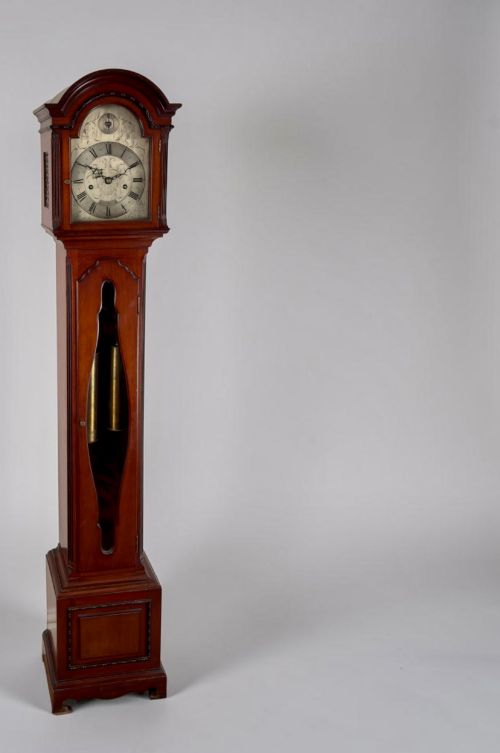

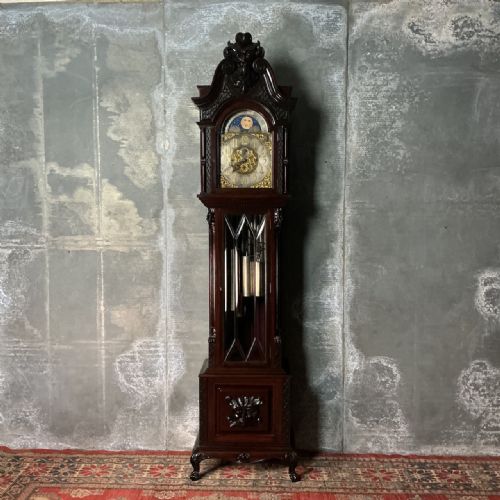
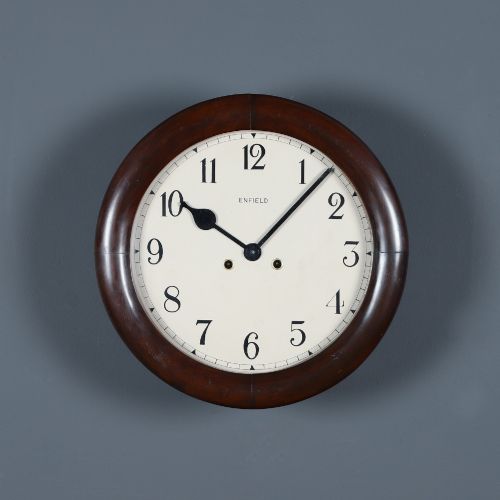
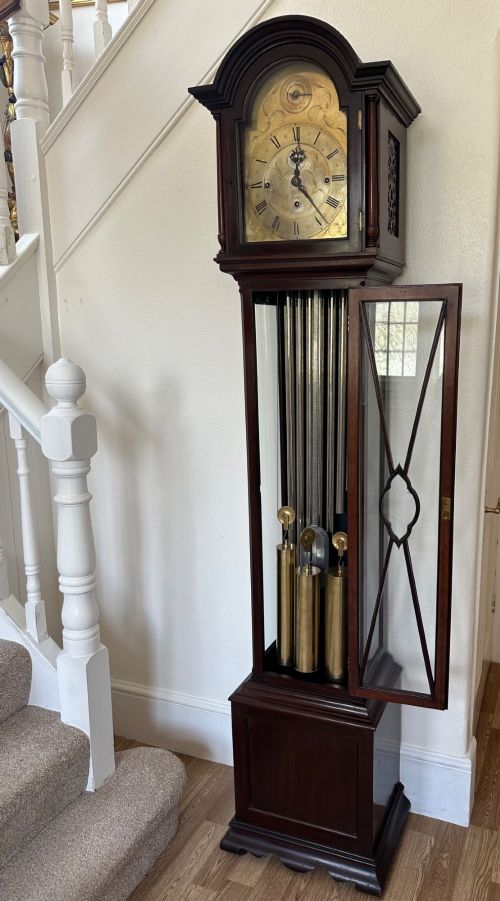





Edwardian Chiming Clock
An edwardian chiming clock brings together mechanical precision and rich cabinet work, offering a melodic presence for any room.
Edwardian Chiming Clock
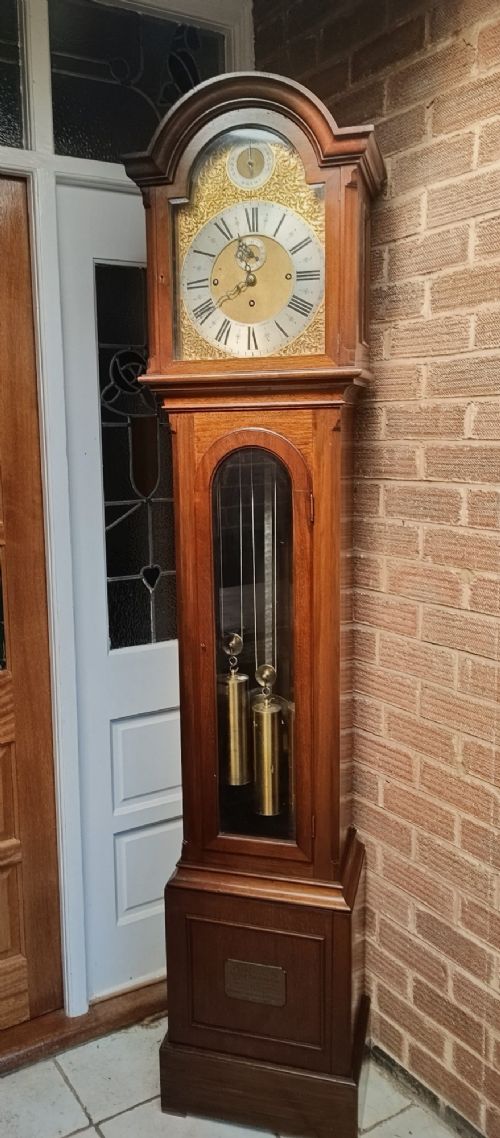
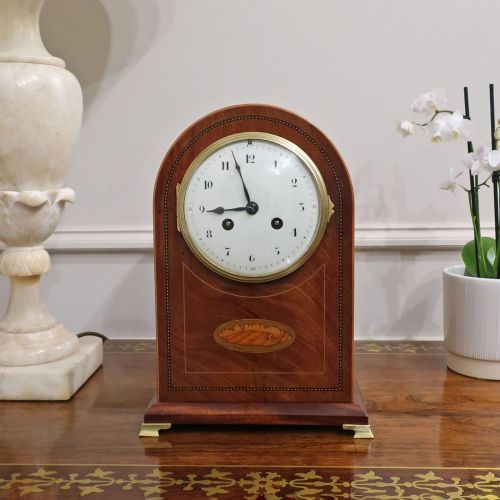
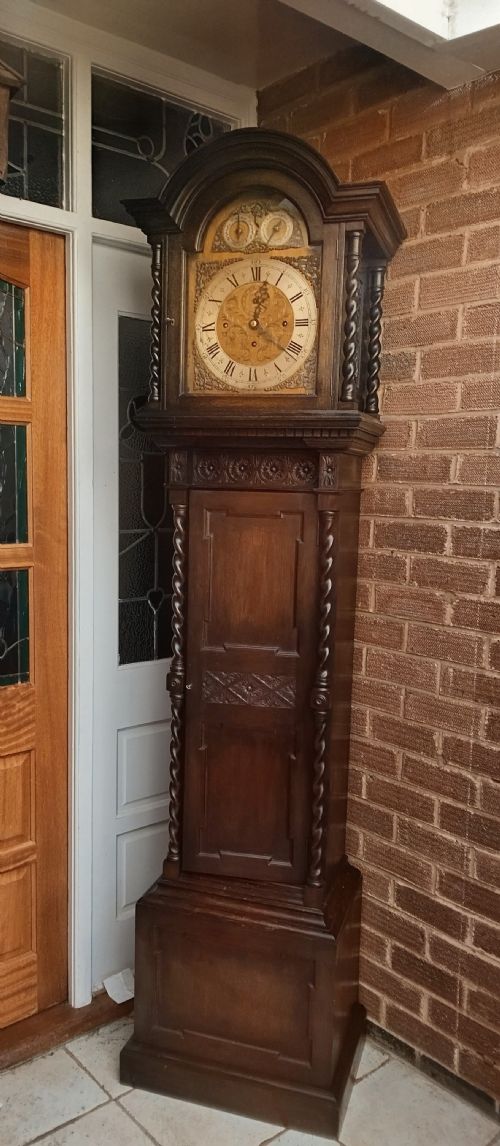
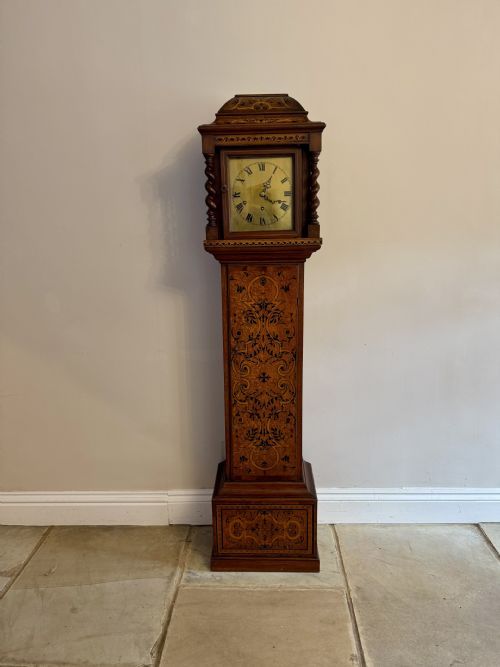
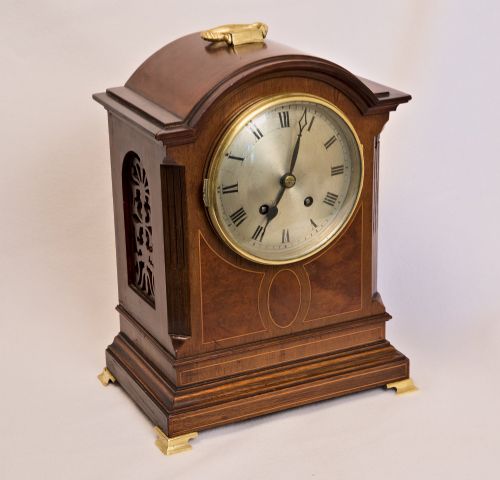
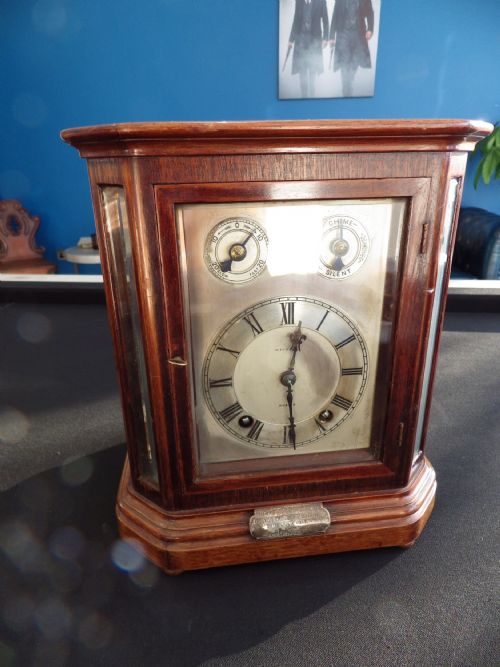
When you search for an edwardian chiming clock, you encounter timepieces that range from compact desk examples to tall floor-standing longcase varieties. The pieces listed on this page originate predominantly from the Edwardian era and surrounding decades, capturing a period of notable horological ambition.
The domestic forms you are most likely to meet here include mantel clocks, bracket clocks and smaller grandmother clocks designed for domestic interiors. These varieties often feature multiple trains or tubes to produce quarter chimes, hour strikes or specific musical tunes.
Materials and Movement
Cabinet makers utilised dense timbers such as mahogany, oak and walnut, frequently enhancing the wooden surfaces with marquetry inlay or satinwood details. Brass dials, bevelled glass panels and steel components complete the internal and external construction.
Movements rely on intricate brass gear trains driven by weights or springs, often incorporating specialised chimes on gongs, bells or tubular rods. These mechanisms were housed within sturdy timber cases designed to resonate the sound cleanly throughout the home.
Edwardian Chiming Clock Retail Price Guide 2026
Typical asking prices for edwardian chiming clock among the pieces listed under this phrase on Sellingantiques today, from the lower quarter to the upper quarter. They describe what is for sale here now, not the wider market.
Listings feature woods like mahogany, oak, walnut and satinwood alongside brass, glass, steel and enamel components.
Judging the Workmanship
The distinction between ordinary and exceptional pieces lies in the sophistication of the internal movement and the fidelity of the cabinet work. Multi-train mechanisms offering musical selections or tubular bell chimes represent a higher level of horological achievement than simple striking models.
Finer examples display careful timber selection, such as figured mahogany or detailed marquetry, paired with crisp dial execution and substantial brass fittings. The integration of the acoustic housing with the chiming mechanism determines the melodic clarity of the finished clock.
Gillett & Johnston·Winterhalder & Hofmeier·Junghans·Elliott·Lister & Sons·Camerer Cuss & Co
The Edwardian Chiming Clock Glossary
- Bracket clock
- A portable timekeeper originally designed to sit on a wall bracket, though later placed on mantelpieces or tables. These units frequently feature brass carrying handles on top.
- Grandmother clock
- A slender, reduced-scale version of a traditional longcase clock. They share the same mechanical complexity while occupying less floor space.
- Ting tang
- A two-hammer striking system that sounds two different notes on two bells to indicate the quarters before the hour strike. It provides a distinct acoustic signature.
- Train
- The series of gears within a clock movement dedicated to a specific function such as timekeeping, striking or chiming. Clocks with multiple trains can perform more than one acoustic duty.
Edwardian Chiming Clock: Frequently Asked Questions
What is a grandmother clock?
A grandmother clock is a smaller, slender version of a traditional grandfather longcase clock. They were produced to fit into modern domestic rooms with lower ceilings.
Despite their reduced proportions, these clocks frequently house complex chiming movements driven by weights or springs.
How do mantel and bracket clocks differ?
Mantel clocks generally sit directly on a shelf or fireplace mantel as decorative furniture pieces. Bracket clocks share a similar scale but historically derive their name from wall-mounting supports.
Both forms utilise spring-driven movements rather than hanging weights.
What does a ting tang movement do?
A ting tang movement uses two hammers and two bells to sound a two-note sequence at the quarter hours. This precedes the full hour strike.
It offers a lighter acoustic announcement than standard cathedral gongs.
How many trains can these clocks have?
These clocks typically feature between one and three trains of gears within the movement. A single train drives the time, a second controls the hour strike, and a third operates the quarter chimes or musical tunes.
Triple train variations are particularly sought after for their melodic capabilities.